Published
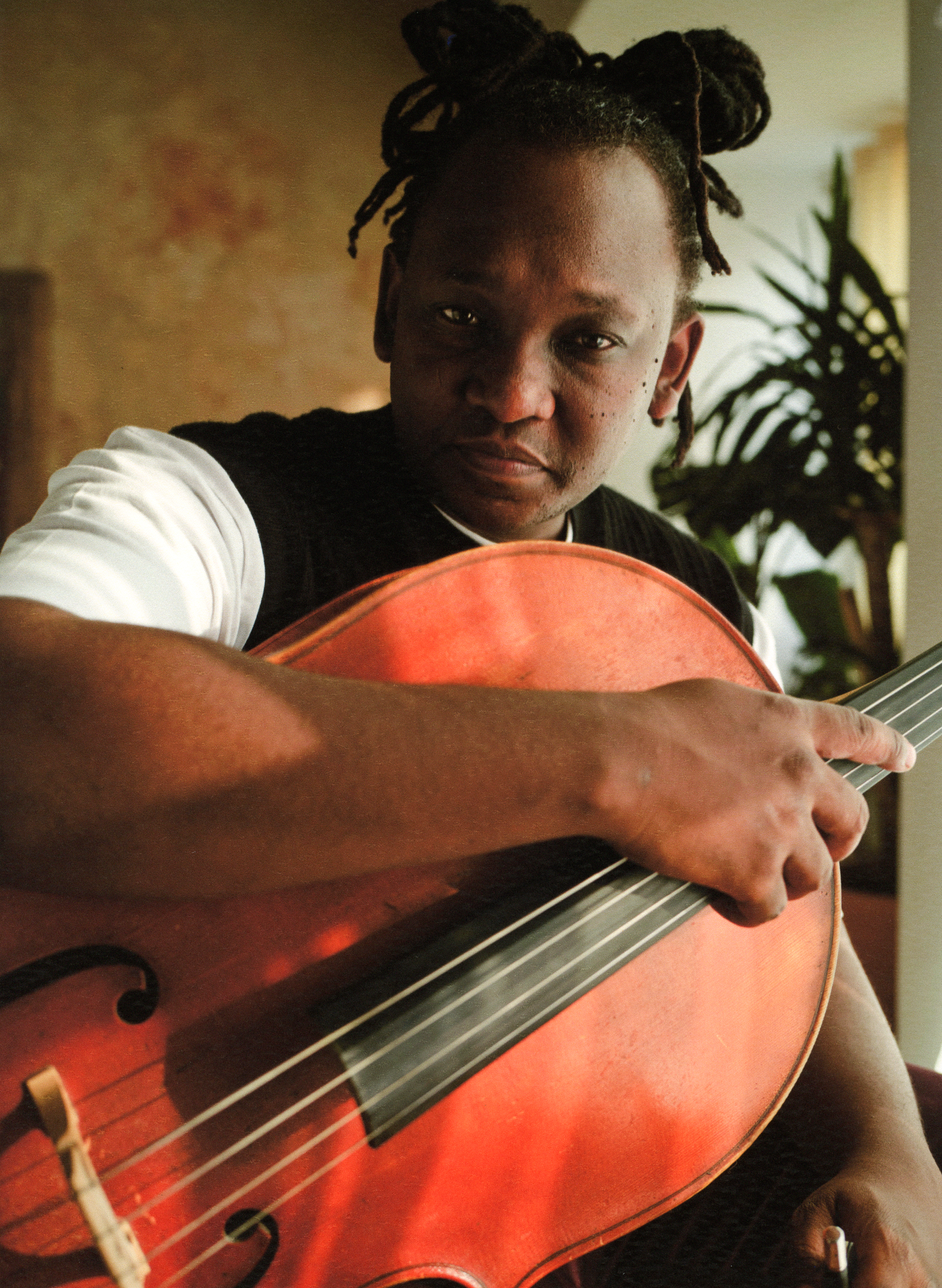
Name: Abel Selaocoe
Nationality: South African
Occupation: Composer, cellist, vocalist
Current release: Abel Selaocoe's sophomore album Hymns of Bantu is out via Warner Classics.
If you enjoyed this Abel Selaocoe interview and would like to know more about his music, visit his official homepage. He is also on Instagram, Facebook, and tiktok.
Where does the impulse to create something come from for you? What role do often-quoted sources of inspiration like dreams, other forms of art, personal relationships, politics etc play?
I value the space to mess around so much! Improvise, imitate and with no expectation of presenting to anyone. It’s a remedy to waiting for inspiration.
I really enjoy translating certain African musical languages to the cello, so that always permeates my work. Eritrean bowed instrument to west African Goje (another violin like instrument).
But, yes, also the social and spiritual thoughts often propel the creative process.
For you to get started, do there need to be concrete ideas – or what some have called a 'visualisation' of the finished work? What does the balance between planning and chance look like for you?
No, I feel sometimes that having concrete ideas before you start can close certain channels that can be possible.
I do my best to stay malleable and not hold on to ideas if they don't serve the creation in that moment. Rather shelve them and find them another home.
Is there a preparation phase for your process? Do you require your tools to abe laid out in a particular way, for example, do you need to do 'research' or create 'early versions'?
I feel that there is also an inspiration that comes from the past rather than ideas that appear to you in the moment. So I am always watching old videos of rehearsals, archival videos of old music I love, conversations etc
For Hymns of Bantu, what did you start with? If there were conceptual considerations, what were they?
I started with "Voices of Bantu" in a small church on the outskirts of Manchester. The composition is a combination of two old works "Marina Marais" (Les Voix Humaines) and "Tsohle Tsohle" (South African hymn)
The album Hymns of Bantu began with recalling music of the church that my family love to sing. Some of these songs I've had a journey with them since I was born, referring to them in times of hardship or marking some joyous moments.
Tell me a bit about the way the new material developed and gradually took its final form, please.
Improvisations and collection of old music.
The track “camagu” was an exploration on a detuned baby violin, then the twangy sound permeated the track with a much bigger ensemble.
There are many descriptions of the creative state. How would you describe it for you personally? Is there an element of spirituality to what you do?
This is called Moya in South African terms.
It happens a lot in improvisational or prayer like realms where you find an idea and for that moment your mind is not operating in the past or predicting the future.
Once a piece is finished, how important is it for you to let it lie and evaluate it later on? How much improvement and refinement do you personally allow until you're satisfied with a piece? What does this process look like in practise?
Evolution of music doesn't feel linear to me. One writes a certain way for the place they are in their life.
I let what I write be but always understand that live situations begin to carve something else out of old work.
How do you think the meaning, or effect of an individual piece is enhanced, clarified or possibly contrasted by the EPs, or albums it is part of? Does each piece, for example, need to be consistent with the larger whole?
I think it's great that the world is using so many ways of telling sonic stories. Be it a great compilation of musics that live from elsewhere.
I also think it's great to listen to music not on the move. A great memory in music school was listening to whole symphonies, operas or albums in one sitting.
After finishing a piece or album and releasing something into the world, there can be a sense of emptiness. Can you relate to this – and how do you return to the state of creativity after experiencing it?
Not really, after recording I often live with the music in a live experience and the amount we create in those moments is so fulfilling.
I worry where the next bout of creativity will appear from but something always seems to happen.
Creativity can reach many different corners of our lives. Do you personally feel as though writing a piece of musc is inherently different from something like making a great cup of coffee? What do you express through music that you couldn't or wouldn't in more 'mundane' tasks?
It's all to do with awareness. Appreciation or catharsis can come from almost anything.
I think the medium of music allows collective thought and permits surrender. That's pretty magical.