

Name: Avishai Cohen
Nationality: Israeli
Occupation: Composer, bassist, improviser
Recent release: Avishai Cohen's Brightlight is out via naive.
If you enjoyed this Avishai Cohen interview and would like to stay up to date with his releases, tour dates, and music, visit his official homepage. He is also on Instagram, Facebook, and twitter.
Where does the impulse to create something come from for you? What role do often-quoted sources of inspiration like dreams, other forms of art, personal relationships, politics, etc. play?
Just from living life, you know – being open and aware of everything that is authentic or seems to be. A lot of things influence me, even the sound of a city that has a certain rhythm. At the end of the day, it's hard to say exactly what started it.
I am always very attached to rhythm; I am a rhythmic person, I guess... I’ve always liked to dance.
For you to get started, do there need to be concrete ideas, or what some have called a 'visualisation' of the finished work? What does the balance between planning and chance look like for you?
For me, it's more like an improvisation. I work out a composition that I have in my head and play it on the piano. It normally shows me the way.
I often compile music and inspiration from others around me. It’s a never-ending process – no start and no finish, just one circle ever evolving. At some point, it then makes sense.
To me, music has to inform and tell a story, to the listener and to me. It has to have an effect – an emotional reaction in some way.
Is there a preparation phase for your process? Do you require your tools to be laid out in a particular way? For example, do you need to do 'research' or create 'early versions'?
I often do not have a set process or tools. My piano at home is always there, and from time to time a hook or melody comes to me while I’m in a hotel room or on a flight. It’s just a matter of using the tools I’ve built up over the years.
Often, once I’m in, I don’t come out until it’s 90% there.
Do you have certain rituals to get you into the right mindset for creating? What role do certain foods or stimulants like coffee, lighting, scents, exercise, or reading poetry play?
No, not generally, but a good question. Sometimes I come across music from afar, a book, or writings—it can come from anywhere or any person.
The most important thing is to be inspired at a point and take it! To be in touch with the emotions of a moment or situation.
Nothing is ruled out, but I don’t necessarily need a mindset; I need more of a project or target, usually with a timeline that evolves naturally.
What do you start with? And to quote a question by the great Bruce Duffie: When you come up with a musical idea, have you created the idea, or have you discovered it?
It's normally a creative thought, melody, and sound that I receive. It could come from either or both sources at the same time.
Sometimes it’s a discovery on a journey. Sometimes it develops from others, and sometimes it dies or even comes back later in a different form.
I'm not sure exactly where the idea or source comes from.
Many writers claim that once they enter into the process, certain aspects of the narrative are out of their hands. Do you like to keep strict control, or is there a sense of following things where they lead you?
I just go with it 100%. As you said, it’s usually out of my hands.
I guess as a composer, I’ve learned key skills and have tools that can monitor and sometimes control the process.
But the best part is the freedom and choices you make that finalize the end result.
Often, while writing, new ideas and alternative roads will open up, pulling and pushing the creator in a different direction. Does this happen to you, too? How do you deal with it? What do you do with these ideas?
I take a path or feeling. Yes, sometimes it directs me, and sometimes my understanding and tools help direct it with my natural music DNA.
I’m not always sure what will transpire, but sometimes it ends too early. I take a break and return, or not.
The process and path also need to inspire me – it’s never the same! That’s the exciting part for me.
There are many descriptions of the creative state. How would you describe it personally? Is there an element of spirituality to what you do?
It’s a state of mind, closer to a dream. Emotions and experiences play a major role.
Once a piece is finished, how important is it for you to let it sit and evaluate it later? How much improvement and refinement do you allow until you're satisfied? What does this process look like in practice?
I often don’t let go until I am 100% happy with what I have. Refinement may come later in the recording and performance naturally, but the basic idea is solid.
If not, I drop it very quickly and let it go or rest for another time. Another time may mean 10 years later. I often do not revisit music I’ve written and recorded – I like to keep moving forward.
When you're in the studio to record a piece, how important is the actual performance and the moment of performing the song, even in an age where so much can be “done and fixed in post?”
I like to have it recorded in only a couple of takes, not too many. The vibe is in the studio, and we have to capture that moment. I want it to be as pure as possible and not overworked.
The basic storyline has to be strong and clear – that’s what matters most.
Even recording a solo song is usually a collaborative process. Tell me about the importance of trust between the participants, personal relationships between musicians and engineers, and the freedom to perform and try things – rather than gear, technique, or “chops” – for creating a great song.
It is important to trust your entire crew. I try to explain to my musicians and sound engineer/producer how I hear and feel the music, and then we record.
Of course, they can bring their own personality to it if they like, as they often do. This is why I’m so happy to work with true professionals who surround me. Some of them have worked with me for many years, and with trust and faith, we need only a wink to understand each other completely.
What's your take on the role and importance of production, including mixing and mastering, for you personally? In terms of what they contribute to a song, what is the balance between composition and arrangement (performance)?
Composition is 100% key to it all. If you don’t have a story to tell that has truth and power, the rest won’t make a difference.
Mastering and mixing only add value to the basic source and story – it just has to be right and solid.
After finishing a piece or album and releasing it into the world, there can be a sense of emptiness. Can you relate to this? How do you return to a creative state after experiencing it?
I always get inspired when I do my live performances. After creating and recording the music, I sometimes play it in front of a live audience before recording. So for me, I never feel this emptiness.
My audience, my fans, and the vibe they give me in return inspire me to write new music. It’s in a way a never-ending circle.

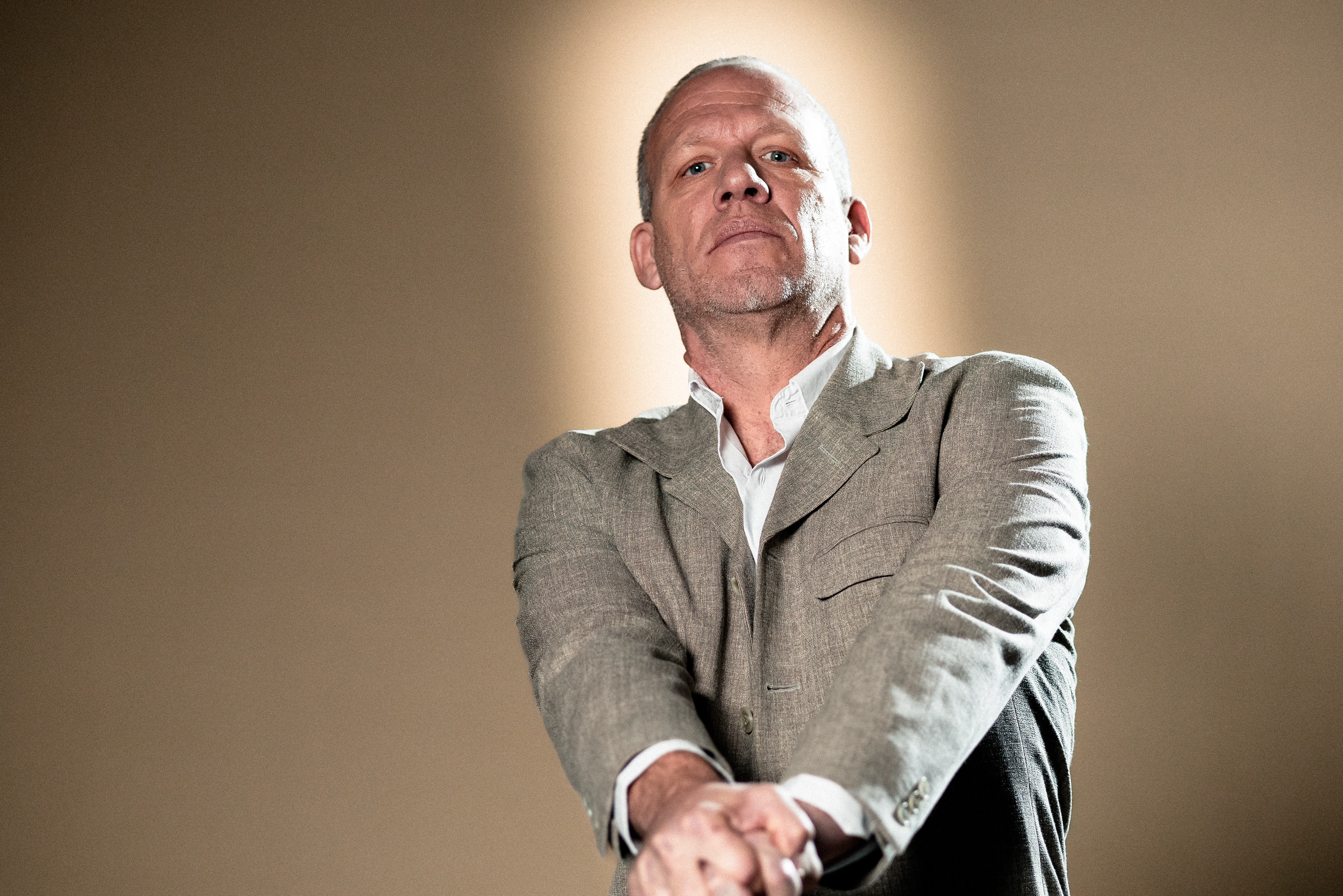 Avishai Cohen Interview Image by Springbok
“I often do not revisit music I’ve written and recorded – I like to keep moving forward.“
Video
