Published
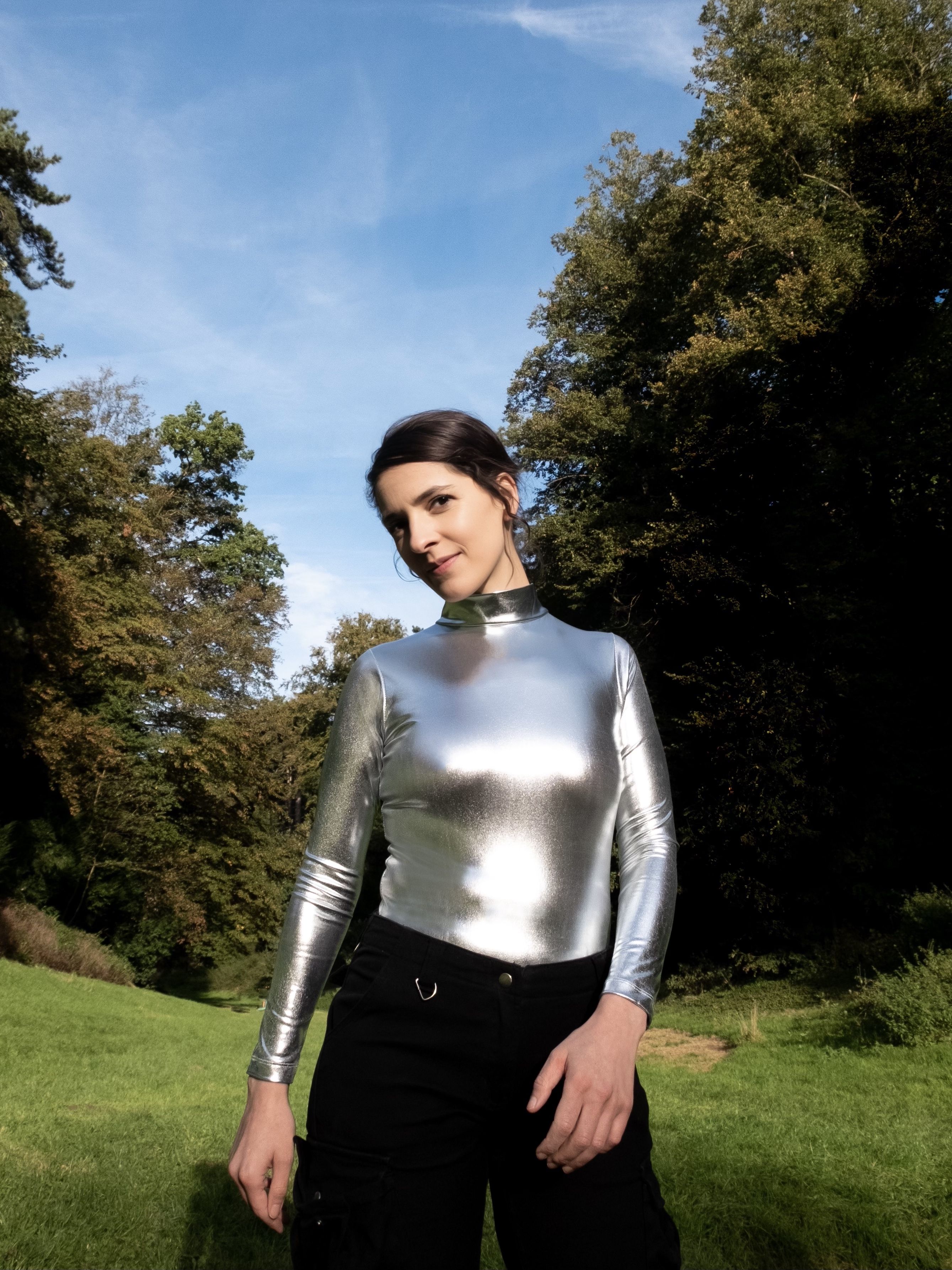
Name: Azo
Nationality: French-Brazilian
Occupation: Producer, keyboardist, DJ, sound engineer
Current release: Azo has two new releases out: The Aries Constellation EP via Rekids Special Projects as well as the Echoes of Infinity EP on Manual Smiles.
Recommendations:
Galaxy 2 Galaxy a High tech Jazz Compilation: My favourite album of all time is on the Underground Resistance label. I saw their last live performance at Mutek San Francisco, it was the best concert of my life.
Galaxy 2 Galaxy is the Underground Resistance live project that blends Detroit techno with jazz and house, played by real musicians. It was created to prove that techno isn’t cold machine music, but a raw, soulful and human language. (Listen here)
Antoine Bourachot - Soundtrack of a Space Expedition: I’m a big fan of this artist and love so much his work this album is space inspired and mixing disco jazz, he’s a great master of production. Antoine Bourachot’s Soundtrack of a Space Expedition feels like a retro-futurist space odyssey, somewhere between sci-fi mystique and cosmic melancholy. It plays like a cinematic score for an imaginary mission rather than a regular track. (Listen here)
If you enjoyed this Azo interview and would like to keep up to date with her music, visit her official homepage. She is also on Instagram, Soundcloud, bandcamp, and Facebook.
Do you think that some of your earliest musical experiences planted a seed for your interest in DJing? How and when did you start DJing?
I’m half French, half Brazilian, I grew up surrounded by classical music, jazz and MPB. On top of that, my parents were really focused on making me learn classical music.
It was only around 11 that I started listening to the radio and discovered a whole new world with Eurodance. I instantly knew I wanted a career in electronic music.
I had to wait until I was 18 because my parents told me I could make my own choices at that age. I worked a student job and bought my first turntable from a rapper. One of them still has the Louis Vuitton slipmat.
Today, DJs are rarely just DJs. Very often, they can be producers who are also DJs or DJs who are also producers. Where do you see yourself on this spectrum and what kind of potential issues and cross-pollinations does this create?
I like both, they just have different vibes.
I really need to lock myself away for a while to produce, to be in the right place and the right mood, also I need some silence to recharge and stay creative. So it’s often easier to produce when I’m not touring.
I’m trying to make tracks that I would play in my sets. DJing regularly lets me see what kind of tracks people enjoy, and I can also test my productions during my sets. My DJ sets and the connection with the audience influence the way I create, by mixing different genres together.
I enjoy staying focused in the studio during the week and sharing my passion with the crowd during weekends. Also, sharing my productions and seeing people enjoy them is priceless. I love to compose closing tracks bringing nostalgic and hopeful vibes that people will remember after the party
What were some of the most important insights you gained from teachers/tutorials, other DJs, or personal experience? What does it mean to be a “better DJ?”
I learned a lot by myself through tutorials, advice from other DJs, and personal experience.
If I can give a few tips, I would say try to construct your mix like a story, with an intro and an outro and an evolution between. It was hard for me at first, but it’s important to have fun and enjoy the mix, being too stressed can sometimes kill the vibe with the crowd. Accept that there will be mistakes, in most cases, nobody notices.
The technique I use is really basic. I started by playing records, so the focus was mostly on keeping them beatmatched. I kept the same approach with CDJs, and it’s only in the past year that I’ve started using loops.
One key insight I’ve gained is that DJing is about connecting with the crowd and creating a story with your mix, rather than chasing technical perfection. For me, being a “better DJ” is about developing your own style, reading the room, and sharing a meaningful experience with the audience.
When digging, what are you looking for? Is the process all about taste for you, or is it about “going beyond taste?”
It’s definitely beyond taste for me.
I’m obsessed with YouTube, I can spend hours listening to playlists of old vinyl rips and reading the comments, which are always funny. I also Shazam a lot of mixes. I use SoundCloud extensively to find edits, bandcamp for new releases, and I spend a lot of time listening to promos as well.
I try not to listen too much to the kind of music I play in clubs, otherwise I get bored. I also find a lot of inspiration for producing in jazz, funk, MPB, and soul. So I’m not always listening to the same things and I can keep my passion intact.
I try not to go to record shops too often because I could end up buying the whole store, and it gets very expensive haha. But I still visit places like Crevette in Brussels, Sono Ventura, Docteur Vinyle, and other shops around the world.
On the basis of one of your most recent gigs, tell me about how the preparation- and decision making process works during a gig with regards to the inclusion of key records, the next transition and where you want the set to go?
It depends on the venue. For bigger gigs or festivals, I usually play tracks I’ve already played in clubs because you need to be efficient. In clubs, I tend to try more new stuff, more uptempo and underground tracks.
I make a playlist with the tempo gradually increasing. I can start a set with house and end it with drum and bass. I like to build intensity and surprise the crowd. I prepare a global playlist for the event, but I always choose the tracks during the set because it depends on what the DJ before (and after) is playing.
I also look a lot at the crowd to see if they’re into the set, and if not, I slowly switch genres to adapt to the vibe.
But there are a few tracks I play almost every time, like “Orbit Breaker” …
… or “Sunshine Ecstasy.” I know they work pretty much anywhere.
Do you engage with audiences/dancers - and how? Taking one of your online DJ mixes as an example, how does the experience and the way you deejay change when you subtract the audience?
I don’t engage much with the audience because I’m shy and mostly focused on the mix.
I’m trying now to share more of my joy and connect a bit, but it’s difficult haha. Still, I let myself be carried by the energy, and even if I don’t show it much, I enjoy watching people dance and appreciate the music, and I try to adapt to the vibe of the dancefloor.
I also enjoy radio sets, it’s more about telling a story without the necessity of making it dancefloor-ready or “efficient,” which is something I really appreciate. The camera can feel oppressive sometimes, but it’s part of the game, you have to live with the times.
Collaboration is a key part of almost every aspect of music making, but it is still rare in DJing. Tell me about your own views on back-to-back DJing, interactions with live musicians or other forms of turning DJing into a more collective process.
I wasn’t a big fan of back-to-back sets before because they felt too imperfect for me hehe. But I’ve changed a bit and started liking them.
The partner needs to be a good match. I enjoy playing with my friends like Vera Moro or Stanislava, it brings another dynamic. We tell each other jokes, challenge each other, and I’m starting to understand the vibe more. It’s also important for the audience, as it brings something new and unique to the set.
Apart from back-to-back sets, I don’t really have other forms of collaboration with live musicians. I prefer to collaborate with them for my live performances or productions. Usually, the tracks are already quite complete, and I find it a bit weird to play over an already mastered track haha, it’s my perfectionist streak.
Tinnitus and developing hyperacusis are very real risks for anyone working with sound. Do you take precautions in this regard and if you're suffering from these or similar issues – how do you cope with them?
Yes, I take this very seriously.
I think I’ve been lucky. I’ve had mild tinnitus since I was 20. I don’t even know how it started, maybe when I fell asleep on a subwoofer once. I was young and carefree back then. I used to go out all the time to raves and underground parties, and I played very loud. I even had episodes of hyperacusis, and it was hell for a year.
After that, I became extremely careful, the idea that I might not be able to keep DJing or producing really scared me. Now I’m cautious and I regularly wear custom-molded earplugs. Not all the time when I DJ, but I’m trying to get more and more used to it. I now also use in-ear monitors for live performances.
I think implementing sound limits and raising awareness is a positive step.