Published
Name: Azu Yeché
Nationality: British-Nigerian
Occupation: Singer, songwriter
Recent release: Azu Yeché's new single "Leave Me Now" is out via Farmhouse.
If you enjoyed this Azu Yeché interview and would like to stay up to date with his music and activities, visit his official homepage. He is also on Instagram, and Facebook.
Fashion and music are often closely related to one's identity. Can you please tell us a bit about your own sense of identity – and how it motivated you to take an artistic path?
I was born in Nigeria and moved to England at a young age. My identity is composed of these two cultures and they co exist (not always in harmony) and make up who I am.
I was brought up listening to gospel and African music and these elements have shaped my music – the joyful uplift of both despite the origin of pain and the rawness in the expression has always appealed to me.
Moving out of Nigeria after my brother was involved in a stabbing was a monumental shift in my lift and music provided a solace for me.
In which way do you feel your identity concretely influences your creativity?
All the experiences I’ve had and the influences have definitely in one way or another manifested in my music and fashion.
Describe your personal style, please, and how your choice of fashion allows you to express it. Which fashion brands or style icons do you personally find inspiring - and why?
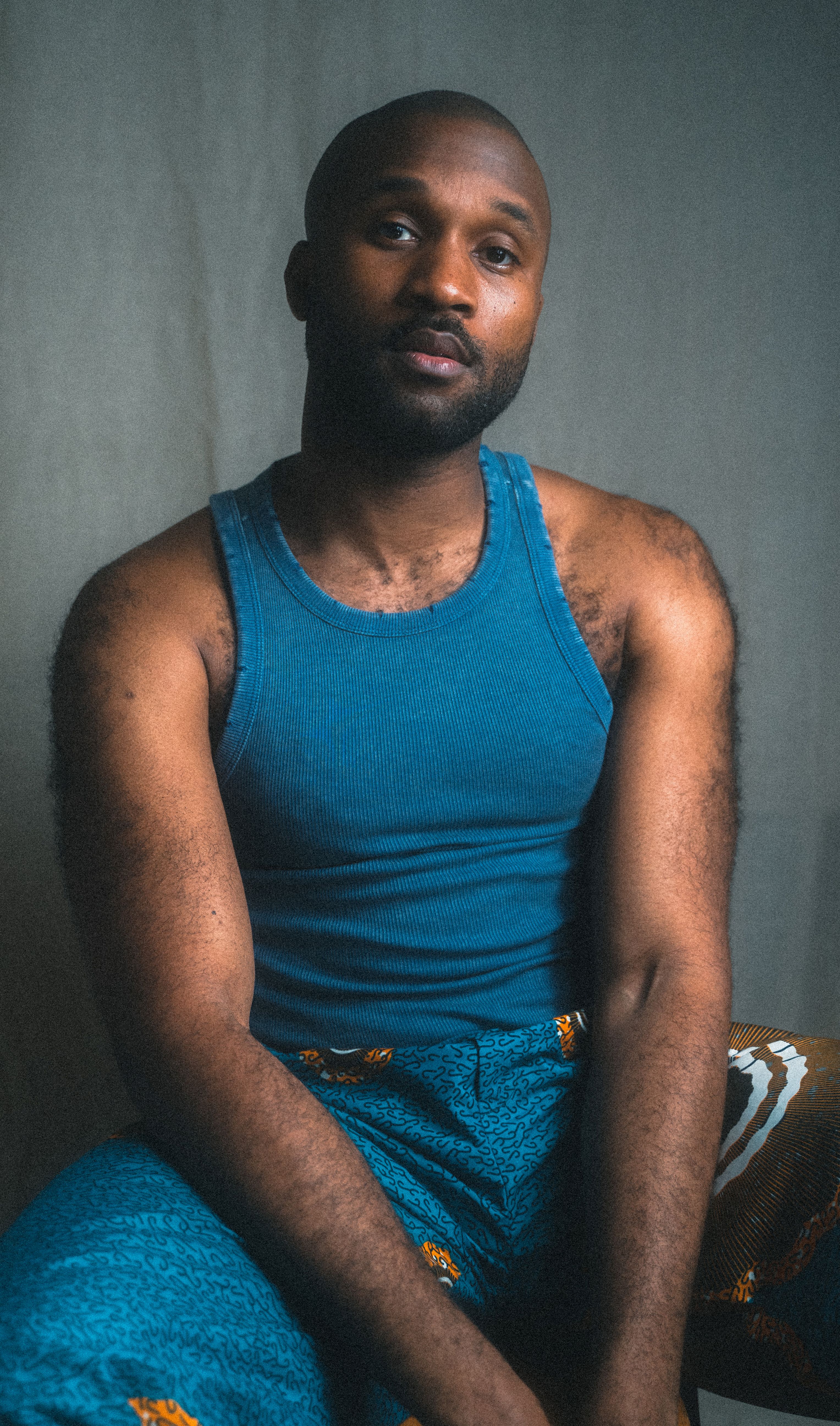
I wear a lot of custom clothes. In Nigeria, it is totally normal to do that – you buy fabric, go to the tailor and get it custom made.
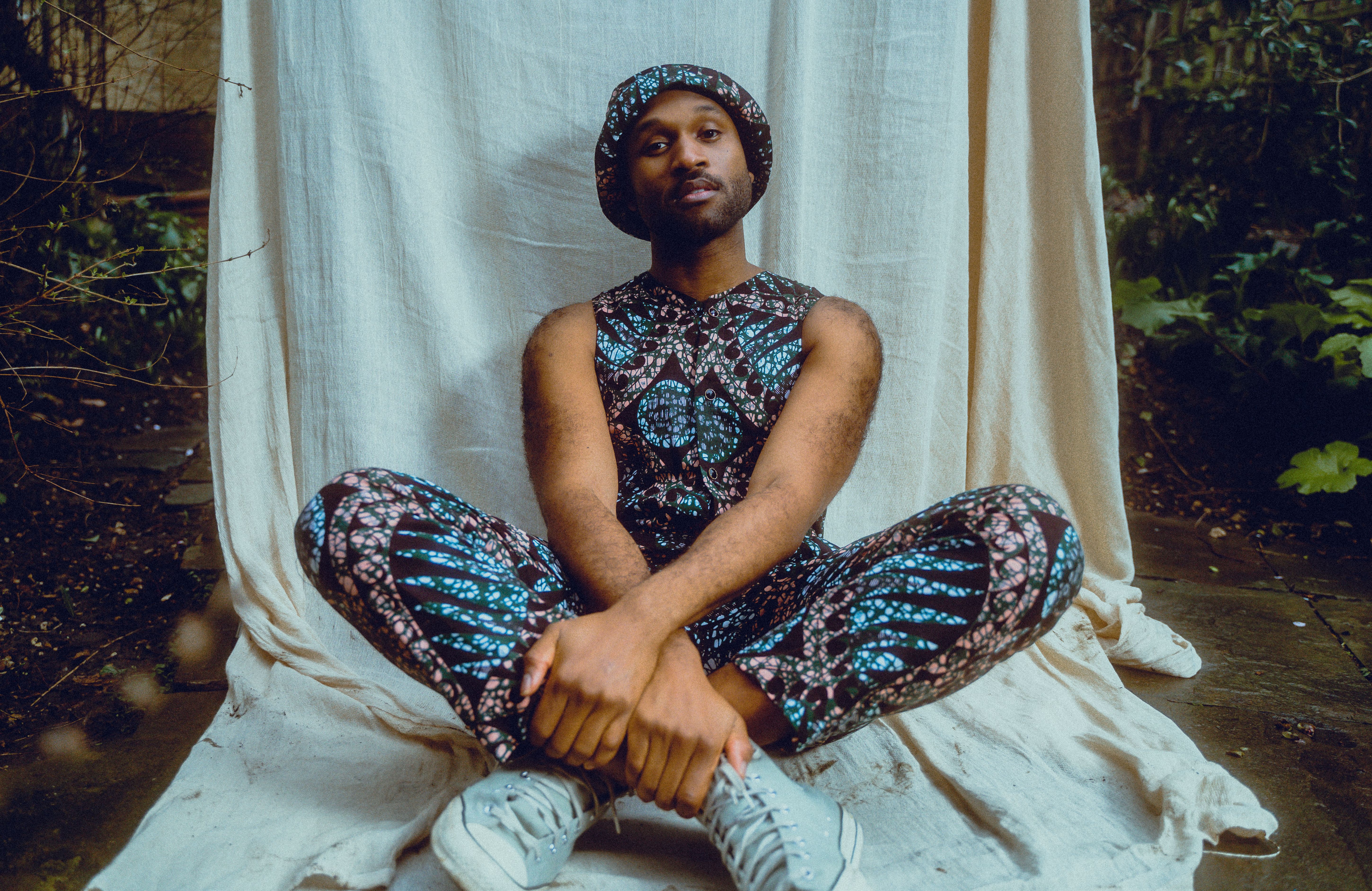
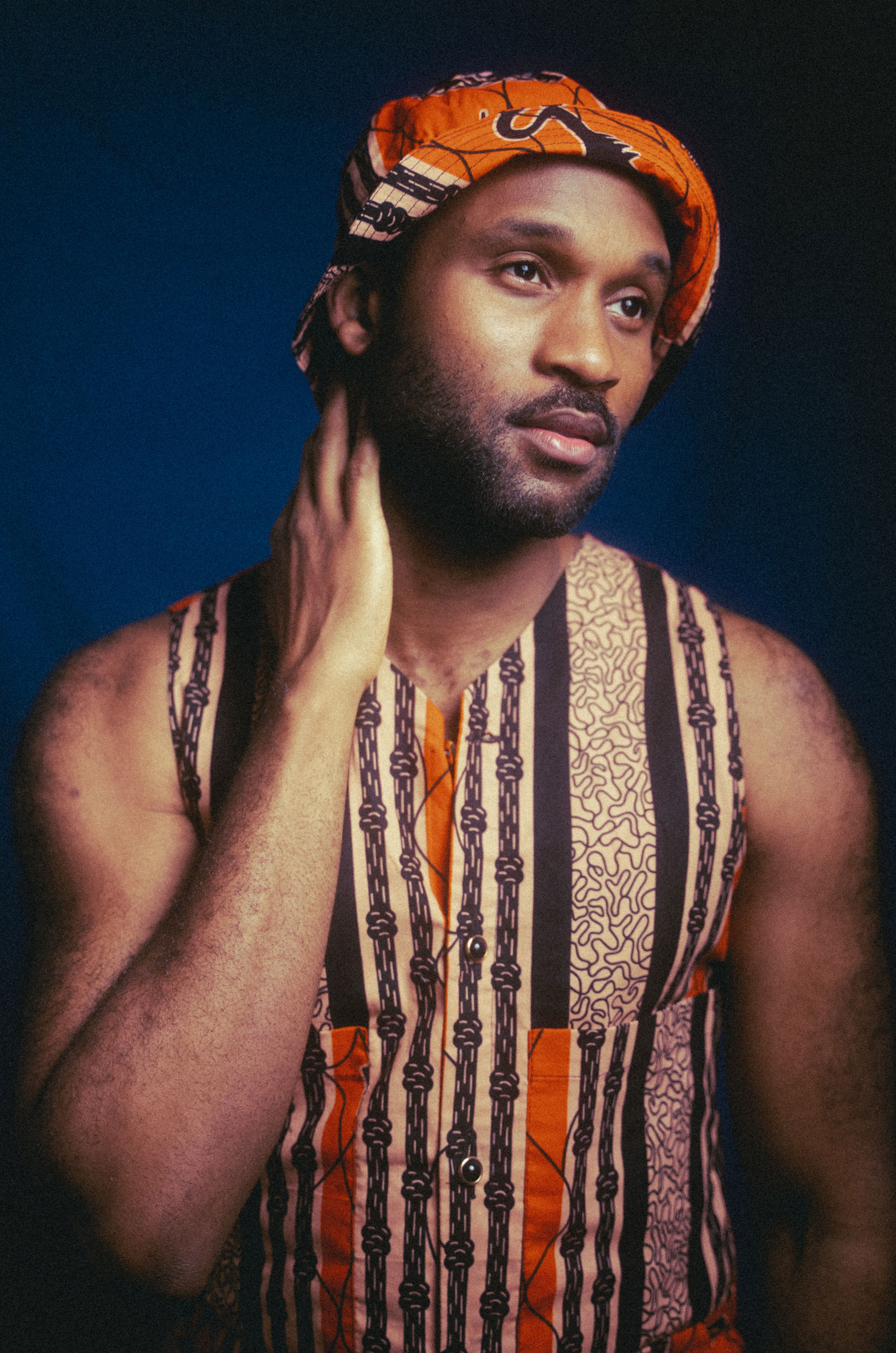
My style is, once again, a fusion of my British and Nigerian background. I make western style clothing like jumpsuits, suits, dungarees and shirts with African fabric. African fabric is really bold, layered, detailed and vibrant and I love it.
I’m usually into brands for their accessories like Tommy Hilfiger – so things like bags, sunglasses etc. In terms of clothes, I spend more time making my own as opposed to looking at designers.
Fashion can embody ideals that extend far beyond aesthetics, reaching into ecology, politics and social issues. Does this apply to you as well, and if so, in which way?
Absolutely. Me incorporating African fabric is more than the aesthetic, it is pride for my country of origin, it is celebrating the uniqueness and vibrancy of Africa and it is also moving it in a different direction. By making western contemporary styles with African fabric, I feel like it’s inclusive.
Historically in the fashion world, African fabric has not always had a solid place on a global scale and it should because it is awesome. So I’m also making a statement that African fabric can be cool, adventurous and individual.
What was the relationship between music and fashion for you like personally? When was the first time that you became aware of the connection between fashion and music?
I was always aware of the connection as a creative person. Fashion says a lot and can sometimes speak even louder than the music on impact. It gives people a visual story of the artist and I felt it was connected.
Even growing up in church, it was clear that the fashion was meant to be wholesome and not have a sexual energy (women were meant to cover their heads all the time , not wear anything above the knee etc). The choir wore these colourful robes which brought a sense of unity and vibrancy to the visual for the congregation. So I clocked that it was connected from a young age.
As I grew older, I saw on TV that hip hop artists dressed a certain way and so did R&B or rock singers. It became apparent that fashion was as bold a statement as the music.
What do fashion and design add to your perception of music?
They add a narrative that either compliments or contradicts the music, elevates or even distract from it too – it's powerful.
Fashion can project an image, just like music can. As such, it is part of the storytelling process. What kinds of stories are being told, would you say?
Fashion tells stories. The use of colours can really suggest or contradicts things. Styles,cuts and how they fit the body can also tell all sorts of stories.
What can fashion express what music can not?
I think they can express the same things just in different ways.
Firstly, fashion is visual and music is audio. So they can both be impactful in different ways but really powerful.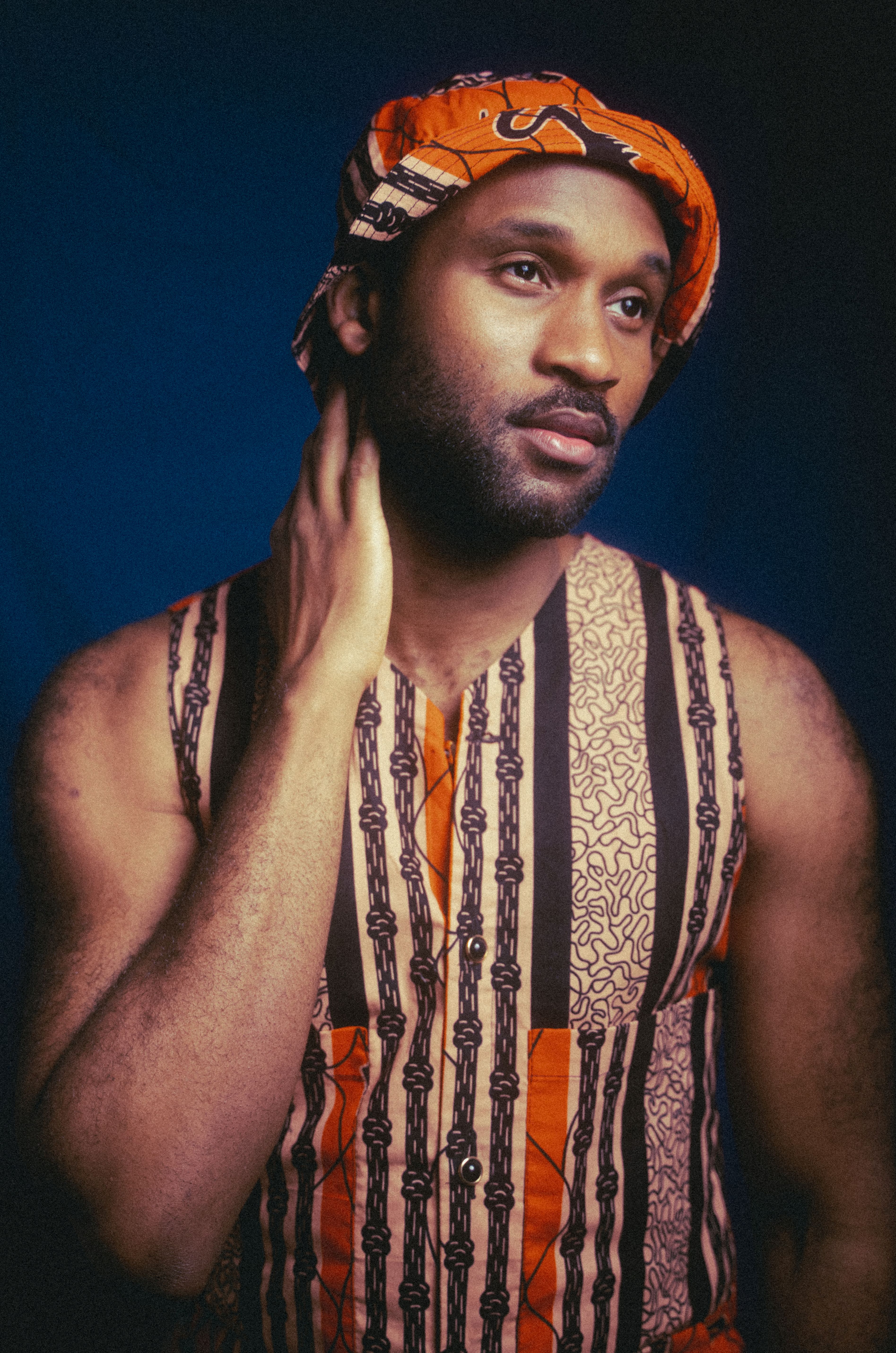
Azu Yeché Interview Image (c) the artist
It seems obvious that fashion and music are closely linked, but just how that influence works hasn't always been clear. Would you say that music leads fashion? Is it the other way round? Or are they inseparable in some ways?
I think it depends on the situation. Fashion can lead music if the focus and statement is the fashion. For example on a runway, the fashion is leading the music – the music is a backdrop.
Music can also lead fashion if the music is the focus and then in that case the fashion supports the story the music is trying to tell. So I think they both work hand in hand.
Fashion and music can be expressions or celebration of identity, but they can also be an effort to establish new ones or break free from them. How would you describe your own approach in this regard?
I certainly celebrate my identity via fashion and music and there’s much that can be taken from it before you even hear me sing a note. My fashion is a fusion of both cultures and that sometimes leads me into making clothing that's not the norm in either culture.
For example a male African jumpsuit is not what you see everyday on the streets of Lagos or London. But I wear them, firstly, because I love them but also to show people that you can make interesting and creative things by fusing ideas and norms.
My music speaks for itself – a song like ‘Be That Guy’ is a perfect example of me breaking free from whatever society expects of me as a person of colour. The first line is ‘Don’t tell me what I can’t be, don’t bring to me your limits’.
Does what you wear change your personality – and thus the music you create or the way you perform?
No. The personality is there, the music is there. What I wear supports it.
Azu Yeché Interview Image (c) the artist
Creativity can reach many different corners of our lives. Do you personally feel as though designing a fashion item or even putting together a great outfit for yourself is inherently different from something like composing a piece of music?
Not necessarily, it’s all creativity. Making something new with what you have. Piecing it together to fit your body and mood.
Of course the skills required are different but ultimately it is still about creating something.
Are you currently active in the fashion industry? If so, tell me about your experiences, please.
I won’t say I'm active in the fashion industry. I mostly make my own stuff and then make some merch and sell it to my fans.
Fashion extends to the artwork of releases and promotional photography as well. Could you talk about your approach in this regard and what some considerations were for some of your most recent cover designs and images?
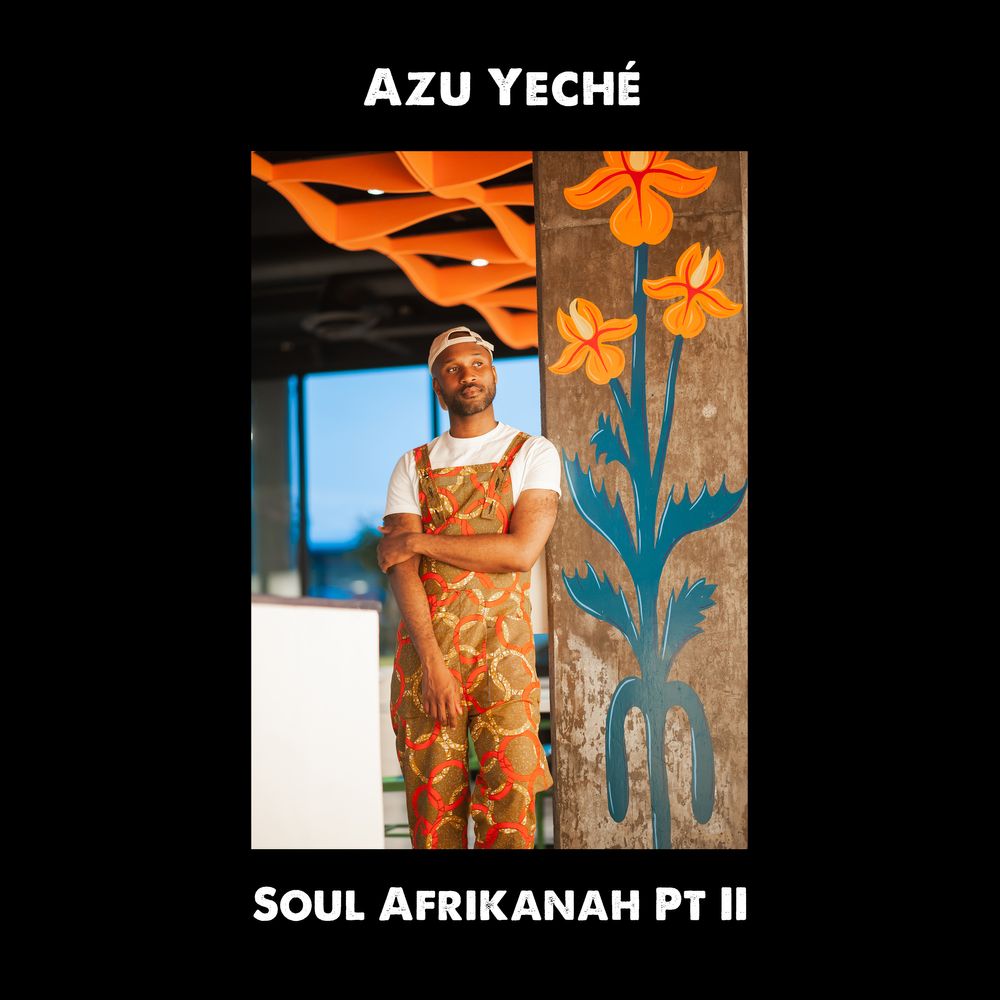
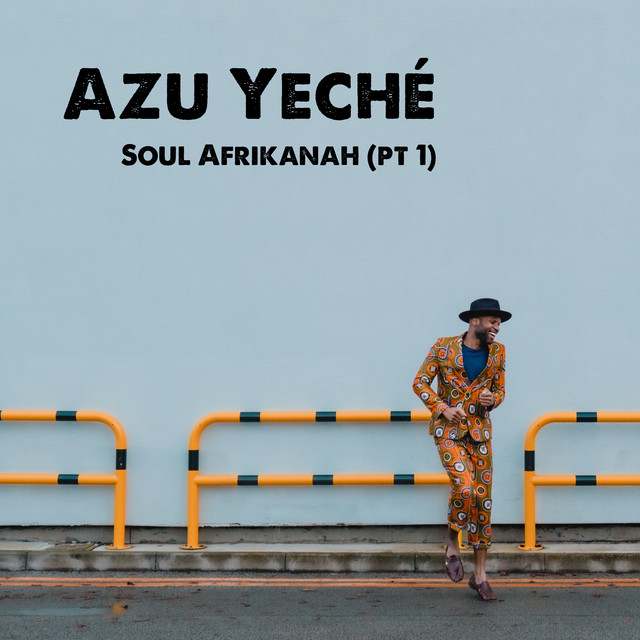
My last EP (released in 2023) is called Soul Afrikanah and it was released in two parts. Part 1 was very formal visually – I wore African suits with fedoras and other types of hats. 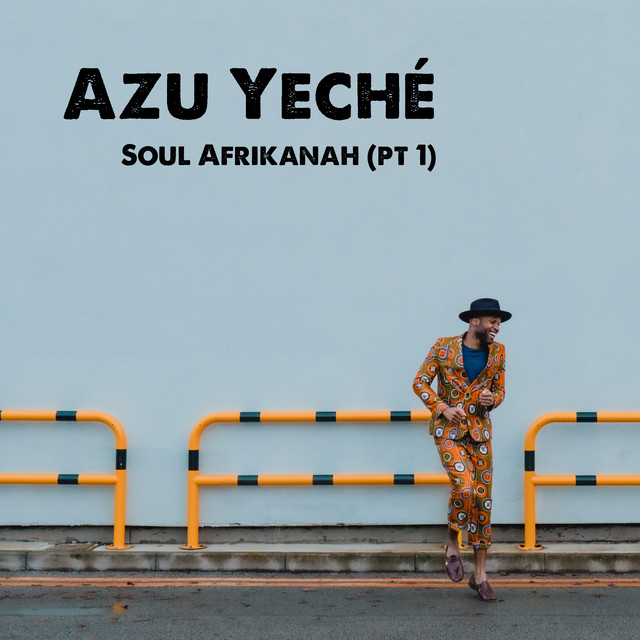
Part 2 was more relaxed as I wore dungarees. Now, I'm in my jumpsuit era.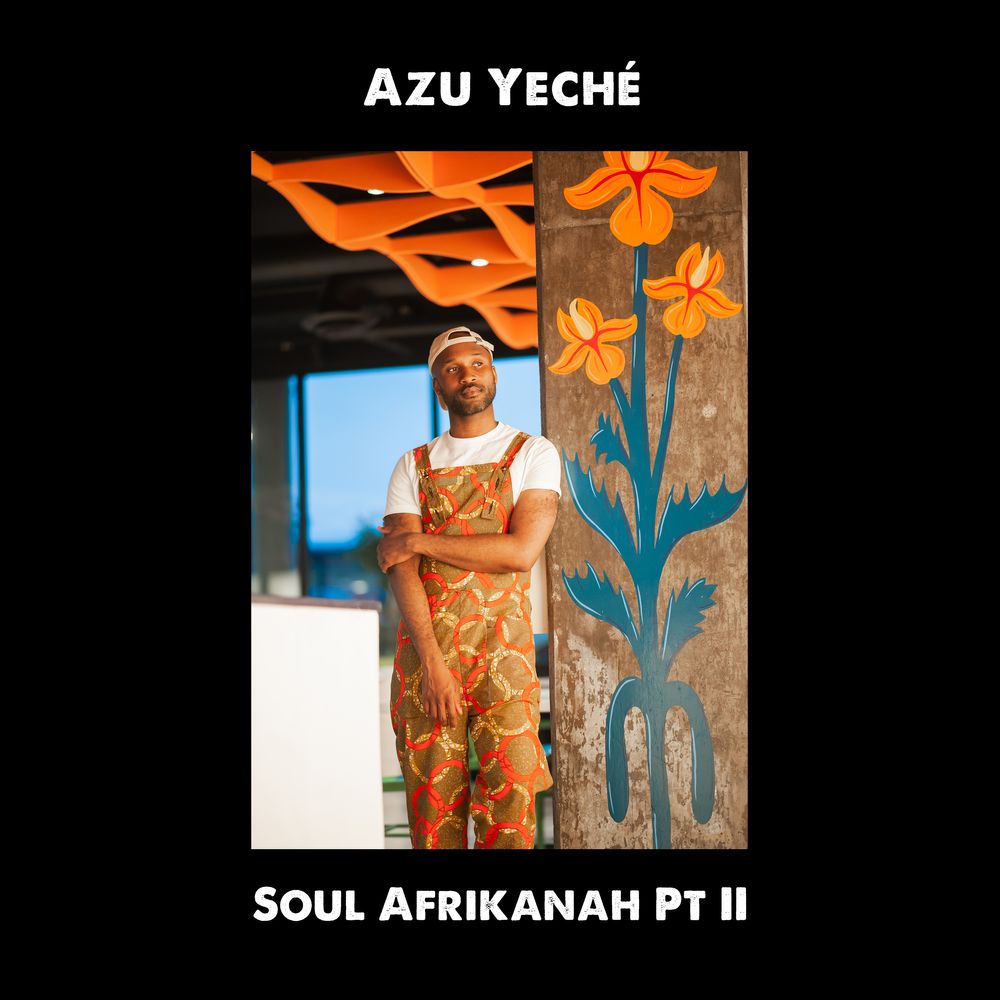
It’s always been very important for me to wear my own clothes and have my African background somewhere in the mix
There is a fine line between cultural exchange and appropriation. This true both for music and fashion. What are your thoughts on the limits of copying, using cultural signs and symbols and the cultural/social/gender specificity of art?
That’s a complex question and what I can say in a nutshell is that people should do things that are true and authentic to themselves. People should also be able to read the room and have information about the history of certain things and cultures.
I think the appropriation is usually a bigger issue when the originators of something are rejected or not recognised but then an ‘outsider’ does it (usually a watered down version) and it blows up.
So as I said, sensitivity and awareness are key.