Published
Name: Bandler Ching
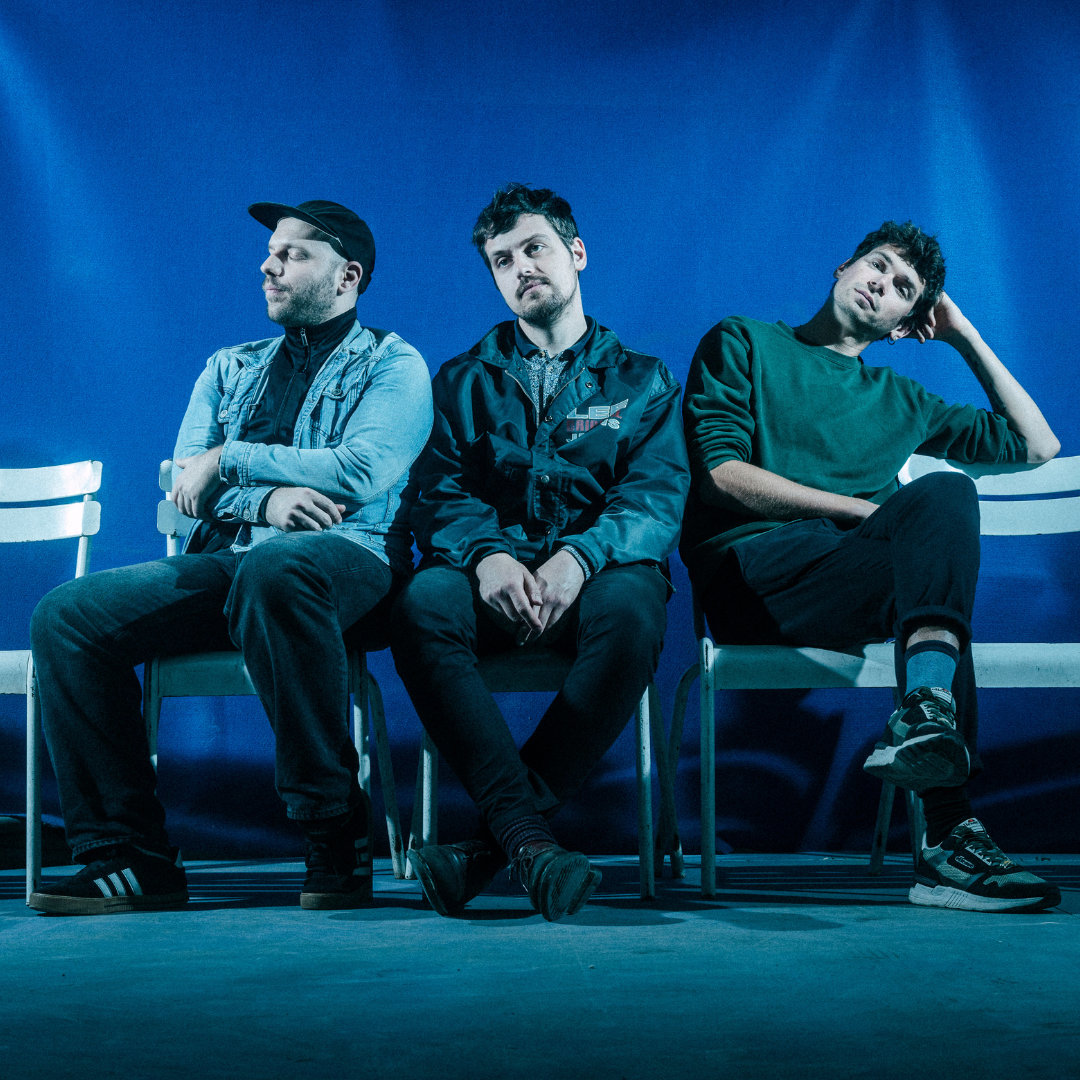
Members: Ambroos De Schepper (saxophone), Federico Pecoraro (bass), Olivier Penu (drums)
Interviewee: Ambroos De Schepper
Nationality: Belgian
Current release: Bandler Ching's latest, sophomore album Mercurial is out via SDBAN Ultra.
Shoutouts: Volta!
If you enjoyed this Bandler Ching interview and would like to stay up to date with the band and their music, visit them on Instagram, and Facebook.
Federico Pecoraro also plays in ECHT! For a deeper dive, read our ECHT! Interview.
What does the term jazz mean today, would you say?
Jazz today seems to be used in any kind of context when the genre is hard to describe. Therefore, I’d say it embodies way more the way something is played or made up, rather than what it is.
It often is connected with ideas like freedom, improvisation, expression.
Where do most of your inspirations to create come from – rather from internal impulses or external ones? Which current social / political / ecological or other developments make you feel like you need to respond as an artist?
Inspiration comes from dreams, fantasies, human connections, nature.
I personally don’t get inspired by the current developments in the world. Worry is not something that triggers my creativity.
However,I do see how music, more than ever, connects and gives hope that we can use to liberate ourselves from the pressure of social structures.
Tell me a bit about the sounds & creative directions, artists & communities, as well as the colleagues & creative hotspots of your current hometown, please. How do they influence your music?
Lots of bands find themselves working at Volta, a center for music in Brussels. This place has had a big influence on how we interact between musicians and bands, how we get inspired by each other, etc …
We all rehearse next to each other, bands like ECHT!, Julie Rains, Tukan are all present there.
[Read our Tukan interview]
Brussels always has been known for its innovation in music, more specific in jazz and electro.
People like Lander Gyselinck have pushed those limits and have led new generations into this blend of jazz, electro, with a deeper knowledge of dance music.
What role do electronic tools and instruments play for your creative process?
Effects give my playing a whole other dimension. To me, the power of transforming your acoustic sound into many different textures is very strong. It gives you more tools to connect with different musical situations.
We often connect the sound of an instrument with certain musical contexts. That makes it sometimes hard as, for example, a saxophone player to not fall into some kind of stereotype when playing a certain genre.
Those effects create for me new identities and give me the chance to join grooves without having to necessarily take a soloist function.
Jazz has always had an interesting relationship between honouring its roots and exploring the unknown. What does the balance between these two poles look like in your music?
With Bandler Ching, we started out as a quartet and followed the usual ideas of what each member was to do in the band: The bass player takes care of the basslines, drums of the groove, etc.
We still honour that now, even as a trio, but we tend to shift those functions and give chords to the bass, melody to the drums and percussive elements to the sax. Thanks to our effects and specific set-ups, we can play with the elements and pass them through.
For us, this kind of mirrors the idea of the traditional jazz formations and the “new” way of approaching jazz.
For many artists, life-changing musical experiences take place live. How do you see that yourself?
The live experience is for me by far the most precious one. It’s the main reason I play music.
There’s a whole other level of experience when you share your music for people who are willing to receive it. I sometimes think that, because the audience receives your music from a fresh point of view, I try the empathise with them and this gives me a new look on the music we’re playing.
After working a long time on music, creating an album, focusing on details, you sometimes long for a whole new, fresh look on your music. The live experience helps with that.
Ímprovisation is obviously an essential element of jazz, but I would assume that just like composition, it is transforming. How do you feel has the role of improvisation changed in jazz?
I don’t think improvisation has changed in jazz. Just like language through time changes, so does the language of music and the tools we use to improvise. But we’re still speaking the language and freedom of musical expression is still as present as ever.
I often use improvisation to compose, to extract ideas, to search musically for the finest inner ideas. But in the live concept of this blend of electro, jazz, groove based music, impro tends to be taking a more inferior spot.
What, would you say, are the key ideas behind your approach to improvisation?
Of course a certain technical skillset is required to feel comfortable, but once that’s set, it’s mainly all about clearing the head and enjoying the ride. Finding a direct connection with your imagination and wanting to push that out and having fun with it.
I love to play things I never played before, especially when they’re a reaction to another musical element. To me it’s just all about fun, listening and reacting. I sometimes find similar aspects to acting, when improvising.
The Montreux Festival intends to preserve its archive of recordings for future generations. Do you personally feels it's important that everything should remain available forever - or is there something to be said for letting beautiful moments pass and linger in the memories of those that experienced them?
I think these things should be preserved at all costs. They inspire and educate future generations.
I also think that the more we’ll look back at those times when the “greats” were alive, the more we’ll realise they were part of something very strong. A time before the Internet, before academic music education, before screens, tutorials. They were owning their music so strongly, I can only be in awe of that.
Today however, I think it’s important to put focus on experiencing beautiful moments without having to capture it on screen. The smartphone has changed so much the way we perceive the world today and so also the way we experience music.
Sometimes there’s nothing better then being part of a amazing concert with not one screen in sight and only our collective memory to keep that moment alive in the future.