Published
Name: Barbara Hannigan
Nationality: Canadian
Occupation: Singer, conductor
Current release: Barbara Hannigan is about to embark a 10-city US & Canada recital tour with French pianist Bertrand Chamayou, performing "mystical, spiritual and sensual" repertoire by Messiaen, Scriabin and John Zorn. For more information about dates and tickets, visit her homepage.
Her new album Electric Fields is scheduled for release on Alpha May 9th 2025.
If you enjoyed this Barbara Hannigan interview and would like to stay up to date with her work, visit her official homepage. She is also on Instagram, and Facebook.
For a deeper dive, read the thoughts of one of her collaborators in our Massimo Pupillo interview.
Do you think that some of your earliest musical experiences planted a seed for your interest in your voice and singing? How and when did you start singing?
Certainly! I often say that music was my first language, and my mother kept cassette recordings of me, my twin brother and my sister singing together before we could speak.
My mother always sang with us as children and, living in the country, we spent a lot of time in the car to get anywhere, so singing in the car, in harmony, was normal, whether it was singing along to John Denver or Jim Croce, Billy Joel or Pavarotti tapes …
I sang in choirs all through my childhood, while studying piano as well, and spent my summers at various music camps.
Singing is an integral part of all cultures, and traditions. Which of these do you draw from – and why?
I love singing for all reasons. Sometimes the songs are functional, as many traditional songs were, to send a message from A to B, to establish a working rhythm, to accompany actions of some kind of ritual or ceremony. Other times they are of course performative, as we have in recital repertoire or opera.
But any repertoire that I choose to sing, that I can truly connect with, has to have a reason to exist, whatever story it needs to tell, emotion it needs to express, hearts it needs to open …
Even a song like "Youkali", which has a dance-like feel and is certainly entertaining, expresses the wish, the desire for being truly loved.
What were some of the main challenges in your development as a singer/vocalist? Which practices, exercises, or experiences were most helpful in reaching your goals – were there also “harmful” ones?
One simply must sing with the entire system. The whole body must support the emission of sound and when I say the whole body I also mean the emotional part of our body.
Singing on tired muscles can be damaging. It can also be emotionally healing. I have noticed that the practise and discipline of singing has brought me through a few difficult times.
I think for me the big challenges were getting my mental discipline to carry me through the pressure of performance. A lot of the repertoire I have done has been really virtuosic and one needs "nerves of steel" for some of the pieces I've sung!
Probably the most famous examples of this would be my performance of Ligeti's "Mysteries of the Macabre", with that Youtube performance in London that went viral.
How do you see the relationship between harmony, rhythm and melody? Do you feel that honing your sense of rhythm and groove has an effect on your singing skills?
Most certainly! Rhythm first! Once the vertical (rhythm) is lined up, then we can address the horizontal lyricism and the diagonal lines within the music. I think everything needs to exist together, but the rhythmic grounding is an absolute necessity.
I did a lot of work in my younger days to make sure I had a solid sense of space and time, including being in drumming ensembles during university, and it was very special for me that I got to work quite a few times with various percussion ensembles including Nexus. Having a strong sense of rhythm and harmony builds confidence for any musician but especially for singers, where the "instrument" is more hidden. I think a high level of musicianship frees us so that the voice can really take risks and soar.
If we are unstable in our musicianship or technique, then it will always be a distraction and affect our confidence. I think of all the performances I have given with the Berlin Philharmonic Orchestra which are "out there" on their Digital Concert Hall. Now, I never imagined as a kid that I'd ever sing time and again with that orchestra, but once the first opportunity came, I had to decide to step up to the plate!
What are the things you hear in a voice when listening to a vocalist? What moves you in the voices of other singers?
Its a very personal thing, to sing. One can hear various levels of freedom and authenticity in the way a person sings, and we can also hear when a voice is being held or gripped. When something is being hidden.
This is also apparent in the speaking voice, of course. I feel joy in helping another singer or any kind of musician, really, find a flow in their sound. It can be a small breakthrough or a big opening into a new and resonant space.
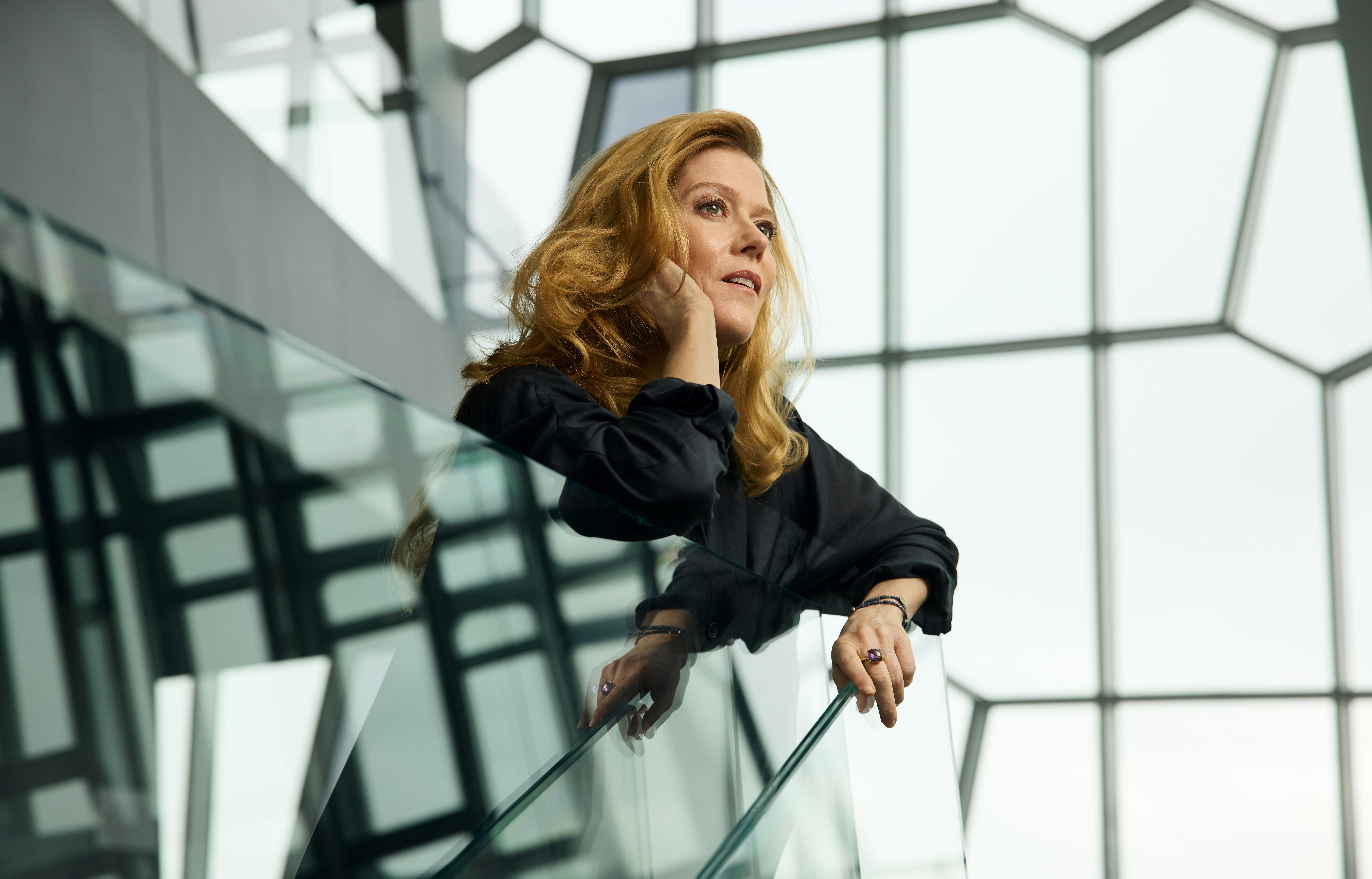
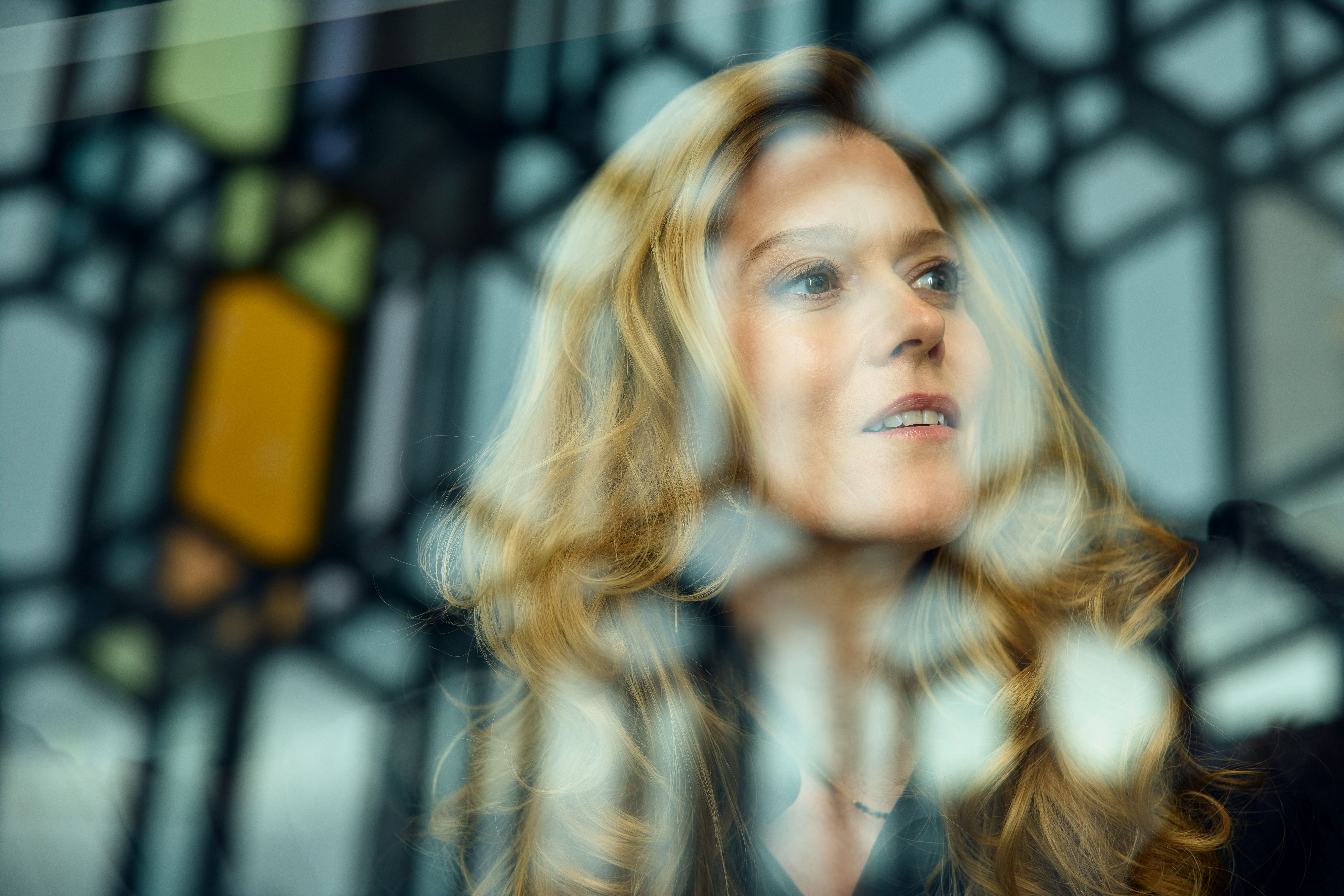
Barbara Hannigan Interview Image by Ari Magg
How would you describe the physical sensation of singing? [Where do you feel the voice, do you have a visual sensation/representation, is there a sense of release or tension etc …]
Wow you're getting really technical!
Well, first of all I will say, that singing does not come from the throat. There are two tiny vocal cords that vibrate there, but they are the result of the support system of the entire body: the breath,the expansion and poise in the body, the placement and every-changing equilibrium of all the moving parts which serve the sound and the delivery of the text. And, of course the soul!
There is no separation for me, when I am working, between the technical aspects and the dramatic and emotional aspects of singing. It is one "method". Singing comes from the desire to sing. And that desire, that passion has to come from a soulful place.
What kind of musical settings and situations do you think are ideal for your own voice?
You mean what kind of concert halls? Well, I don't really think in ideal terms because very often I cannot control it.
I may sing in the most beautiful opera theater of Italy which feels a little dry, acoustically. Or in an 17th century stone church where my voice seems to spin from itself. Or in my Dad's living-room in Pugwash, Nova Scotia, for him and his friends. All are ideal.
But of course, when I am singing music by Messiaen, like I have on the upcoming tour, a resonant acoustic feels very necessary to help the music soar. I think this is what Messiaen imagined when he wrote it, as the music has a very spiritual quality which emerged from his strong connection to Catholicism.
We have a speaking voice and a singing voice. Do these feel like they are natural extensions of each other, ends on a spectrum or different in kind?
Absolutely. I think both express who we are, although sometimes singers are not great at speaking (in a theatrical way) because we (sopranos) often sing quite a lot higher than our speaking register, and can get caught up in "protecting" the "singing" instrument.
My perception of this has changed over the years, and I am less uptight about how I use my speaking voice. As long as I speak with intention, then I am carrying my voice in a healthy and authentic way.
Some of the crazy things I do with my voice have been uncovered or discovered by composers … they asked for me to do something which at first I felt was impossible (like some of those endlessly long phrases near the beginning of John Zorn's piece, "Jumalattaret" on our first album, Hannigan Sings Zorn), and through these composers, I found new possibilities.
From whispers to screams, from different colours to dynamics, what are the potentials and limits of your voice? How much of your vocal performance can and do you want to control?
If I control my performance, it will not be free nor will it be in a flow. I have to surrender at some point, but that point comes after a lot (!!) of preparation and work.
My range is larger than it is in my head, I can tell you that. I have found myself reaching lower and higher notes than I "intellectually" possess, when I am in a flow state and this also involves adrenaline: something that I cannot and should not use all the time. It is for performance, not for rehearsal. I have a great faith in my adrenaline to help me when I need it.
That's not to say every performance is a peak one, but I have to also appreciate that I am human, with flaws, with some better days than others, and when I accept that concept and don't fight with it, I usually get much closer to "peak" than if I am in a constant state of "judging".
Strain is a particularly serious issue for many vocalists. How do you take care of your voice? Are the recipes or techniques to get a damaged voice back in shape?
I study a lot without singing out loud. I think and feel the music. This is a kind of silent practise. I learn my music without my voice, and then I work what I have learned, into my voice.
This is one way to take care of my instrument, by using visualization as a tool. I try to get the sleep and rest I need. I try to feed my body healthy food that I have prepared myself. This is not always possible when I'm on tour but thankfully, takeaway food that is available nowadays is much more healthy than 25 years ago when I first started travelling around the world.
Vocal fatigue usually comes from a combination of factors: dry air like we experience on airplanes, lack of sleep, lack of hydration, and over-singing on a tired voice and body. The muscles (around the breathing muscles, throat, neck, etc) react and can contract, which gives us so much less room to sing and flow. We over-compensate and create a cycle of fatigue and compromised technique.
So one should deal with each of those issues and gradually bring the voice back to its natural and healthy state. Easier said than done!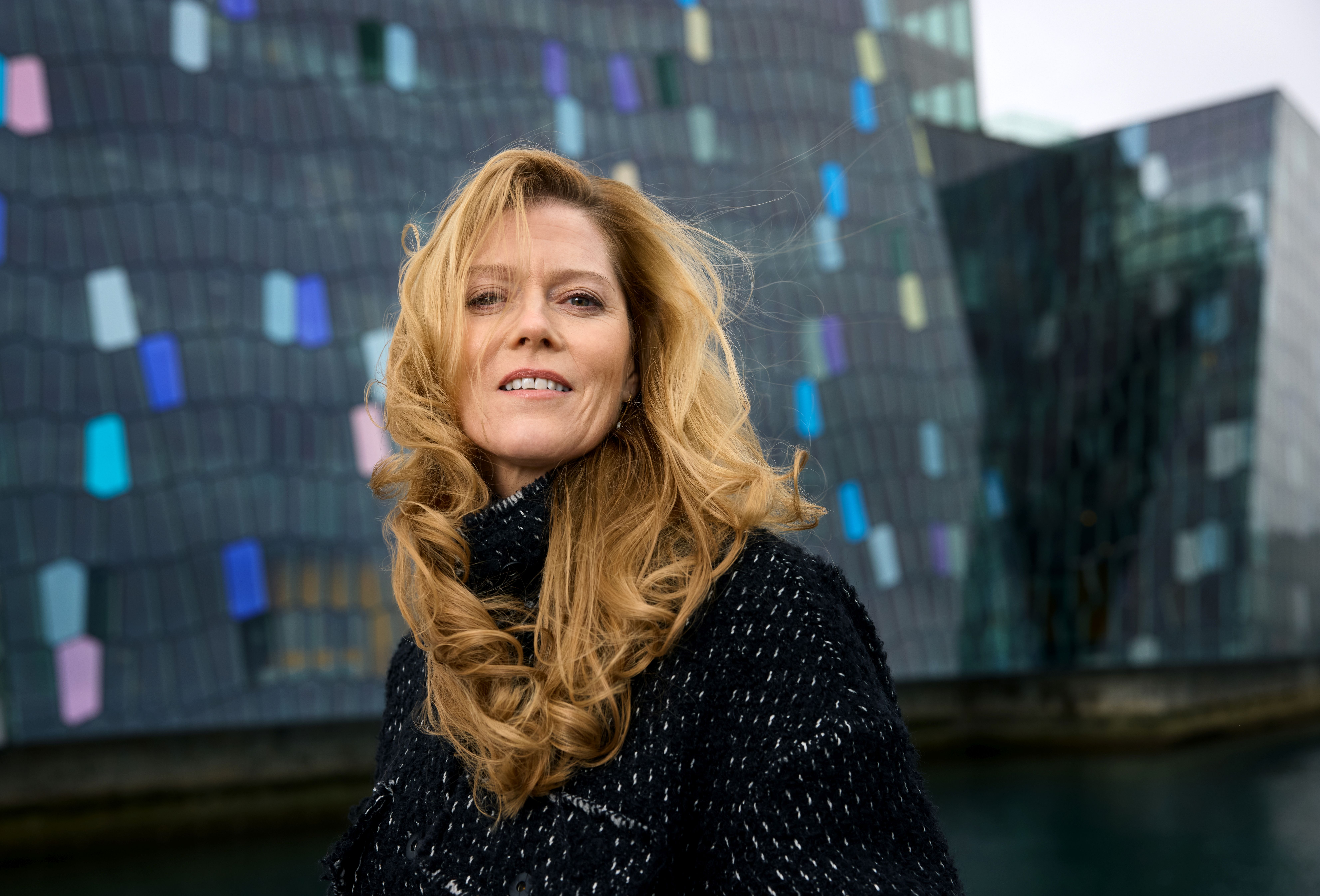
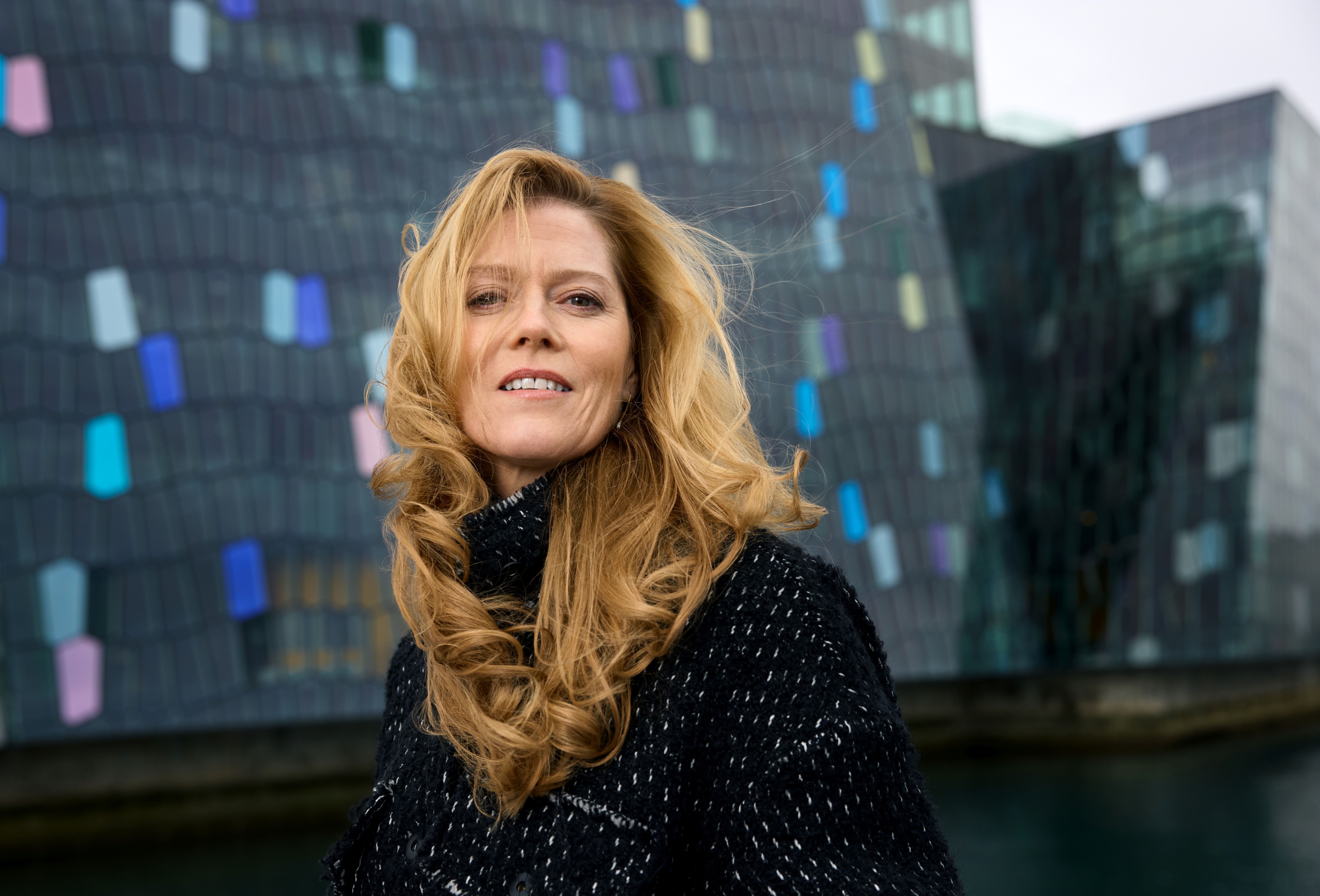
Barbara Hannigan Interview Image by Ari Magg
How has technology, such as autotune or effect processing, impacted singing? Has it been a concrete influence on your own approach?
As an operatically trained singer, we don't have autotune. Alas! Most of the time we don't even have microphones! Our sound, unamplified, has to carry over an entire orchestra of 75+ instruments!
But sometimes I do perform with jazz musicians or with some cool live electronics, and then I do use a mic and its a totally different experience and, also very fun!!!
For recording engineers, the human voice remains a tricky element to capture. What, from your perspective, makes voices sound great on record and in a live setting?
I have been working with the same Dutch recording engineer, Guido Tichelman, for 25+ years. He knows my voice, what mics to use for recordings, where to place them, and he knows when we really got the best of me, or not. He is honest, and together, we can record my authentic sound.
I think it is this authenticity which makes voices sound really great. It doesn't matter how good the mics are if the basic vocal sound is not there.
Singing is possibly the earliest form of musical expression, and culture in general. How connected is the human voice to your own sense of wellbeing, your creativity, and society as a whole?
How connected? It is everything!