Published
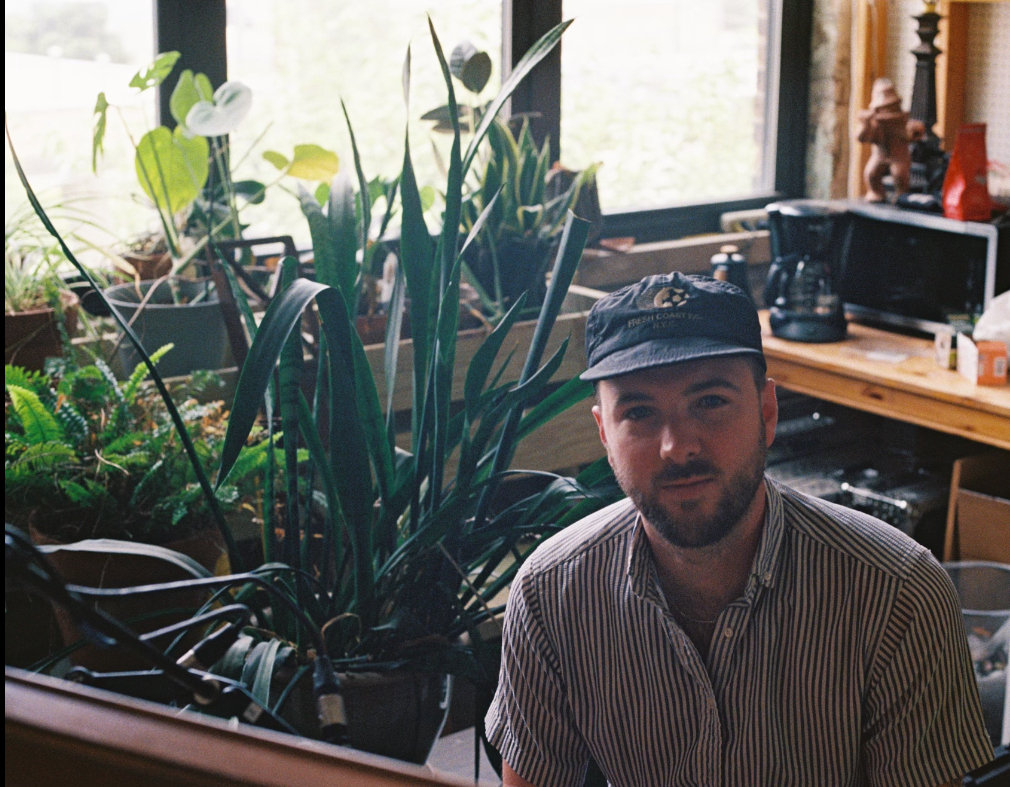
Name: James Weir aka Blue Earth Sound
Nationality: American
Occupation: Producer, composer, multi-instrumentalist
Recent release: Blue Earth Sound's debut album Cicereo Nights is out now via Root.
Recommendations for Chicago, USA: 3-way stop in Chicago. Grab a matcha tea on Division Street at Candor and then make your way over to Dusty Groove record store. An excellent place to dig for records in a beautiful space and find something you’ve never listened to that will broaden your horizons. After that head to Taqueria Guanajato in the back of a grocery store and get a carne asada torta. Be prepared to speak some Spanish!
Topic I am passionate about but rarely get to talk about: Food and cooking. I love the intersection of cooking and creativity and the relationship between musicians and chefs. There’s a lot of similarities in writing a recipe and a song. We explore this in our music video for “Half & Half”!
If you enjoyed this Blue Earth Sound interview and would like to stay up to date with the project and James's music, visit to the band's official homepage. They are also on Instagram, and bandcamp.
Where does the impulse to create something come from for you? What role do often-quoted sources of inspiration like dreams, other forms of art, personal relationships, politics etc play?
Movies definitely inspire the music. Listening closely to scores but also just getting feelings from different visuals is always inspiring and can start an idea for a track.
To be honest though the thing that inspires me the most to create is listening to other music. I’m driven to create new pieces that I personally would want to listen to, and that starts with listening to other artists.
At the end of the day, I’m really just someone who really loves music and finds inspiration in the audio that makes life more meaningful.
For you to get started, do there need to be concrete ideas – or what some have called a 'visualisation' of the finished work? What does the balance between planning and chance look like for you?
I generally start by getting inspired by certain songs.
Then I go into the studio thinking of that feeling but try and forget it and just create something original and go with where it leads me.
Is there a preparation phase for your process? Do you require your tools to be laid out in a particular way, for example, do you need to do 'research' or create 'early versions'?
I always make demos first and then study those intensely and get them ready for proper studio recordings.
I’ve learned to not make those demos too good though, because you can get attached to those sounds and that makes you a bit less open to experimentation when you go create the final product in the studio. You don’t want to get “demo-itis”!
Do you have certain rituals to get you into the right mindset for creating? What role do certain foods or stimulants like coffee, lighting, scents, exercise or reading poetry play?
Lighting is important. I have a pretty significant lamp set up in my studio lol.
It’s also important for me to generally be alone for the original idea, which usually starts on piano, and then I start mapping out other elements in Ableton and then bring in other folks when it’s ready.
For Cicereo Nights, what did you start with? If there were conceptual considerations, what were they?
For the debut album the conceptual goal was to first and foremost make a record that I would be proud to play out on the town if I was DJ’ing. I’m a record collector and I wanted to make a record that sounded like something I would have found when crate digging. Something dusty that you found in your parents’ old collection or in the bargain bin at your local record store.
Most of these ideas were birthed between drums and piano and then we layered things on top.
Tell me a bit about the way the new material developed and gradually took its final form, please.
Yeah, so we’d generally start with a piano and drum bedtrack and then I would write guitar and bass on top of these demos and then have a baseline vibe I’d be looking for with flute, trumpet, or saxophone as the lead.
We’d then bring in players and have improvisation sessions. We’d record those improvised lines and then if there was something I was looking for more closely, I’d pull up a scratch track and show the horn players what to play.
All in all though it was a very collaborative and creative environment to lay down on after the piano and drum bed tracks were cemented.
There are many descriptions of the creative state. How would you describe it for you personally? Is there an element of spirituality to what you do?
Yeah, there’s a spirituality to the creation process and I see it as very therapeutic as well. It’s healing and there’s an element of spiritual jazz in some of the tracks.
Losing yourself in it and tapping into that subconscious is a spiritual act in of itself.
Once a piece is finished, how important is it for you to let it lie and evaluate it later on? How much improvement and refinement do you personally allow until you're satisfied with a piece? What does this process look like in practise?
Haha, I definitely have been making demos and then ignoring them for a month or two, and that gives you the opportunity to hear it with a fresh set of ears.
If I’m really into it a month later, after not hearing it, I know I got something. If not, you gotta dump it!
After finishing a piece or album and releasing something into the world, there can be a sense of emptiness. Can you relate to this – and how do you return to the state of creativity after experiencing it?
Definitely not emptiness.
Actually always super proud to release anything but once it’s out in the world, then it’s done and it’s time to move on and create the next.