Published
Name: Brandee Younger
Nationality: American
Occupation: Harpist, composer
Current release: Brandee Younger's Gadabout Season is out via Impulse! The album features collaborations with Shabaka, Courtney Bryan, Niia, and Josh Johnson.
If you enjoyed this Brandee Younger interview and would like to stay up to date with her music, upcoming live dates and releases, visit her official homepage. She is also on Instagram.
Where does the impulse to create something come from for you?
The impulse! (lol, get it?) to create usually comes from a mix of personal experiences and relationships—whether a dynamic with family, friends, or what's happening in the world.
It’s really a blend of emotions, connections, and current events that drive me.
Do you need a concrete idea to get started, or is it more about feeling your way through?
I don't think I've ever had a full visualization of a finished work. Most of the time, I start with a sound or a feeling I want to convey and build from there.
About 40% of the process is planned, and the other 60% is about letting emotion lead the way. I'd say that feelings compose my music.
Is there a preparation phase to your process?
Yes. I start by playing through some traditional harp repertoire, which helps me get ideas for harmonic material or techniques I might want to explore.
I need my harp, scores, a pencil, manuscript paper, and my iPad nearby. That’s my starting lineup. Oh, and voicenotes!
Do you have creative rituals or preferences for your environment?
I don’t have rituals per se, but I do need a clean, organized space before I can focus. Coffee or a warm drink is usually part of the process too—it helps me settle into the mindset I need to create.
I'm also definitely a morning person!
For Gadabout Season, what did you start with?
I started with feelings. I went to my cousin’s cottage in upstate New York to find peace and quiet, and the first thing that came out of me musically was full of rage. I had a lot to say and needed to get it out.
It ended up being very therapeutic and I didn't exactly plan for that. I really just learned that I had a lot to process and this was the way. I should note that I write on harp, too instead of the piano.
How did the new material develop?
I started with partial ideas—just the first halves of everything. Then I brought in my bandmates to play through them, record everything, and from there we shaped the music.
We revisited those recordings, adjusted, and refined as needed. It was a very collaborative and iterative process.
Do you like to maintain control or follow where things lead you?
I like to keep control—especially of the overall narrative.
For example, Gadabout Season was mistakenly promoted as my first album of original compositions, which wasn’t true. Instead of correcting it outright, I reframed it: this is my most personal album, whereas my previous one felt more like a live set.
I always want the framing to reflect the real story. It has to be true, and to be authentic.
Do you let finished pieces rest before evaluating?
Not always. I’m never fully satisfied with my work. If I waited for perfection, nothing would ever get done. I’ve made it a point to focus on completing things because I tend to start projects and not finish them if I let perfectionism win.
In terms of my albums, Gadabout Season was the slowest process I've ever had when it came to recording!
Do pieces need to be consistent within a project?
I do try to maintain a common thread through each album, but I also let different musical ideas coexist. Sometimes they’re very different, and I’m not sure if that’s “good” or “bad,” but it’s honest. That mix is part of my process.
When something felt too R&B for the rest of the record, like "Unswept Corners," we made adjustments—for example, switching from sticks to brushes on drums—to keep the sonic feel consistent with the whole.
What’s the role of production for you?
Production—including mixing and mastering—is everything. I learn more about it with each album.
For this one, Rashaan Carter was both producer and engineer, as well as the bassist. He was deeply involved in shaping the music and the sound. That level of collaboration really brought it all together.
How do images and artwork relate to your music?
I think it really relates and that people make associations between artwork and the music, without a doubt.
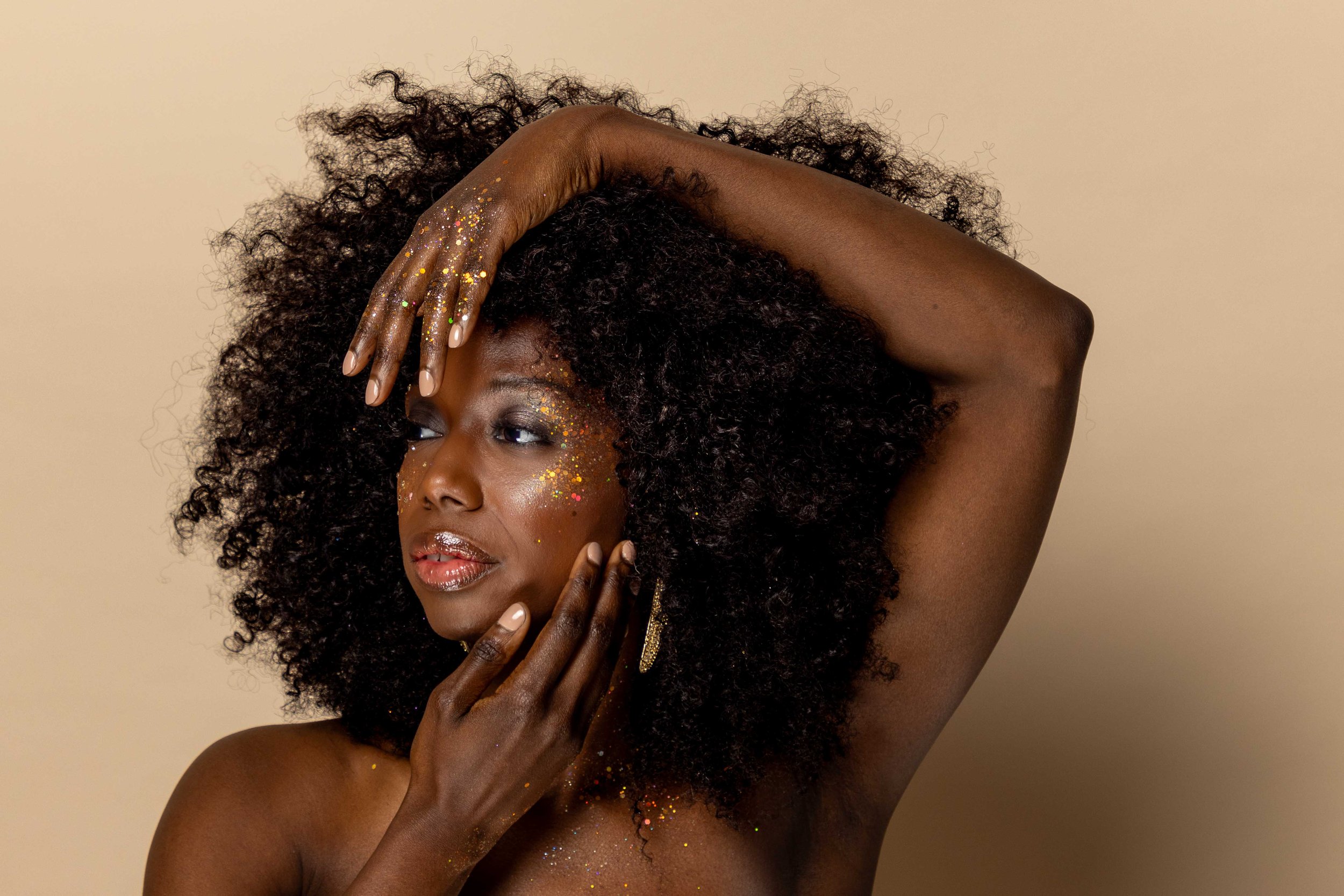
For Gadabout Season, the artwork had to match the spirit of the whole album—not just the title track so it's a bit more demure than the upbeat title track.
Do you feel a sense of emptiness after releasing a project?
Not exactly empty—but there is that fear of “what do I fill myself with now?”
I have a lot going on, so it’s more about fighting the urge to just dive into busy work and instead allowing myself the space to figure out what comes next in the big picture.
Rashaan and I talked about this—how it's hard to know where to go creatively after you’ve put so much of yourself into a project for so, so long.
How have people responded to your latest work?
People have been surprised by the vibe of this album—it’s more creative and personal than my past projects.
But the response has been beautiful. Folks feel a sense of relief hearing something so revealing and honest that’s still relatable. That has been the most rewarding part.
What does music express for you that everyday tasks can’t?
In day-to-day life, I’m usually silly and don’t reveal much. I find it really hard to express feelings in words.
But music gives me a space to let those feelings out. It’s where I can say everything I otherwise wouldn’t.