Published
Name: Charlie Risso
Occupation: Singer, songwriter
Nationality: Italian
Current release: Charlie Risso's Alive is out via T3.
Recommendations: I highly recommend the novel One Hundred Years of Solitude by Gabriel Garcia Marquez. Its rich narrative and magical realism offer a profound exploration of human nature and history.
Additionally, I suggest listening to the album Six by The Black Heart Procession. It’s an indie gem that captures a hauntingly beautiful and introspective atmosphere through its evocative melodies and lyrics.
If you enjoyed this Charlie Risso interview and would like to stay up to date with her music, visit her official homepage. She is also on Instagram, Facebook, and Soundcloud.
Do you think that some of your earliest musical experiences planted a seed for your interest in writing lyrics or poetry? How and when did you start writing?
Absolutely, my early musical experiences have deeply influenced my interest in writing lyrics. Growing up between Milan and London, I was exposed to a diverse array of musical styles and cultures which planted the seed for my lyrical creativity.
I started writing songs at the age of 16, and my debut album Ruins of Memories released in 2016, showcases some of my earliest works inspired by those formative experiences.
It is sometimes said that “music begins where words end.” What do you make of that?
I believe this saying captures the essence of music’s emotional power. While words can describe and narrate, music has the ability to convey feelings and moods that go beyond verbal expression.
My latest album, Alive, is a perfect example of this. Each track is crafted to take the listener on an emotional journey, blending lyrical content with rich, evocative melodies that communicate beyond words.
Entering new worlds and escapism through music and literature have always exerted a very strong pull on me. What do you think you are drawn to most when it comes to writing?
I am most drawn to the emotional landscapes that music can create. Writing allows me to explore different facets of human experience, from longing and love to solitude and introspection.
My songs like “Alive” and “By the Lake” delve into these themes, providing an escape and a means to explore the depths of the human soul.
What were some of the artists and albums which inspired you early on purely on the strength of their lyrics? What moves you in the lyrics of other artists?
Artists like Leonard Cohen and Joni Mitchell have been significant influences due to their profound lyrical storytelling. Their ability to weave complex emotions into their lyrics has always moved me.
This lyrical depth is something I strive to achieve in my own music, aiming to connect with listeners on a deep emotional level.
I have always considered many forms of music to be a form of poetry as well. Where do you personally see similarities? What can music express which may be out of reach for poetry?
Music and poetry share a strong kinship in their ability to evoke emotions and imagery. However, music has the added dimension of sound, which can amplify and transform the impact of the words.
For instance, in my song “Railroad,” the melody and rhythm work together to enhance the lyrical narrative, creating a more immersive experience than words alone could provide.
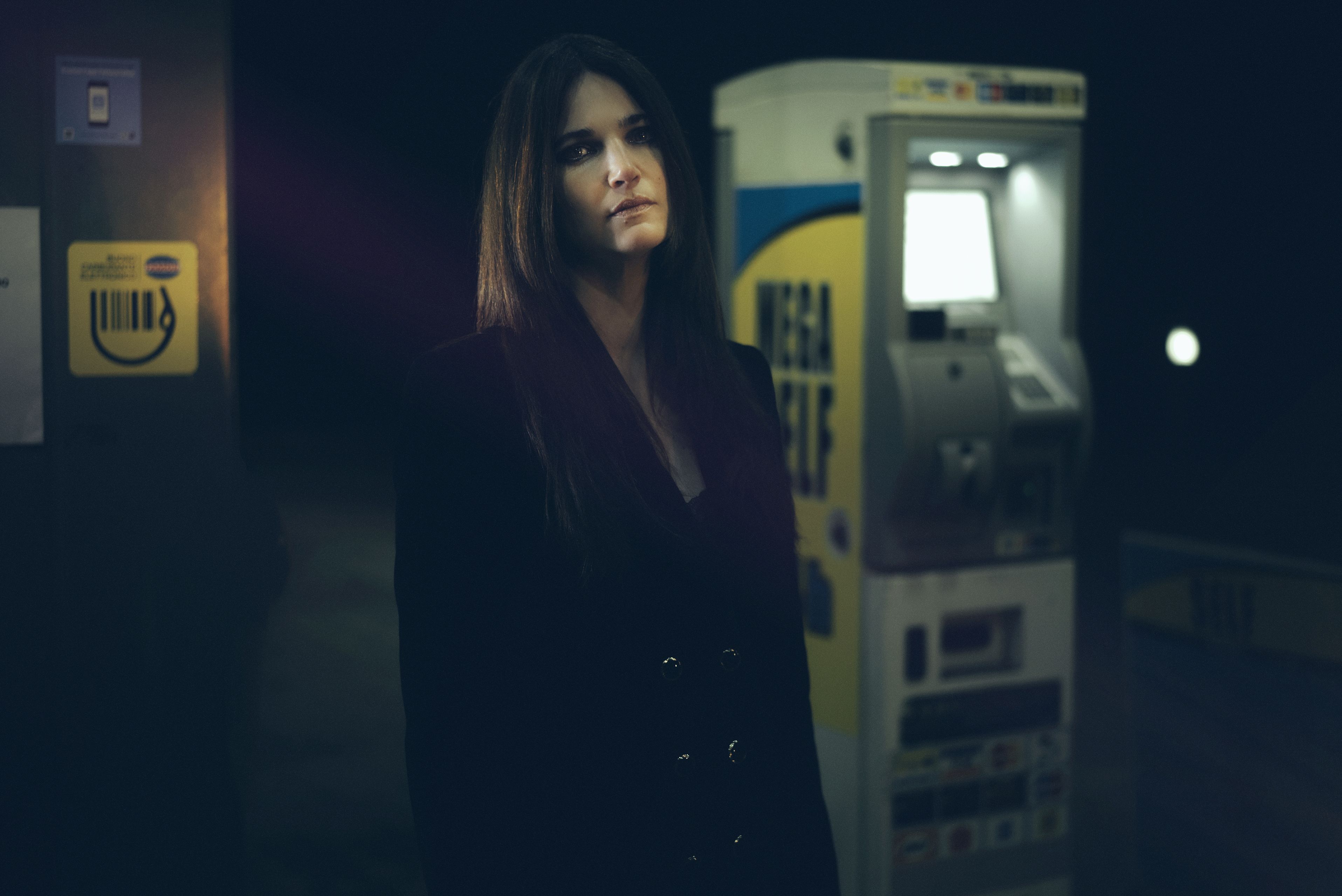
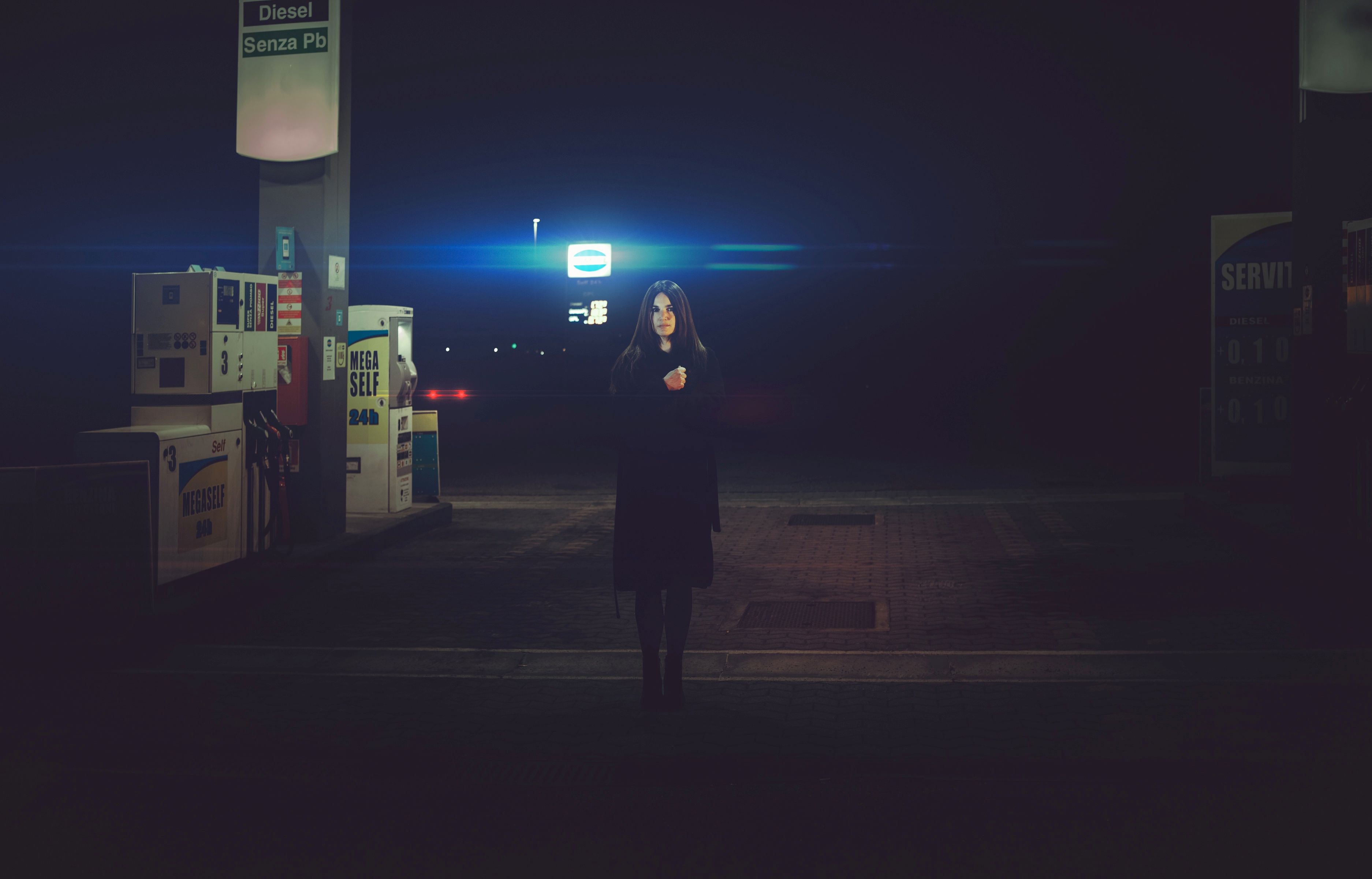
Charlie Risso Interview Image by Pierluigi DeRubertis
The relationship between words and music has always intrigued me. How do you see it?
Words and music have a symbiotic relationship in my creative process. Lyrics often emerge simultaneously with melodies, each influencing the other. This interplay is crucial in crafting songs that are both lyrically and musically compelling.
I think on Alive, this balance is evident as each song’s lyrical content is deeply intertwined with its musical composition.
What kind of musical settings and situations do you think are ideal for your lyrics?
My lyrics thrive in settings that blend indie and dream pop elements, creating atmospheric and introspective soundscapes. The production and rich arrangements in my albums provide the ideal backdrop for the lyrical themes I explore, enhancing the overall listening experience.
Plus I definitely draw inspiration from situations related to nature, silence, and introspection.
When working on music, when do the lyrics enter the picture? Where do they come from? Do lyrics need to grow together with the music or can they emerge from a place of their own?
Very often, the lyrics follow the soundtrack I’m creating.
The music engages me to such an extent that it creates an almost extrasensory experience, inspiring me to craft stories and fantasies or to recount real-life moments and scenarios. It’s like a psychotherapeutic experiment.
Do you feel like the music triggers specific words inside you? Or is more of a feeling or a memory? Would you say there is instantly an entire idea in front of you or does the story grow as you keep listening to the music?
Music often triggers specific words and images, acting as a catalyst for lyrical ideas. Sometimes an entire concept emerges almost instantly, while other times the story unfolds gradually as the music evolves.
This organic process allows for a deep connection between the sonic and lyrical elements of a song.
More generally, in how far can music take you to places with your writing you would possibly not have visited without it?
Music has the power to transport me to emotional and imaginative places that might be inaccessible otherwise. It opens up new avenues for storytelling and expression, allowing me to explore themes and emotions more deeply and vividly.
When you’re writing song lyrics, do you sense or see a connection between your voice and the text? Does it need to feel and sound “good” or “right” to sing certain words? What’s your perspective in this regard of singing someone else’s songs versus your own?
There is definitely a strong connection between my voice and the lyrics. The words need to resonate with me personally to feel authentic and impactful when sung.
Singing my own songs carries a deeper emotional weight compared to interpreting someone else’s work, as it reflects my personal experiences and creative vision.
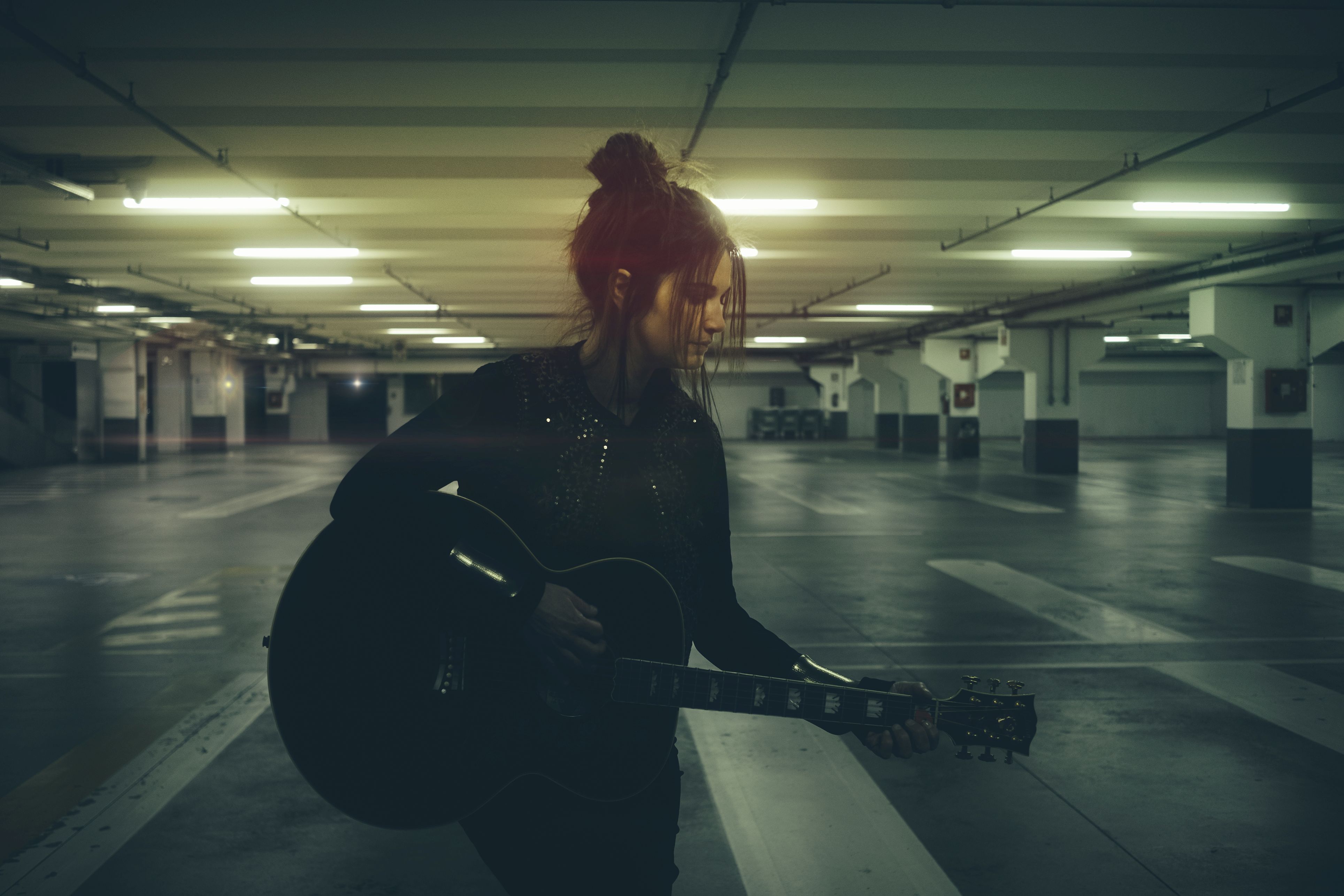
Charlie Risso Interview Image by Pierluigi DeRubertis
In how far are you consciously aware of the meaning of the lyrics you’re writing during the creative process? Do you need to have a concrete concept or can the words take the lead?
While I often have a general concept in mind, I allow the lyrics to lead and evolve naturally during the creative process.
This fluidity ensures that the final product is genuine and resonates on an emotional level, both for me and for the listeners.
What is the value of song lyrics or hip hop bars outside of the music?
Lyrics and hip hop bars hold intrinsic value as standalone pieces of poetry and storytelling. They can evoke emotions and provoke thought independently of the music, though their impact is often amplified when combined with a fitting musical backdrop.
How do you see the relationship between harmony, rhythm and melody? Do you feel that honing your sense of rhythm and groove has an effect on your lyrics-writing skills?
Harmony, rhythm, and melody are integral to my songwriting, each influencing the other and the overall lyrical narrative.
Developing a strong sense of rhythm and groove can enhance the flow and impact of the lyrics, creating a more engaging and cohesive song.
Creativity can reach many different corners of our lives. Do you feel as though writing or performing a piece of poetry is inherently different from something like making a great cup of coffee? What do you express through music that you couldn’t or wouldn’t in more ‘mundane’ tasks?
While both creative acts require passion and attention to detail, writing and performing music allows for a deeper exploration of emotions and ideas that might not be as easily expressed in everyday tasks.
Music provides a unique platform for conveying complex and nuanced feelings, making it distinct from more routine activities.