Published
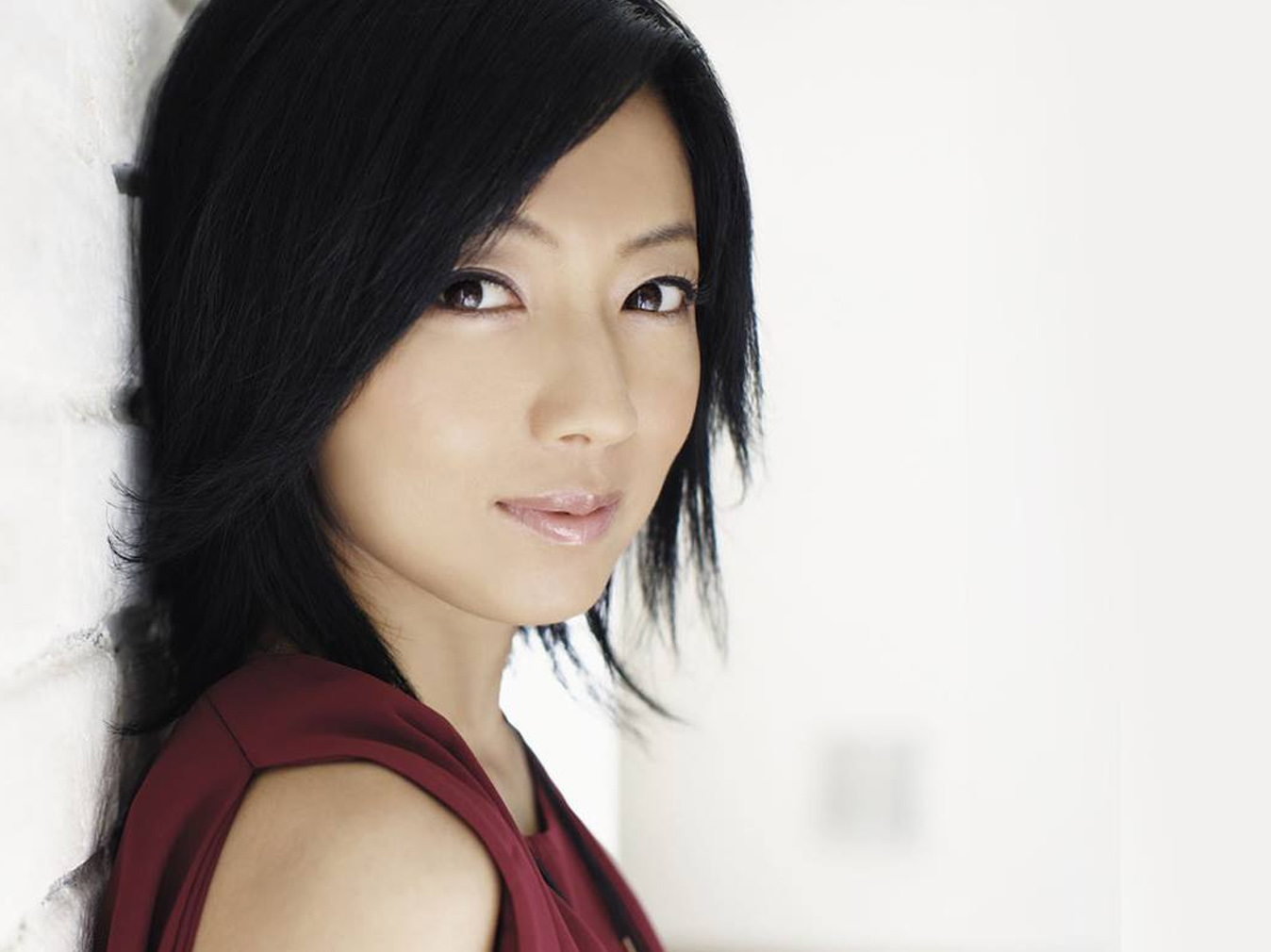
Name: Chihiro Yamanaka
Nationality: Japanese
Occupation: Pianist, composer, improviser
Current Release: Chihiro Yamanaka's latest album Carry On is out via Universal.
Current Event: Chihiro Yamanaka will perform at London's Ronnie Scott's club July 26th 2025. For more information and tickets, visit Ronnie Scott's website.
Shoutouts: Carla Bley, always. For her dry wit, her fearlessness, her refusal to take music—or herself—too seriously.
I'm also inspired by underground venues that curate with care and don't chase trends. Jazz doesn't need to be flashy to evolve—it just needs room to breathe.
Recommendation for Japan: I recommend Kamikōchi—a serene mountain valley deep in the Japanese Alps. The freshness of the air, the stillness of the mountains, the clarity of the river—they come together like a silent symphony composed by nature. It's a place where even your own breathing feels like part of the landscape. For me, it's one of the purest sources of inspiration—music that can't be written, only felt.
Topic that I am passionate about but rarely get to talk about: I rarely get to talk about my love for poetry and philosophy. I spend hours reading fragments from Japanese poets or thinkers like Simone Weil. These voices echo in my music, quietly. They remind me that music doesn't have to be explained—it just has to feel true.
If you enjoyed this Chihiro Yamanaka interview and would like to know more about her music, visit her official homepage (in Japanese). She is also on Instagram, and Facebook.
What were some of the musical experiences which planted a seed for your interest in jazz?
I've always loved Oscar Peterson—his swing, his mastery, his warmth. But the first time jazz truly moved me was through Gary Burton's playing.
The transparency, the floating quality of his sound—it felt like something sacred.
It wasn't about being loud or fast. It was about beauty, and breath, and space. That moment taught me jazz could be both intimate and infinite.
What does the term jazz mean today, would you say?
To me, jazz today means honesty. It's less about form and more about attitude. It means asking questions rather than delivering answers. Jazz doesn't have to shout—it can whisper. It can even stay silent.
That openness, that courage to not explain everything—that's the jazz I live in now.
As of today, what kind of materials, ideas, and technologies are particularly stimulating for you?
I'm interested in what happens when acoustic sound is placed inside unexpected environments. Sampling a single note from my piano and recontextualizing it can open up whole new landscapes.
I also find inspiration in poetry, in architecture, even in silence.
Lately, I've been drawn to technology that doesn't interrupt the music, but rather extends it like an echo.
Where do most of your inspirations to create come from – rather from internal impulses or external ones? Which current social / political / ecological or other developments make you feel like you need to respond as an artist?
Inspiration comes from both—what's inside and what's outside.
I don't set out to be political, but the world inevitably seeps into the music. When I feel helpless watching ecological collapse or social injustice, music is how I remember that I'm still human—and how I try to offer that humanity back to others.
Tell me a bit about the sounds & creative directions, artists & communities, as well as the colleagues & creative hotspots of your current hometown, please. How do they influence your music?
Tokyo is paradoxical. It's hyper-modern, but also deeply rooted in quiet traditions. That duality fascinates me.
The jazz scene here can be understated but fiercely creative. I often work with musicians who value nuance over noise.
The energy of the city—the subtle chaos—finds its way into my playing, not as clutter, but as tension, restraint, and clarity.
What role do electronic tools and instruments play for your creative process?
They're like gentle collaborators. I still write mostly at an acoustic piano, but I use electronic tools to bend time, stretch resonance, or suggest an atmosphere.
Sometimes the most meaningful "improvisation” comes not from playing more, but from taking something familiar and hearing it through a new lens.
Thanks to technological advances, collaboration has become a lot easier. What have been some of the most fruitful collaborations for you recently and what approaches to and modes of collaboration currently seem best to you?
I recently worked with an artist remotely, where we sent fragments back and forth—just ideas, no expectations. That kind of slow, thoughtful collaboration appeals to me.
I like when people leave room for mystery. It's less about syncing perfectly and more about responding sincerely. That's where the real music begins.
Jazz has always had an interesting relationship between honouring its roots and exploring the unknown. What does the balance between these two poles look like in your music?
I think of it as walking a tightrope with invisible hands beneath me—those hands are tradition. The unknown is where I lean toward, but I know I'm held by what came before.
Carla Bley did this beautifully—she referenced jazz history while tearing it apart and rebuilding it with humor and edge. I try to honor that spirit of rebellious reverence.
How much potential for something "new” is there still in jazz? What could this "new” look like?
The "new” is always waiting in the same place: in honesty. Not in trying to sound futuristic, but in daring to be vulnerable. Maybe the next step isn't louder, or more complex—it could be quieter, more direct.
The "new” could look like a single, unaccompanied tone that carries more weight than a thousand notes.
For many artists, life-changing musical experiences take place live. How do you see that yourself?
Yes, absolutely. There are moments on stage when everything aligns—the air, the silence between notes, the feeling of listening together.
Those experiences don't happen often, but when they do, they stay with you forever. No recording can quite capture that kind of shared presence.
How, would you say, are your live performances and your recording projects connected at the moment? How do they mutually influence and feed off each other?
Live performance is where I take risks. Recording is where I refine those risks into something lasting.
But sometimes it's the reverse—a recorded phrase will haunt me until I let it breathe in a concert setting. They feed each other like memory and dream.
Improvisation is obviously an essential element of jazz, but I would assume that just like composition, it is transforming. How do you feel has the role of improvisation changed in jazz?
I think improvisation now is less about solos and more about sonic dialogue. It's become more textural, more collective.
Sometimes I improvise by removing elements, not adding them. Silence can be the boldest improvisation in the room.
What, would you say, are the key ideas behind your approach to improvisation?
Listen first. Always. Let the sound breathe. Don't rush toward climax. I'm interested in fragility, in tension that doesn't resolve.
I don't think of improvisation as decoration—I think of it as discovery. It's a form of trust.
What have been some of your most fruitful collaborations recently, and what approaches to and modes of collaboration currently seem best to you?
One of my most meaningful recent collaborations was performing Gershwin's Piano Concerto in F with the Tokyo Philharmonic Orchestra.
The concert took place at Hall A of Tokyo International Forum, one of the largest and most prestigious venues in the city. It was part of La Folle Journée, a renowned classical music festival originally from France. Blending jazz and classical elements in such a dynamic setting—with a full orchestra and a deeply engaged audience—was an unforgettable experience.
Collaborations like this, where different musical worlds come together, continue to open new creative doors for me.
The Montreux Festival intends to preserve its archive of recordings for future generations. Do you personally feel it's important that everything should remain available forever—or is there something to be said for letting beautiful moments pass and linger in the memories of those that experienced them?
There's something magical about impermanence. I believe not every beautiful moment should be caught and stored.
Some things should live only in the hearts of those who were there. That's what makes them precious.