Published
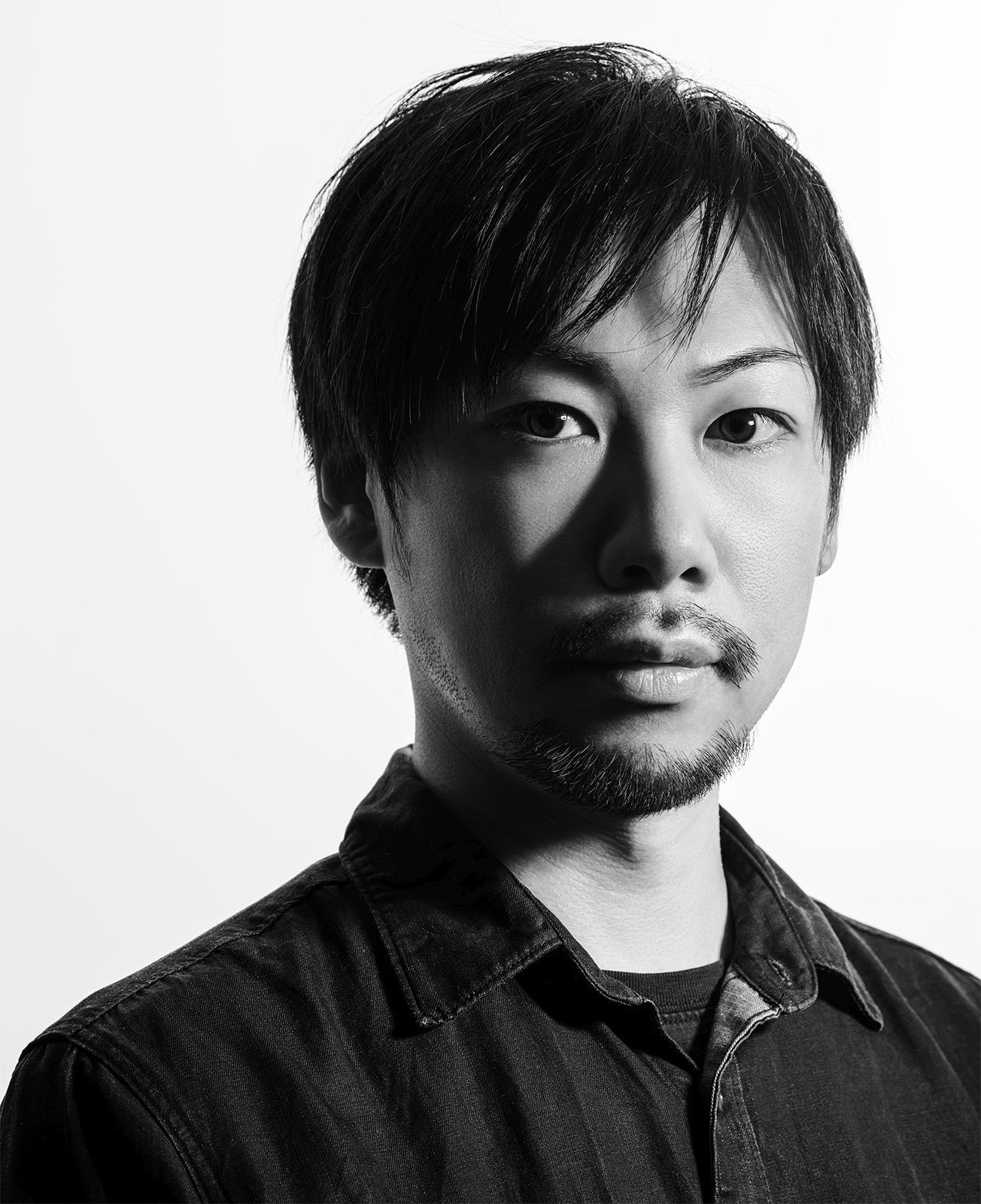
Name: Chikara Aoshima
Occupation: Drummer, composer
Nationality: Japanese
Current release: Chikara Aoshima's 2013 album Close Down has just been re-released and is available via his bandcamp store.
Pure Drumming Recommendations: I recommend Mohammad Reza Mortazavi's concert at the Berlin Philharmonic in 2009, which can be found on youtube. It is also available for streaming.
If you enjoyed this Chikara Aoshima interview and would like to know more about his work, visit his official homepage. He is also on Instagram, and Facebook.
What was your first drum set like and what are you using today? What, to you personally, are factors in terms of build and design that you appreciate in drums and percussion instruments?
My first drum set was a white YAMAHA, which is from my hometown Hamamatsu. Some famous music companies are from there such as YAMAHA, Roland and KAWAI.
I’m using a Sonor drum kit now. I don’t really care about design but I focus on how it sounds.
Late Rush-drummer Neil Peart said: “The equipment is not an influence. It doesn't affect the way I play. It's anexpressionof the way I play.” What's your take on that?
Those are the words of someone who has a clear idea of what they want to
express.
I understand what he means, but on the other hand, I think it is also true that the equipment gives us inspiration.
Drumming is an integral part of many cultures, and traditions. Which of these do you draw from in your playing – and why?
I do not perform with culture and tradition in mind, but I am unconsciously influenced by them.
I learned Japanese drumming Wadaiko, and I also learned jazz and Latin drumming. These traditions and cultures are completely different.
What were some of the main challenges in your development as a drummer / percussionist? Which practices, exercises, or experiences were most helpful in reaching your goals?
Recording and repeatedly listening to performances in numerous ensembles helped me more than any other practice.
What do you think you're doing different than other drummers?
My father was an abstract painter, and I think that influence is present in my playing.
How do you experience the concepts of "groove," "swing," and "rhythmic feel" in music?
Groove is the combined effect of beat and rhythm on the body. It is a word that describes how our body responds to music with movement.
Swing, on the other hand, is a term used for something that has a bouncing rhythm.
I don’t know the difference between “groove” and “rhythmic feel”
How do time signatures and tempo affect our perception of rhythm?
The tempo indicates whether it is fast or slow, and the time signature indicates where the head is.
What is the relationship between harmony, rhythm and melody? How do non-percussion instruments contribute to the overall rhythmic texture of a piece?
In my mind, the beat is at the bottom, the harmony is above it, and the melody is at the top. All of these elements are essential to the construction of music.
The contribution of other instruments besides percussion to the rhythm is immeasurable. This is evident in the fact that music is possible without percussion instruments.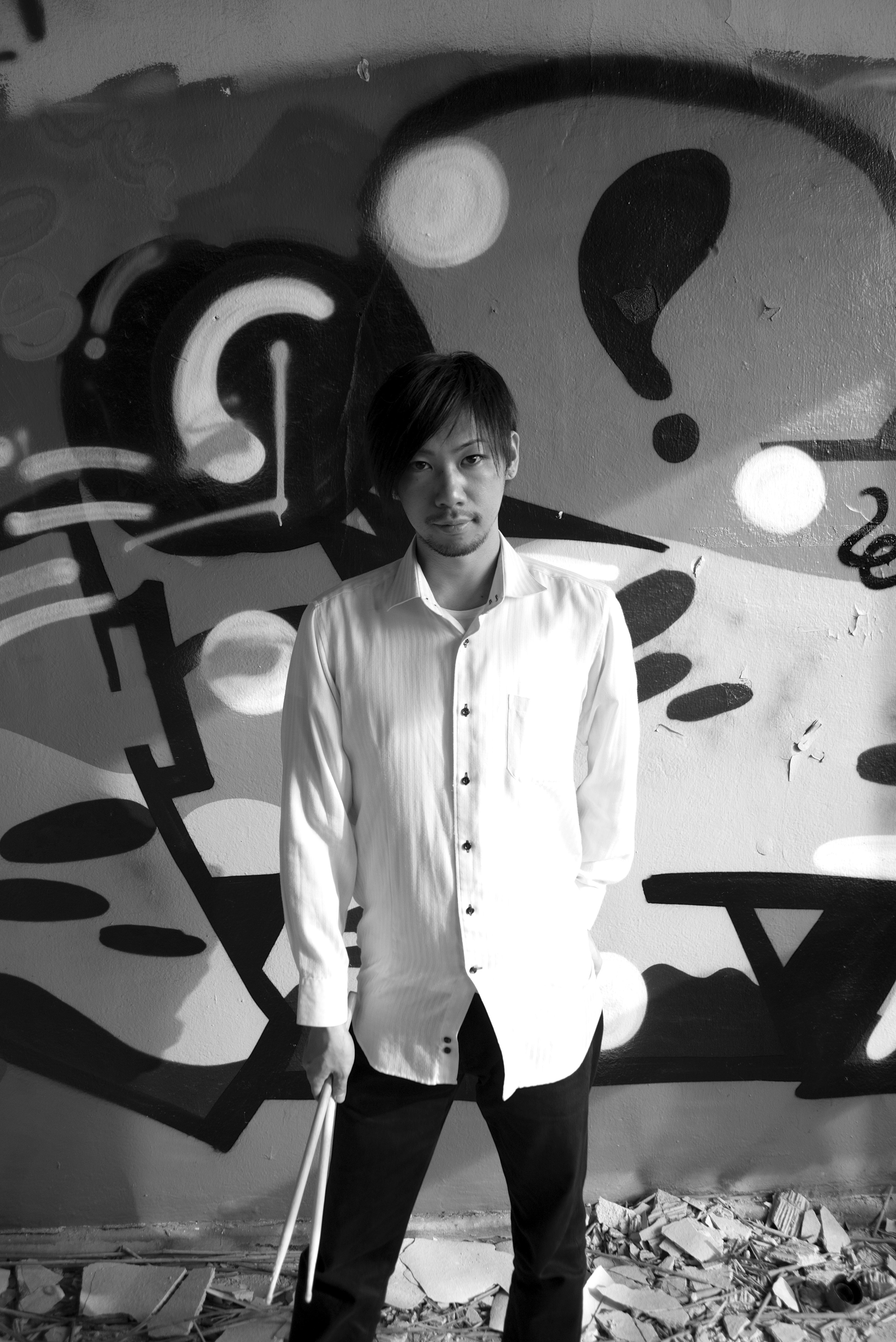
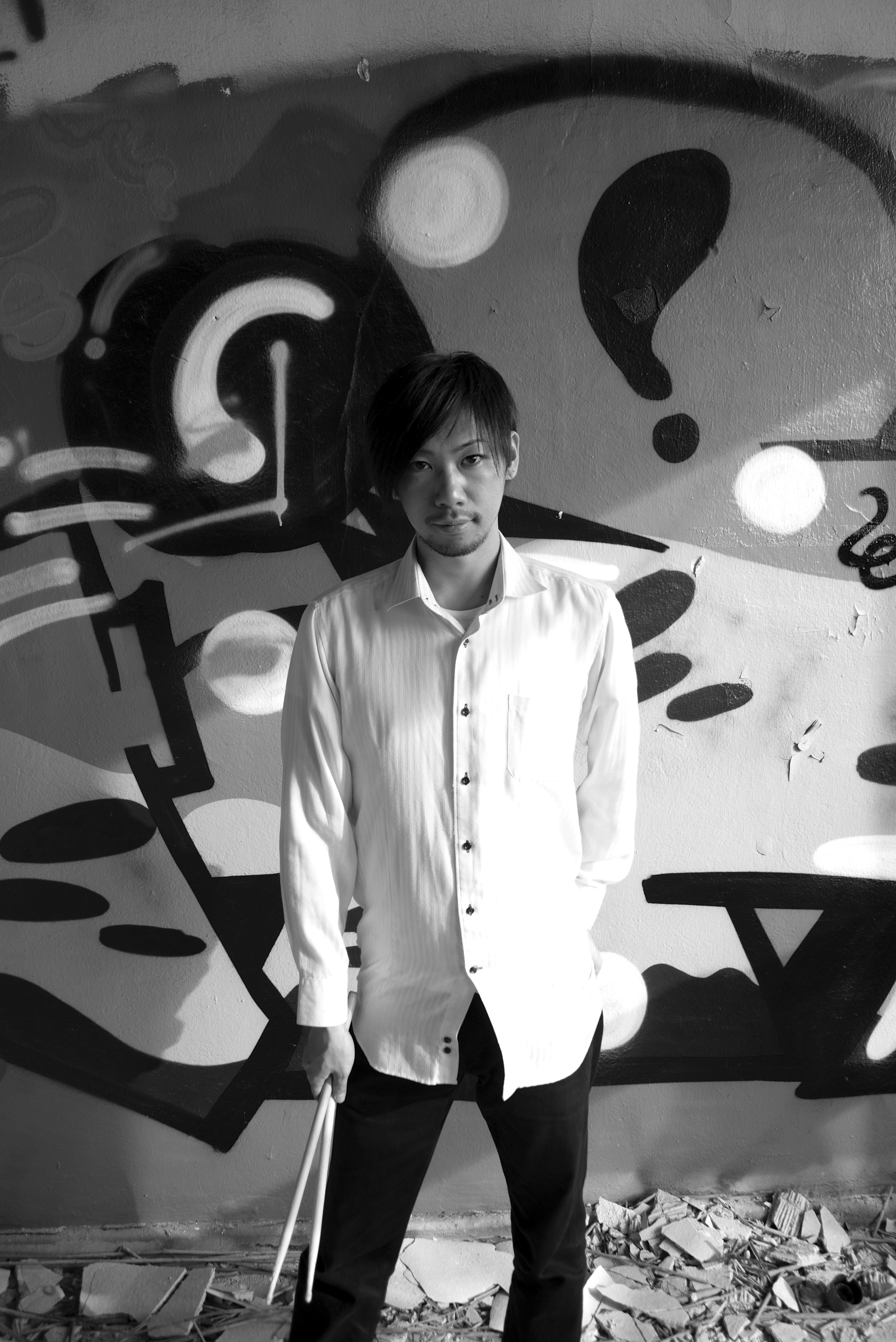
Chikara Aoshima Interview Image (c) the artist
Different drums have a distinct sound and drums and percussion are also timbral instruments. What drum sound are you aiming for and how are you making use of the timbral potentials and possibilities of your instruments?
Since the drums needed differ from place to place, all I try to do is to play the drum tone and performance that is most needed at that time.
There is no particular sound that I am aiming for.
In relation to drumming, Stewart Copeland said: “Listening is where the cool stuff comes from. And that listening thing, magically, turns all of your chops into gold.” What do you listen for?
I agree with him. More to the point, I think it can be approached in a completely different way depending on how you listen.
For example, we are exposed to many words every day, but it is up to us how we digest and use them.
Do you feel that honing your compositional / songwriting skills has an effect on your drumming skills?
I think it has an impact. I think it will give us a broader perspective from the point of view of drums.
How has technology, such as drum machines and sequencers, impacted the way rhythm is created and perceived? Has it been a concrete influence on your own approach?
Drum machines and sequencers can easily express tones, phrases, and rhythms that cannot be expressed on a drum set, and can provide inspiration that cannot be conceived from a drum set. At the same time, they are limited to a specific tempo and rhythm, so they must be handled skillfully.
I think we have to use technology, not be used by it.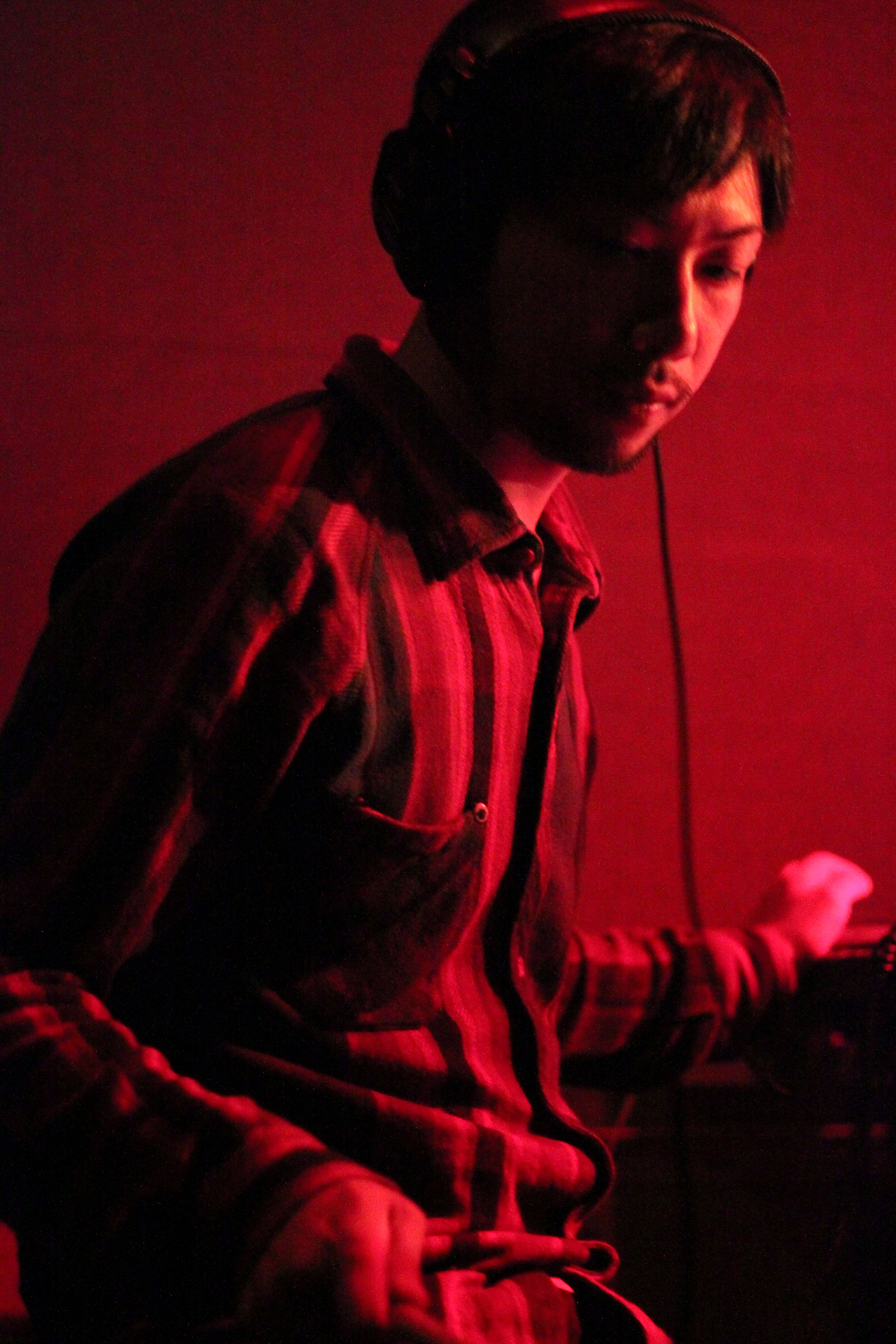
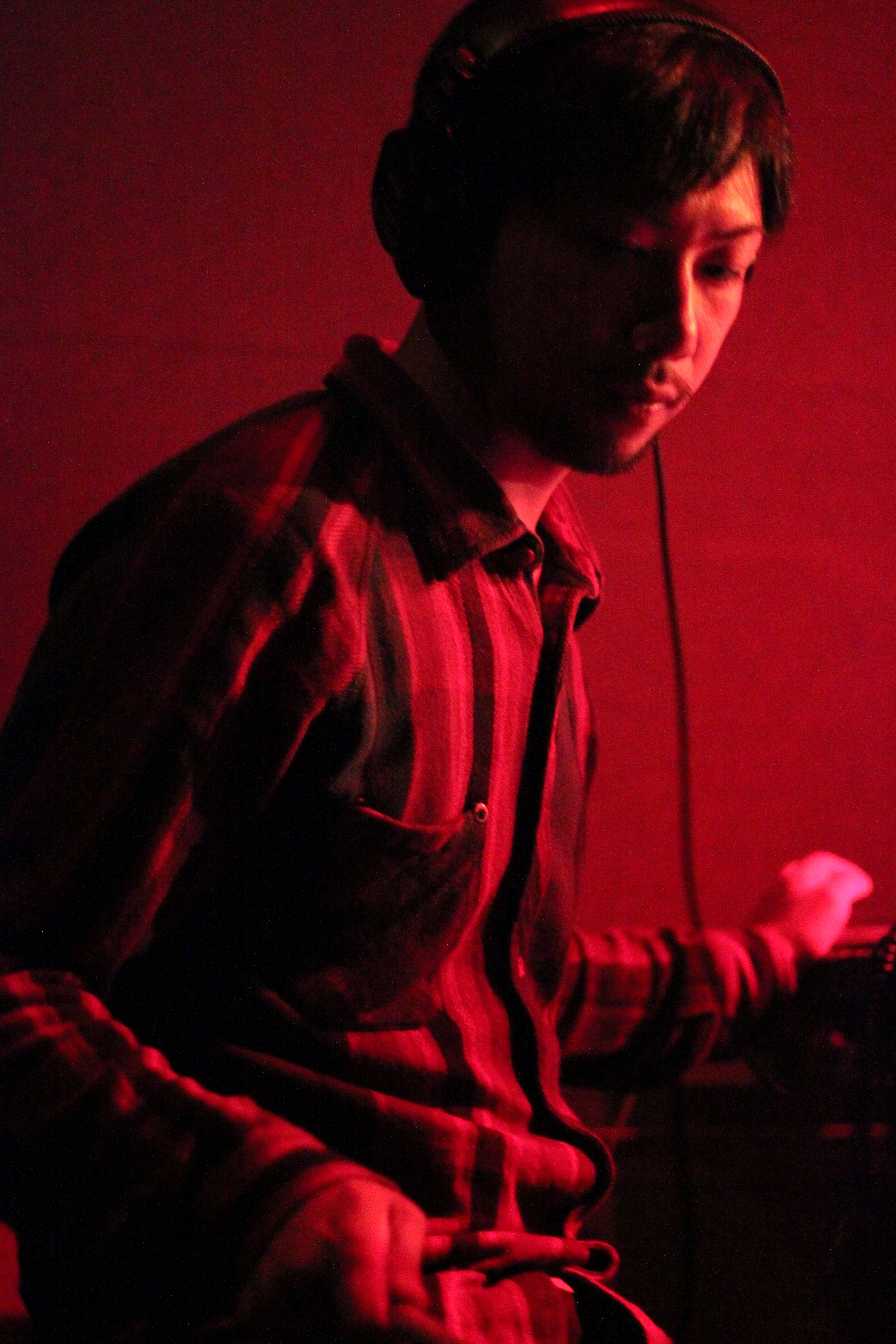
Chikara Aoshima Interview Image (c) the artist
Physical strain is a particularly serious issue for many drummers. How does it manifest itself, how do you deal with it and in how far does it affect your creativity?
With a proper warm-up and cool-down before and after the performance, it is usually not a problem unless you are playing crazy.
Of course, the muscles and brains used by metal drummers and jazz drummers are completely different.
Many recording engineers have remarked that the drums can be particularly hard to capture. What, from your perspective, makes drums sound great on record and in a live setting?
Whether the drums are appropriately blended with the music. The length of the sustain and the pitch of the drums are important.
Drums and percussion are remarkably often used for physical therapy / healing. What, from your point of view, makes them particularly suitable tools for this?
Drums and percussion are primitive instruments that make sounds when anyone plays them. Therefore, it is easy to express one's feelings.
The element of rhythm is also very primitive, and I think it is easy to enter one's subconscious.