Part 1
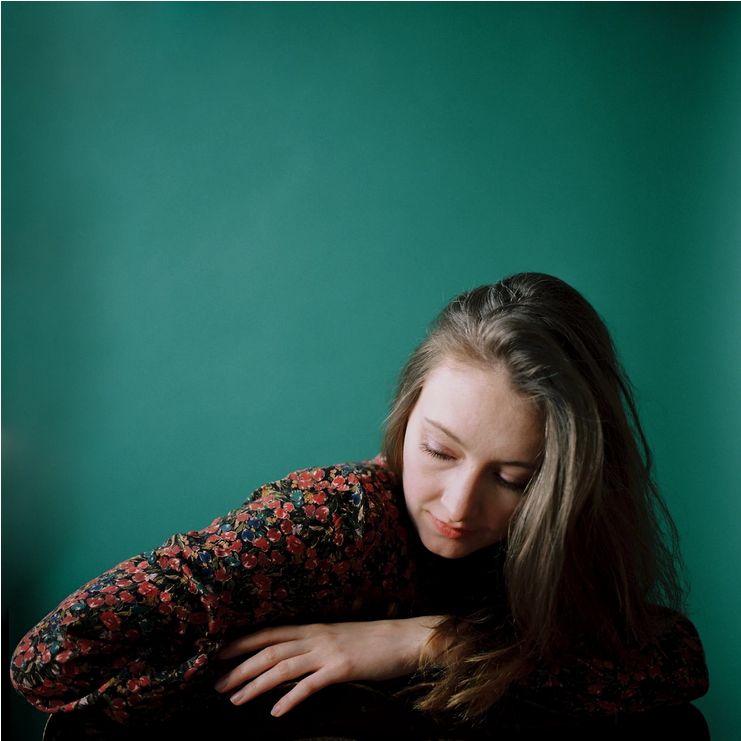
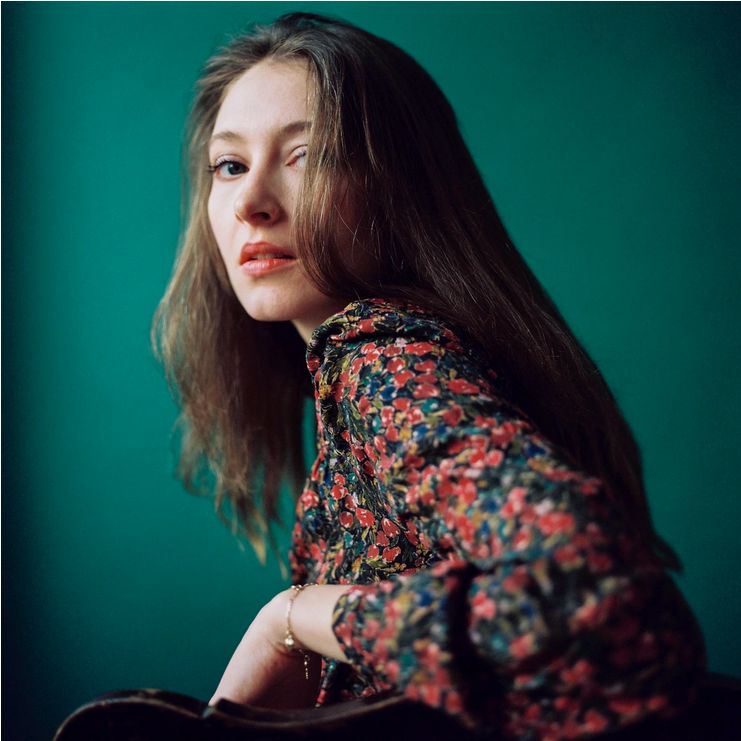
Name: Clara Montocchio
Nationality: South African-Austrian
Occupation: Singer, songwriter, actress, dancer
Current release: Clara Montocchio's debut solo album My Vreemde Kind is out via Unit.
Vocal music recommendation: My friend and fellow singer-songwriter Mira Perusich recently released this beautiful single. It’s her arrangement of a traditional Burgenland-Croatian song (a croatian minority in Austria).
If you enjoyed this Clara Montocchio interview and would like to know more about her music, visit her official homepage. She is also on Instagram, and Facebook.
Do you think that some of your earliest musical experiences planted a seed for your interest in your voice and singing? How and when did you start singing?
I was lucky enough to have grown up in a musical family, my parents were both musicians. My mother was a pianist who worked mainly with classical singers, so apparently I was blasted by countless opera arias since I was in the womb … So you could say that being constantly surrounded by music, particularly singing, influenced my life greatly.
I’ve been singing for as long as I can remember. I had a wonderful primary school teacher who put on a school musical with us every year. When I was 10 I joined a choir and started taking voice lessons when I was 14.
If you're also playing other instruments, how does the expressive potential of these compare to your own voice?
Playing instruments other than my primary one (the voice) can feel both liberating and limiting.
Especially when I’m writing, playing piano, guitar or more obscure instruments like the Kalimba - like on the track “Stêr In Die Kombuis (Kalimba Lullaby)“ on my new album - can open new and unexpected doors.
But I love that the voice is such an innate, personal thing, there is no separation between you and the instrument. Having to reach across that boundary to create music isn’t easy for me and I’m constantly trying to learn how to bridge that gap.
I have endless admiration for musicians who play as if they’re one with their instrument.
Singing is an integral part of all cultures, and traditions. Which of these do you draw from – and why?
Having grown up hearing a lot of classical vocal music (opera but also a lot of romantic art song), I’m sure that sensibility informs my singing and writing on a subconscious level.
The sense of space, the long lines.
My Dad had a great influence on my taste in music. He introduced me to Ella Fitzgerald (who influenced my singing in a major way) but also Carole King, Crosby, Stills & Nash, The Eagles and many more.
That Laurel Canyon era in the 60s and 70s with all the great American singer-songwriters is a huge inspiration to me. You can particularly hear that influence in my song “Gideon”.
I’ve also been listening to a lot of Bob Dylan lately. He’s always said that his songs were written to be played. I read his Nobel prize speech and in it he says: “Our songs are alive in the land of the living. (…) They’re meant to be sung, not read”.
And when I actually sing his songs I really do feel his incredible lyrics so much more deeply, it can be quite the soul-shattering experience. The last verse of “Simple Twist Of Fate” kills me every time.
People tell me it’s a sin
To know and feel too much within
I still believe she was my twin, but I lost the ring
She was born in spring, but I was born too late
Blame it on a simple twist of fate
When I was older I got more into traditional music from different parts of the world that I believe I draw on a lot. The South African choral tradition, Irish folk songs, Yiddish music and traditional Balkan songs are a few that come to mind.
I’m lucky to have had incredible mentors in these fields, such as Nataša Mircović (Bosnia-Herzegovina) and Shira Karmon (Israel).
I’m also just so in awe of the South African music scene in general, it’s just bursting with the most brilliant and inspiring artists. Siya Makuzeni is an incredible vocalist and trombone player that I love, she really embodies the fusion of traditional music and jazz.
I’m particularly interested in female vocal traditions as I’ve found them to be a huge well of power and expression. My song “Vingers Van Sand” (which means “fingers of sand”) is directly inspired by that feel and sound.
When I listen to traditional music, no matter from where, I feel a common musical thread that connects them all, no matter how different they may sound. This to me feels like a sign of our shared humanity and gives me hope in these troubled times.
What were some of the main challenges in your development as a singer/vocalist? Which practices, exercises, or experiences were most helpful in reaching your goals – were there also “harmful” ones?
Methods that I found to be “harmful“ or at least not beneficial to my development were attempts to make myself sound like “everybody else“.
I started out in Musical Theatre when I was young and my voice never really fit that mold, that “Disney princess” sound. This made me feel quite stuck for a couple of years and took a while to get over mentally. I think finding the balance between drawing inspiration from idols and peers vs. nurturing your own “authentic“ sound is one of the great challenges we face as singers.
Technically my biggest struggle has always been navigating my vocal registers. Ever since puberty I felt as if I had two separate “voices” in me (chest and head), and for years it was really hard for me to connect the two. Thankfully I’ve had amazing teachers who’ve helped me a lot with figuring these things out. Vocal technique is such an individual thing, it‘s impossible to find a one-fits-all method, so I think trying different approaches and finding out what works for you is a good way to go about it.
And even though it’s so hard, be patient. The voice is always changing and things need time to develop and settle, rushing or forcing will never get you where you want to be. This is a lesson I‘m still learning every day.
How do you see the relationship between harmony, rhythm and melody? Do you feel that honing your sense of rhythm and groove has an effect on your singing skills?
Absolutely! When I first realised that I was an essential part of the band‘s groove machine it was a game-changer. I have to keep reminding myself to both listen to my fellow musician‘s rhythm and to be proactive in creating our common groove.
When everyone in the band is truly locked in it’s an incredible feeling, even more so than being perfectly in tune (although of course that’s also important). I just think it makes music more fun for everyone involved. Particularly in jazz and other groove-based music, I really believe that rhythm comes before melody and harmony, even if that may feel counterintuitive as a singer.
Although when I’m writing I usually start with the melody or lyrics, some of my songs were born out of a groove. A good example of that is “My Heart Can Rest”.
What are the things you hear in a voice when listening to a vocalist? What moves you in the voices of other singers?
Effortlessness on the one hand, but also individuality, colours, warmth and depth of emotion are the things that move me the most in a voice. Definitely not perfection!
People like Cecile McLorin Salvant or Karen Carpenter are voices I can just fall into.
Laura Marling is also so interesting to me, she tells such vivid stories with her voice and she has a lot of warmth, especially in her lower range.
I love Fiona Apple as well, she sings with such reckless abandon and her writing is incredible too.
Her voice is so full of anger, chaos, pain and humour - kind of the opposite of effortlessness really, everything she sings has such a sense of urgency.