

Name: Hailu Ren aka COLA REN
Nationality: Chinese
Occupation: Producer, composer
Current release: COLA REN's Forest Drone EP is out via QEONE.
Recommendations: Book: David Toop - Ocean of Sound; MusiSteve Reich - Drumming
If you enjoyed this COLA REN interview and would like to stay up to date with her music and work, visit her on Instagram, and Soundcloud.
Do you think that some of your earliest musical experiences planted a seed for your interest in production and technology?
Absolutely. Learning piano from the age of six and being a percussionist in the school orchestra were foundational experiences for me.
I was fascinated by the way different sounds could be layered and manipulated to create something entirely new.
These early experiences sparked my curiosity about the technical aspects of music production and set the stage for my later interest in exploring how technology can be used to shape and enhance sound.
What were your very first active steps with music technology and how would you rate the gains made through experience?
My first active steps with music technology began with a DIY analog synthesizer workshop while I was studying in London. I built my own little synthesizer and started making simple beats and loops. Although I didn’t start making music immediately and unfortunately lost the DIY synth during a move, this experience sparked my interest in music production.
As I delved deeper into music production and began creating music with Ableton Live, the gains were substantial. Each new project taught me something new, whether it was about sound design, mixing techniques, or DJing at clubs.
The hands-on experience was invaluable and significantly accelerated my learning curve.
Making music, in the beginning, is often playful and about discovery. How do you retain a sense of playfulness and how do you still draw surprises from tools, approaches, and musical forms you may be very familiar with?
One way I do this is by regularly incorporating new tools and techniques into my workflow. Whether it's a new plugin, a different genre, or an unconventional instrument, these elements help keep the process fresh and exciting.
I also set aside time for purely experimental sessions where there's no pressure to create something polished or final. This allows me to explore and discover new sounds and ideas without constraints.
For your own creativity, what is the balance and relative importance between what you learned from teachers, tutorials and other producers on the one hand – and what you discovered, understood, and achieved yourself? What are examples for both of these?
Both structured learning and personal discovery are important for my creativity.
Classical piano education sharpens my ear for harmony, rhythm, and dynamics. This heightened sense of hearing is invaluable when mixing tracks, as it enables me to detect subtle differences in sound and make precise adjustments.
On the other hand, personal discovery is where I find my unique voice and style. For instance, while tutorials taught me the basics of synthesizer programming, it was through hours of tweaking and experimenting that I developed my own distinctive sounds.
The balance between these two forms of learning ensures that I have both the technical skills and the creative freedom to innovate.
How and for what reasons has your music set-up evolved over the years and what are currently some of the most important pieces of gear and software for you?
Initially, I started with an electric piano with a MIDI output, a laptop and Ableton, but as my skills and projects grew, I started to invest in some synthesizers and recording equipment.
Currently, some of the most important pieces of gear for me include the electric piano for composing, the Prophet 6 synthesizer for its unique tones.
Software-wise, Ableton Live remains my DAW of choice due to its flexibility and powerful features, complemented by a range of plugins from companies like Native Instruments, Arturia etc.
[Read our feature on the Prophet 6]
Already as a little kid, I was drawn to all aspects of electronic/electric music but I've never quite been able to put a finger on why this is. What's your own relationship to electronic sounds, rhythms, productions like – what, if any, are fundamental differences with “acoustic“ music and tools?
The ability to create a vast array of textures and atmospheres with electronic music is incredibly appealing to me. Unlike acoustic music, which is often limited by the physical properties of instruments, electronic music allows for endless possibilities in sound design and production.
With electronic tools, you can manipulate sound in ways that are simply not possible with acoustic instruments, such as creating otherworldly sounds or precise rhythmic patterns that push the boundaries of conventional music.
Late producer SOPHIE said: “You have the possibility with electronic music to generate any texture, and any sound. So why would any musician want to limit themselves?” What's your take on that and the relevance of limitations in your set-up and process?
I completely agree with SOPHIE's sentiment. The limitless nature of electronic music is one of its greatest strengths.
However, I also believe that working within certain limitations can be beneficial for creativity. Having too many options can sometimes be overwhelming, so setting boundaries can help focus the creative process. For example, limiting myself to a specific set of tools or sounds can push me to explore those elements more deeply and find unique ways to use them.
It’s a balance between embracing the vast potential of electronic music and using constraints to drive innovation.
From the earliest sketches to the finished piece, what does your current production workflow/process look like?
As a pianist, my production process often begins with a jam session on the keyboard. I quickly capture my ideas in Ableton, whether it’s a melody, a rhythmic pattern, or a unique sound texture. From there, I start layering different elements such as drums, basslines, and harmonies, gradually building up the track.
Once I have a rough structure, I move into the arrangement phase, organizing the different sections of the track. For example, when I first started creating the track "Firefly" from my new EP, I began by experimenting with different sounds on my Prophet 6. I discovered a very unique, string-like sound that fit perfectly as an intro.
From there, I continued jamming on the same chord with various timbres, adding more layers and drum patterns to develop the piece further.
Rhythm, sound design, melody/harmony, something else – when do the different elements of a piece come into play for you?
Sometimes, I start with a strong rhythmic foundation if I'm inspired by a particular beat or groove. Other times, a unique sound or melodic idea will spark the creative process.
Generally, I try to let the initial idea guide the development of the track, adding elements that complement and enhance the original concept.
In relation to sound, one often reads words like “material”, “sculpting”, and “design”. How does your own way of working with sound look like? Do you find using presets lazy?
I don't think using presets is lazy at all. Presets can be a valuable starting point and can save a lot of time, especially when under tight deadlines. The key is to personalize and tweak them to make them unique to your project.
For example, when creating the track "Forest Drone" from my new EP, I used a lot of sample sounds, such as background vocals and ambient sounds. When I first heard these sounds, I immediately envisioned how they could be transformed into a track. By drawing from what’s already there, I was able to create a more vivid soundscape that fit my artistic vision.
Ultimately, whether you're using presets or crafting sounds from the ground up, the goal is to create something that resonates with your artistic intent. Presets are just another tool in the creative process, and how you use them can make a significant difference in the final outcome.
What, to you, are the respective benefits of solo work and collaborations and do you often feel lonely in the studio? Can machines act as collaborators to you?
Solo work allows for complete creative freedom and control, enabling me to fully express my personal vision without compromise. However, it can sometimes feel isolating.
Collaborations, on the other hand, bring fresh perspectives and ideas that can take the music in exciting new directions. They also foster a sense of community and shared creativity.
In terms of machines acting as collaborators, I believe they can to an extent. Tools like AI-powered plugins and generative music software can provide inspiration and help overcome creative blocks, making them valuable partners in the creative process.
To some, the advent of AI and 'intelligent' composing tools offers potential for machines to contribute to the creative process. What are your hopes, fears, expectations and possible concrete plans in this regard?
AI and intelligent composing tools have great potential to enhance the creative process. My hope is that they will serve as powerful assistants, providing new ideas and helping with tedious tasks, thus freeing up more time for creative exploration.
However, I also fear that over-reliance on AI could lead to a homogenization of music, where everything starts to sound similar. My expectation is that these tools will continue to evolve and become more integrated into the creative workflow.
Personally, I don’t mind to experiment with AI tools to see how they can complement my work, using them as a source of inspiration rather than a crutch.
If you could make a wish for the future directly to a product developer at a Hard- or Software company – what are developments in tools/instruments you would like to see and hear?
I’d love to see more AI-driven tools that can assist with complex tasks like mixing and mastering, offering intelligent suggestions while still allowing for human oversight.

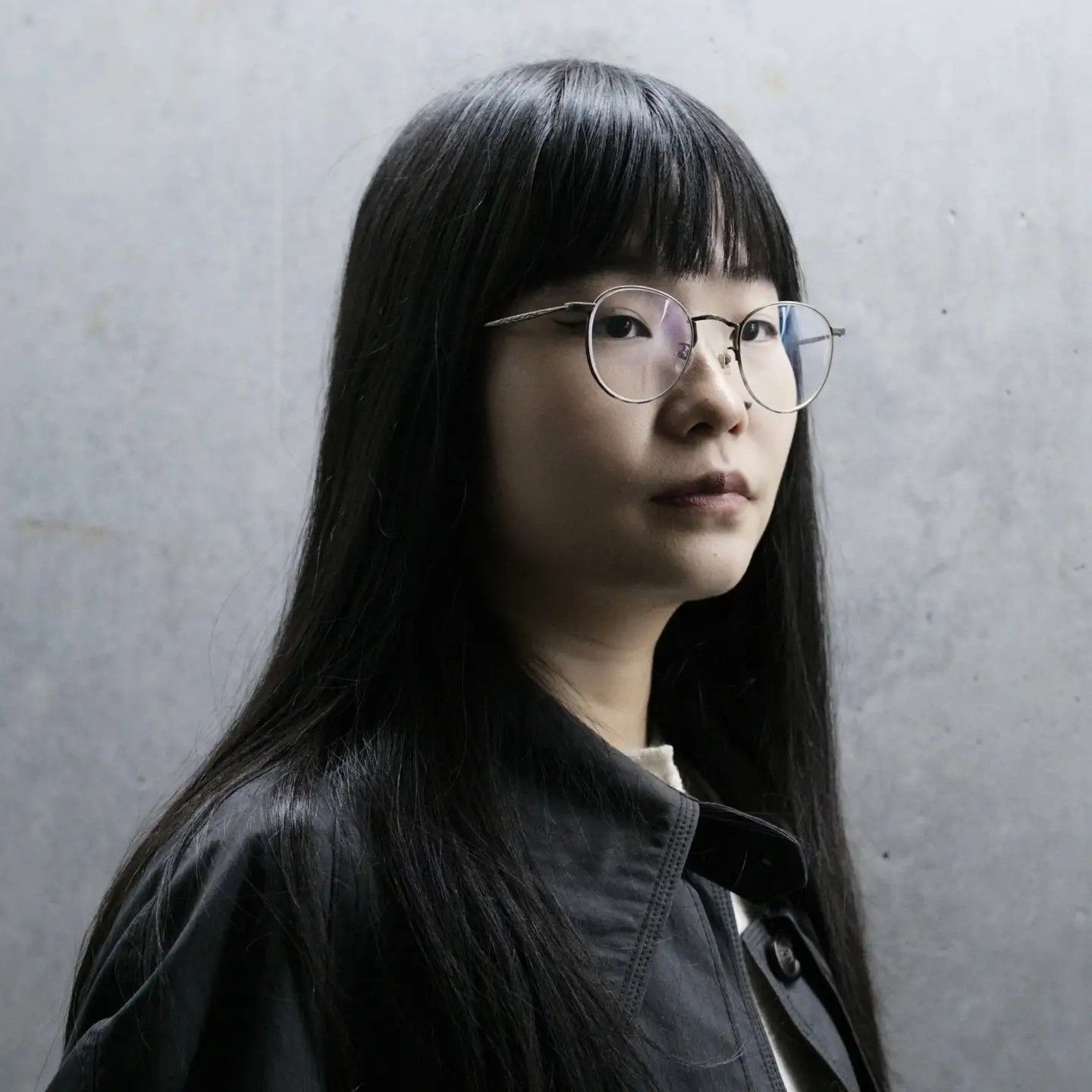 Cola Ren Interview Image by Peta Feng
"Personal discovery is where I find my unique voice and style."
Video
