Published
Name: Courtney Cutchins
Nationality: American
Occupation: Singer, songwriter
Current release: Courtney Cutchins's debut album Grunge to Grace is arriving October 18th 2024 via Laseryn.
If you enjoyed this Courtney Cutchins interview and would like to know more about her music, visit her official homepage. She is also on Instagram, and Facebook.
For more information about taking online vocal lessons with her, visit her at Seadragon Songhouse.
What were some of the musical experiences which planted a seed for your interest in jazz?
Even though I’m a vocalist, I started my music education in concert band, playing alto saxophone in my elementary school. By middle school, my band director asked me to play bari sax in the jazz band. Not only did I love holding down the bass line, but I enjoyed listening to saxophonists like Gerry Mulligan.
As I had been singing my whole young life, I wondered if there were any singers who improvised like sax players. I bought my first Ella Fitzgerald boxed set and was immediately hooked, not only by her scatting skills, but by her storytelling style.
I’ve loved jazz now for 25 years.
How do jazz and jazz culture factor into your artistic processes and the music resulting from them?
Rich harmonies, improvisation, groove and telling a truth with soul and honesty are all incredibly important to me. Jazz manages to simultaneously be about both group communication/interplay and cultivating one’s unique individuality which I appreciate immensely. That seems like a good philosophy for life.
What does the term jazz mean today, would you say?
I think jazz means a lot of different things to different people.
For me, it means to be expansive and take risks. It means to honor tradition and history, but maybe not always in the way you think. It means to tell your story and the story of others.
Jazz was about a lot more than just music in the 60s and 70s, from politics to fashion. For you personally, is jazz still a way of life – and if so, in which way?
Styles of jazz became popular as early as the 20s - and it still persists today in so many forms! So if that doesn’t speak to the longevity and adaptability of jazz, I don’t know what does.
It took a great deal of courage to be a jazz musician, to stand up for one’s beliefs and break the mold. As a vocalist, especially if I’m singing someone else’s lyrics, I dig deep into feeling empathy and compassion for other human beings. This is the job of an artist, in my opinion.
Many people perceive jazz as a genre with high barriers of entrance, both for listeners and musicians. What have your own experiences been in this regard?
A lot of people don’t realize that “jazz” is actually a huge umbrella. Someone could easily view Frank Sinatra as jazz, while someone else might think jazz is Ornette Coleman.
I’ve created a jazz album which includes a fusion of my original music with grunge rock arrangements, a little vocal improvisation, guitar solos, R&B-alt rock-singer-songwriter-influence, all mixed up with a love of Strayhorn, Jeff Buckley, Bowie and Sarah Vaughan.
“Star on the Sea” and “Illuminate” are pretty far apart on the album stylistically, but, at least in my head, the galaxy is the same. I would love to convey that the jazz spirit can be in anything - and can be accessible to anyone.
Derek Bailey defined improvising as the search for material which is endlessly transformable. As of 2024, what kind of materials are particularly stimulating for you?
I enjoy contemplating the meaning of life and the light I aspire to bring through my work. The album has been about my own quest back to myself - and about the human condition of finding who we are and offering our love and unique gifts to the world.
My song “Grunge to Grace” talks about this. Quite literally the path of transformation!
That said, I’m inspired by combining unusual harmonies and time signatures - and how to blend them in a seamless way. “Passenger” features an unforgivable minor 9th in some of the piano voicings I wrote - and I love it, not because its weird, but because it best expresses the angst of the journey.
What, would you say, are the key ideas behind your approach to improvisation?
My main focus is to communicate an emotion or narrative with whatever I’m singing, whether it has to do with how I phrase a line or lyric, or when I’m navigating chord changes and colors.
I also like to play with large intervals and varying vocal effects like vibrato, flips, flutters - but of course, always with the end goal of creating a specific feeling.
“Hold Up the Moon” features an improvised vocal solo over a drone using a blend of vocal qualities - I think it makes a nice call into the emptiness of outer space.
How would you describe your relationship with your instrument – is it an extension of your self/body, a partner and companion, a creative catalyst, a challenge to be overcome, something else entirely?
I love this question! As a vocalist, as well as a vocal coach who has worked with a wide variety of voices, I view this as a fascinating and magical process. For me, my voice is my self, so like an athlete, I take care of my mind and body in order to support my instrument.
But as it’s healthy to have some separation, I view it also like a creature with a mind of its own. I can train it and hope it responds a certain way, but since it’s also intertwined with my emotional state and overall sensitivities, it may not always behave or sound how I think it should.
Being a vocalist requires an immense amount of self-love and patience.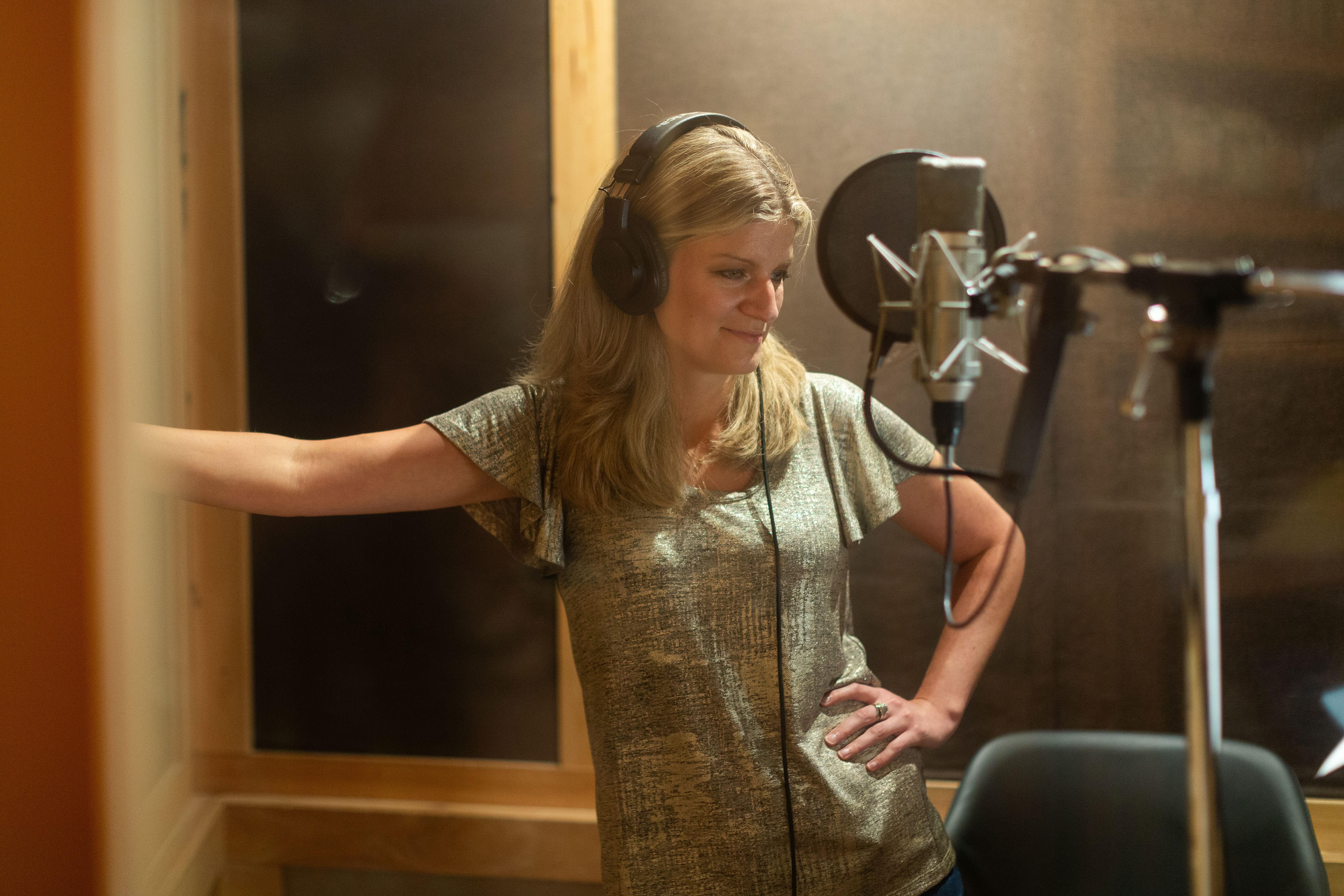
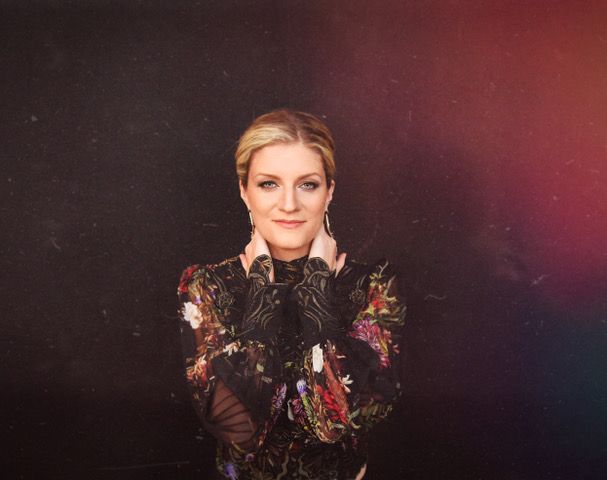
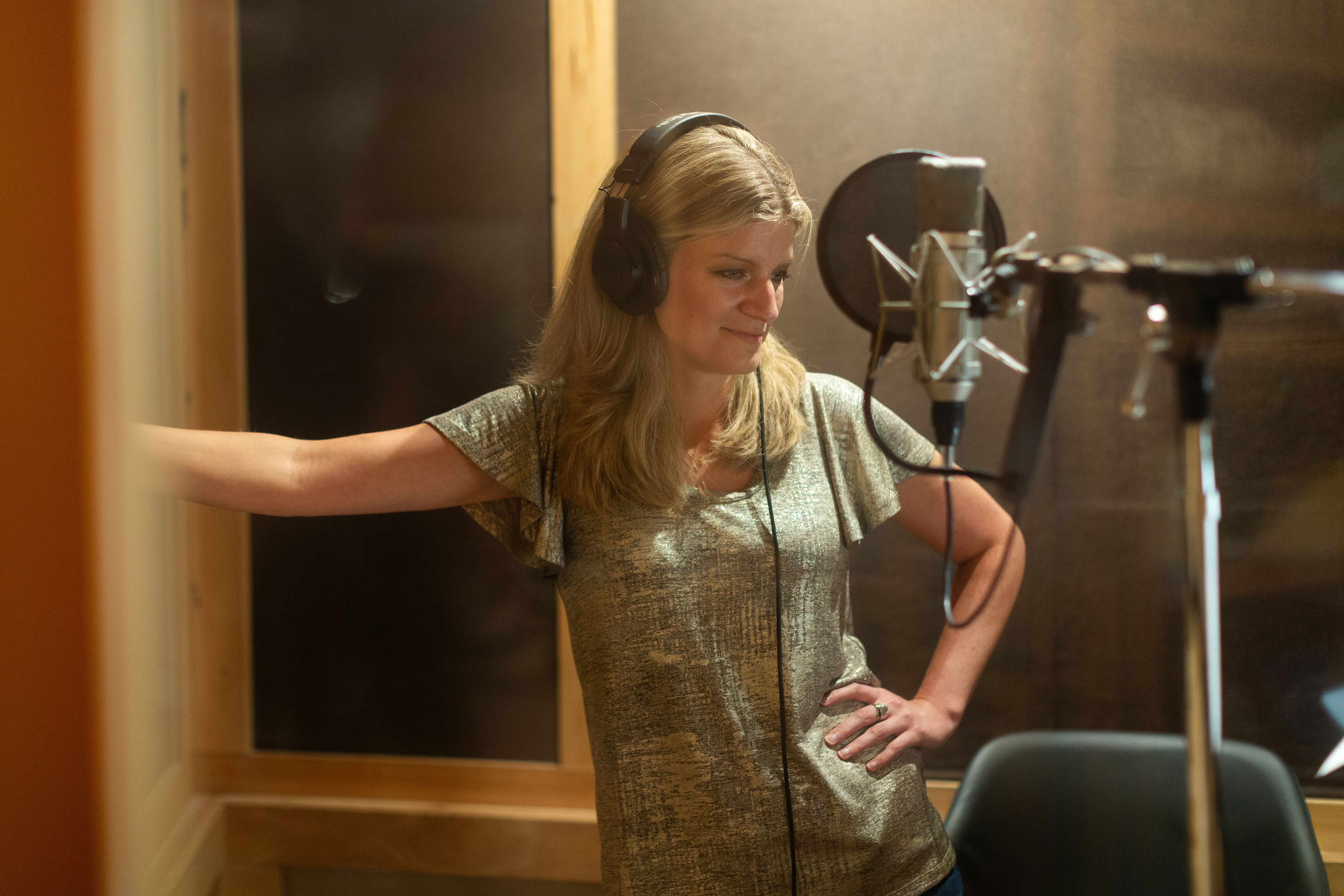
Courtney Cutchins Interview Image (c) the artist
Jazz has always had an interesting relationship between honouring its roots and exploring the unknown. What does the balance between these two poles look like in your music?
In terms of honoring my own roots, I grew up in the Seattle area in the 90s, so including a few grunge songs on my album calls back to my childhood and a time where music could be and mean anything. This is the case with “All Apologies."
That said, I’ve arranged them in an adventurous way - and then written several songs that live on this sort of jazzgrunge planet. The music has a celestial theme exploring the ideas of self-actualization and existing in truth and light - the journey to finding ourselves often takes us into the unknown.
How, would you say are your live performances and your recording projects connected at the moment? How do they mutually influence and feed off each other?
It’s so rare that people sit and listen to a full album these days, which is unfortunate because an album, like a book, encompasses a whole story. If someone only listens to one song, they’re only reading one chapter.
So with a show, I’m able to share a complete point with an attentive audience. A live show forces all of us, audience and performers alike, to be very present and in the moment - and to share a special experience together. This mindfulness and camaraderie is necessary for feeling the depths of our feelings which goes back to the theme of the album - the path to freedom and being who you want to be.
I love being able to share my love of the music with new people - and hope it brings them a glimmer of inspiration and hope.
There are various models to support jazz artists, from financial help to mentorships/masterclasses. Which of these, feel like the best way forward to you?
The music industry today doesn’t always get really excited about things that sound new or different, which means that more jazz-adjacent music isn’t always getting attention.
For musicians, I’d of course love to see more support for the music through grants, tour funding and educational opportunities, but support in business skills and entrepreneurship could also help highlight new possibilities for thinking outside-the-box.
For new listeners, some means of raising awareness of jazz and the large umbrella of music that it encompasses would be a dream. This also begins with funding for music programs in schools - not only for band and choral programs, but general music appreciation and literacy programs to help kids gain an education in the arts as a whole.
If society places a high value on the arts, everyone will benefit.
Are there approaches, artists, festivals, labels, spaces or anyone/-thing else out there who you feel deserve a shout out for taking jazz into the future?
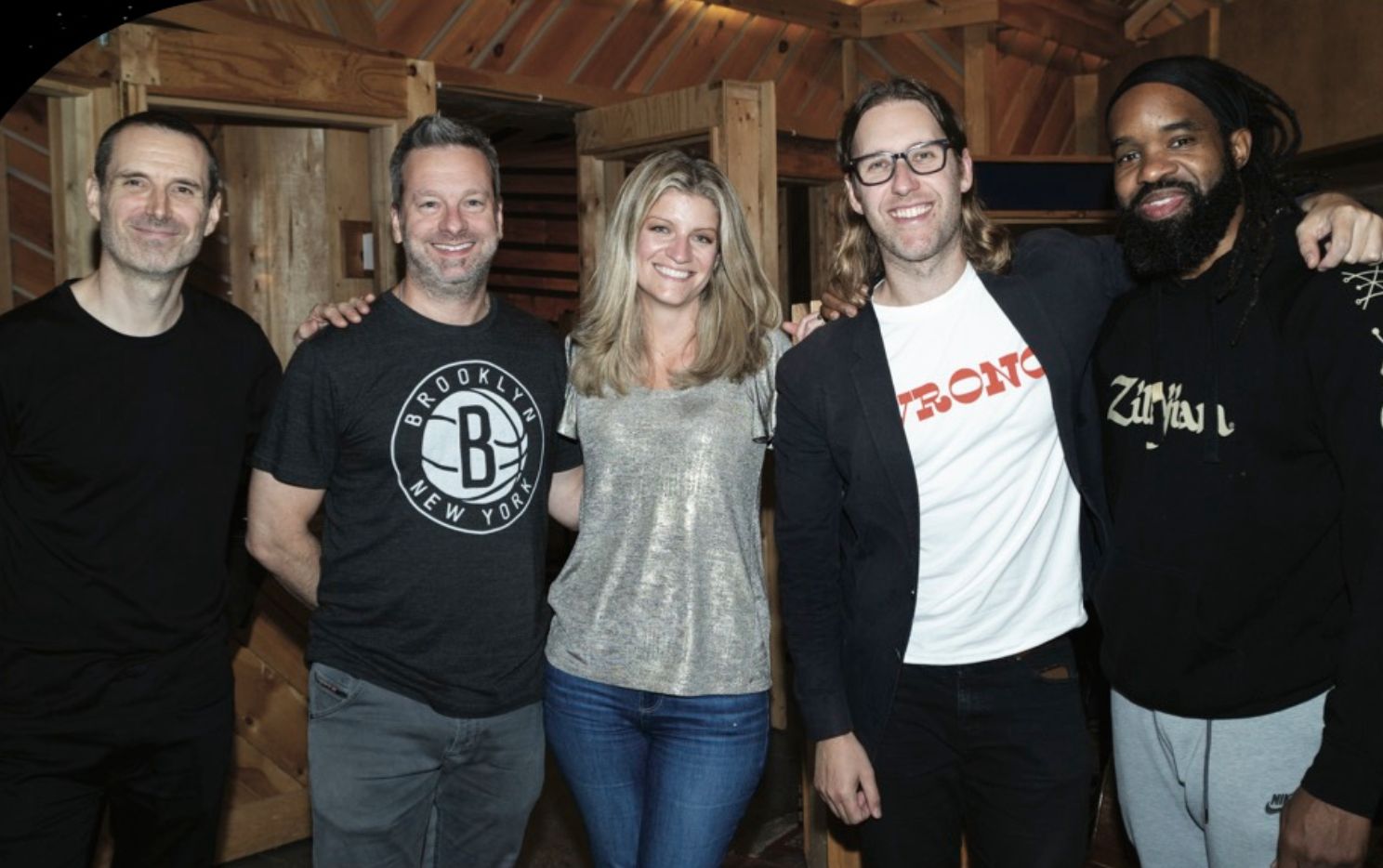
I’d like to take this space to thank my amazing band that played on the record:
David Cook, Nir Felder, Matt Clohesy and Obed Calvaire. By taking a risk and giving life to new music (and playing my songs with such heart and incredible musicianship), they represent a world of musicians who care deeply about taking jazz forward. They all have albums and projects of their own that deserve recognition!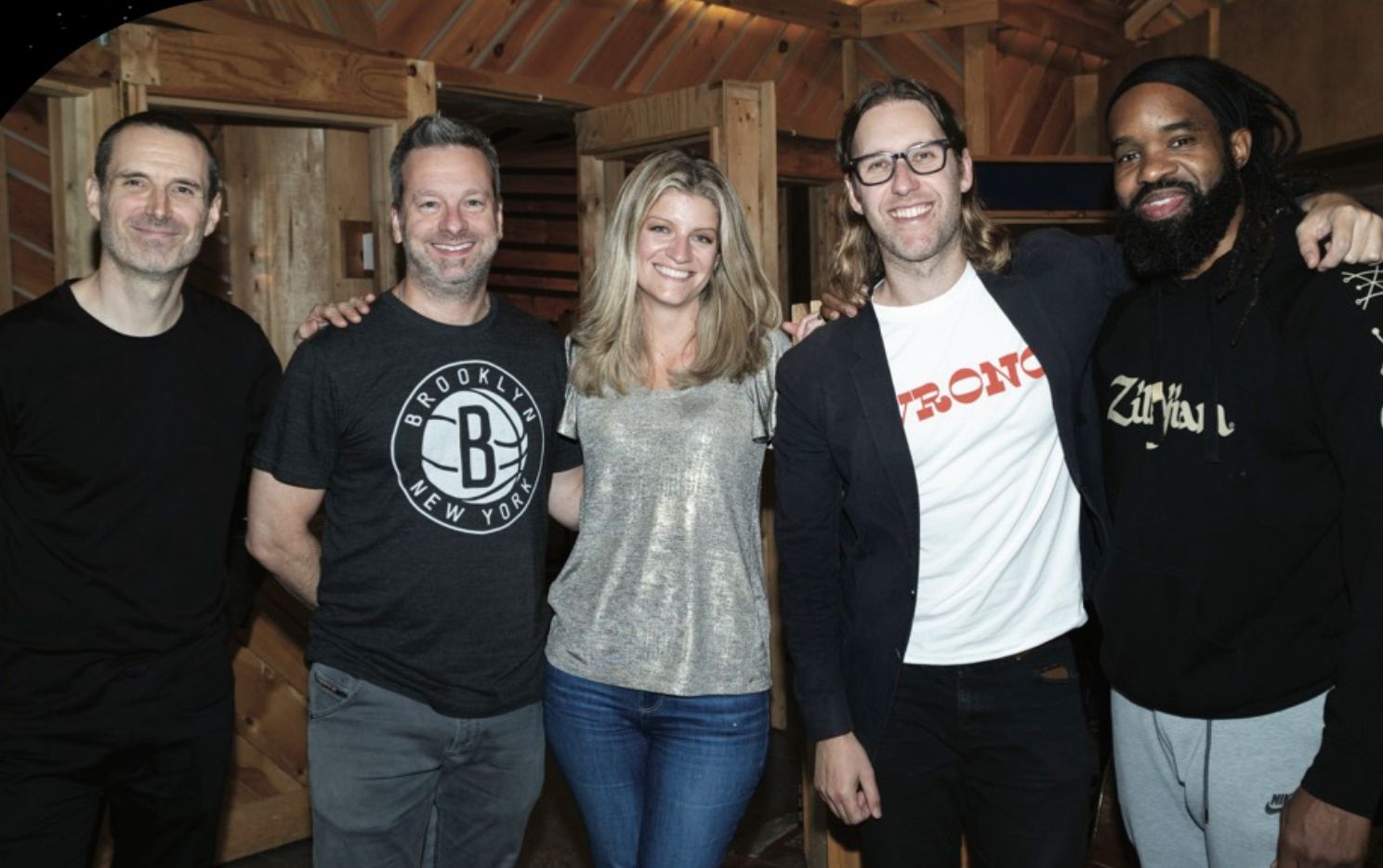
Courtney Cutchins and her band (c) the artists
The Montreux Festival intends to preserve its archive of recordings for future generations. Do you personally feel it's important that everything should remain available forever - or is there something to be said for letting beautiful moments pass and linger in the memories of those that experienced them?
We live in an incredible time in history where we have almost the entirety of human knowledge at our fingertips at any given time - why should art be limited? How amazing for musicians (or anyone!) to be inspired by these performances who might not be able to travel abroad or hear them otherwise.
However, I do feel the larger concern these days is making sure musicians receive credit and fair compensation for their recorded works. It seems to me that the industry would advance enormously by caring most for those who create the music to begin with.