Published
Name: Da Lata
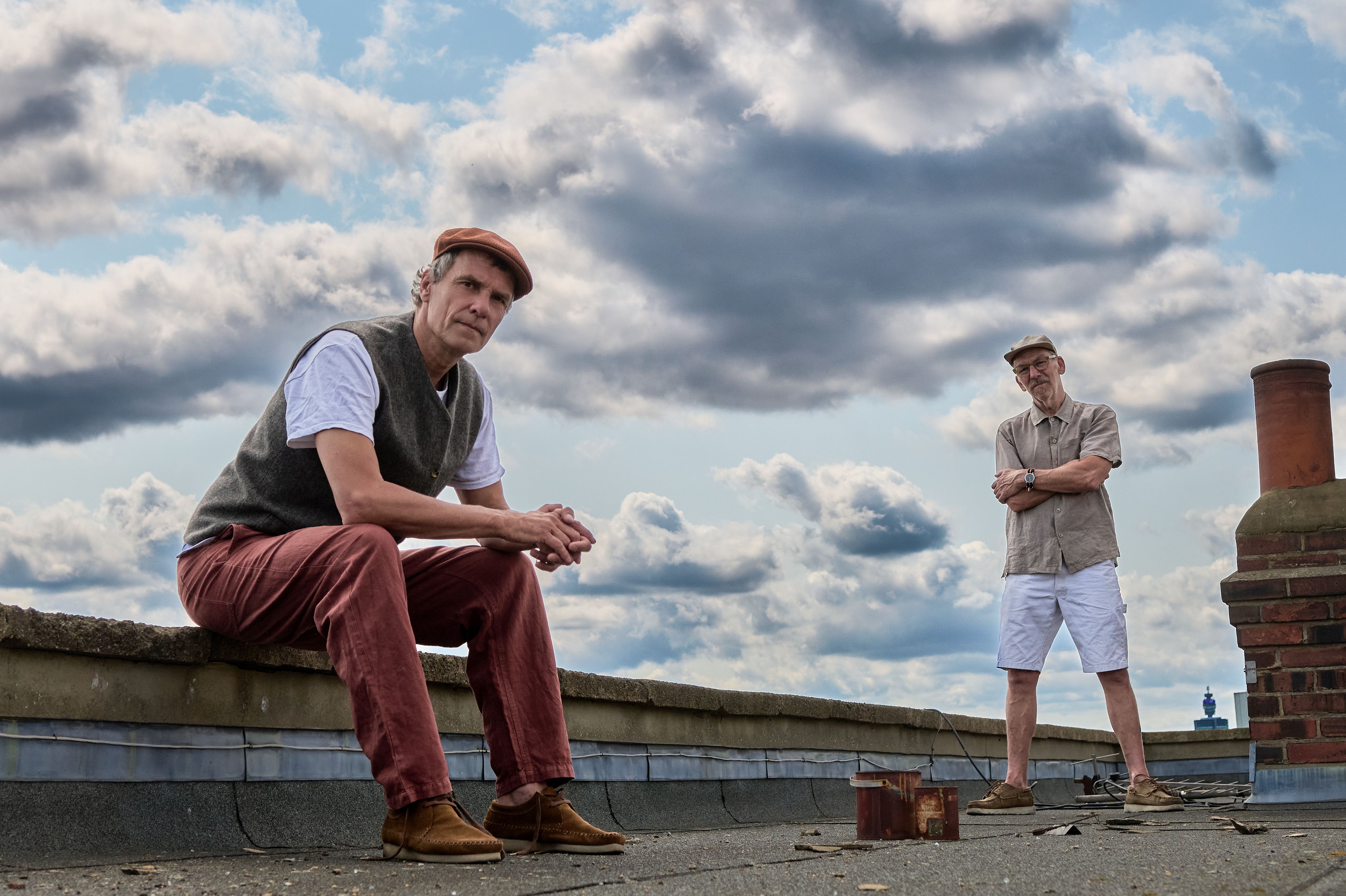
Main Members: Chris Franck, DJ Patrick Forge
Nationality: British
Current release: Da Lata's new album Edge of Blue is out now.
Recommendations for London, UK: The Tate Modern. It’s a great building with amazing exhibitions.
If you enjoyed this Da Lata interview and would like to stay up to date with the band and their music, visit their official homepage. They are also on Facebook, Soundcloud, bandcamp, and Instagram.
When it comes to experiencing strong emotions as as a listener, which albums, performances, and artists come to mind?
Prince, Erykah Badu, Gilberto Gil, Anderson Paak, Gillian Welch, Joni Mitchell, Crosby Stills Nash, Wet Leg …
There can be many different kinds of emotions in art – soft, harsh, healing, aggressive, uplifting and many more. Which do you tend to feel drawn to most?
Healing.
In as far as it plays a role for the music you like listening to or making, what role do words and the voice of a vocalist play for the transmission of emotions?
The words are very important, even if they aren’t necessarily coherent. It’s the way they are delivered, the phrasing and sound of the words which are very important.
Words are full of cliches, it’s about how to use the cliches without making them sound clumsy and lazy. The vocalist is crucial in delivering a convincing performance of the words.
When it comes to experiencing emotions as as a creator, how would you describe the physical sensation of experiencing them? [Where do you feel them, do you have a visual sensation/representation, is there a sense of release or a build-up of tension etc …]
You feel them in your heart and stomach mostly.
The excitement builds up as you are creating, especially when you know you’re onto something good and the release comes when you’ve executed your ideas properly.
When it comes to composing / songwriting, are you finding that spontaneity and just a few takes tend to capture emotions best? Or does honing a piece bring you closer to that goal?
It can be a mixture of both.
It really depends on the energy and the feeling of the moment in which you are creating.
How much of the emotions of your own music, would you say, are already part of the composition, how much is the result of the recording process?
The emotions are almost always at least 80% of the composition.
The recording process can give you new ideas as you’re doing it which you didn’t necessarily start with.
For Edge of Blue, what kind of emotions were you looking to get across?
We were looking to get a feeling of healing across.
We all know how crazy the world is and we all share these feelings of anxiety and concern. We wanted to create an album which the listener can relate to in terms of mood and lyrical content.
How do you capture the emotions you want to get across in the studio?
By trying to get focused and clear your mind of any other distractions before you go in and record.
What role do factors like volume, effects like distortion, amplification, and production in general for in terms of creating the emotions, energies or impressions you want?
No too much. It’s important to use these things sparingly and in the right way.
It’s like cooking. When you add too much of any spice then you can ruin the balance of everything.
In terms of emotions, what changes when you're performing live on stage, with an audience present, compared to the recording stage?
Every gig is different due to the fact that every venue is different which makes the listening experience for the audience change according to the venue. This is one of the challenges of performing live in terms of how to play to each audience.
It’s important to re imagine the album convincingly in a live way. Live should always be different to the studio experience.
How does the presence of the audience and your interaction with it change the emotional impact of the music and how would you describe the creative interaction with listeners during a gig?
You have to feel the audience as the gig progresses. As much as we play our set and have the order of the songs sorted before the gig, we can change things around during the gig depending on how we feel the energy of the audience.
We are all in the room together and the idea is to make it a shared experience so that everybody feels happy and joy.
What kind of feedback have you received from listeners or concert audiences in terms of the experience that your music and/or performances have had on them?
The feedback and audience appreciation has been really incredible for the band which we have at the moment.
We are all really connected as a band and we have a great energy between us. This is what the audience feels when they come to watch us and it makes them very happy indeed.
Would you say that you prefer to stay in control to be able to shape the emotions or do you surrender to them and allow the music to take over? Who, ultimately has control during a live performance?
Again, it is a bit of both. We love playing small venues where the audience is much closer and we can feel their energy better. We react to that as we can see their faces more clearly and the whole vibe between band and audience is more intimate.
The bigger gigs when the audience is further away can sometimes feel a bit disjointed.
The emotions that music is able to generate can be extremely powerful. How, do you think, can artists make use of this power to bring about change in the world?
Art is more important than ever in the world. We have to keep the counter culture alive through all forms of creativity.
We have to keep asking questions and inspiring people through our art to make a difference and stand up against the right wing bullshit and corporate control. It’s crucial that we keep the younger generation inspired through art.