Published
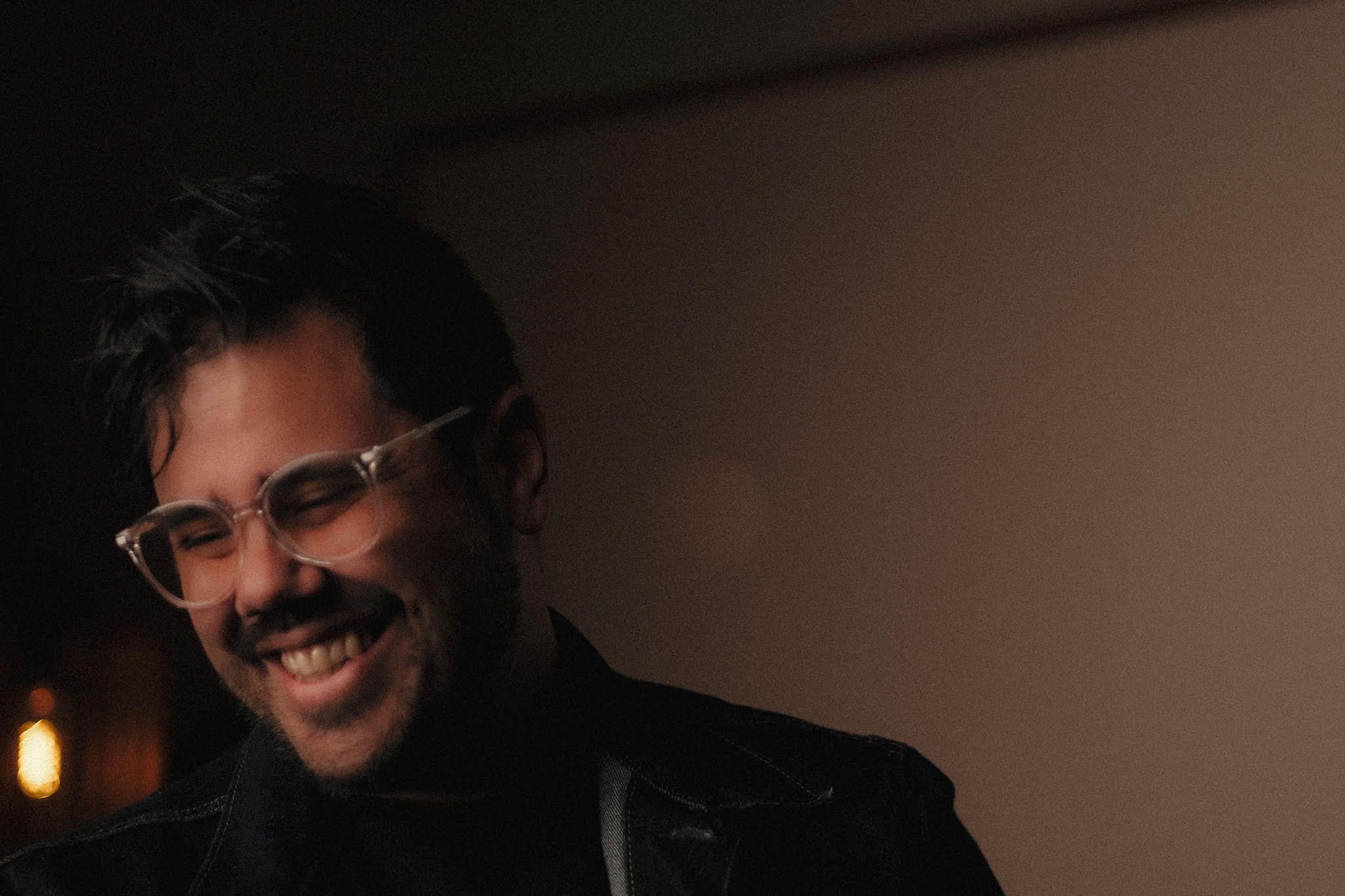
Name: Dan Hosh aka Gold Foil Hum
Nationality: Canadian
Current release: Gold Foil Hum 's debut album Character Flaw is out via Hand Solo.
Recommendations for Toronto, Canada: I love living in Toronto. The food is amazing. Some of my food faves: Union, Sugo, Porzia’s. The record shops are amazing. Some of my faves: Dead Dog Records, Sonic Boom, Rotate This.
Topic that I am passionate about but rarely get to talk about: Collect physical media! Buy your favourite records on vinyl. Buy your favourite movies on 4k discs.
If you enjoyed this Gold Foil Hum interview and would like to stay up to date with Dan Hosh's music, visit his official homepage.
Do you think that some of your earliest musical experiences planted a seed for your interest in film music as well?
Absolutely. The first song I ever loved was “Kiss From A Rose” by Seal - made famous by Joel Schumacher’s 1995 masterpiece Batman Forever.
I discovered Elliott Smith from Good Will Hunting, and the first time I remember hearing the Rolling Stones was in Casino.
Needle drops were so important in shaping my musical tastes.
For your own creativity and approach to writing for film, what were some of the most important things you learned from teachers/tutorials, other composers, or personal experience?
I’ve been producing records for indie artists since 2009, and the most important thing about any creative collaboration is creating a frictionless environment.
I try every idea. I’ll cut 20 takes of a song until we find the one. And I try to go easy on myself when things don’t work right away.
When I was writing “Button Masher,” I had the initial guitar riff for a long time but couldn’t figure out the end of the song. I tried approximately one million ideas until realizing I had to mute the guitars halfway through, and make the end all about the Moog Grandmother.
That’s the version on the record now.
There are dedicated scores, sound tracks, temp tracks that ended up staying in the finished movie, and even scores that were written without the composer seeing the movie first. How do these different premises affect the finished movie, do you feel?
I love demos. I love temp tracks. There’s a freedom to the way people perform when they don’t think it’s forever.
When I’m writing and recording music, I’m doing my best not to overthink. Is the music cool? Does it work for the moment? Nothing else matters.
As creative goals and technical abilities change, so does the need for different tools of expression, be it instruments, software tools or recording equipment. Can you describe this path for you, starting from your first studio/first instrument? What motivated some of the choices you made in terms of instruments/tools/equipment over the years?
I started my career recording on Pro Tools, but it was just after the transition from analog tape, so everyone was treating Pro Tools like a tape machine still. Get musicians in the room, set up some microphones and start recording.
Over the years, my work evolved into making full projects where I play every instrument myself. To me, that’s liberating. Every song on Character Flaw is almost exclusively me playing every instrument.
To achieve this, my studio environment has to be dialed in. Everything plugged in all the time. No patchbays.
Can you take me through your process of composing a soundtrack on the basis of a movie that's particularly dear to you, please?
The song “Coin Tosser” was written for No Country for Old Men. It’s one of my all time favourites.
I was imagining what that movie would sound like if the Coens had hired me to compose. I thought it would be interesting to avoid traditional ‘western’ sounds.
The final version is basically me trying to be Mogwai.
I would assume that a major part of composing for film is the ability to interpret the images and the narrative at play. Tell me about how this works for you and how these interpretations in turn lead to sounds and compositions.
Character Flaw is me experimenting with exactly that.
I co-write songs with artists a lot, and most sessions start with writing about an experience in that artist’s life. Sometimes it can lead to really boring songs. I’m always pushing artists to write to a prompt, or put their twist on someone else’s (more exciting) experience.
Writing a song like “Stunt Driver” was me trying to capture the feeling and vibe of what the movie Drive should sound like.
How do the other aspects of a movie's sound stage – such as foley and effects – influence your creative decisions?
A few years ago, I lucked into the opportunity to record foley on some amazing projects (notably The Last of Us & Fargo) - It’s a huge part of my life now.
It influenced the way I listen, and influenced the way I make sounds, even when it comes to music. I’m trying to make even the most synthetic sounds feel ‘organic’ in some way.
Different composers could potentially approach the same scene with strikingly different music. Would you say there can be 'wrong' and 'right' musical decisions for some scenes? In which way can some film music be considered 'definitive'?
There are no rules. I love the way music constantly evolves. I love all the iconic synth soundtracks of the 80s.