Published
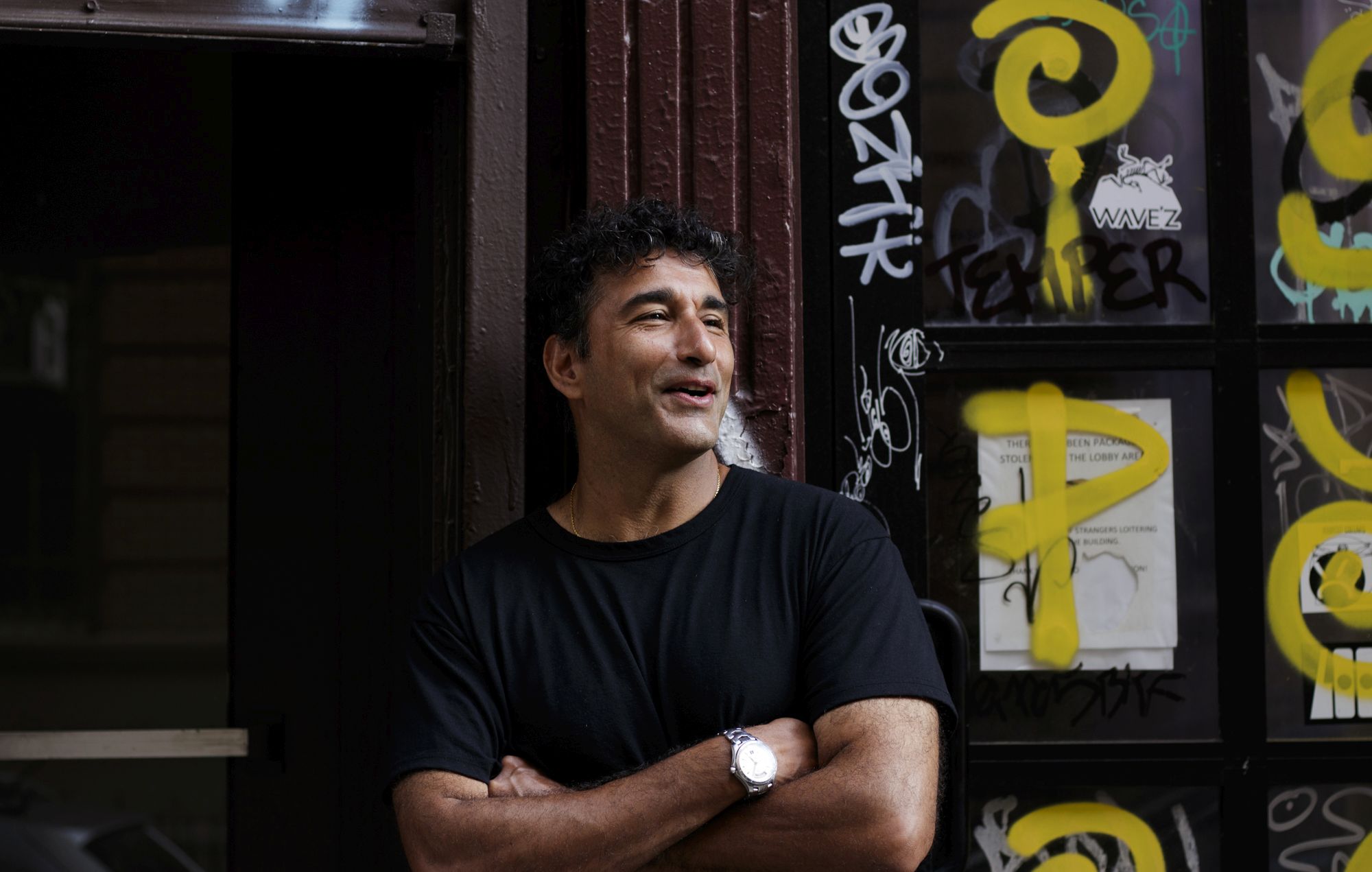
Name: Deepak Sharma
Nationality: Indian
Occupation: Producer, DJ, curator at Hidden Recordings
Current Release: Deepak Sharma has three new singles out at the same time, DCS 31-33, all on Hidden. Get them from beatport: DSC031; DSC032; DSC033.
Recommendations:
Book: Wabi Sabi: For Artists, Designers, Poets & Philosophers by Leonard Koren. It’s about embracing imperfection and transience, something I apply to music and life.
Music: Porter Ricks – Biokinetics. A timeless example of deep, aquatic techno that still influences me today.
If you enjoyed this Deepak Sharma interview and would like to know more about his music, visit him on Instagram.
Do you think that some of your earliest musical experiences planted a seed for your interest in DJing? How and when did you start DJing?
Absolutely. The real seed was planted when I experienced proper underground techno on a dancefloor for the first time. That visceral, physical connection to sound, and that was it.
I started DJing seriously about 20 years ago, initially just collecting records and playing out in small spaces. Over time, it evolved into a deeper practice, tied to my label, my productions, and a vision for creating meaningful, immersive experiences through sound.
Today, DJs are rarely just DJs. Very often, they can be producers who are also DJs or DJs who are also producers. Where do you see yourself on this spectrum and what kind of potential issues and cross-pollinations does this create?
I see myself as a DJ first. The dance floor is where I’ve learned the most about tension, flow, and connection. Producing came later as a way to express what I couldn’t always find in the records I was digging.
The two roles definitely influence each other. Playing vinyl, for example, gives me a certain perspective on arrangement and weight that translates into how I build my own tracks. The challenge is time, and balancing both without sacrificing depth.
But the reward is synergy: what I create feeds into what I play and vice versa.
What were some of the most important insights you gained from teachers/tutorials, other DJs, or personal experience? What does it mean to be a “better DJ?”
A better DJ listens more than they play. You learn by observing the room, understanding energy shifts, watching how people move, or don’t.
One key insight came from playing long vinyl sets: patience is power. Letting things breathe and trusting the groove. Also, digging deeply, not just for bangers, but for tracks that tell stories.
Tutorials and gear are useful, but nothing replaces real hours behind the decks, in the booth, figuring out what works, and why.
For you, is there still listening outside of looking for music for your next sets? If so, what do you prefer to listen to and how does it possibly nonetheless have an influence on your performances?
Absolutely. Outside of digging, I listen to ambient, jazz, film scores, music with space and emotion. That influences how I think about contrast in a set.
A hypnotic techno record hits harder when there’s been space to build tension or reset. That’s something I apply even in peak-time slots.
Emotion and restraint can be just as impactful as intensity.
When digging, what are you looking for? Is the process all about taste for you, or is it about “going beyond taste?”
Taste is a starting point, but going beyond it means listening without ego.
I dig for tracks that challenge me or might not even make sense at first. I’ll sit with a record, test it in a set, see how it reacts. I also reach deep into archives, early 2000s hardgroove or obscure minimal cuts, and recontextualize them.
That element of surprise, of rediscovery, keeps the process fresh.
On the basis of one of your most recent gigs, tell me about how the preparation- and decision-making process works during a gig with regards to the inclusion of key records, the next transition and where you want the set to go?
At Berghain last summer, I played a vinyl set, so preparation was essential.
I brought a curated selection but allowed room for instinct. I knew I wanted to start deeper and stripped down since my set began at 8:30am, then gradually bring in harder, groovier elements as the energy shifted. Key records are anchors, they give me direction, but I leave space to respond in the moment.
Every transition is about tension and release. It’s not just beatmatching, it’s storytelling.
There must be endless ways of “matching” two or more tracks. How do you prefer to do it? What makes two tracks inherently “matchable” and what constitutes a great transition?
For me, it’s about texture and tone as much as rhythm. When two records share a certain atmosphere even if the BPMs or structures differ they can blend in interesting, sometimes unexpected ways.
A great transition creates tension without disruption. It carries the energy forward while opening a new door.
With vinyl, there’s no visual cue, just your ears and your hands. That makes it more intimate, more alive.
How would you describe the experience of DJing, physically and mentally? Do you listen – and deejay - with your eyes open or closed?
Both. Physically, it’s about control and release, balancing focus with surrender. Mentally, it’s a dialogue between planning and instinct.
I often find myself with eyes closed during key transitions, tuning in fully. But I’m always reading the room. That dual awareness, internal and external is where the magic happens.
Do you engage with audiences/dancers - and how? Taking one of your online DJ mixes as an example, how does the experience and the way you deejay change when you subtract the audience?
Yes, absolutely. I engage through the set’s flow, not necessarily with gestures, but by responding to their movement, their silence, their energy.
Online mixes are more introspective for me, like writing a letter instead of having a conversation. They’re crafted with precision and intention, but without the real-time feedback loop, they can lean more experimental or personal.
Collaboration is a key part of almost every aspect of music making, but it is still rare in DJing. Tell me about your own views on back-to-back DJing, interactions with live musicians or other forms of turning DJing into a more collective process.
I enjoy back-to-back sets when there’s real chemistry, not just musically but in mindset. It can be unpredictable, which is the appeal.
But collaboration only works when there’s trust and a shared vision. Otherwise, it’s noise.
How important is dancing for our well being on a personal and even on a societal level?
It’s essential. Dancing is one of the few remaining communal rituals that lets people release, connect, and process emotions without words.
On a personal level, it's healing. On a societal level, it fosters connection in an increasingly fragmented world. That’s what the best dancefloors do, they unify.
Especially in the light of advances in AI, where do you see the role of humans in DJing versus that of technology? Can AI act as a collaborator or creative stimulus?
AI can be a tool, but it can’t replace human intuition, at least not yet. The best sets are about subtle shifts, emotion, timing. Those are human instincts.
That said, I’m open to exploring how AI can assist, maybe in sound design or organizing vast music libraries. But I wouldn’t rely on it to mix or decide what to play. It lacks the context of the moment, the feel of the room.
Tinnitus and developing hyperacusis are very real risks for anyone working with sound. Do you take precautions in this regard and if you're suffering from these or similar issues – how do you cope with them?
Yes, I take it seriously. I use custom earplugs when I’m not performing and take breaks when I can. I also try to limit unnecessary exposure, especially in sound checks.
It's not something people talk about enough, but once hearing is compromised, it affects everything, not just performing but producing and even enjoying music.
Do you feel as though DJing is inherently different from something like making a great cup of coffee? What do you express through music that you couldn't or wouldn't in more 'mundane' tasks?
Both can be rituals, but DJing allows for emotional expression and connection on a scale that’s hard to match. Through music, I can process and express things that are hard to articulate otherwise: intensity, longing, release.
A cup of coffee can comfort, but a great set can transform.
Let's imagine you lost all your music for one night and all there is left at the venue is a crate of records containing a random selection of music. How would you approach this set?
I'd lean in. First, I'd sift through the records quickly, feel their weight, and look for clues. Then I’d start slow, build tension, and let the challenge become part of the story.
Some of the best sets come from restriction. It’s about reading the room and being open to surprise.