

Name: Demian Licht
Nationality: Mexican
Occupation: Producer, sound designer
Current release: Demian Licht's new EP HÉMERA VOL.1 is out via Motus.
Recommendations on the topic of sound: I would like to mention Rick Rubin's book, The Creative Act: A Way of Being. While it is not exclusively focused on sound, it is authored by a music producer whom I consider one of the most intuitive figures in the realm of sound creation. His insights illuminate the creative process in a profound way, offering valuable perspectives that resonate beyond the confines of music.
If you enjoyed this Demian Licht interview and would like to know more about her music, visit her on Instagram, Soundclou and Facebook.
When I listen to music, I see shapes, objects and colours. What happens in your body when you're listening? Do you listen with your eyes open or closed?
The impact of music is inherently contingent upon its genre, as not all music forms evoke a physical response or induce synaesthetic experiences. However, certain artists undeniably transport me on profound auditory journeys.
For instance, when considering the influence of body movement, Jon Hopkins’ track ‘Collider’ conjures vivid imagery of this motion, even in moments of stillness.
An artist who compels me to close my eyes - perhaps due to the spatial quality of his compositions - is Nils Frahm. I find his music so profound that the act of seeing becomes constrained, yielding to the depths of emotion that his work elicits.
[Read our Nils Frahm interview]
Regarding the phenomenon of synaesthesia, I frequently encounter this experience, which I actively incorporate into my music production process. My compositional approach is triggered by a conceptual framework or narrative which guides the creation of a track.
Mica Levi stands out as a composer that in my point of view evokes cinematic atmospheres within her work; her piece ‘Lipstick to Void’ serves as a striking example of this artistry.
How do listening with headphones and listening through a stereo system change your experience of sound and music?
Indeed, this phenomenon can largely be attributed to the absence of external auditory distractions when listening to music through headphones.
This isolation allows for a complete immersion in the musical experience, enabling one to engage more deeply with nuances and intricacies of the sound.
Tell me about some of the albums or artists that you love specifically for their sound, please.
I would like to highlight a recent discovery alongside a long-admired project. The former is Flora Yin-Wong, whose work I am particularly drawn to for its sophistication and complexity in sound design. Upon encountering her music, I found these qualities deeply captivating.
Moreover, I sense a distinct feminine essence in her compositions - an aspect that is challenging to articulate. As a female producer myself, I appreciate the beauty that resides within the chaos and intricacies of her work.
On the other hand, I have long been enamoured with Darkside - the collaborative endeavour of Nicolas Jaar and Dave Harrington. Their ability to seamlessly blend psychedelic music with electronic elements demonstrates a remarkable mastery and elegance.
Do you experience strong emotional responses towards certain sounds? If so, what kind of sounds are these and do you have an explanation about the reasons for these responses?
Certain sounds and harmonies inevitably evoke profound emotions within me.
When discussing harmonies, I find myself drawn predominantly to minor keys, which many perceive as dark or melancholic. However, for me, they transport my thoughts to realms that are more sublime and deeply introspective.
In terms of auditory textures and tonal colours, I am particularly captivated by ethereal pads and side with characteristic pads and electric sounds that possess a rich depth within the subsonic frequencies. These elements resonate with a corporeal quality that enhances the overall experience.
There can be sounds which feel highly irritating to us and then there are others we could gladly listen to for hours. Do you have examples for either one or both of these?
There are sounds that I find both tedious and irritating; however, I believe that in my particular case, this reaction is less about their frequency range and more about rhythm.
I have a distaste to the repetitive rhythms found in reggaeton and reggae music. This may seem paradoxical, as I often appreciate the repetition of loops in genres like electronica music. Yet, in these particular styles, I perceive a deficiency in substance and conceptual depth that renders the use of repetition in the beat or bassline unjustifiable.
Are there everyday places, spaces, or devices which intrigue you by the way they sound? Which are these?
I believe that nature will always be my ultimate source of sound.
When I’m not immersed in music, I thoroughly enjoy the sounds of the natural world - whether it’s in my family’s garden, where I can appreciate the chirping of crickets and the songs of birds, or while biking, when I become attuned to the sound of the wind and the buzz of insects around me.
Nature offers a vast universe of auditory experiences.
Have you ever been in spaces with extreme sonic characteristics, such as anechoic chambers or caves? What was the experience like?
Yes, I distinctly remember a particular place: a grand church in León, Guanajuato. Although I am neither Catholic nor particularly religious, my family has a tradition of visiting this church each year. 
Catedral Basilica de León Photo by AYOUB
A remarkable aspect of these visits is the unique reverberation of the hall, combined with the sound of the organ. When the music begins, it transforms into a mystical experience.
There is something profoundly special about listening to the majestic tones of this enormous organ being played in such an extraordinary setting.
What are among your favourite spaces to record and play your music?
For recording and music production I really need a space with natural light, windows and if I can have nature or at least plants near me, a place where I can feel cosy. Producing electronic music is a very technical process and to have some nature around brings some balance.
For performing I love places that are outside of the common spots to play electronic music. Instead of playing in a club I like places like art galleries, churches or warehouses. These kinds of places allow the performer and the listener to go out of the box with the output that the artist could bring into the moment and the input that the listener could receive.
Do music and sound feel “material” to you? Does working with sound feel like you're sculpting or shaping something?
Certainly! I would describe myself more as an architect of sound than a traditional musician.
My understanding of musical harmony is somewhat limited; instead, I engage with music through the rich language of frequencies, colours, textures, timbres, and the very form of sound itself.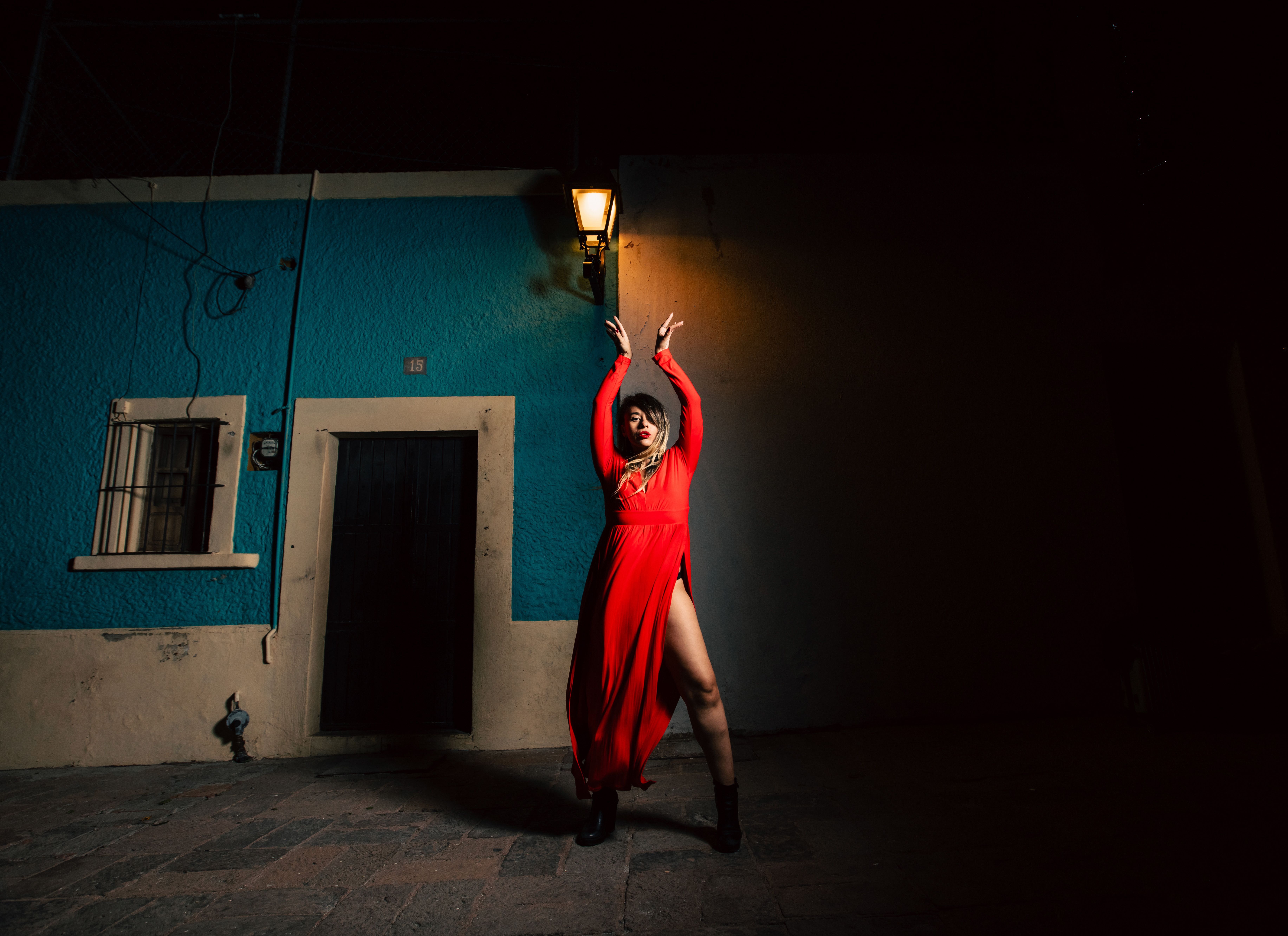
Demian Licht Interview Image by Aloha Burn
How important is sound for our overall well-being and in how far do you feel the "acoustic health" of a society or environment is reflective of its overall health?
I believe these concepts are closely intertwined.
For me, a daily sonic experience is essential—unless I’m immersed in nature or intentionally detoxing from musical inputs, which I consider crucial for both mental well-being and the creative process. However, if detoxing is not my aim, I rely on my steadfast companion, music, to provide balance in my life, regardless of genre.
Regarding the acoustic landscape of society as a reflection of its overall health, I can point to a striking example: the emergence of reggaeton in Latin America. This genre often features misogynistic lyrics that unfortunately mirror the societal issues of gender inequality and violence against women prevalent in Mexico and throughout the region.
Sound, song, and rhythm are all around us, from animal noises to the waves of the ocean. What, if any, are some of the most moving experiences you've had with these non-human-made sounds?
My deep connection to the ocean and its enchanting sounds resonates profoundly with me.
Upon returning to Mexico after nine years of project work in Berlin, it felt akin to the conclusion of a relationship that had faded with the pandemic. In search of renewal, I isolated myself on a serene surfer's beach in Guerrero, residing alone in a small hut by the sea. Locals would often ask if I feared solitude, to which I would reply that I was in the comforting company of the ocean. The rhythmic sound of the waves brought me immense peace, aiding in the restructuring of my thoughts and guiding me toward a new path.
During that period of solitude, I embraced surfing, and this year marks three years of my engagement with this beautiful practice, which has been instrumental in helping me regain my balance.
Many animals communicate through sound. Based either on experience or intuition, do you feel as though interspecies communication is possible and important? Is there a creative element to it, would you say?
I find the communication through sound in the animal kingdom both fascinating and, to some extent, magical.
While many species could be highlighted, the realm of birds stands out particularly for its creative expression. Their songs possess an implicit style, imbued with action and intention.
Fortunately, in my locale, I am still able to appreciate the presence of exotic birds, each displaying unique colours and personalities. Often, I am graced with the delightful experience of listening to their melodies, which reveal their attempts at seduction.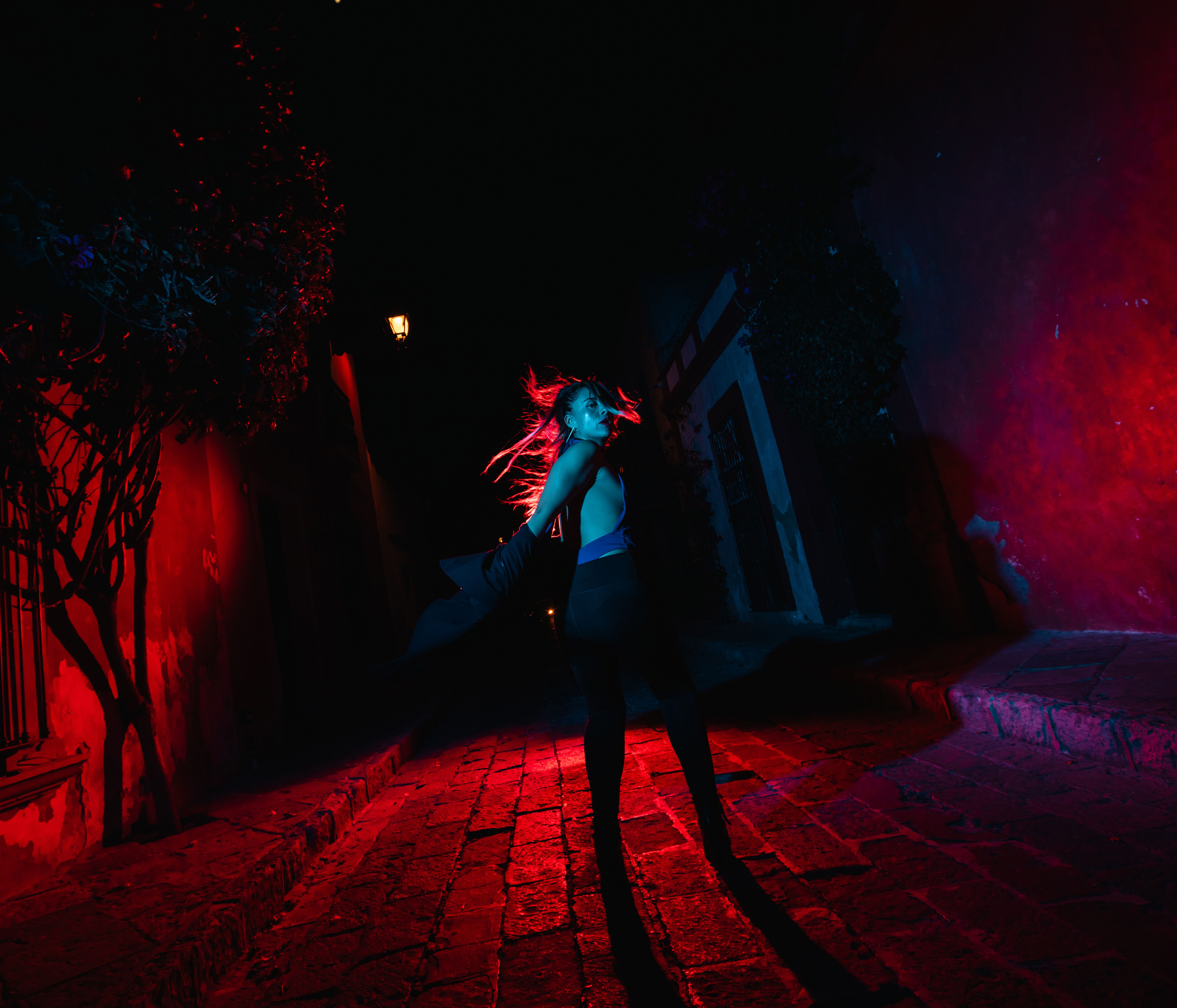
Demian Licht Interview Image by Aloha Burn
Tinnitus and developing hyperacusis are very real risks for anyone working with sound. Do you take precautions in this regard and if you're suffering from these or similar issues – how do you cope with them?
I make a conscious effort to avoid high volumes unless absolutely necessary. Although I am an electronic music producer, I don’t frequently attend parties; instead, I prefer to conserve my energy for my creative pursuits and sports. I only go to concerts for friends or when a specific artist I admire is performing.
When producing music, I aim to work at appropriate volumes and take regular breaks to protect my hearing.
We can surround ourselves with sound every second of the day. The great pianist Glenn Gould even considered this the ultimate delight. How do you see that yourself and what importance does silence hold?
I believe that a significant part of the joy of being alive arises from the rich tapestry of sound that envelops us, particularly during my walks through bustling cities or tranquil nature. At times, I relish the experience of listening to music, while at other moments, I find profound delight in simply attuning to the symphony of life in these environments. I find it truly marvellous.
Equally important, however, is the necessity of embracing silence. In my experience, clarity and truth emerge only when I consciously withdraw from the clamour of social networks, the presence of others, and any surrounding noise. It is in these quiet moments, when I engage the mute button on the world, that I can reconnect with myself amidst the beautiful chaos of life.
This practice of intentional resetting is vital for me, especially during creative processes, as it helps me harmonise external influences with my inner sound.
Seth S. Horowitz called hearing the “universal sense” and emphasised that it was more precise and faster than any of our other senses, including vision. How would our world be different if we paid less attention to looks and listened more instead?
What a beautiful question! I wholeheartedly agree that the act of listening demands a deeper level of attention and reflection, as it is often less immediate and apparent than seeing.
From my perspective, if we were to prioritise listening over seeing, it could profoundly enhance our capacity for empathy. By truly engaging with the voices and experiences of those around us, we would cultivate a richer understanding of their perspectives.
This shift could yield significant benefits for society as a whole.

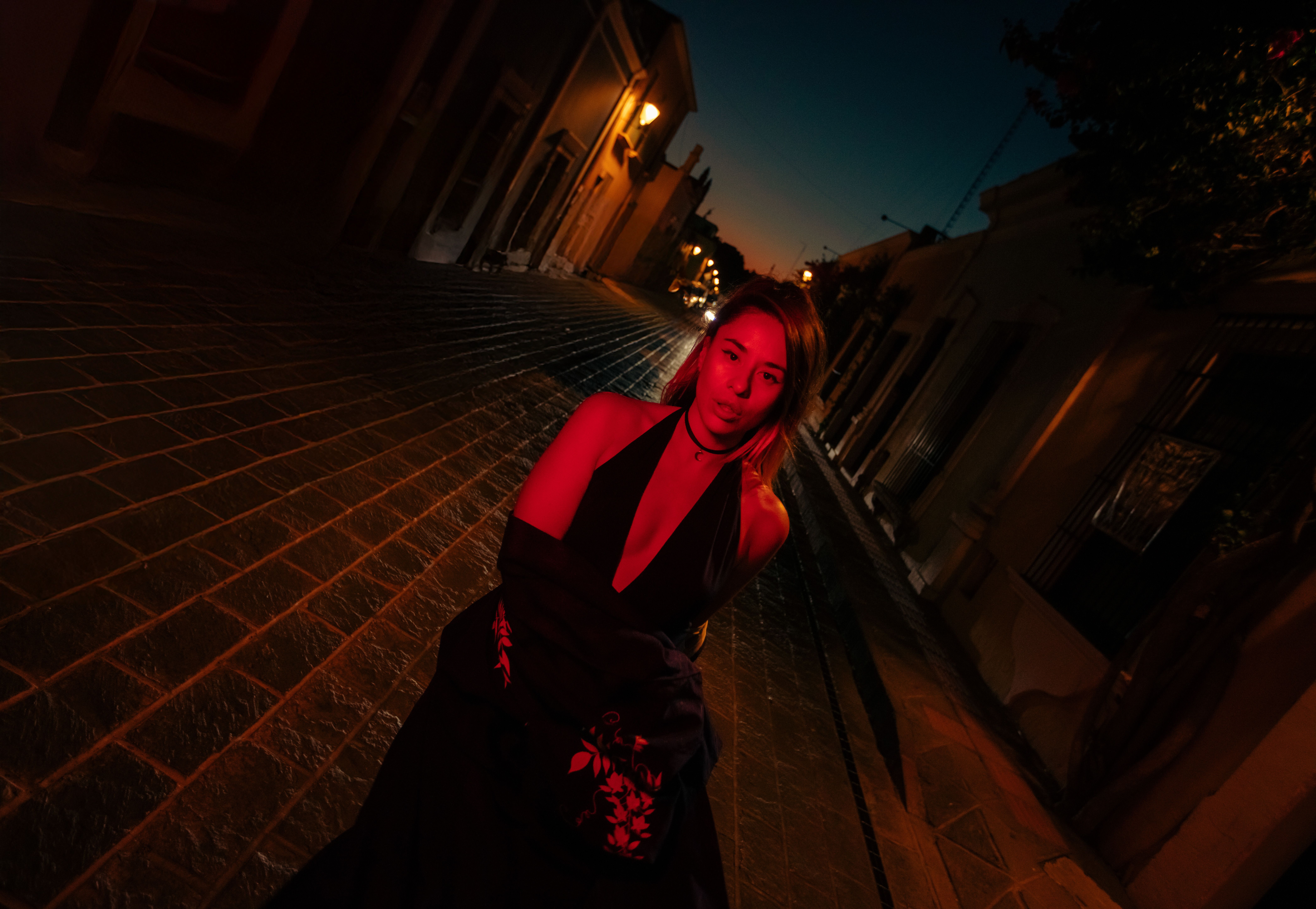 Demian Licht Interview Image by Aloha Burn
“I engage with music through the rich language of frequencies, colours, textures, timbres - and the very form of sound itself.“
Video
