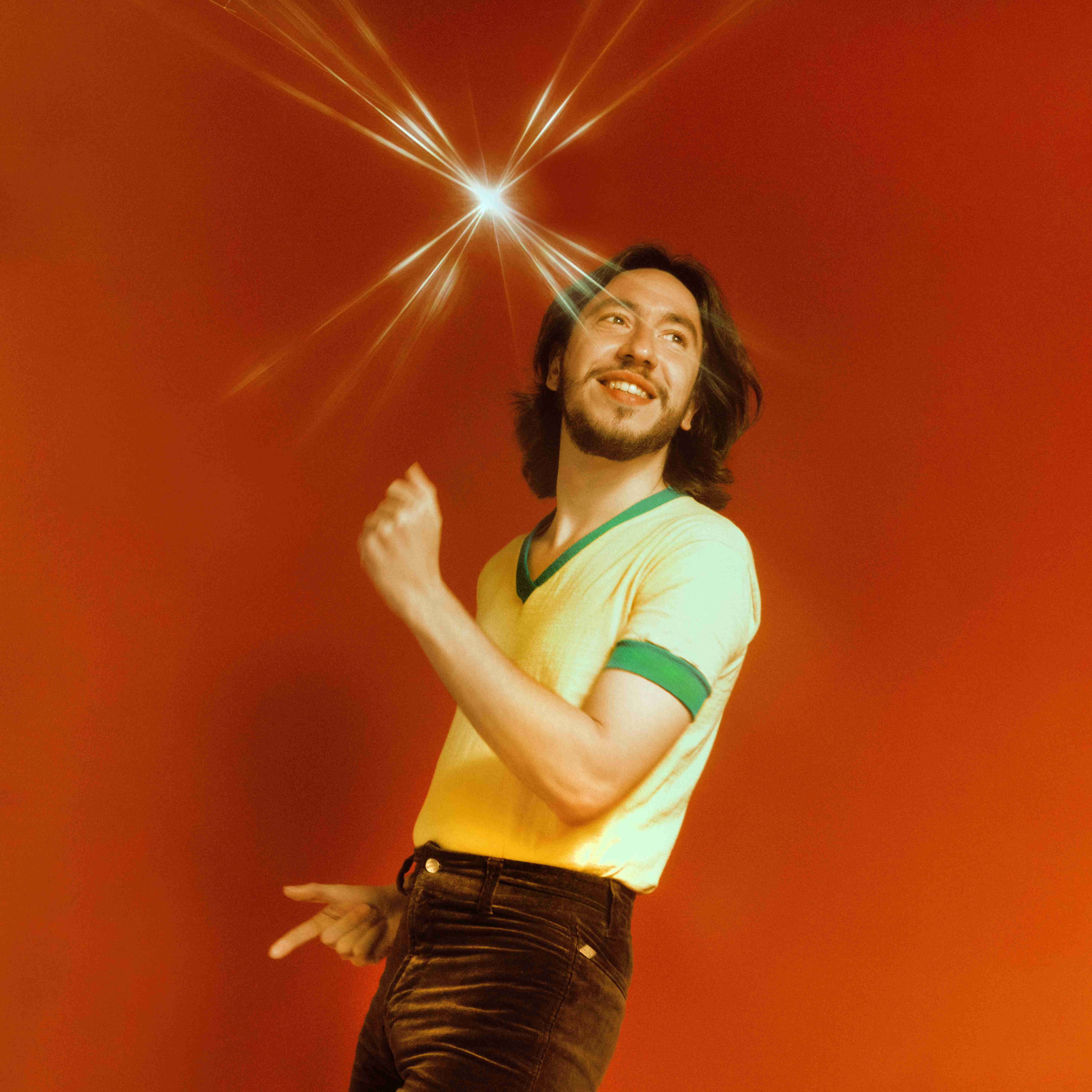
Published
Name: Diogo Strausz
Nationality: Brazilian
Occupation: Songwriter, producer, multi-instrumentalist, DJ
Current release: Diogo Strausz's new album Dance Para Se Salvar is out via Favorite.
If you enjoyed this Diogo Strausz interview and would like to stay up to date with his music and upcoming live performances, visit him on Instagram, Soundcloud, and bandcamp.
There can be many different kinds of emotions in art – soft, harsh, healing, aggressive, uplifting and many more. Which do you tend to feel drawn to most?
I find hope to be quite beautiful. The idea of being in a dark place but seeing the light at the end.
“Dance To Save Your Soul” which closes the album comes to mind.
I have had a hard time explaining that listening to death metal calms me down. When you listen to a song or composition, does it tend to fill you with the same emotions – or are there “paradoxical” effects?
I find peace when listening to ambient or atonal music, as it shuts off my brain for a moment.
Otherwise I can be easily droned to overthinking about how it was made.
In as far as it plays a role for the music you like listening to or making, what role do words and the voice of a vocalist play for the transmission of emotions?
I'm very driven by the aesthetic and intention of the vocals.
If combined with strong lyrics it's even better. But words don't get me as much as the rest.
When it comes to experiencing emotions as as a creator, how would you describe the physical sensation of experiencing them? [Where do you feel them, do you have a visual sensation/representation, is there a sense of release or a build-up of tension etc …]
It's a rollercoaster between the euphoria of finding something beautiful and the stressful calmness of searching for it.
You can feel your body agitated when the magic happens. Or the tension in the guts hasn't happened yet.
When it comes to composing / songwriting, are you finding that spontaneity and just a few takes tend to capture emotions best? Or does honing a piece bring you closer to that goal?
I'm a big fan of voice memos for capturing spontaneity. But when it comes to really translating the emotions behind it I don't mind sharpening the blade until it feels perfect.
Every theme in the album, like the "na na na” vocals in “Com Magia” started as spontaneous voice memos.
How much of the emotions of your own music, would you say, are already part of the composition, how much is the result of the recording process?
I find the initial emotion on voice memos to be very precious. But once musicians and collaborators step in, they add their magic sparkle.
Like the drum fills during the instrumental part of “Frevo Mulher”. They add to the feeling of carnival euphoria I was searching for.
For Dance Para Se Salvar, what kind of emotions were you looking to get across?
I guess contentment. As we are always searching for something else somewhere else.
How do you capture the emotions you want to get across in the studio?
Voice memos are king. Speaking with the Diogo from the past.
What role do factors like volume, effects like distortion, amplification, and production in general for in terms of creating the emotions, energies or impressions you want?
Aesthetics matter a lot. Imagine if Van Gogh's paintings were black and white.
In music these effects help you place elements and give them character.
In terms of emotions, what changes when you're performing live on stage, with an audience present, compared to the recording stage?
Music is a lot about sharing. So the recording stage feels like a dream and the stage feels like reality.
How does the presence of the audience and your interaction with it change the emotional impact of the music and how would you describe the creative interaction with listeners during a gig?
I believe people are free to take as much (or as little) as they want from the experience. So I try to match their energy instead of pushing them.
If I (not the music) need to tell people what to do, it means we are both at the wrong place.
What kind of feedback have you received from listeners or concert audiences in terms of the experience that your music and/or performances have had on them?
Sometimes I hear that people connect with themselves in a new way. I imagine it is because of the rhythm and all the Brazilian symbols I bring in.
The emotions that music is able to generate can be extremely powerful. How, do you think, can artists make use of this power to bring about change in the world?
Providing these emotions is a big responsibility, especially for mainstream artists who speak with mass audiences and need to conciliate very different perspectives.
Reminding people that our democracies are dying and we have civil responsibilities towards one another is very important right now.