Published
Name: Divanhana
Members: Selma Droce (vocalist), Larisa Droce (violinist), Irfan Tahirović (percussionist), Azur Hajdarević (bassist), Nedžad Mušović (accordion), Neven Tunjić (keyboards), Darko Saračević (sound engineer)
Interviewees: Neven Tunjić, Selma Droce
Nationality: Bosnian
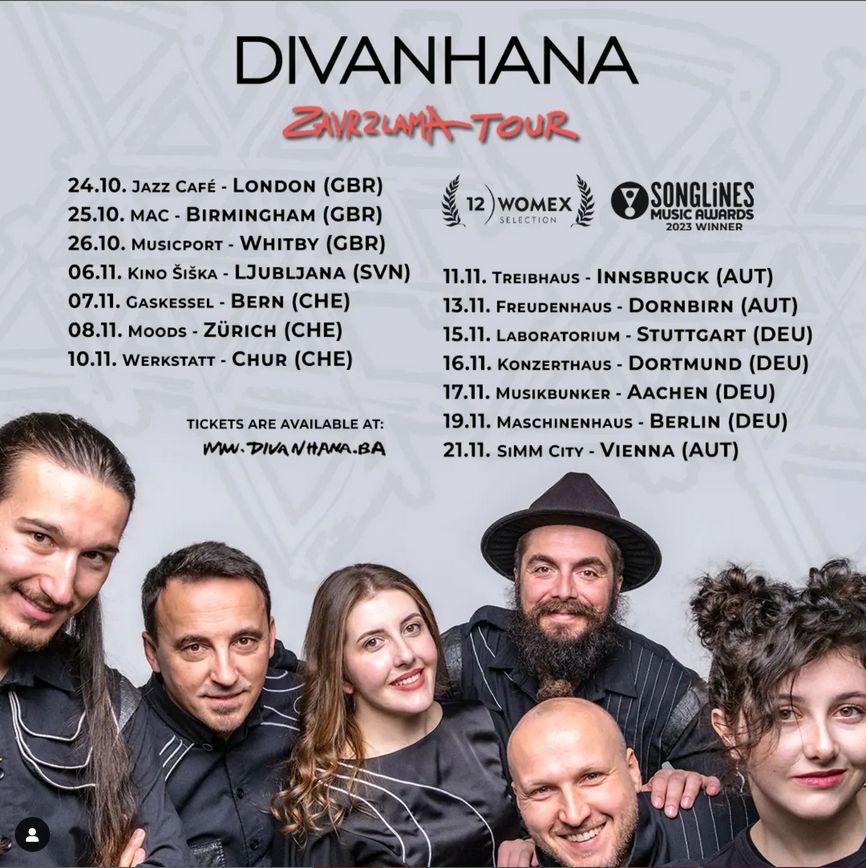
Current event: Divanhana are one one of the acts performing at the Musicport Festival 2024. Under the headline of “A Magnet for World-Class Musical Diversity,” the festival will take place at Whitby’s landmark Pavilion - Friday October 25 – Sunday October 27 2024. Get tickets here. Other acts at the event include Afro Celt Sound System, Chahat Mahmood Ali Qawwal Group, Rokia Koné, Fulu Miziki as well as Jah Wobble and The Invaders of the Heart.
Recommendations:
Neven Tunjić: At the moment, I’m reading Man and His Symbols by C.G. Jung, and I highly recommend it to your followers.
Additionally, if you ever find yourself in Sarajevo, be sure to visit the National Gallery of Bosnia and Herzegovina. There, you can see a stunning painting by Gabrijel Jurkić titled Visoravan u cvatu (Plateau in Bloom). It’s a true masterpiece that beautifully captures the essence of Bosnian nature and mountains. We often refer to it as the painting with a million flowers.
[Read our Rokia Koné interview]
If you enjoyed this Divanhana interview and would like to know more about the band, visit their official website. They are also on Instagram, and Facebook.
For a while, it seemed as though the model of the bedroom producer would replace bands altogether. Why do you like playing in a band rather than making music on your own?
Neven Tunjić: By the end of the 2000s, the band was formed by a group of students from the Music Academy in Sarajevo, including myself. We grew up in the '90s, and our musical tastes were shaped by listening to various bands from around the globe.
Musically, we were nurtured to embrace the collaborative spirit of being in a band, believing in the power of teamwork, and valuing the synergy that comes from different opinions and ideas—even conflicts—which can ultimately lead to incredible creativity.
Although Divanhana is a band, that doesn’t mean I can’t create my own music. I have composed songs on my own, and my bandmates help me bring those ideas to life, making them even better than I could have ever imagined.
What, to you, are some of the greatest bands, and what makes them great?
Neven Tunjić: As I mentioned, I grew up listening to numerous bands from the '90s, many of which were English bands like Radiohead and Massive Attack. Even today, I believe that the UK music industry continues to have a significant impact on global music trends, productions, and the industry globally.
To me, every successful band possesses a unique group dynamic, blending diverse musical tastes and talents into something that resonates with people worldwide, creating a high level of connectivity.
Before you started making music together, did you in any form exchange concrete ideas, goals, or strategies? Generally speaking, what are your preferences when it comes to planning vs spontaneity in a collaboration?
Neven Tunjić: Yes, we did. While studying at the Music Academy in Sarajevo, we were involved in various projects where we experimented with different musical genres. At one point, we blended classical music, soul, and jazz with our traditional sounds, and we really enjoyed it. We decided to share our ideas with the world.
In our career, we've planned extensively, including creating promotional strategies, producing albums, and organizing tours. However, we also love when things happen spontaneously, whether it's an idea for a song or a collaboration with other artists.
For instance, during festivals, we often attend other artists' concerts, and if we connect with someone, we reach out to them, share our demos, and sometimes this leads to beautiful songs or even lifelong friendships.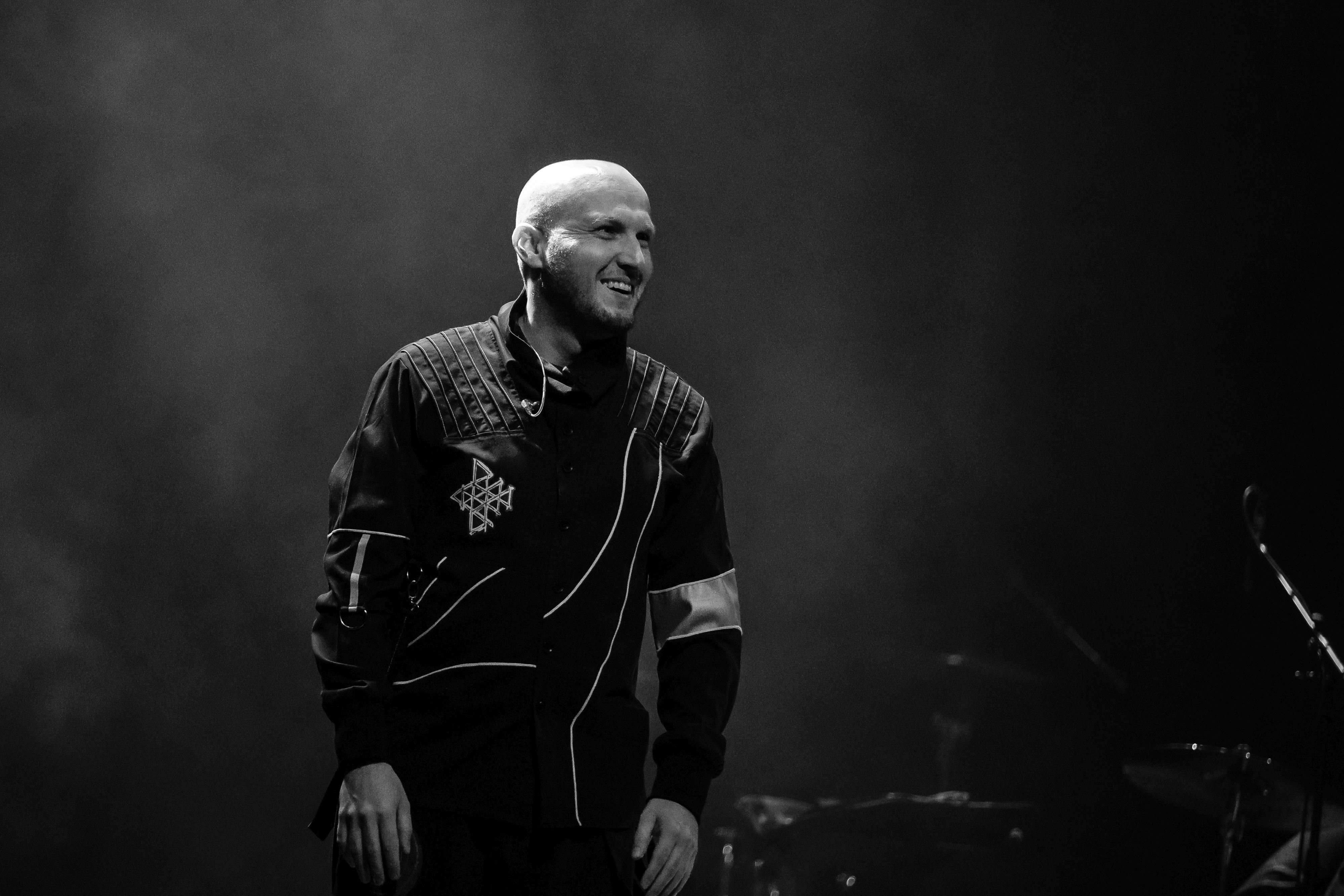
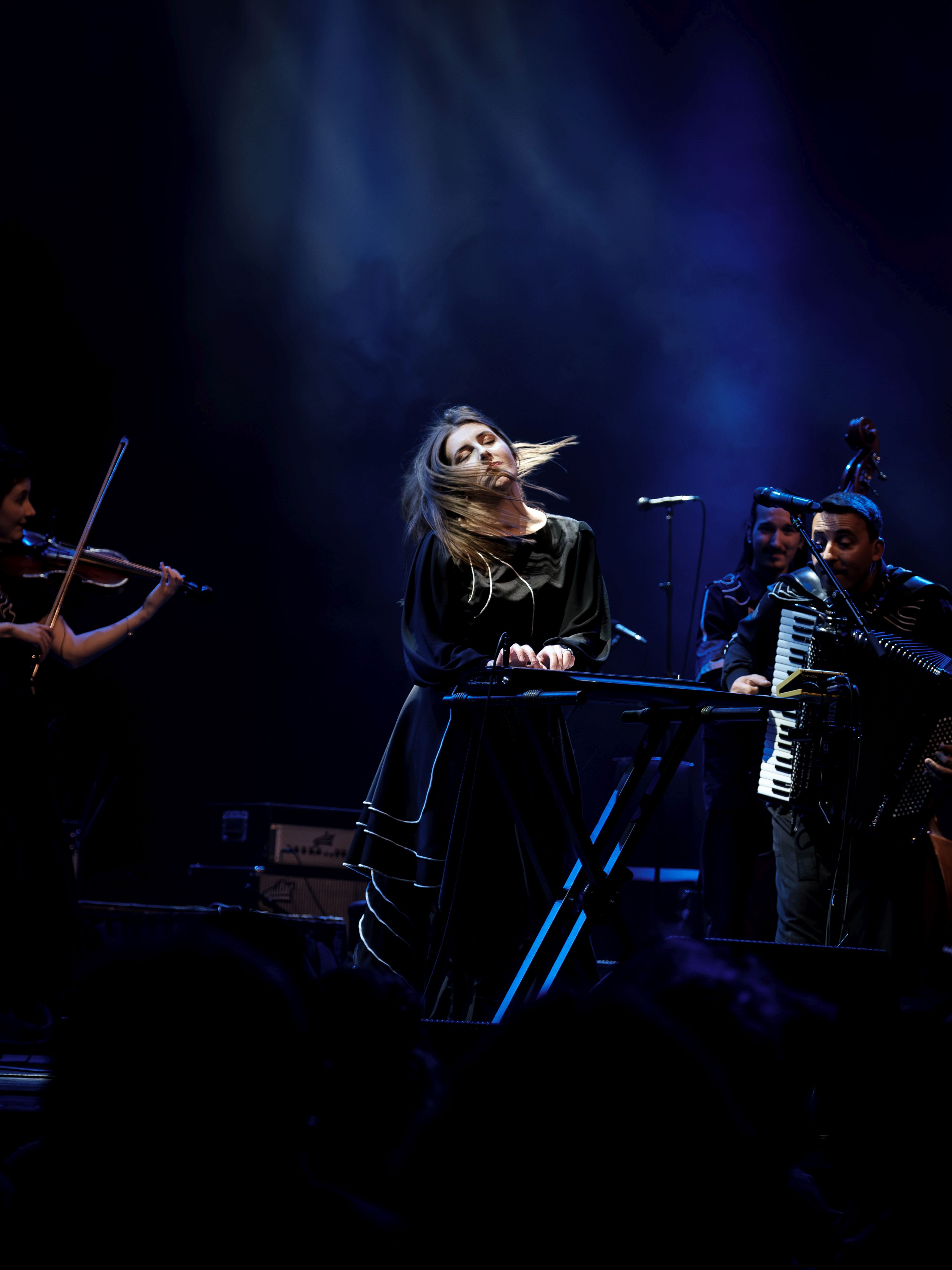
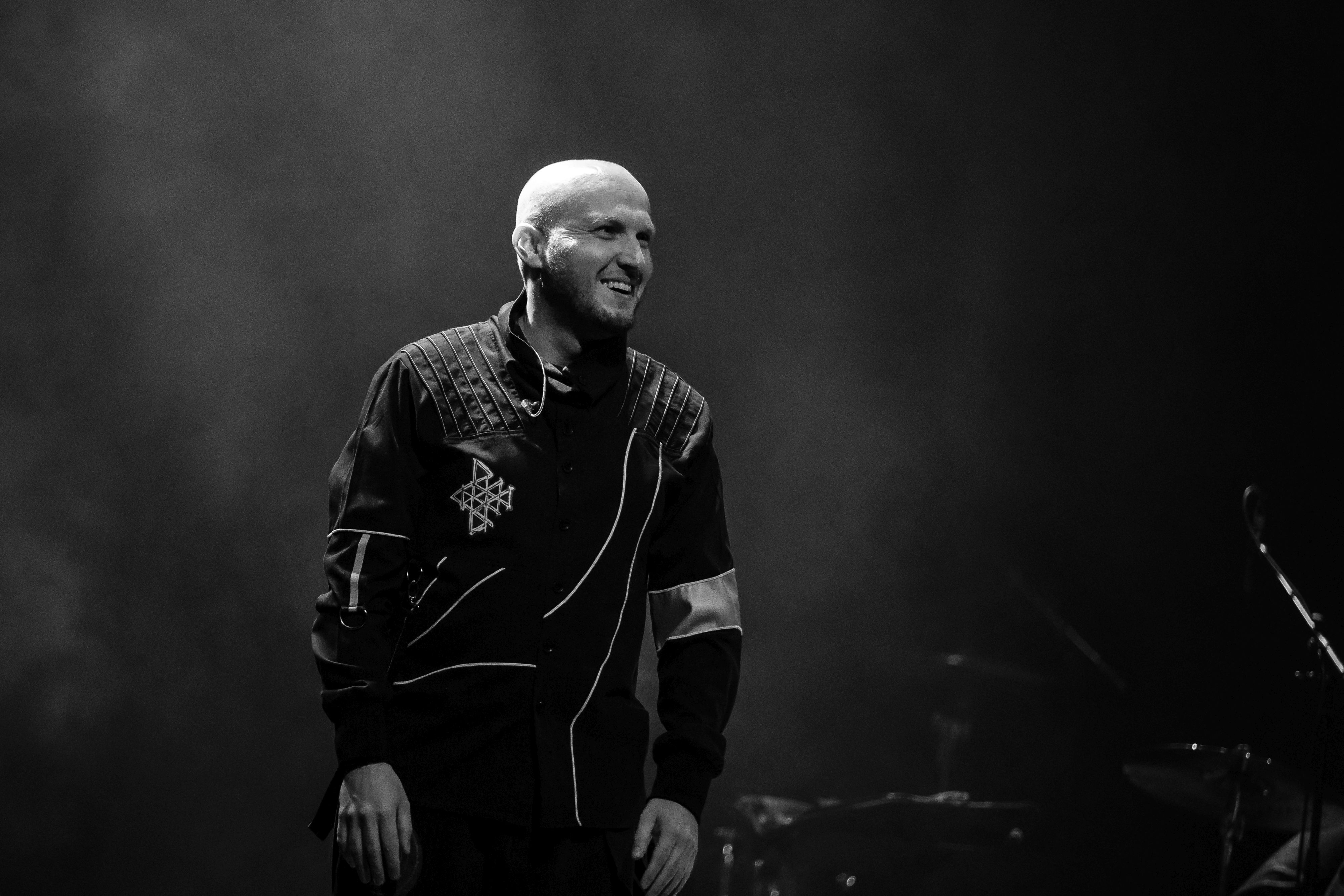
Neven Tunjić of Divanhana Interview Image by Colin Miller
There are many potential models for creativity, from live performances and jamming/producing in the same room together up to file sharing. Which of these do you prefer – and why?
Neven Tunjić: We loved all of them, and you never really know what will resonate at any given time.
Our album Zavrzlama, which we’re currently touring and will promote in the UK this October, was recorded in just three days in Ljubljana (Slovenia). We approached it by jamming and having a great time with our producer in the studio. We aimed to capture the feel of street performers or gypsies, filled with spontaneous moments, improvisations, and even some mistakes.
However, a few years later, we’ve moved into a phase of our career where we enjoy creating music in our home studios. We share ideas, record parts separately, and then piece everything together. We also collaborate with artists we’ve met on our road trips, who add unique elements to our work and contribute to our wonderful creative journey.
The world of music is a fantastic and beautiful place to explore and learn something new every day, and we are incredibly grateful for that.
How do your different characters add up to the band's sound and in which way is the end result – including live performances – different from the sum of its pieces?
Selma Droce: Let’s start with the fact that we all have different musical tastes and preferences, often influenced by the instruments we play. Personally, I’m drawn to pop and jazz sounds, aiming for the vocal aesthetics of Beyoncé and Ella Fitzgerald. At the same time, I incorporate the ornaments and sentiment of sevdah singers like Silvana Armenulic and Zehra Deovic.
Neven already told you his preferences. A classically trained violinist, like our Larisa-Lejla, will naturally gravitate towards a clean and stable sound, inspired by the precision and clarity of classical violin music, while our percussionist, our Irfan, finds inspiration and joy in music with rich, complex rhythms, like Cuban, Afro, or the uneven rhythms of Balkan music.
Finally, in our group, we have fans of popular, classical, rock, metal, jazz, world music and electronic music, all coming together.
It is also important to say mention that some of us are more inclined to explore new experiences, while others prefers to remain true to established traditions and sounds. Both approaches are valuable and necessary; sometimes innovation brings fresh perspectives, while other time, the timeless appeal of the classics holds unmatched value.
Tell me about a piece or album which shows the different aspects you each contribute to the process particularly clearly, please.
Selma Droce: Two years ago, we participated in a wonderful festival in Manresa, near Barcelona, where we met flamenco guitarist Luis Robisco. We decided to record a song together.
Our collaboration happened somewhat spontaneously. I already had some music in mind, and later, my colleague Neven wrote the lyrics. The arrangement we created resulted in an intriguing fusion of sevdah music with a touch of flamenco. We named the song 'Bajami', which means almonds in English and it is our latest single.
Throughout the process of recording the song together, we inspired each other, turning that period into a collective brainstorming session. Sometimes experiences like these can transform your artistic style, almost like a creative rebirth.
What is your sense of ownership like as part of the collective songwriting process? What is the balance between the lyrics, melodies and harmonies, and the groove in terms of your sound?
Neven Tunjić: I write most of our lyrics, but we also occasionally receive lyrics from talented individuals and poets who appreciate our work. This is truly a privilege, I must say.
The inspiration for our melodies, harmonies, and songs comes from everyone and everywhere. Sometimes, all it takes is a few notes from a violin or accordion, a bass groove, or a rhythm sequence from percussion to spark our creativity and provide a starting point. At times, my lyrics inspire someone in the band, or someone’s music inspires me to write lyrics.
We are deeply grateful for the chemistry we share in the band and the trust we place in our friendships. When I struggle to finish an idea, my bandmates are always ready to jump in, offering their energy to create something new and refreshing—something we will enjoy playing for years to come.
What tend to be the best songs in your opinion – those where you had a lot in common as a band or those where you had more differences? What happens when another musician take you outside of your comfort zone?
Neven Tunjić: I would definitely choose the song "Na Kušlatu se mahrama vihori," which we performed live at the Sonlines Music Awards Ceremony last year.
The song began as an a cappella piece, and we envisioned it sounding like an old traditional Bosnian song, filled with melancholy and epic vocal tones. Every band member contributed to its development, and everyone loved it. As time went on, the arrangement grew, and ideas flowed freely in the studio. Eventually, we decided to include four accordion parts in the song. We also collaborated with several talented musicians, including Turkish cello player Duygu Demir, Swiss cello player Lakiko, and Argentinian tabla player Carlos Yeder.
This song truly reflects how our band operates—how something small and beautiful can evolve into a grand, epic piece that guides us in our career. We are incredibly proud of this one.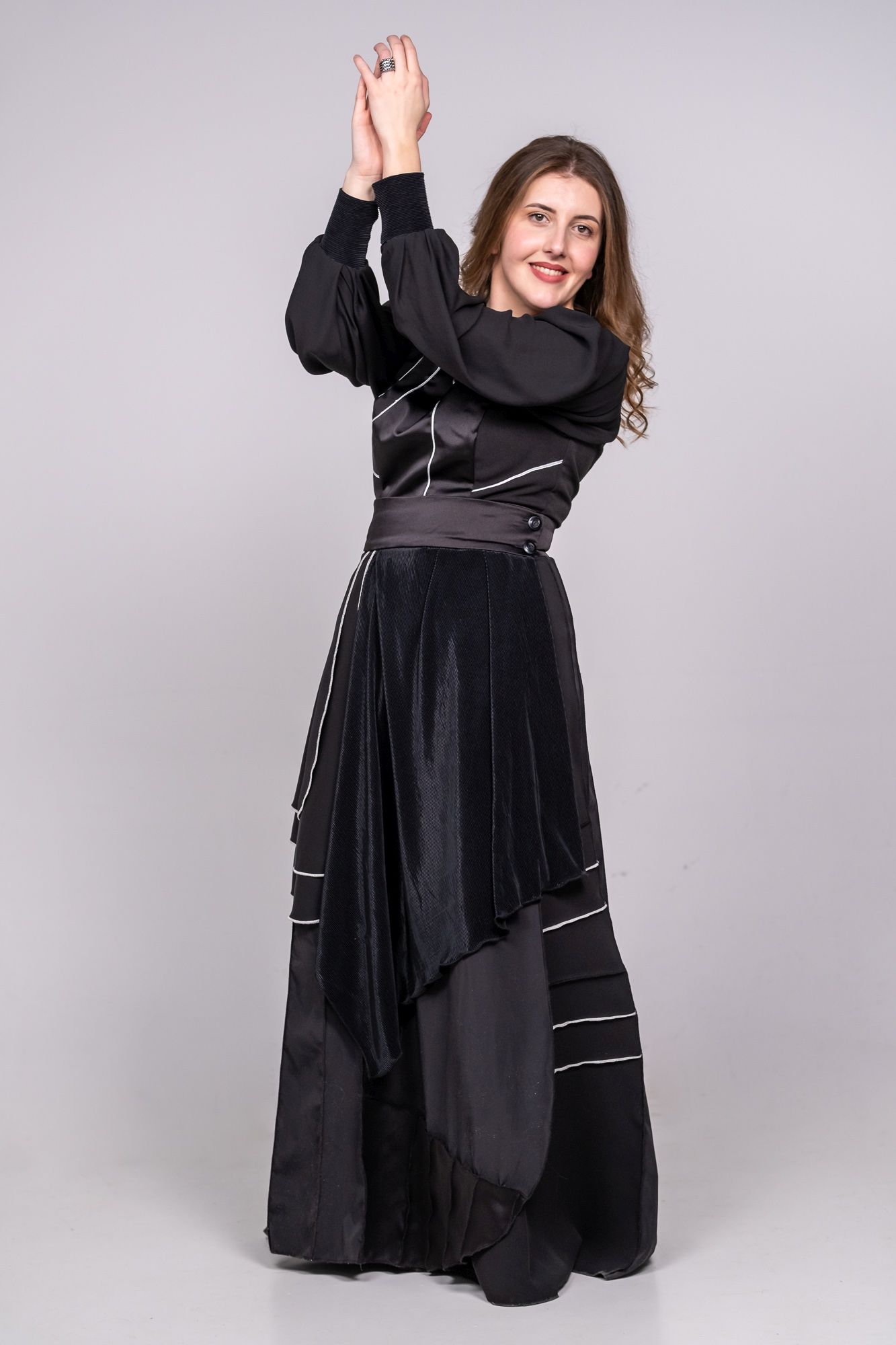
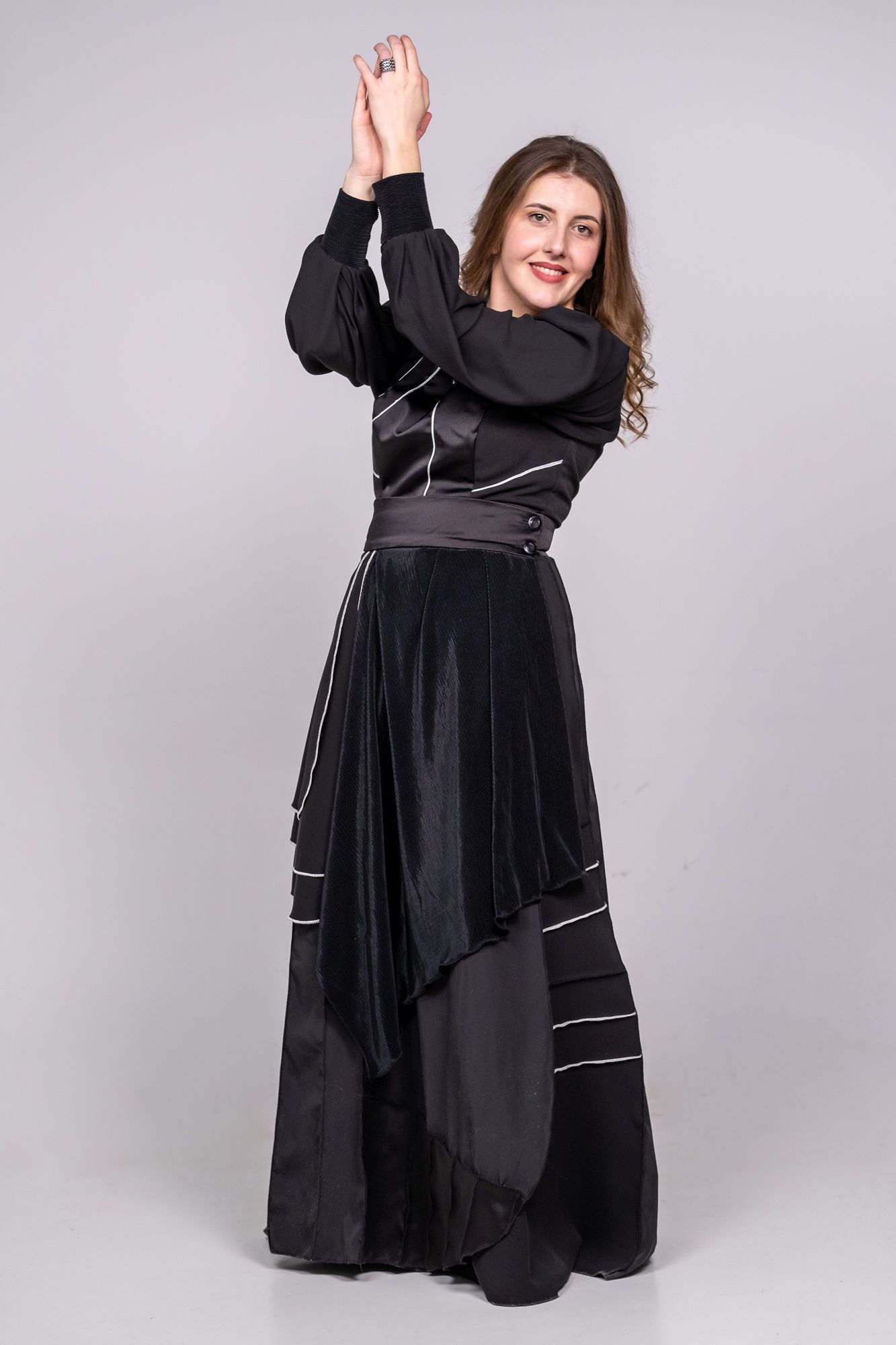
Selma Droce of Divanhana Interview Image by Cat Norman Tahirović
What are your thoughts on the need for compromise vs standing by one's convictions? How did you resolve potential disagreements? / 6. Is there a group consciousness, do you feel? How does it express itself?
Selma Droce: In a successful group, it's crucial to delegate tasks effectively, ensuring that everyone’s abilities and responsibilities are clear. We believe it’s essential to respect the opinion of the person most closely related to the issue at hand.
In our band, as in many others, we have both assertive individuals who stand firmly by their convictions and more phlegmatic members. The assertive ones tend to resolve disagreements through discussion.
It can get intense at times, but we all understand that everyone is striving for the best possible outcome. Our mutual trust in each other's intentions helps us consistently find a middle ground.
Do any of the band's members also have solo projects? If so, how do these feeds into the band's creative process?
Selma Droce: Some members, as Neven previously said, do solo projects.
For example, Neven is a composer, writing songs independently from the band. Larisa-Lejla, our violinist, is a classical artist who also delves into contemporary classical music, infusing our band with modern classical ideas and aestethics. Rok, our trumpet player, leads a brass band called Balkan Boys, known for their lively and cheerful music.
He brings that joyful energy to our group, along with his rich brass arrangements.
In a live situation, decisions between band members often work without words. From your experience and the performances of your current tour, what does this process feel like and how does it work?
Selma Droce: We always have a detailed plan and strategy in place, ensuring we're thoroughly prepared for our shows and I prefer it that way. As wise people have said ‘organization is a greater invention than the wheel’.
If any unexpected issues arise, Neven is typically the one who steps in to assess the situation and decide on the best course of action. His judgment has become so reliable through years, that we trust him completely, and his decisions become part of our overall plan.
How has the interaction within the group changed over the years? How do you keep things surprising, playful and inspiring?
Selma Droce: Just like people, stories grow and evolve, and our band's story is no different. We've been working together for many years, so it's natural that we've changed, both individually and as a group. Over time, some members have moved on, and we've crossed paths with others. However, our vision for the music has remained consistent. Sevdah music is our strongest pillar, and our shared love for it keeps us united.
When it comes to working with people and their emotions, we don't follow a principle of strict equality all the time. Instead, we prioritize respect, individuality, and integrity. Each of us is different, with our own values, beliefs, and needs. It’s important to cherish this diversity, as it brings many benefits, particularly in fostering a wide range of creative approaches.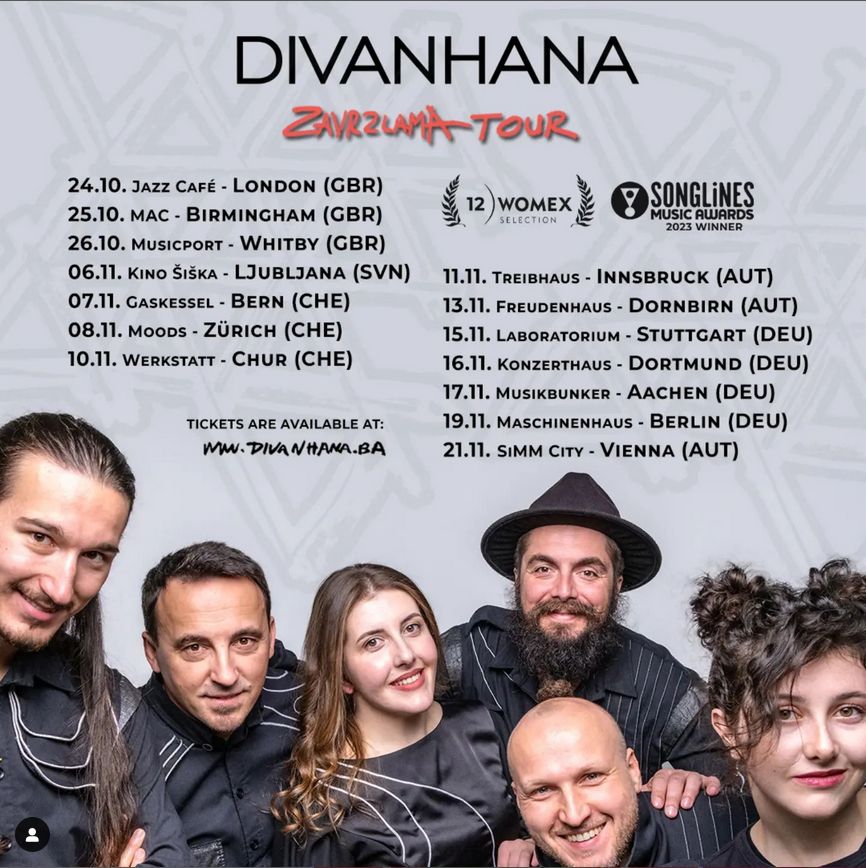
Have you worked with outside contributors - from sessions musicians via producers to other songwriters? How did this change, improve or challenge the established dynamic and how do you look back on that?
Selma Droce: Absolutely, and we’re always happy when those opportunities arise. Just like in everyday life, we sometimes get stuck in our own world, caught in our own loop. An outsider can often see areas for improvement more objectively, whether it’s in management strategies or the music-making process.
I can’t even begin to describe the joy of working with a producer like we had for our last studio release, Zavrzlama. Our producer, Janez Križaj from Slovenia, brought incredible suggestions. Coming from a different cultural background, and with his extensive experience and knowledge, he helped shape our diversity and potential into something truly special.
Though the changes were subtle, they made a significant difference. He suggested a different playing in some arrangements or adjustments to certain lines, and we were thrilled with his ideas. We were happy to have him on board.
Most bands eventually break up. What makes you stay together? What are essentials for a successful band?
Neven Tunjić: For a long time, a phrase on one of our studio walls read: "Respect everybody's feelings and treat everyone equally." I believe we've adhered to this motto throughout our time together as a team.
It's incredibly important to respect everyone's ideas and ensure that all members are treated equally, especially in a setting that involves a lot of emotional investment. We put our hearts and souls into our work, so maintaining open communication is key. We've discussed even the smallest issues that could potentially grow into bigger problems, as well as everyday topics like family and children.
We also make it a point to spend time together outside of touring and being artists. This approach has kept us together as a band for nearly 15 years, and we hope it will continue to do so for another 15. (smile)