Published
Names: Dominik Gehringer, Jordan Arts
Nationalities: Czech (Dominik Gehringer), South African, London-based (Jordan Arts)
Occupations: DJ, producer (Dominik), producer, vocalist, multi-instrumentalist (Jordan)
Recent release: Dominik Gehringer and Jordan Arts team up for their collaborative single "Threads," out via Purified.
Global Recommendations:
Jordan: I am from South Africa and have just moved to Cape Town where there is one of the 7 wonders of the world. Table Mountain is definitely something you have to see!
Topic I am passionate about but rarely get to talk about:
Jordan: Health and wellness is something I never talk about but I am very passionate about. This gives me the time away from staring at my laptop all day. Exercise and yoga helps break through any creative blocks and stagnant energy. Keep your body moving and the creative juices will flow.
If you enjoyed this Dominik Gehringer and Jordan Arts interview and would like to stay up to date with their music, visit their respective Instagram profiles: Dominik Gehringer; Jordan Arts.
Many musicians I am talking to at the moment feel somewhat disillusioned about the impact, meaning, and value of their work. Feel free to vent some of your own frustrations and/or disappointments – as well, if possible, something that you recently experienced (or a thought that you had) that might give hope to other creatives.
Jordan: The challenge with the releasing music lately is that you have to be so consistent that sometimes your music looses impact. You have to release a piece of music every couple of weeks without having an intention behind the music. That is something I personally want to change in the future and make music that impacts people in a positive way and ads value to their lives.
Dominik: It's true that the music “market” is oversaturated, and unfortunately, it's no longer so much about the art itself, but more about marketing. That can be tough at times.
Still, it's important to adapt while also staying true to the reason we create music and art in the first place.
If, for a moment, we forget about streaming numbers, target audiences, social media followers, and sales - why are you drawn to sound and music as a creator and listener? What is it that you give and receive through it?
Jordan: Music has never been about the numbers/followers for me. It all started from pure passion, love and devotion to create something from nothing.
The joy of performing and making people dance is a huge blessing, it is honestly one of the most rewarding feelings bringing people together from all different parts of the world with one common love for music. Music breaks the boundaries of language and culture and brings people together. It's a space where people can express themselves and be free from their everyday life.
To be a part of it is one of the biggest blessings in my life.
Dominik: I try to make myself happy first and foremost. I create music for myself because during the creative process, I forget about everything else. I lose track of time and let myself drift away.
I always try to express my current feelings – it all depends on my mood. If I’m sad, I naturally make very melodic things; if I’m happy, I create more upbeat tracks.
Often, I’ll just go sit in the studio and make something simply to release emotions – to get something off my chest and lift my spirits – even if that music never gets released.
In how far can music be considered "essential" for humans?
Jordan: I think music is extremely essential for humans. Music can quite literally save lives.
A friend of mine climbed Mount Everest and on the way down a massive snow storm hit the mountain and 15 people died. He was one of the only people that survived and he said that what got him through it was listening to his favourite album over and over again until help arrived.
Music gives people hope and something to live for even when you hit the lowest moment in your life.
Take us through a day in your life, from a possible morning routine to your work, please, and how music and sound accompany you through it.
Jordan: I try to start each day by doing some form of exercise/yoga or even go for a walk. This helps keep you inspired and when its time to work you have worked out any stagnant energy you have built up through the night.
Then I work from 11am-5pm everyday. Go for dinner, see some friends and then I always work at night because that is when the rest of the world goes to sleep and you can concentrate on making music. Creating at night is when the magic happens for me and my conscious mind stops working and I create without overthinking.
Music is such a devotional act that even when you don’t feel like creating you still have to push through to get something done because you never know when you might create something timeless.
What artists, albums, performances, or even aesthetics and philosophies are inspiring to your life in and beyond music right now and in which way? Have there been songs, albums, performances, and artists that changed / influenced your life?
Jordan: I draw huge inspiration from other live electronic music acts like Rufus Du Sol, Monolink, RY X to name a few. They inspire me because they break boundaries when it comes to creating and performing their music live.
I feel there is a saturated amount of DJs in the industry and I really respect artists that try to be different instead of following trends.
[Read our Monolink interview]
One book that changed the way I look a creating was written by a true genius and its called The Creative Act by Rick Rubin. If you don’t feel like creating you can open the book on any page and immediately feel inspired and puts a lot of the creative process into perspective. Would highly recommend it.
Tell me about some of the feedback you've received from listeners about how your work has impacted them.
Jordan: It always an incredible feeling to get positive feedback from listeners, especially after a live show. Performance is all about an exchange of energy and you feel super connected to people after a good performance.
Certain songs I wrote during a hard time have helped other people that went through something similar to feel their emotions and through feeling them we are able to let go.
Every song and listeners experience is different and it’s really interesting to see how your music can impact people in such a positive way.
Dominik: I’ve received several such messages, but a few really stuck with me. Not long ago, I heard a beautiful story.
A friend of a man who had just been released from prison after several years picked him up and played my music in the car, as he’s a big fan of mine. That man then wrote to me saying my music had given him such a boost that he wanted to start his life over — to do better. He said my music had opened his eyes and gave him an energy he’d never felt before.
What are some of the goals and ambitions you have for your music?
Jordan: My goal is to make music that will live forever, which is really difficult with the short attention spans of people in this day and age.
But some music will always live forever and that is when you know you have made your impact on the world. Because even when you pass on your music can live on and people will always be able to feel close to you through it.
Dominik: My dream has always been to travel the world with my music — and that still holds true. When you believe, everything is possible.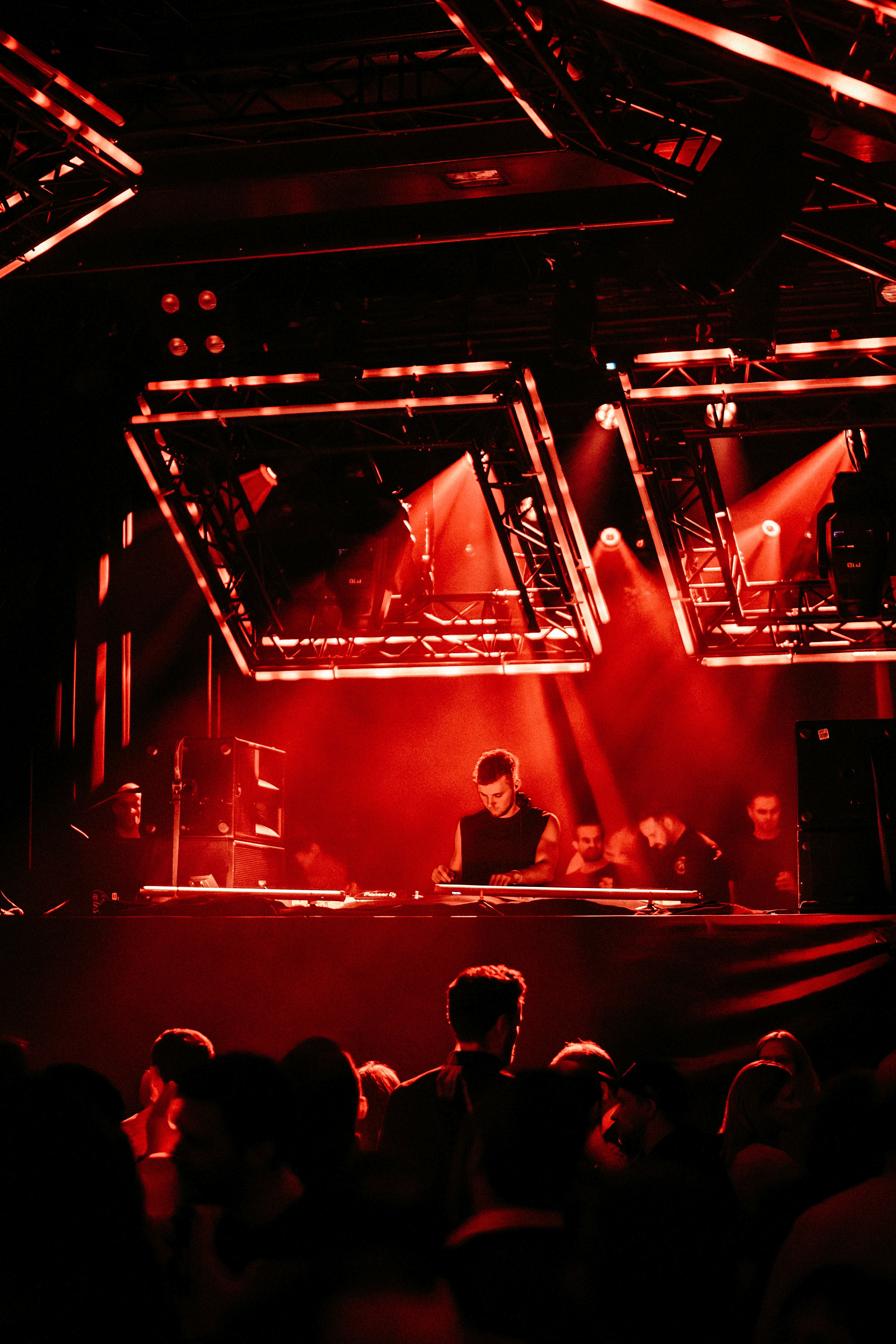
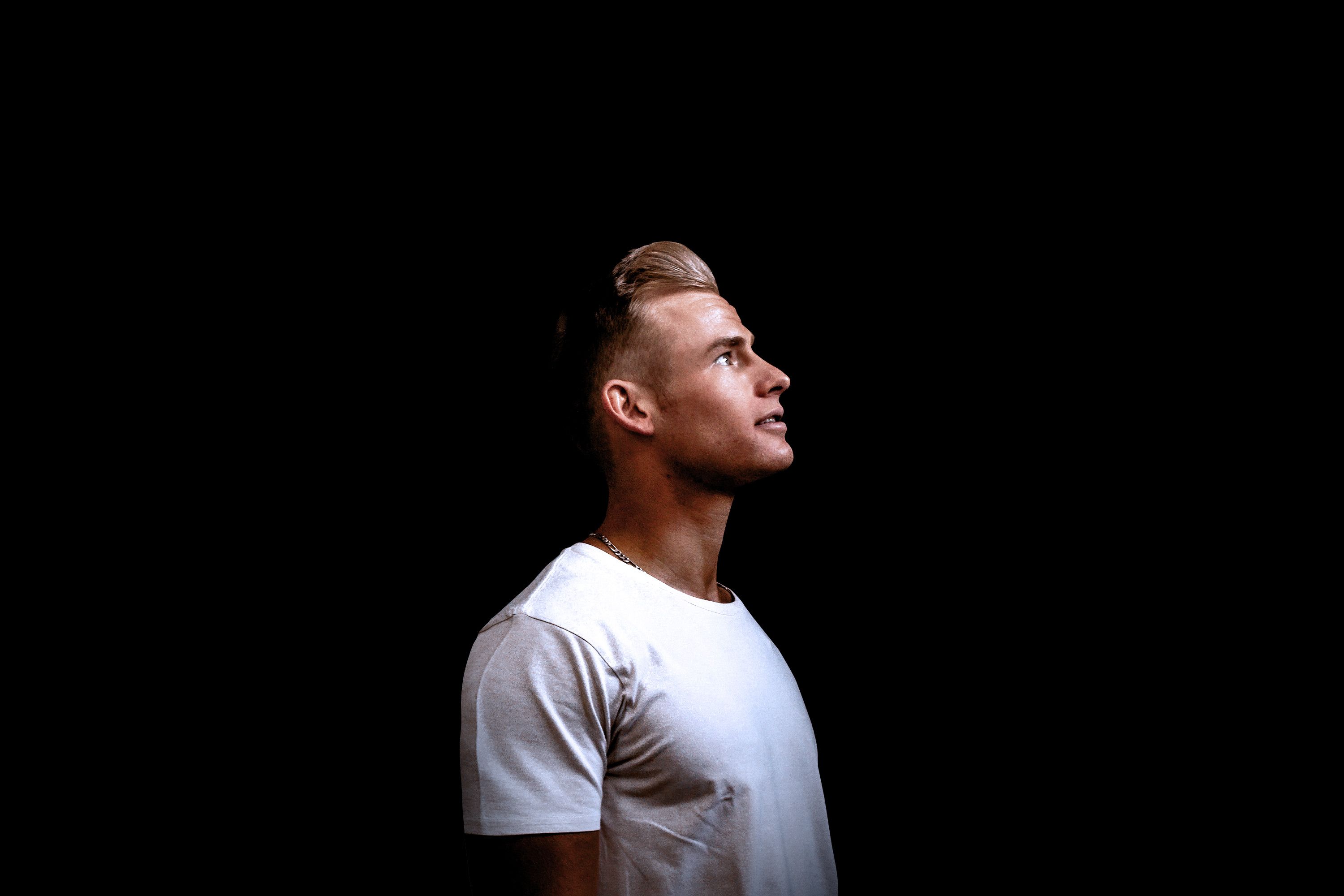
Dominik Gehringer Interview Image by Fabio Zingg
What kind of music/art do you feel the world needs right now - does it need “healing,” “shaking up,” “an escape from reality,” “consolation,” “a sense of community,” “holding up a mirror,” something else?
Jordan: I feel like people need music that is more genuine and unique. So many creators are trying to copy and follow trends of other creators, hoping it will go viral and even if it does it will never impact people in a profound way.
The world needs people to be more ‘real’ without a fake perception of them on social media. There is a shift in how people are viewing artists and ones that are truly authentic are building true relationships/connections with their audience are the most successful ones.
What are some of the non-musical topics and causes you feel strongly about? Do you keep them separate from or try to connect them to your creative work?
Jordan: Creating through your own experience is super important to create something other people connect with.
I have often written a piece of music that is about something super personal I am going through in my life and the listener will always perceive it in their own way. That is the true beauty of art. We can all perceive and interpret it in our own way.
French Saxophonist Sakina Abdou told me that she "witnessed a powerlessness towards a world that is in absolutely no way in line with my values," and that she hasn't "yet found a way to overcome this in ways other than music, but I admire the activists around me who do it." Can you relate to this and what does it say about the role of music in overcoming our sense of powerlessness and actually empowering us?
Jordan: The impact music has on the world can break boundaries of language and reach a much larger audience than other forms of activism. It also has access to the world of social media with a huge audience and can have just much of a positive impact that it does negative.
Even people who believe strongly in their argument can listen to a piece of music and feel the sorrow that the writer is trying to portray.
Music is a feeling and with that feeling we can impact people in a much deeper way than an article or speech can.
Performing music or creating sounds with others opens up the possibility of resolving conflicts in a different way. From your personal experience in collaborations or group performances, how does this work and do you believe it is possible to apply these approaches to areas outside of music?
Jordan: I feel as creators we all have a common connection and understanding with each other because we create a unique space of freedom to express ourselves and respect each other no matter what our background and beliefs are. This is something that the world outside of music desperately needs.
Each country has their own belief systems and if we could respect and live in peace with those beliefs the world would be a much better place. At a music festival all these differences make the space unique and allows people to learn other cultures and through this it expands our own consciousness.
It is possible for someone with an entirely different world view from your own to love or appreciate your work. How, if at all, is it possible to use this power of sound and music to enter into a dialogue?
Jordan: Definitely! I have performed in Brazil, India, Africa, Europe and America where there are so many different cultures and languages but the music always connects us together even if they can’t understand what the lyrics mean.
People can connect through music because it is a feeling and all humans have feelings. Music is a universal language and even if you can’t speak the language of another person you can speak to them through your music.
Dominik: Music either triggers emotion in you or it doesn’t. It doesn’t matter whether you’re 5 or 50, rich or poor — it’s one language, and that’s the beauty of it.
That’s why I say: music connects everyone. :)
In human history, music is a universal across cultures and eras of development. Still, musicians are possibly being exploited more than ever. How do you feel they can see beyond their personal limitations, and form bonds and communities capable of tangibly furthering their cause? How can we get people to listen?
Jordan: I think breaking through the fear of putting yourself out there is a good way to start. Social media gives us the opportunity to form deeper connections with our listeners but they can’t form a connection with you if you never speak and show parts of yourself that people can relate to.
People aren’t just supporting music, they are supporting people they feel connected to. Plus you never know who might be watching or listening.
Another powerful tool is to collaborate with artists form all over the world. Every one of my overseas tours has come from collaborating with artists in different countries. You can tap into each others' audiences and build connections with promoters and listeners from those countries. Be yourself and don’t be afraid to connect with people from different parts of the world.