Published
Name: Donna Lewis
Nationality: Welsh
Occupation: Singer, songwriter
Current release: Donna Lewis's Rooms With A View, written and recorded with Holmes Ives, is out now. For more information on the music, visit the dedicated album website.
Recommendations: The Blue Nile's Walk across the rooftops album and ‘Hats’; I’m in love with all Peter Hoeg novels, particularly Smila's sense of snow.
If you enjoyed this Donna Lewis interview and would like to stay up to date with her music, visit her official homepage. She is also on Instagram, Facebook, and twitter.
Where does the impulse to create something come from for you? What role do often-quoted sources of inspiration like dreams, other forms of art, personal relationships, politics etc play?
It comes from everything. Sometimes it's a musical idea that sparks something … sometimes it’s a personal relationship or a film etc …
I remember visiting LA for the first time many years ago and went to my first ever IMAX film which was called Blue Planet. That inspired my song ("Blue Planet" from the album Blue Planet).
When I wrote “I told you so” (from my EP I told you so) I was playing the piano and the lyrics and melody came together as one complete acoustic piece.
The new record was very much a personal story, 10 chapters of my life over a period of one year.
Inspiration and creativity comes to me in many different ways. "Masks" from Rooms With A View was inspired from a dream. "Nowhere to run" from the Be Still album was inspired after 9/11
For you to get started, do there need to be concrete ideas – or what some have called a 'visualisation' of the finished work? What does the balance between planning and chance look like for you?
I really don’t plan. I’m very much someone who goes with the flow … how I feel … sounds that inspire to create a feeling. Certain chords trigger certain emotions.
Sounds very much inspired "I love you always forever," creating this feeling of falling in love for the first time in the English countryside.
After finishing a couple of tracks of what became the new record Rooms With A View, I felt they were the chapters of my life from 2021 to 2022. So it was more visualized. The song "The Messenger" was the start of it all.
I read an amazing memoir called the Reluctant Psychic and started to write songs about the characters in the book. I started to visualize this for a musical play. I released just one of these songs as I’m still working on the rest.
Is there a preparation phase for your process? Do you require your tools to be laid out in a particular way, for example, do you need to do 'research' or create 'early versions’?
Sometimes when I come up with an idea and I finally figure out exactly what I want to write about, I will research. I was inspired by the film Swallow.
I researched all about Pica, the compulsive eating disorder and wrote "Take it Down."
Do you have certain rituals to get you into the right mindset for creating? What role do certain foods or stimulants like coffee, lighting, scents, exercise or reading poetry play?
If I know I’m going to record vocals, I will do all my vocal warm ups and make my tea …. ginger lemon raw honey and cayenne pepper. Sometimes dim lighting if it's an emotional song.
For the most part I just switch everything on and start!
What do you start with? And, to quote a question by the great Bruce Duffie: When you come up with a musical idea, have you created the idea or have you discovered the idea?
With "I love you always forever," I had just bought the new Korg M1 Keyboard and was inspired by all the new sounds.
[Read our feature on the Korg MonoPoly]
I discovered that, by layering up the different sounds, I had a cool percussive bass and rhythmic line that became the main part of the track.
I do enjoy creating vocal textures myself that give a unique sound although they are not unique anymore. Haha!!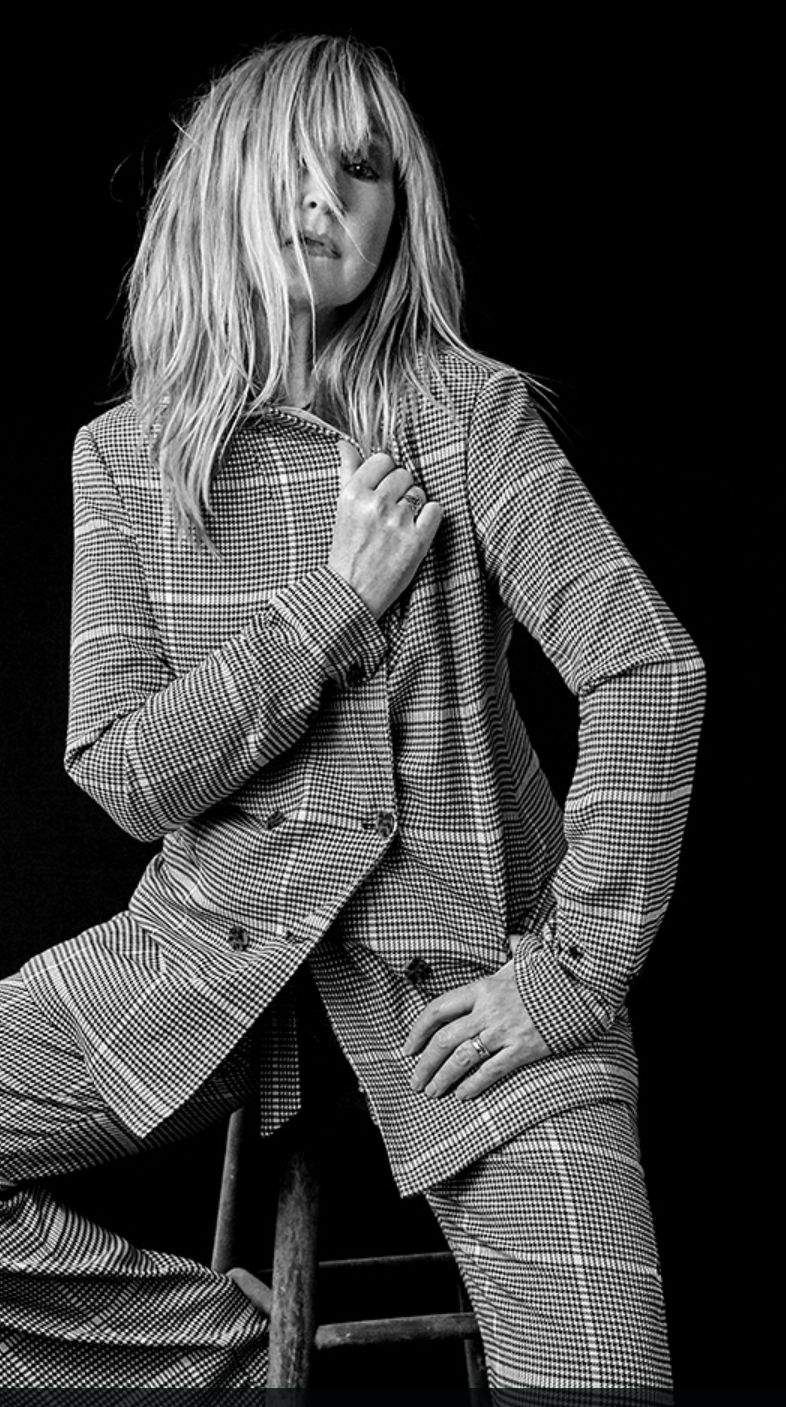
Donna Lewis Interview Image (c) the artist
When do the lyrics enter the picture? Where do they come from? Do lyrics need to grow together with the music or can they emerge from a place of their own?
Sometimes they emerge from a place of their own.
I lived in Dublin, Ireland for a few years and wrote the song "Ireland" there (from the In the Pink album). Those lyrics emerged from the beauty of the land and then the music followed.
I do love to improvise on the spot and that's when I start singing lyrics that are often nonsense - but then, a few lines come out of it that spark an idea for the song "You and I" by me, dubvision and project 46.
What makes lyrics good in your opinion? What are your own ambitions and challenges in this regard?
I usually don’t like telling people what my lyrics mean to me as I love for the listener to interpret them in their own way. When you can really connect with the listener and take them on an emotional journey, whether it’s happy or sad, I feel the lyrics work.
I’m always hard on myself regarding lyrics. I have to work on them unless I’m telling my own personal story. Songs from Rooms With A View, like "The Imposter" or "Don’t Ever," from the In the Pink album.
Many writers have claimed that as soon as they enter into the process, certain aspects of the narrative are out of their hands. Do you like to keep strict control or is there a sense of following things where they lead you?
It depends. Sometimes the track and melody have such a vibe the narrative becomes secondary. It's all about the feel. "Shut the sun out" from In the Pink is an example of that.
Other songs have such a personal story I want to keep control of that. For example "Silent World" from the Now in a minute album. I re-recorded that as a single in 2020.
Often, while writing, new ideas and alternative roads will open themselves up, pulling and pushing the creator in a different direction. Does this happen to you, too, and how do you deal with it? What do you do with these ideas?
Yes. I always record new ideas as sometimes they become the magic moments that I end up keeping. Others go down many different roads and I just go with the flow.
Interestingly, with "Corridors," the vocals and lyrics were finished but the instrumental track kept changing a good few times. So the vocals had to be tweaked to fit the new version.
There are many descriptions of the creative state. How would you describe it for you personally? Is there an element of spirituality to what you do?
When my aunt, whom I was very close tom passed away, she wrote a poem to be read out at her funeral. I was the one who recited that on the day and then, late one night, I recorded a track and sang those words and finished it the same night. I felt she was with me throughout.
I have not released this yet but if I put it up on Bandcamp, I’ll send the link
When you're in the studio to record a piece, how important is the actual performance and the moment of performing the song still in an age where so much can be “done and fixed in post?“
It’s all about the performance. Yes, it’s easy to fix. But I usually like to record a good few takes of the main vocal and I find there are usually 2 of those takes I will use as most of the performance. If I need to fix moments, I’ll take these from other takes.
Then I like to improvise my bvs and sometimes I’ll come up with something I want to perfect, so I’ll figure it out and then record and get it perfect. Other times I will just use magic moments for texture.
I never tune my vocals.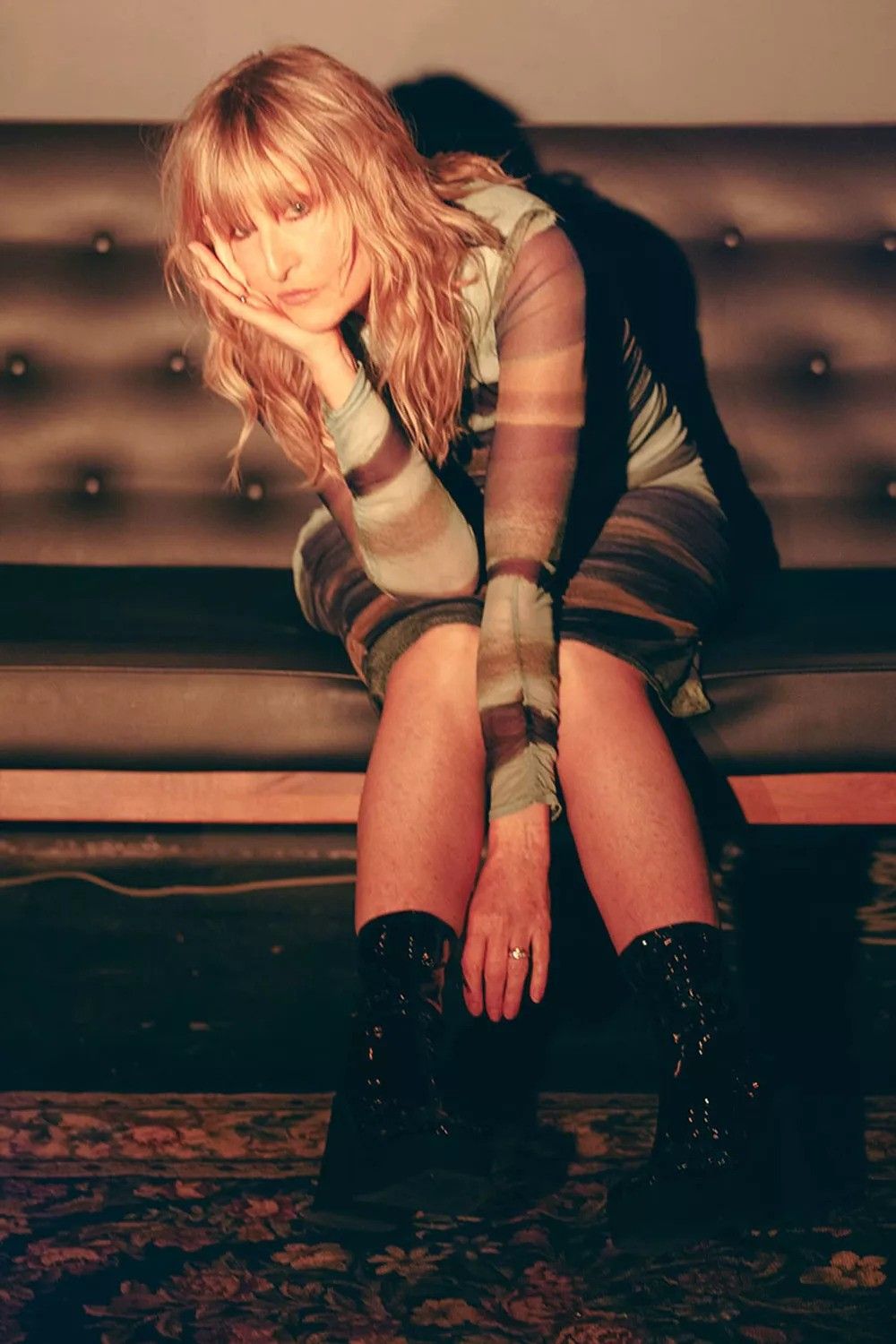
Donna Lewis Interview Image (c) the artist
Once a piece is finished, how important is it for you to let it lie and evaluate it later on? How much improvement and refinement do you personally allow until you're satisfied with a piece? What does this process look like in practise?
I like to wait a few days. Usually by then I know if something needs to be better.
Some songs I never want to touch. Others take a while to refine and perfect. I have a song of mine that I've recorded 4 different versions of and I still don’t feel I've captured it.
Even recording a solo song is usually a collaborative process. Tell me about the importance of trust between the participants, personal relationships between musicians and engineers and the freedom to perform and try things – rather than gear, technique or “chops” - for creating a great song.
The song is everything at the end of the day! I do love working with people I trust like producer David Baron. I can always trust Kevin Killen as he’s a great mixing engineer! He mixed the Now in a minute album and In the Pink.
I also love recording and editing my vocals on my own as I have total freedom and can be as crazy as I want with no one listening … haha!!! I know exactly what I want to achieve.
Holmes and I had total trust in each other for this new record as we recorded in different cities. We had our individual roles in these songs. His were the instrumental tracks and mine were vocals and lyrics.
What's your take on the role and importance of production, including mixing and mastering for you personally? In terms of what they contribute to a song, what is the balance between the composition and the arrangement (performance)?
Sometimes production is the key to propel a song … sometimes, I find the most simple song recorded in a beautiful clean way is just as great. It doesn’t need much in the way of production.
Mixing is crucial, too. I feel when you have a great mix, mastering is icing on the cake. When I recorded "I love you always forever," the mix lost the magic the demo had. So I re- mixed it, bringing back the original demo sounds and we brought the magic back!
After finishing a piece or album and releasing something into the world, there can be a sense of emptiness. Can you relate to this – and how do you return to the state of creativity after experiencing it?
Yes. You spend a great deal of time and energy creating this album which is so close to your heart and then it's out.
The best thing is then to play it live and the excitement of a new record continues. I like to wait a while before starting a new project.
Music is a language, but like any language, it can lead to misunderstandings. In which way has your own work – or perhaps the work of artists you like or admire - been misunderstood? How do you deal with this?
I don’t see music being misunderstanding … everyone can interpret songs any way they want. That's the beauty of music!