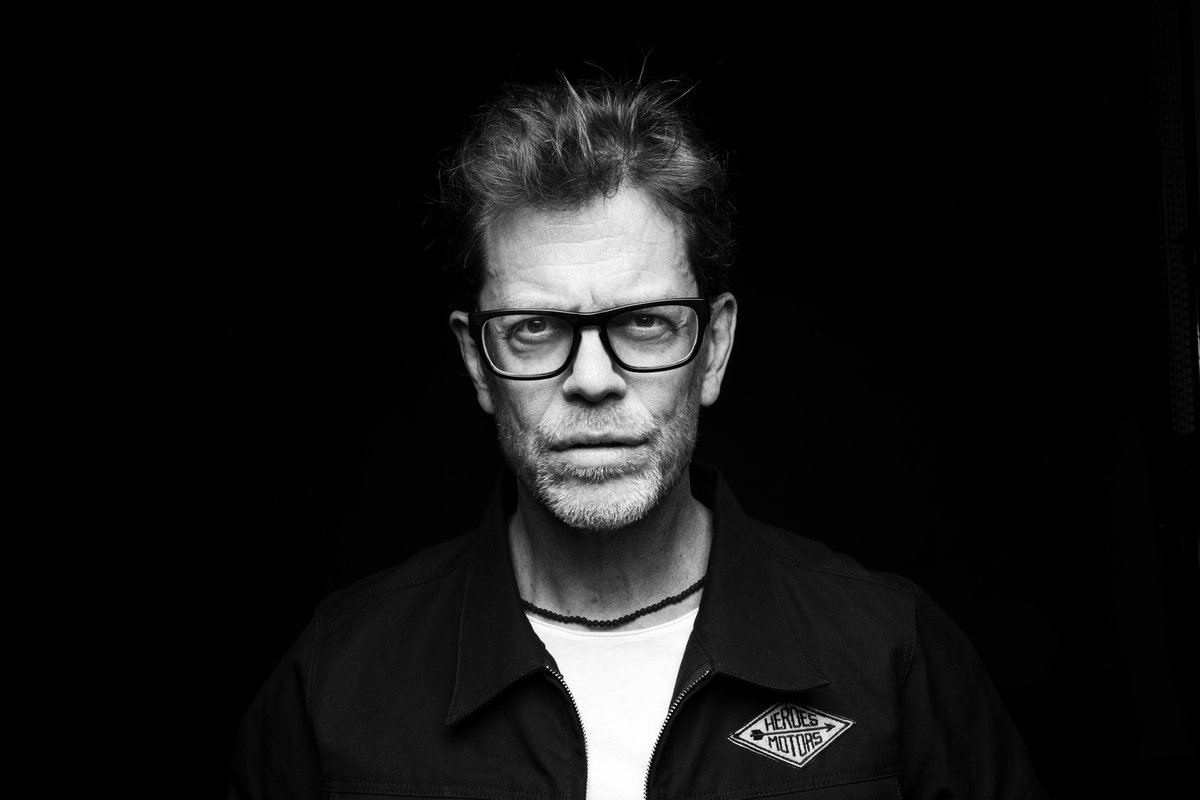
Published
Name: Donny McCaslin
Nationality: American
Occupation: Saxophonist, composer, improviser
Current Release: Donny McCaslin's new album Lullaby for the Lost is out now via Edition. It features Donny on tenor saxophone as well as a band comprised of Jason Lindner (synths, electric piano), Ben Monder (guitar), Tim Lefebvre (bass, guitar) and Zach Danziger (drums)
Recommendation for New York City, USA: The Anne Frank exhibition at the Center for Jewish history in NYC is very moving and thought provoking. It’s something I’d recommend for all.
[Read our Tim Lefebvre interview]
If you enjoyed this Donny McCaslin interview and would like to know more about his music and upcoming live dates, visit his official homepage. He is also on Instagram, and Facebook.
When it comes to experiencing the sensation of “energy” as as a listener, which albums, performances, and artists come to mind?
Neil Young’s performance of “Rocking the Free world” live on SNL is the first thing that comes up. It was the spark for the song “Wasteland”.
John Coltrane and Sonny Rollins’ herculean saxophone playing and relentlessly focused and deeply expressive solos come to mind. Same thing with Michael Brecker’s tremendous energy. I also think of folkloric groups like Los Munequitos de Matanzas.
There can be many different kinds of energy in art – soft, harsh, healing, aggressive, uplifting and many more. Which do you tend to feel drawn to most?
I’m drawn to emotive art, like Vincent van Gogh.
When I see his paintings it touches a deep well of emotion in me. His brushstrokes and color are so evocative.
In as far as it plays a role for the music you like listening to or making, what role do words and the voice of a vocalist play for the transmission of energy?
I love the voice as an instrument. A great deal can be expressed without words and I’ve always loved having voice as part of the orchestration.
There’s a moment of voice on the into of “Celestial” that Steve Wall added. It’s short but conveys a vibe right away that captured my imagination.
Words can transmit a world of meaning for people. I’d say the role of the vocalist is a major one in transmission of energy.
When it comes to composing / songwriting, are you finding that spontaneity and just a few takes tend to capture energy best? Or does honing a piece bring you closer to that goal?
Composing is it’s own journey. Sometimes the initial idea comes quickly and I ride that moment as far as it can go in that day.
It’s rare that a song will be finished in one sitting and that leads to coming back to it over and over again. I’ve had ideas gestate for many months before the next connecting idea falls into place. And that’s months where I do revisit the initial idea, but nothing has taken hold.
The metaphor is that it’s like putting on a construction helmet and going to the job site everyday and working on the building. There’s days where nothing at all happens, days of frustration and questioning everything (the building’s design), but all of that is part of the process. Hanging in there through the struggle and waiting for the breakthrough is a part of it.
With recording I do prefer spontaneity. On Lullaby for the Lost, the songs “Mercy”, “Tokyo Game Show”, were one take.
“Wasteland”, “Stately”, “Blond Crush”, “Lullaby for the Lost”, two or three takes.
How much of the energy of your own music, would you say, is already part of the composition, how much of it is the result of the recording process?
I’d say they go hand in hand. There’s an intention with where I want the song to go, and then in the studio the musicians bring there personal voices to it, which amplifies the energy, and has the potential to take it to a different place.
Post production is another place where the energy can be enhanced, for example on the song “KID” Tim Lefebvre, who produced the album, added a bevy of guitars that took that song to a deeper place sonically and vibe-wise.
For example; when the last pre chorus kicks in at 3:08 it’s another level of intensity and vibe with the wall of guitars (and the drum FX that David Fridmann added).
Another example would be on “Celestial”. We captured the intended feeling in the studio, but in post production Tim added the synth arpeggio you hear at the top, which really sets the stage for a sense of wonder and celebration in that song.
For Lullaby for the Lost, what kind of energy were you looking for?
With the songs I strove to set up an environment where that primal punk energy, that sometimes happens when we play live, could be expressed. I also wanted to set the stage for utter emotive beauty to be present as well as a sense of wonder. Shades of humor were welcome as well as areas of rage.
All done with conviction and honesty.
How do you capture the energy you want in the studio?
With preparation, focus, and dedication. Also, deep breaths.
What role do factors like volume, effects like distortion, amplification, and production in general for in terms of creating the energy you want?
They are all tools for expression that are available to us. All play a part in how the music is brought to life. There’s a myriad of decisions that go into this art form and how best to express the energy you’re trying to get to.
Production vision is the overarching decider of what gets included and what doesn’t. For our latest Tim Lefebvre and I were on the same page with the vision and he did a great job adding things that depend the emotional expression of the album.
In terms of energy, what changes when you're performing live on stage, with an audience present, compared to the recording stage?
Having the audience present can be an inspiring dynamic. They can be like the choir encouraging and supporting the soloist who stands in front.
At it’s zenith, the band and audience are bouncing energy back and forth, which pushes and inspires us to dig deeper as we feel the heat and the urgency of the moment.
In the studio we don’t have the audience to bounce interact with, but we do have each other. When we recorded Blackstar and David [Bowie] stepped into the circle of interaction we had as a band, and amplified that energy in a major way.
Would you say that you prefer to stay in control to be able to shape the energy or do you surrender to it and allow the music to take over? Who, ultimately has control during a live performance?
When performing I strive to give myself over to the moment. I do think about set flow and intentionally plan it with the emotional arc I imagine beforehand, but once onstage and when improvising I’m all in on being in the moment. It’s the freedom to find the unexpected.
Being in the moment also means observing where the audience is energy-wise and feeling free to adjust the setlist if need be. Also it means listening intently to my bandmates so I can have constant conversation with them musically.
The energy that music is able to generate can be extremely powerful. How, do you think, can artists make use of this energy to bring about change in the world?
I remember as a teenager reading about John Coltrane’s desire to envelop the audience with a feeling of love. I’ve always carried that goal with me; wanting to impact the audience in a positive, meaningful way that’s borne out of authenticity and conviction.
Change has to start somewhere and moments that seem small can create positive momentum. It’s hard in age where the world’s issues are major and seemingly overwhelming, but if change is going to happen we all have to play a part.