Published
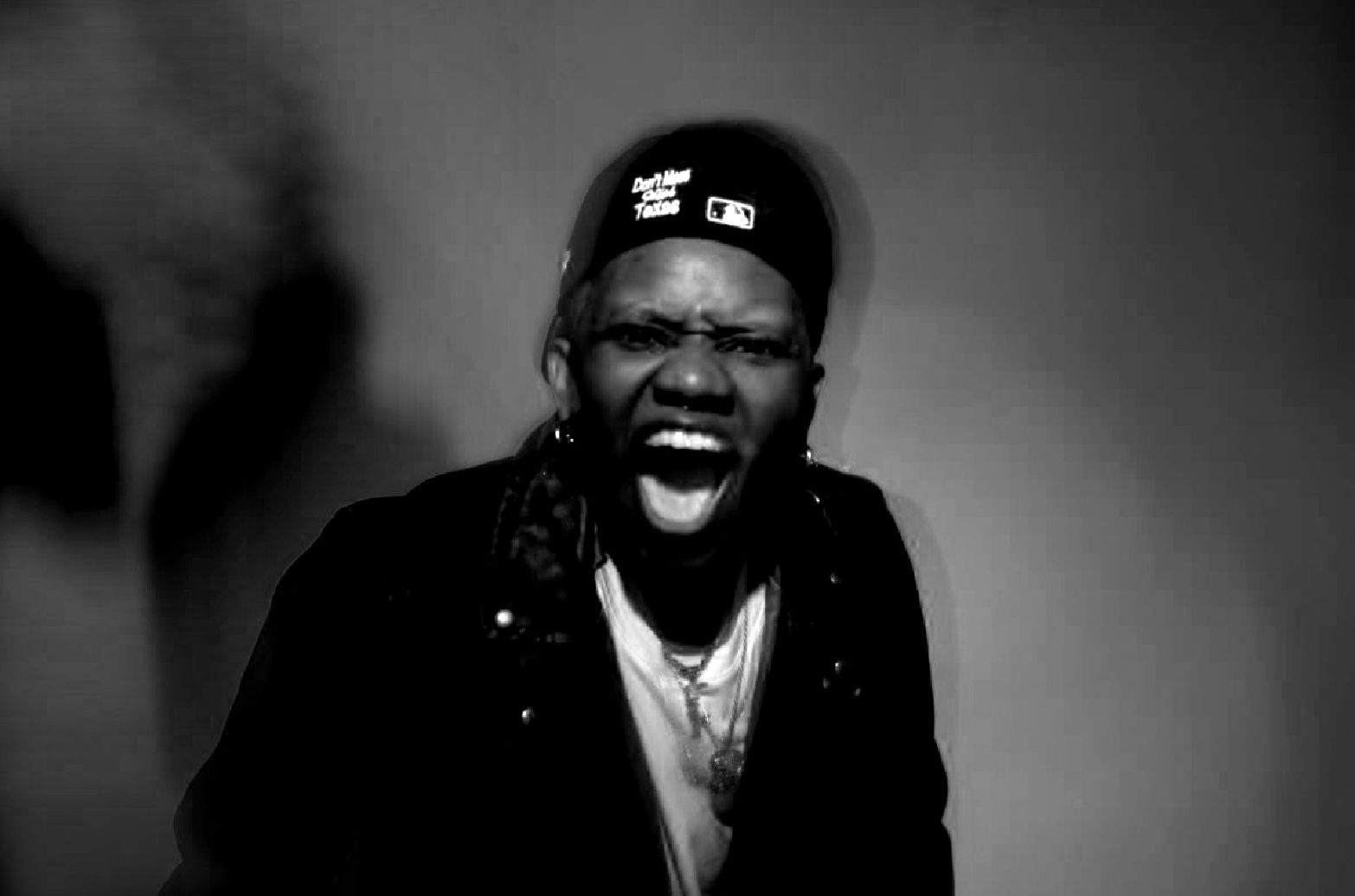
Name: Ebonie Tave aka EB Rebel
Nationality: American
Occupation: Rapper, songwriter
Current release: EB Rebel's new single "Buenas Noches" is out now.
If you enjoyed this EB Rebel interview and would like to know more about her music, visit her official homepage. She is also on Instagram, Facebook, and Soundcloud.
What does the term hip hop mean and stand for today, would you say?
I believe the term has evolved like most genres, and I would say for the better.
I still think it represents a culture of individuality and defiance in a way. I just think the genre has expanded to allow for different versions of the culture, which has contributed to more diversity in styles.
Hip hop has always been about a lot more than just music. For you personally, is hip hop a way of life – and if so, in which way?
Yes, hip hop is definitely a way of life. It contributes to the way people talk, dress, and express themselves in general. So many words and fashion trends have come from hip hop.
The genre continues to push culture as a whole forward.
What, would you say, are the key ideas behind your approach to creativity?
I try to create from an open minded place. To not think too much about what people may think about what I’m creating, and honestly just make stuff I like.
My new EP “PLAY AT YOUR OWN RISK” was created that way. My producer and I just made a bunch of song we really enjoyed, something we can coined the “Rebel sound”.
I think the best music you can make are songs you actually want to listen to yourself.
Where do most of your inspirations to create come from – rather from internalimpulses or external ones? Which current social / political / ecological or other developments make you feel like you need to respond as an artist?
I am inspired by both external and internal things. I have always been an artist that isn’t afraid to get political, so I often make songs like are of the times.
An example of this was the songs “Don’t Care” and “12” which I released during the inception of the BLM movement.
I believe that a true artist will use their platform to speak for those that do not have the same access, it’s our duty.
Hip hop has always had an interesting relationship between honouring its roots and pushing the music forward. What does the balance between these two poles look like in your music?
I try to keep the essence of true lyricism like the ones who came before me, but also push the boundaries of what hip hop can sound like and look like in today’s times.
To mix alt sounds and aesthetics with hard hitting lyrics, that’s my goal as an artist.
What are currently developments and directions in hip hop or hip-hop-adjacent communities which you personally find interesting?
I like that hip hop is moving back to a place where are care about the rollout, the storytelling of a project, and packaging of the music.
For a while, it was “cool” to not care, to act like it all just comes so easy. Now artist like Tyler the Creator, Doechii, Kendrick, etc have made it cool again to really put artistic value behind the music.
How do you see the role of sampling in hip hop today?
I think sampling is at its most effective when used to pay homage to a song or moment in the past. To create a nostalgic feeling.
I really hate when artists use it just for familiarity sake. It should serve a purpose, and add on to the legacy it already has.
There has always been a close connection between hip hop and jazz. What role does improvisation play in your current creative process?
Writing is improvisation in itself.
When you are trying to formulate words, develop song concepts, it all comes off the dome. I believe that’s what makes jazz and hip hop so similar.
It can sometimes seem as though, in hip hop, production is the main force of progress. Do you feel like there is still space for genuinely new ideas for lyrics and vocals as well? If so, what could these look like?
I do think there is room for new ideas, I think there are many artists pushing those boundaries. That is why I consider myself a genreless artist. It allows me the freedom to move through different genres, not being box into one.
My roots will always be hip hop, but I also love dance, and alternative music.
How, would you say are your live performances and your recording projects connected at the moment? How do they mutually influence and feed off each other?
When I create, I am also thinking about how the songs will translate in visuals and on stage. I care just as much about my visuals as I do the music, they feed off each other.
When the songs are finished I immediately begin to think about how I want to present it visually, whether in a video, photos, or on stage.
When you are crafting a project you have to consider all of those things. The presentation can really make or break a record.