Published
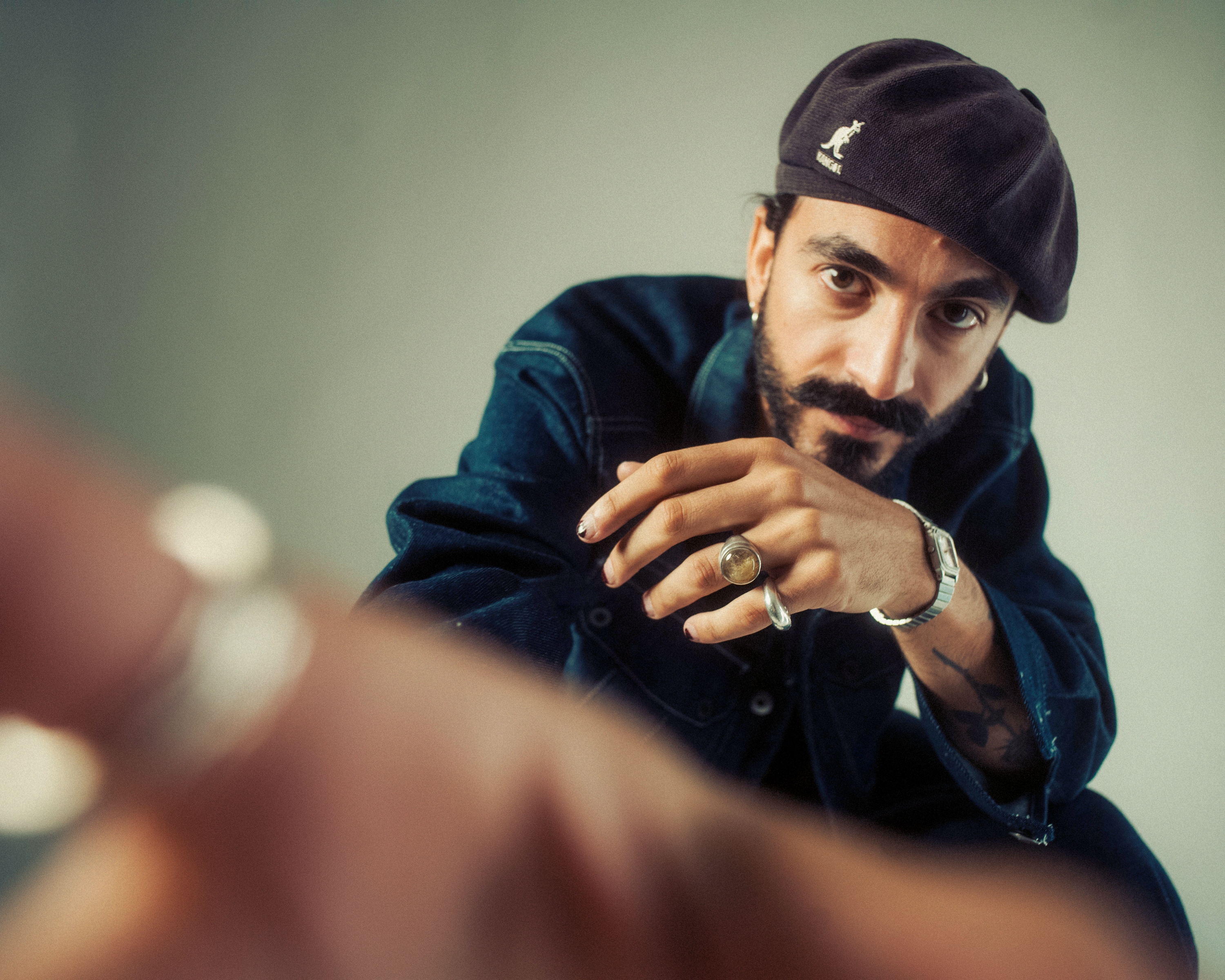
Name: Eren Yazici aka Ede
Occupation: Producer, DJ
Nationality: Turkish-German
Recent release: Ede's Tolia EP is out via Humann by Default.
Recommendations: Rick Rubin’s The Creative Act: A Way of Being would be the perfect book to recommend. It’s a deep exploration of creativity, offering insights into how to nurture and express creativity in everyday life. Rubin shares his philosophy on the creative process, emphasizing intuition, minimalism, and authenticity, which aligns closely with your own artistic approach and philosophy. It’s a profound guide not just for musicians, but for anyone looking to connect more deeply with their creative self.
“Lingala” by Lee Burridge and Lost Desert – This track changed my life and opened up a new world for me. It’s one of those pieces that transcends genres and stirs something deep within you. I always find it grounding and inspiring, a reminder of why I fell in love with music in the first place.
If you enjoyed this Ede interview and would like to find out more about his music and upcoming live dates, visit him on Instagram, Soundcloud, and Facebook.
Do you think that some of your earliest musical experiences planted a seed for your interest in DJing?
That wasn’t the plan, but if I look at it now from the perspective of a successful DJ, I would say yes, absolutely, it makes total sense.
Growing up in a Turkish household in Germany exposed me to a variety of sounds, which means I had both cultural and musical knowledge. I listened to music from both the West and the East, which influenced my identity. It wasn’t until later that I realized how much it meant to me.
I have always loved club music, but I was not initially a dancer. What was this like for you? How does being – or not being – a passionate dancer influence the way you DJ?
First, of course, I was a dancer. I loved the curiosity in the clubs and the anticipation of what the DJs were going to play and what kind of journey they were going to take me on this time.
Listening to many DJ sets and exploring various DJs across different genres, like I did at Panorama Bar and Berghain, definitely influenced my musical journey.
For your own DJing, what were some of the most important things you learned from teachers, tutorials, other DJs, or personal experience?
Watching DJs like Âme and Dixon taught me the importance of storytelling through music. The way they can take you on a journey is something I strive for.
I also learned the importance of patience and the art of restraint – not everything has to be full-on all the time. Letting moments breathe in a set can be just as powerful as the peaks.
Usually, I don’t have a lot of patience, but when it comes to music and DJing, I do.
How do you approach digging, what are you looking for, and what were some of the best finds of the past few weeks for you?
I don’t stick to one genre or style when I dig. I look for tracks that spark something inside me, something that’s emotionally resonant or captures a sense of inclusivity.
Recently, I found a track called “La Diosa - Jamil Remix,” which gives me a lot of emotions and depth.
How do you experience “groove” and rhythm? What is the relationship between harmony, rhythm, and melody?
I can’t really answer these questions definitively because everything has to do with feeling. It’s all about feeling.
There’s no recipe for how it should be or how the groove, rhythm, or harmony should function. To be honest, it’s all about feeling.
How would you describe the experience of DJing, physically and mentally? Do you listen – and DJ – with your eyes open or closed?
Mentally DJing is almost a meditative experience for me, where I forget everything except DJing. I’m totally focused on it, and I feel like I’m always in the right moment, right place, and right time. It’s about the exchange of energy between myself and the crowd—sometimes amplifying it, sometimes grounding it.
Physically, it can be exhausting. After a high-energy set, I often feel tired the following days, as it takes time for me to sort myself out. Traveling so much with little sleep is also not easy.
How does the decision-making process work during a gig with regards to the inclusion of key records, the next transition, and where you want the set to go? How far do you tend to plan ahead during a set?
I have a general idea of where I want to take the set, but I’m always flexible. It depends on the crowd’s energy—if they’re feeling a certain track or vibe, I’ll adjust and follow that.
I have some really nice tracks that are waiting to be played, and I’m working to build everything up to create a journey that leads to the peak time where I want to introduce these special tracks that I have in mind or that are waiting on my USB stick.
My transitions are usually spontaneous, based on the mood of the moment. It’s more intuitive than pre-planned.
When you’re DJing, does it actually feel like you’re inventing something on the spot – or are you inventively rearranging patterns from preparations, practice, or previous performances?
A bit of both. I’ll have certain tracks or ideas in mind, but the beauty of DJing is in the live creation – it’s like painting with sound in real-time.
Imagine painting the same landscape 20 times; it would always look different each time, even if you use the same colors or pencils.
Do you engage with audiences/dancers – and how? Taking one of your online DJ mixes as an example, how does the experience and the way you DJ change when you subtract the audience?
I always engage with the audience – it’s a dialogue. Their energy shapes the set.
Without a live audience, like in an online mix, it becomes more introspective. I’m still telling a story, but it’s more personal and reflective when the crowd isn’t physically present.
Collaboration is a key part of almost every aspect of music-making, but it is still rare in DJing. Do you have an idea why this is? Tell me about your own views on back-to-back DJing, interactions with live musicians, or other forms of turning DJing into a more collective process.
Collaboration in DJing can be tough because it’s such a personal expression. But back-to-back sets can be incredible when both DJs are in sync. It’s like a conversation – you’re building something together.
I love experimenting with live musicians too but only in three studio ; it adds a different dimension to the performance, making it a more collective experience.
Especially in light of advances in AI, where do you see the role of humans in DJing versus that of technology? Can AI act as a collaborator or creative stimulus?
Technology is an incredible tool, but DJing is about human connection.
AI can help with the technical aspects or maybe even suggest interesting mixes, but the heart of DJing is the emotional and intuitive connection between the DJ and the audience. That’s something only a human can provide.