Published
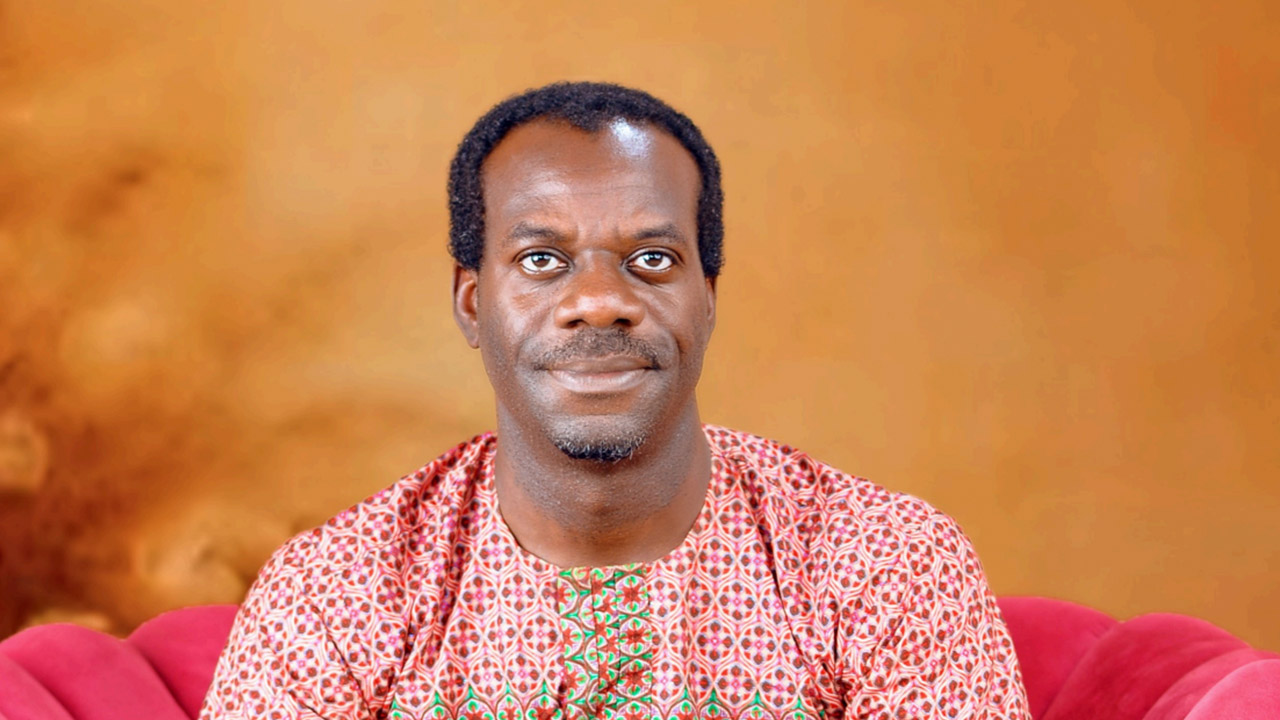
Name: Feyisayo Anjorin
Nationality: Nigerian
Occupation: Singer, songwriter, screenwriter, actor, author
Current release: Feyisayo Anjorin's single “There’s Somebody Here” is out now.
Recommendations for Akure, Nigeria: This city has got many hills, and Idanre (a town notable for hills) is 30 minutes away. Come around, climb hills, breathe in some fresh air. You will be glad you did.
If you enjoyed this Feyisayo Anjorin interview and would like to stay up to date with his music and projects, visit him on Instagram, Facebook, and bandcamp.
Where does the impulse to create something come from for you? What role do often-quoted sources of inspiration like dreams, other forms of art, personal relationships, politics etc play?
For me the impulse to create something comes from a variety of sources.
Sometimes I create as a reaction to something I’ve seen, or heard, or read. Personal relationships also play a role, I write songs based on my experience and feelings too.
I would say creativity is an in-built impulse to respond or react to my environment, either physical, social or mental.
For you to get started, do there need to be concrete ideas – or what some have called a 'visualisation' of the finished work? What does the balance between planning and chance look like for you?
An idea is always the beginning. However, the scale of the idea differs for every creative output.
Sometimes when I start writing a song or a story, I know how it would end, it would seem like the idea came fully formed; but sometimes it is as I move on, it is in the process, that I get more clarity; then I’m surprised by the final product.
Is there a preparation phase for your process? Do you require your tools to be laid out in a particular way, for example, do you need to do 'research' or create 'early versions'?
As a screenwriter and short story writer I usually start with a structure. It doesn’t mean I’m rigid, but the structure helps with research.
As a songwriter I typically write all the lyrics, work on a piano, then call my producer about what I’ve got.
Do you have certain rituals to get you into the right mindset for creating? What role do certain foods or stimulants like coffee, lighting, scents, exercise or reading poetry play?
Yes, when I want to dwell on a fresh idea I need silence and serenity, if I’ve been able to dwell on it well I just put on some music, it helps with the flow.
For songwriting I have to be in a place surrounded by plants and no human in sight. It’s weird, but it’s me.
For your song “There’s Somebody Here,” what did you start with? If there were conceptual considerations, what were they?
The concept of “There’s Somebody Here” is how hypocrisy is something that is so common to humanity and how we are not so different from Judas Iscariot whom we typically are quick to condemn.
In religious circles there are people who pretend to have it all together in terms of good behaviour, but humanity is basically the same. It takes supernatural power to save us from ourselves and our moral and spiritual limits.
Tell me a bit about the way the new material developed and gradually took its final form, please.
In terms of lyrics, “There’s Somebody Here” is exactly as I wrote it; but the producer included those North Africa/Middle-Eastern elements to it, and I love the final product.
Many writers have claimed that as soon as they enter into the process, certain aspects of the narrative are out of their hands. Do you like to keep strict control or is there a sense of following things where they lead you?
I prefer to follow things where they lead, particularly when I’m collaborating.
I recorded two versions of the same song, one of them was more like what I want the song to be; and then there's another one which is more the producer's vision.
Funnily enough I prefer the latter.
There are many descriptions of the creative state. How would you describe it for you personally? Is there an element of spirituality to what you do?
There is an element of spirituality, but it’s a kind of spirituality that is specific to me and to the message that needs to be shared.
I don’t see spirituality in that spooky sense or in a sense that people think I’m special. The message of my art is special, yes, but it doesn’t make me special.
I’m just a human being who can step out of myself and become someone else and relate and feel and pass a message across.
Once a piece is finished, how important is it for you to let it lie and evaluate it later on? How much improvement and refinement do you personally allow until you're satisfied with a piece? What does this process look like in practise?
I write songs faster than I write stories.
Songs typically come fully formed or let me say I typically have the flow and rhythm to hang the lyrics; but for stories I typically write, leave the writing for days, read books for days, and then come back to read what I’ve written.
What's your take on the role and importance of production, including mixing and mastering for you personally? In terms of what they contribute to a song, what is the balance between the composition and the arrangement (performance)?
A proper arrangement of a song is very important for the experience and the reception of the audience or listener; which is why I always work with a producer who also doubles as a mastering engineer.
As a writer of fiction I hold tenaciously to my creative powers; but music is more of a community project and the consumers of music are typically more than the consumers of fiction.
Music and the accompanying artwork are often closely related. Can you talk about this a little bit for your current project and the relationship that images and sounds have for you in general?
As I said, I recorded “There Is Somebody Here” first, with the red and yellow cover art, then I recorded “There’s Somebody Here,” which was the producer’s attempt to give the song a more African vibe.
That one has a white and red cover. The concept for both is that a church is a house where many people are like family members, but in the family Judas was or is one of us.
After finishing a piece or album and releasing something into the world, there can be a sense of emptiness. Can you relate to this – and how do you return to the state of creativity after experiencing it?
After releasing music I feel great joy! I feel relieved. One of my biggest fears is having my songs stuck in my computer and no one ever hearing it.
Not being creative is the thing that gives me a sense of emptiness. For me, creativity is my life.
I’m always writing something and there is so much unreleased work that I’m beginning to think of expanding my creative reach so that I can collaborate more.