Published
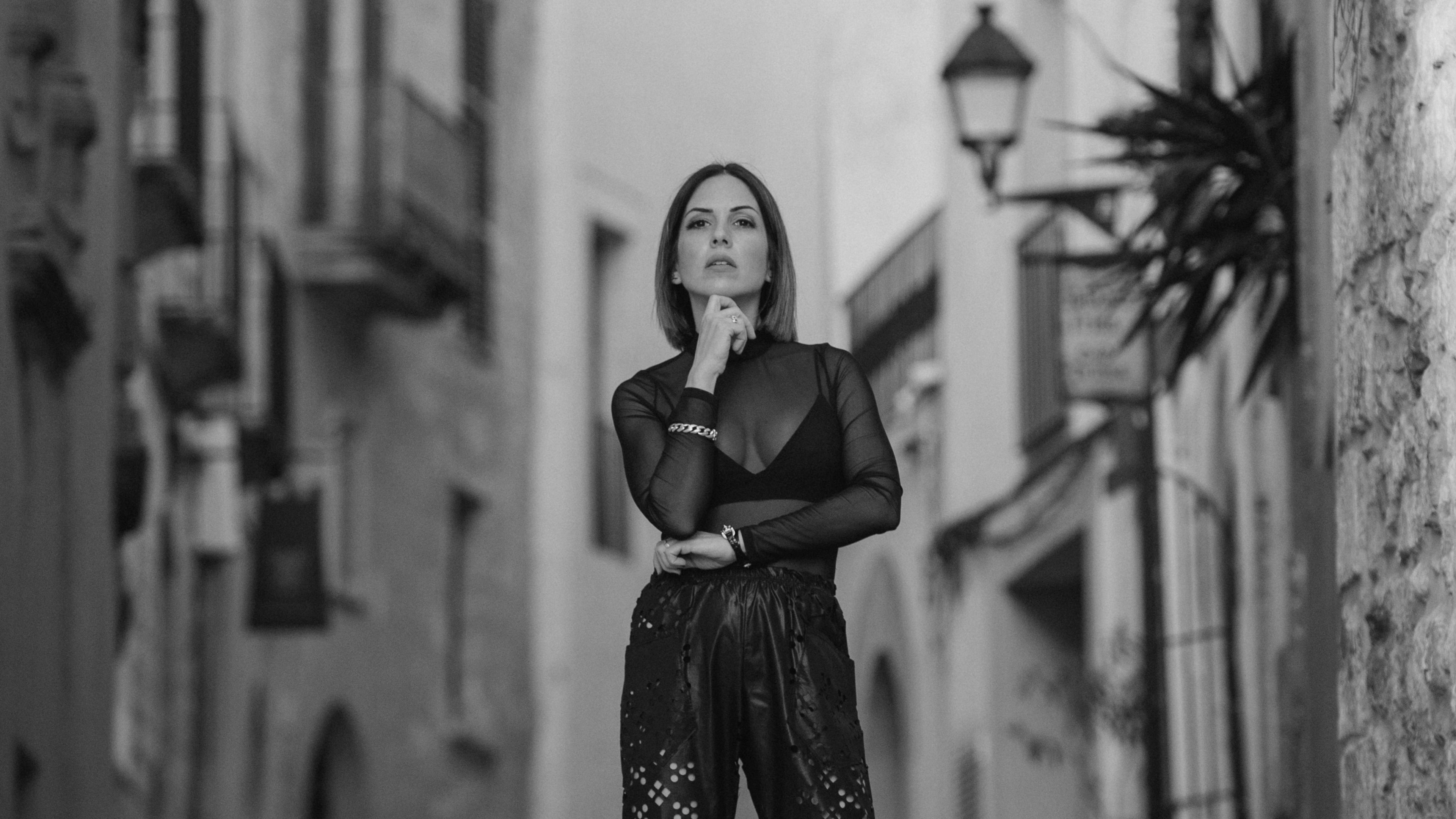
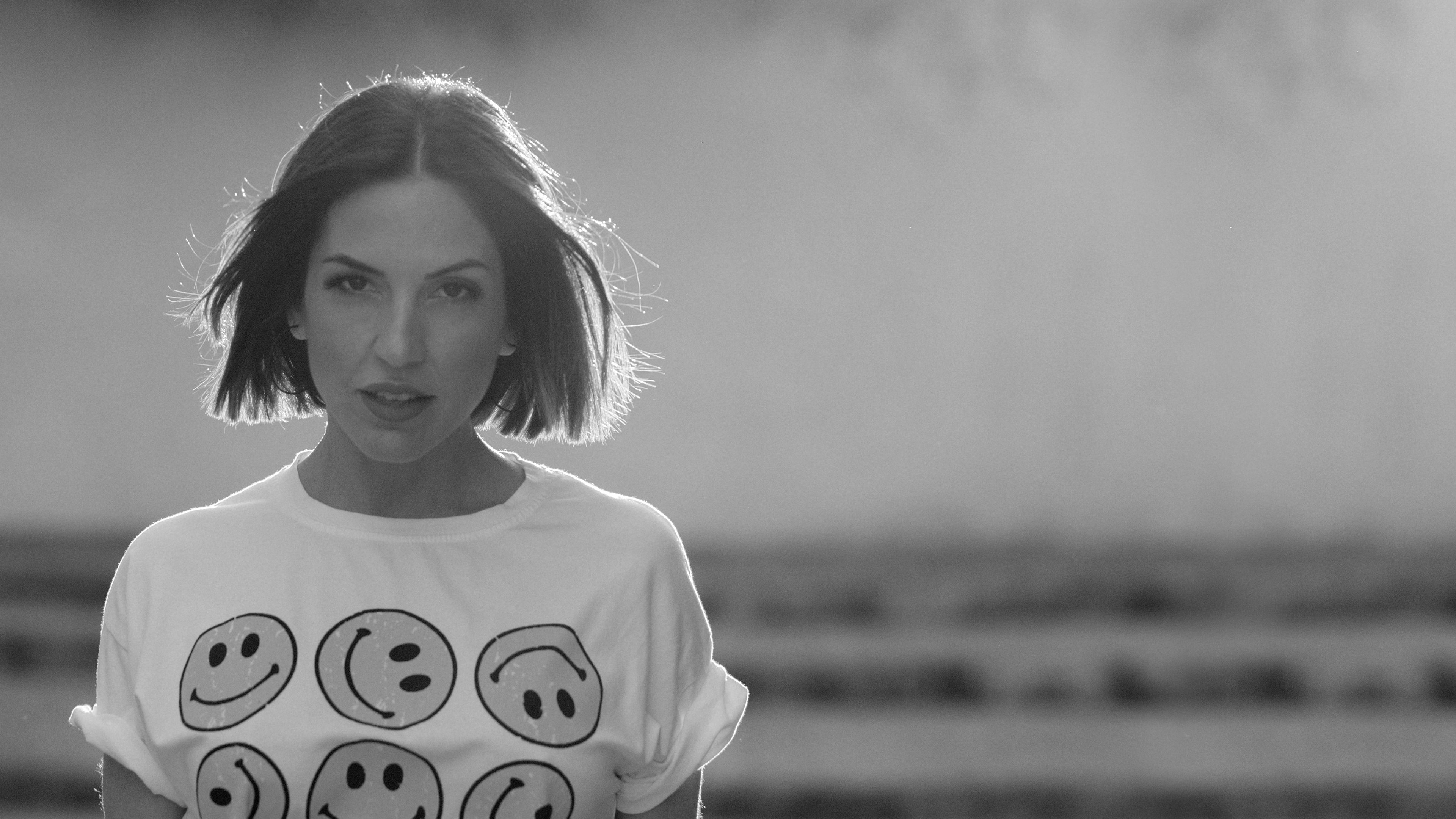
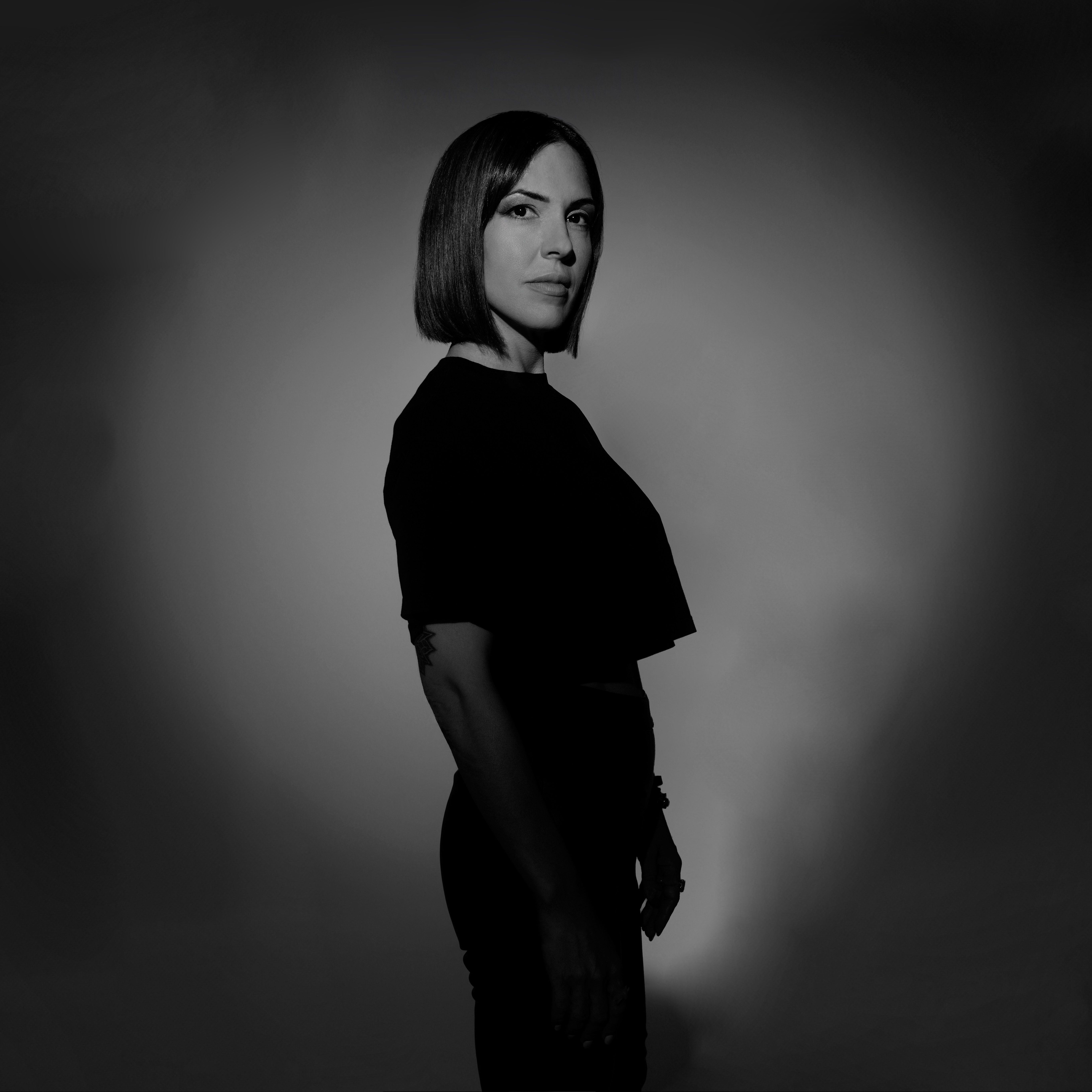
Name: Anna Tur
Occupation: DJ, producer
Nationality: Spanish
Current release: Anna Tur is one of the artists featured on the new drumcode compilation Elevate, Vol. II which also includes tracks by Drunken Kong, Marie Vaunt, Mha Iri, Davina Moss, Simina Grigoriu, Sydney Blu, KASIA (ofc), DI SUN, ANII, Mari Ferrari, and May Larke.
Recommendations: Miguel Caravaca has been a good friend for decades. I have always admired his artistic sensibility, both in fashion, music and painting. He is one of those lucky few who are born with special sensitivity and are able to excel in any discipline. If Miguel had played football, he would be in the Champions League, if he had dedicated himself to fashion, he could be the artistic director of, for example, Alexander McQueen and in painting, he stands out for his unique style.
The artist's work is built from the search for sensations, which aims to ignite in the viewer the mechanism of aesthetic enjoyment by creating a space between the instant of sensory perception and the universal message of beauty. I have the great honor to have some of his pieces in my home and even more, to have his friendship. You can learn more about him at miguelcaravaca.es.
Andrea & his daughter Virginia Bocelli performing 'Hallelujah'. I think it is one of the best pieces of music ever. Every time I play this version in particular, my body and mind travel to a plane that goes beyond the earthly. It provokes incredible sensations and emotions in me. I want my daughter to grow up and mature her feelings with pieces like this, or like "O fortuna" from Carmina Burana, Hymn of Joy - Beethoven's 9º Symphony ... I want her brain to develop with classical music and with the music I have grown up with. I love and enjoy watching the stimuli that classical music provokes in my baby.
[Read our Mha Iri interview]
[Read our Simina Grigoriu interview]
[Read our Drunken Kong interview]
[Read our Davina Moss interview]
If you enjoyed this Anna Tur interview and would like to keep up to date with her music, visit her official homepage. She is also on Instagram, Soundcloud, and Facebook, and has her own radio station On Air with Anna Tur.
For a deeper dive, visit our earlier Anna Tur interview about DJing.
When I listen to music, I see shapes, objects and colours. What happens in your body when you're listening? Do you listen with your eyes open or closed?
Wow, I love this question to start. :-)
I'm a very sensitive person, when I close my eyes and put my mind in white, I already see shapes and colors; reds, purples, greens ... it's something that happens to me since I was a child.
I usually listen to music with open eyes, but I close them when I feel something special in a composition, whatever genre it is; classical, jazz, rock, electronic and even Ibiza folk.
Closing your eyes is to be transported to a plane a little beyond the rational and to let your mind fly to the sound of a good melody and / or voice.
Entering new worlds and escapism through music have always exerted a very strong pull on me. What do you think you are drawn to most when it comes to listening to and creating music?
To create is to escape from everything, to let your imagination fly, putting yourself in front of your fantasies, remembering a good time in life. And if something bad should come to mind, just try to extract the best conclusion to find an answer and meaning.
For example, a strong emotional blow, such as the loss of a loved one, can cause you to come up with the best work of your life. Sensitivity is latent at its highest level and many masterpieces, in music, painting, architecture, are the result of a moment of madness, happiness, sadness, melancholy.
Art is a channel of expression in all its senses.
What were your very first steps in music like and how would you rate the gains made through experience?
My contact with music stems from a very young age, practically since I was a baby. My mother is a journalist and radio presenter, so since I was in her womb, every day I could enjoy the best music of the ‘70s & ‘80s, since she had a daily program of 3 hours with music from that era. My father was a radio entrepreneur all his life. He was a visionary and a music lover like few others I know. My parents fell in love while working in radio and my childhood has always been music.
After my career in marketing, advertising and PR, I decided to start working at a radio station, where I was the director for 15 years. It was during this time that I started to select records, play with the turntables (offline in the studio or at home). Later, I asked my colleagues to teach me how to play with the turntables, and with the CDJs which were super old Pioneer 1000s, but I think they were the best tools to really learn, haha.
For the last 12 years, I've been DJing professionally and since I finished radio 5 years ago, I've also found time to produce my own music.
According to scientific studies, we make our deepest and most incisive musical experiences between the ages of 13-16. What did music mean to you at that age and what’s changed since then?
Music has always provoked strong feelings and sensations in me. From a very young age, I remember being moved by Disney movie soundtracks. It was such a strange feeling that I was even embarrassed for my parents to see me getting emotional about it.
Over the years, I have come to understand that I simply have a very special sensitivity and connection to music. Between the ages of 13 and 16, I can remember car tours around the island (Ibiza) with my father, who would play me his cassettes and CDs with his music and tell me the story of each song. He knew everything about the music of those times. Queen, Prince, Tina Turner, Alan Parsons Project, ABBA, Bonnie Tyler, Simon & Gartfunkel, Mina, Ennio Morricone ..
I also discovered Depeche Mode and Kraftwerk through him and then he began to introduce me to more electronic sounds. From the age of 16, I started to buy CDs of Ministry Of Sound, Subliminal and many compilations of the clubs of the time in Ibiza, who were the first to make their own records. Without any doubt, music and me, we have been connected all my life.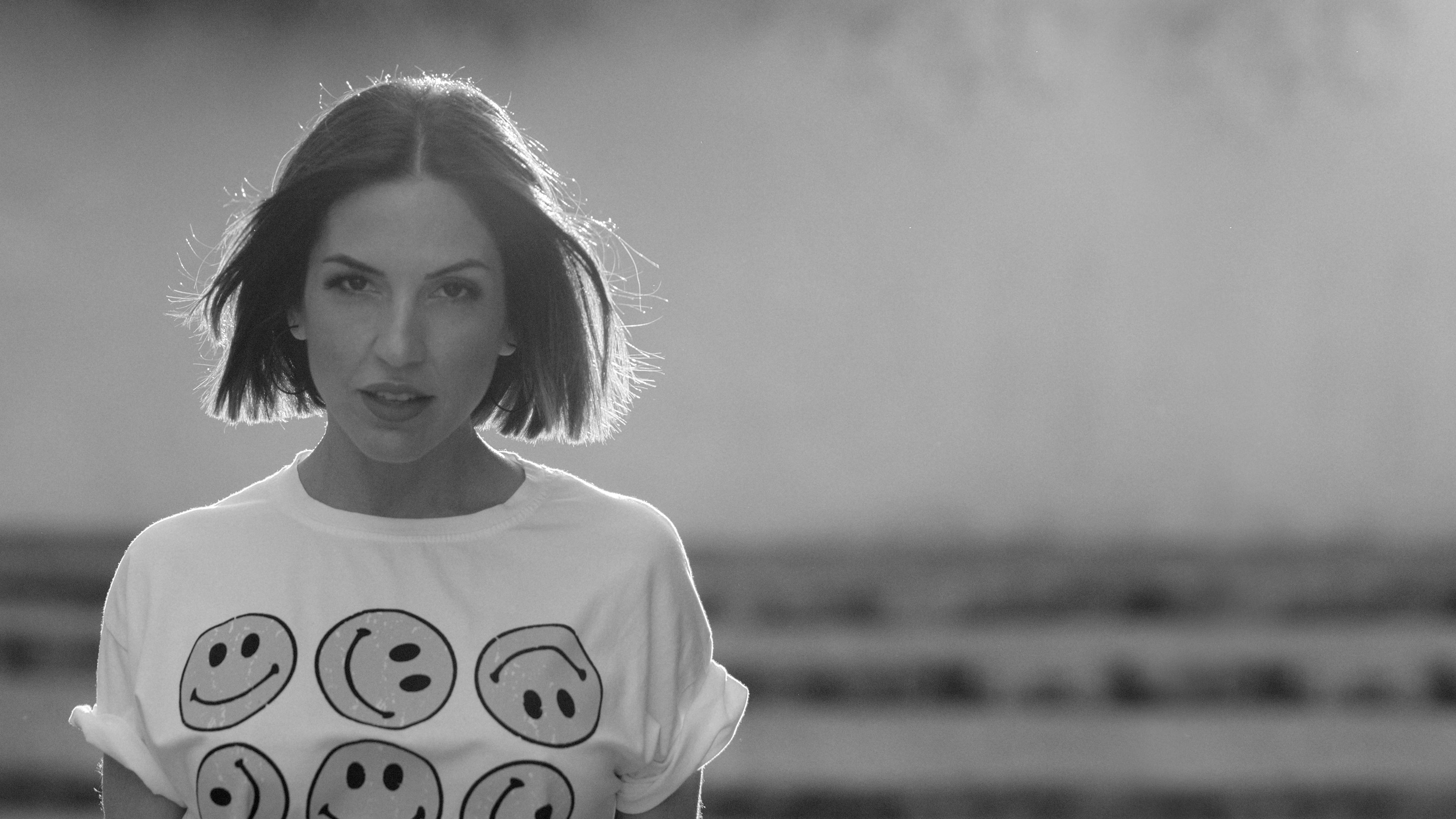
Anna Tur Interview Image (c) the artist
How would you describe your own relationship with your instrument, tools or equipment?
I'm quite traditional and it's hard for me to get out of my safety zone. Especially with the software that's coming out, they tell you "try this, try that", but as I said, it's hard for me to change something that works for me. Of course, I do want to add, try new tools, but I don't like to substitute. It's like with everything else ... when you like something, why change it?
I try to be very up to date in terms of new technology and hardware. Many colleagues, especially of my generation and before, are very critical with digital implementations. It's obvious, they are (we are) the generation of vinyl and the analog era, but we must evolve, open our minds, and not go against evolution, because if you are not a genius, you end up becoming obsolete, it happens with any profession.
Anyway, I respect all ways of thinking, but my idea is to always evolve and learn about new things.
Where does the impulse to create something come from for you? What role do often-quoted sources of inspiration like dreams, other forms of art, personal relationships, politics etc play?
Usually when you create, it's out of a need to express an emotion, a feeling, a way to bring out whatever you have inside you. A release of endorphins.
What do we look for when we create? In my case, that the message reaches the receivers, to provoke unique, special sensations, transporting you to a moment of wellbeing. That is my main goal every time I produce music.
Are you acting out parts of your personality in your music which you couldn't or wouldn't in your daily life? If so, which are these? What, would you say, are the key ideas behind your approach to music?
I am not a person with too many unexpressed feelings. In fact, I think my physical and mental balance is due to the fact that I don't keep anything inside me. I am as I am, there is no double side or b-side to my existence. I think that's why I usually sleep pretty well and feel at peace with myself.
I am a calm person, who always has a hand outstretched to anyone who deserves it and needs it. Therefore, my music is a clear reflection of what you see and feel about me.
If music is a language, what can we communicate with it? How do you deal with misunderstandings?
Music can help to generate empathy and understanding between people. Twinning, uniting human beings who meet in a musical celebration.
Maybe there are thousands of people together in a concert with very different political thoughts and philosophies of life, but at that moment they are united, they sing together, maybe they hug, kiss ... they escape from the world for a while without any conflict or prejudice with each other. It is something wonderful, supreme.
Making music, in the beginning, is often playful and about discovery. How do you retain a sense of playfulness and how do you still draw surprises from tools, approaches and musical forms you may be very familiar with?
In my case it is very important to work as a team with my engineer, as he has absolute control of all the production tools. Where I don't reach, he is there to solve the situation.
For me, production is a constant learning process. It has such a wide spectrum that there are infinite possibilities to develop ideas and set no limits.
Sound, song, and rhythm are all around us, from animal noises to the waves of the ocean. What, if any, are some of the most moving experiences you've had with these non-human-made sounds? In how far would you describe them as “musical”?
We live surrounded by sound impacts throughout our lives. I, for example, during my pregnancy, felt my daughter's movements when I was in the studio or DJing. Music constantly stimulates us from birth until we leave this world. Nature gives us incredible sounds.
Immersive sound, for example, is something incredible. I had an incredible experience at Metrica Studios, where I underwent a very experimental session using natural sounds that surprised me a lot. My brain and my heart experienced great sensations.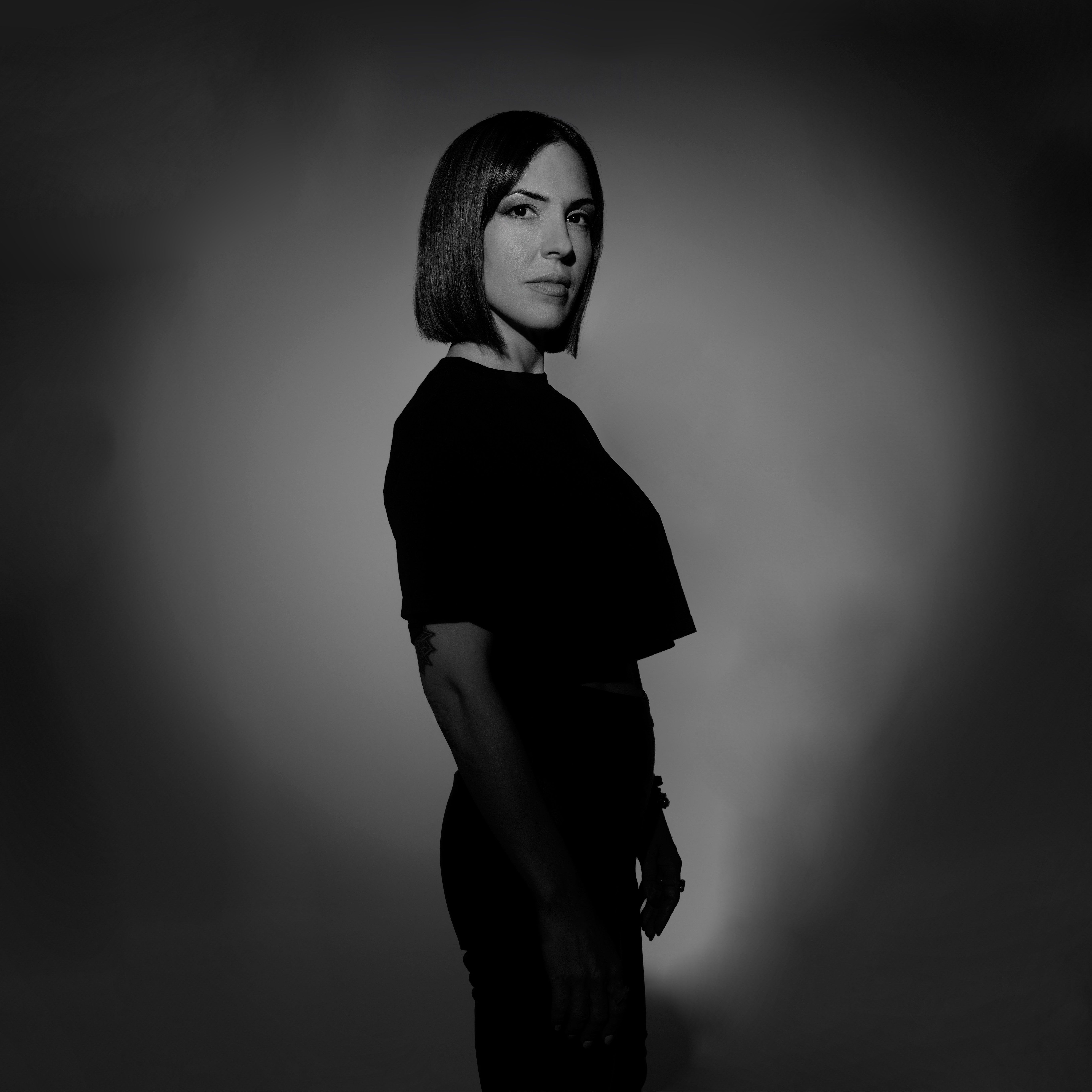
Anna Tur Interview Image (c) the artist
There seems to be an increasing trend to capture music in algorithms, and data. But already at the time of Plato, arithmetic, geometry, and music were considered closely connected. How do you see that connection yourself? What aspects of music do you feel can be captured through numbers, and which can not?
The connection between music and mathematics is fascinating. Rhythmic structures, pitch relationships and harmonic progressions can be described mathematically. The quantifiable aspects of music, such as note durations, note frequencies, and note relationships, can be captured with numbers.
However, the emotional and subjective expression of music is more difficult to quantify, as it involves elements such as timbre, dynamics, and interpretation, which are more abstract and subjective. Although algorithms can analyse and generate music based on data, human creativity and interpretation are still essential to give depth and meaning to music.
How does the way you make music reflect the way you live your life? Can we learn lessons about life by understanding music on a deeper level?
My productions are a sample of my lifestyle. Each of my tracks tells a story, a situation and again (sorry to be so repetitive), an emotion.
For example, my track called "Giorgina" (my daughter's name) express the moment of her birth. 12 hours of childbirth summarized in a little more than 6 minutes.
In it, there are melodic and mood changes, until in the descent you find a moment of summum and in the drop, the most emotional part bursts, the birth.
We can surround us with sound every second of the day. The great pianist Glenn Gould even considered this the ultimate delight. How do you see that yourself and what importance does silence hold?
I totally agree with Glenn Gould's reflection. Everything that surrounds our life and day to day, is full of sound impacts. Even silence has a particular sound. In one of the previous questions, I mentioned this. Sometimes, I like to sit in the countryside or in a place away from noise and simply enjoy the silence.
I remember a few months ago I met Luciano walking in Ibiza town and he told me that he was taking long walks to train his lung capacity, as he had a trip to Greenland where he was going with an explorer named Mike Horn, to record the sounds of the Arctic, the sounds of the cold and the real silence. I found it fascinating. In fact, you can see his experience on his instagram account.
Do you feel as though writing or performing a piece of music is inherently different from something like making a great cup of coffee? What do you express through music that you couldn't or wouldn't in more 'mundane' tasks?
Brewing a good cup of coffee is also creating. In a way, it takes artistry, care, respect and love for what you do. As much as you work these requirements, the better will be that coffee cup.
The same goes for composing and performing. The base of everything is love, dedication and passion.
If you could make a wish for the future – what are developments in music you would like to see and hear?
I would love to go back to the era of the ‘70s to the ‘90s, when the best pop and rock bands were born. I think we are missing a bit of that sound right now.
What I also wish is that no technology or "intelligence" will ever replace a composer. No matter how much progress we have in technology and new implementations, human feeling and sensitivity can never be replaced by a machine.
I would also love for music to be more and more accompanied by visual experiences, as is already happening with some productions. The visual and sound ensemble can take you to another dimension and feel the music in a deeper and more sensory way.