Published
Name: Thorleifur Gaukur Davidsson
Nationality: Icelandic
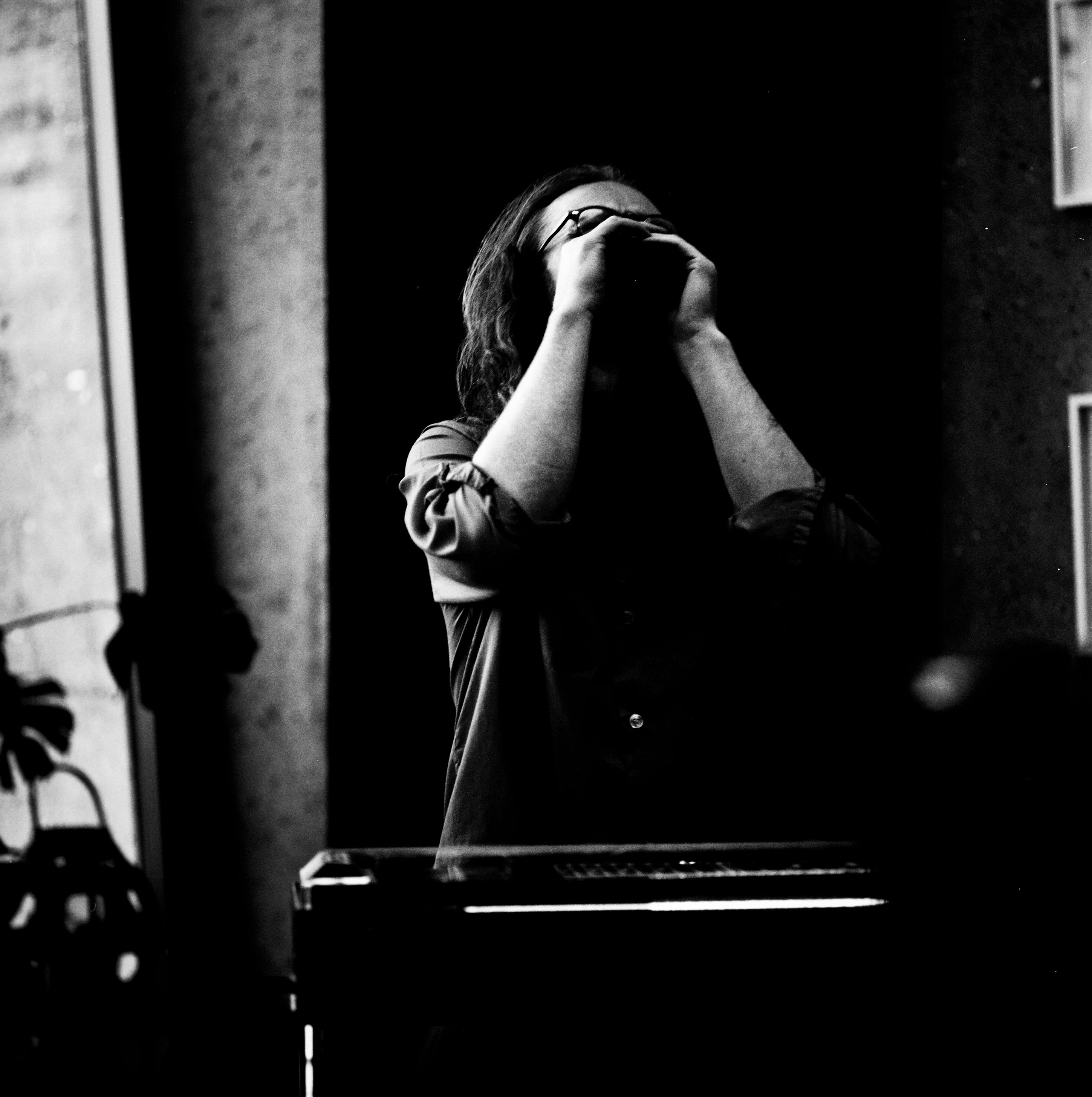
Occupation: musician/ pedal steel & harmonica
Current Release: Lifelines on OPIA
Recommendations: Seria II by Skúli Sverrisson / Salt of the Earth by Wim Wenders
If you enjoyed this interview with Davidsson you can stay up to date at his website davidssonmusic.com and on Instagram, Facebook or TikTok.
When I listen to music, I see shapes, objects and colours. What happens in your body when you're listening? Do you listen with your eyes open or closed?
I’ve always had an emotional connection with music. It often helps me dive deeper into what I’m and have been feeling. I also love the spacial element to music, I close my eyes and hear the space that the music creates.
As much as every kind of music has its appeal, entering new worlds and escapism through music have always exerted the strongest pull on me. What do you think you are drawn to most when it comes to listening to and creating music?
I love when music moves me, sometimes you can put your finger on it but often it’s just a feeling that comes from that moment. Creating music is such a daily meditation for me. I love the routine of sitting with your instrument and exploring.
What were your very first steps in music like and how would you rate the gains made through experience?
I started playing pretty early on and can thank my journey through music for so much of my growth. Music gave me confidence in so many ways. Early on, I got to play with some of the best players in Iceland and learned so much from them. Not just as a musician but as a person, to me those two are intertwined.
According to scientific studies, we make our deepest and most incisive musical experiences between the ages of 13-16. What did music mean to you at that age and what’s changed since then?
That’s the age where I really started my own journey. I looked at what the artist I looked up to where listening to and discovered a whole world of music. I still do that, but at the time it was such a fresh and exciting journey, like discovering a new planet.
How would you describe your own relationship with your instrument, tools or equipment?
It’s so important to have a personal connection to your instrument outside your professional life. Keeping that childlike curiosity is essential to me. I try to be playful in my practice and find ways to approach the instrument differently.
I play many different instruments and they mean different things to me. The harmonica is the most visceral, direct connection to emotion. The pedal steel is the most stimulating. The guitar is a dear friend that has been with me since I was a kid. I have a big collection of them that I’ve collected over the years of my travels. Every one brings something different out of me.
Where does the impulse to create something come from for you? What role do often-quoted sources of inspiration like dreams, other forms of art, personal relationships, politics etc play?
Creating is such a big part of life for me but it comes in waves. I flow from internalizing other music and creating my own. I work as a session musician and a producer; where I’m creative but am helping someone fulfil their vision of a song. There are periods where all my energy goes into learning new songs for gigs and working on them. Then, when I take a break, new music often flows out.
‘Lifelines’ is written when I had a lot of time to reflect. I lost my father in a tragic accident and processed those emotions a lot through my music. I can’t imagine going through that process without having that outlet.
Are you acting out parts of your personality in your music which you couldn't or wouldn't in your daily life? If so, which are these? What, would you say, are the key ideas behind your approach to music?
I think who you are as a person is so important since it comes through the music. The space you take and give for others has such a huge impact on improvisation and composing. The beauty of music is that very different people can come together and create something beautiful, it’s often better for the music to get some contrast in personalities.
There’s a great article that Brad Mehldau wrote about how your temperament affects your musicianship. He said that Peter Bernstein’s maturity in music is more innate that learned.
If music is a language, what can we communicate with it? How do you deal with misunderstandings?
I love non-verbal communication. When playing a phrase slightly differently affects the musicians you’re playing with and it takes the song in a new direction. My record ‘Lifelines’ was born out of that. Every time we play those songs they take a new shape.
In some contexts, you have to address musical misunderstandings. Sometimes you have to stop and find a mutual way that works for everyone. But if you’re playing with sensitive players then it usually solves itself over time.
Making music, in the beginning, is often playful and about discovery. How do you retain a sense of playfulness and how do you still draw surprises from tools, approaches and musical forms you may be very familiar with?
By not being too stuck in habits. It’s easy to become a creature of habit and you have to constantly push against that. I’m lucky and get to play with such a wide array of artists that remind me of keeping fresh. Also, always keep learning and never think that you’ve arrived. It’s a never-ending journey of learning.
Sound, song, and rhythm are all around us, from animal noises to the waves of the ocean. What, if any, are some of the most moving experiences you've had with these non-human-made sounds? In how far would you describe them as “musical”?
Being raised in Iceland I’ve always been surrounded by nature. I always been inspired by the sound of water and love sitting by a waterfall a river or the ocean. It’s such a multi-layered sound that is never-ending. When you listen closely you can hear all the different sounds that make up the symphony of a waterfall.
There seems to be an increasing trend to capture music in algorithms, and data. But already at the time of Plato, arithmetic, geometry, and music were considered closely connected. How do you see that connection yourself? What aspects of music do you feel can be captured through numbers, and which can not?
There’s definitely beauty in the symmetry and mathematics of music. You can use that as an inspiration but it’s important not to get stuck in it. It’s a good tool but can easily be overused.
When I’m creating and capturing music I tend to lean more towards the emotional side of music and try to capture a moment in time that feels like something.
How does the way you make music reflect the way you live your life? Can we learn lessons about life by understanding music on a deeper level?
I often think about the fact that even though some literature isn’t factual it can still speak truth. You can learn a lot about a culture through their art. Music does that in such a beautiful way.
We can surround us with sound every second of the day. The great pianist Glenn Gould even considered this the ultimate delight. How do you see that yourself and what importance does silence hold?
I love silence, some of my best music has been born out of that. When I feel fried after a long tour I usually go on a long solo hike and when I come back. I crave sound and connection. Creating music always follows those trips.
Do you feel as though writing or performing a piece of music is inherently different from something like making a great cup of coffee? What do you express through music that you couldn't or wouldn't in more 'mundane' tasks?
Everything we do can be an expression, but music can express emotions in such a deep way that I haven’t found elsewhere. It can say things that you can’t put to words. The beauty of music is also that you can create something brand new with people you’ve never met before.
If you could make a wish for the future – what are developments in music you would like to see and hear?
To keep exploring and to continue to meet and connect with inspiring people all over the world. I wish that my music can help others in their journey.