Published
Name: Esfand
Members: Rouzbeh Esfand, Patrick Stewart
Interviewee: Rouzbeh Esfand
Nationality: Iranian (Rouzbeh), New Zealand (Patrick)
Current release: Esfand's debut album Piltan is out via 30M.
If you enjoyed this Esfand interview and would like to know more about the band and their music, visit the duo on Instagram.
When I listen to music, I see shapes, objects and colours. What happens in your body when you're listening? Do you listen with your eyes open or closed?
It all depends on the music I listen to and my mood at that specific moment. Since I listen to music from different genres and various countries and cultures, I listen with different ears and intentions.
However, if I am listening to music to enjoy or relax, I usually listen with my eyes open. I can even dream, see colors and shapes, and envision movies or scenes unfolding.
I live for those specific moments.
Entering new worlds and escapism through music have always exerted a very strong pull on me. What do you think you are drawn to most when it comes to listening to and creating music?
Saying that the feeling of listening to or making music is beyond describing it in words would be an understatement.
I have experienced music where, while listening, it feels like my listening is part of the creation of that piece. When I listen to or create music, I feel both invincible and fragile, mentally and physically.
What were your very first steps in music like and how would you rate the gains made through experience?
I had a challenging start, as not everyone in my family approved of playing or even learning music for a very long time. Only my mother was somewhat supportive, which was understandable given the country and society I was born into, with its difficult history dealing with musicians and art in general.
However, I had great friends with similar goals, and meeting them and working constantly towards what we believed in helped me gain experience and eventually achieve fame and success.
According to scientific studies, we make our deepest and most incisive musical experiences between the ages of 13-16. What did music mean to you at that age and what’s changed since then?
Due to my birthplace and social environment, I did not have very good access to a lot of music. However, I tried to squeeze in everything from Coolio to Chopin, from Napalm Death to Bach, and much more.
I was learning music two days a week, playing many strange pieces that I didn't fully understand at the time. This early exposure helped me digest almost any music later in life.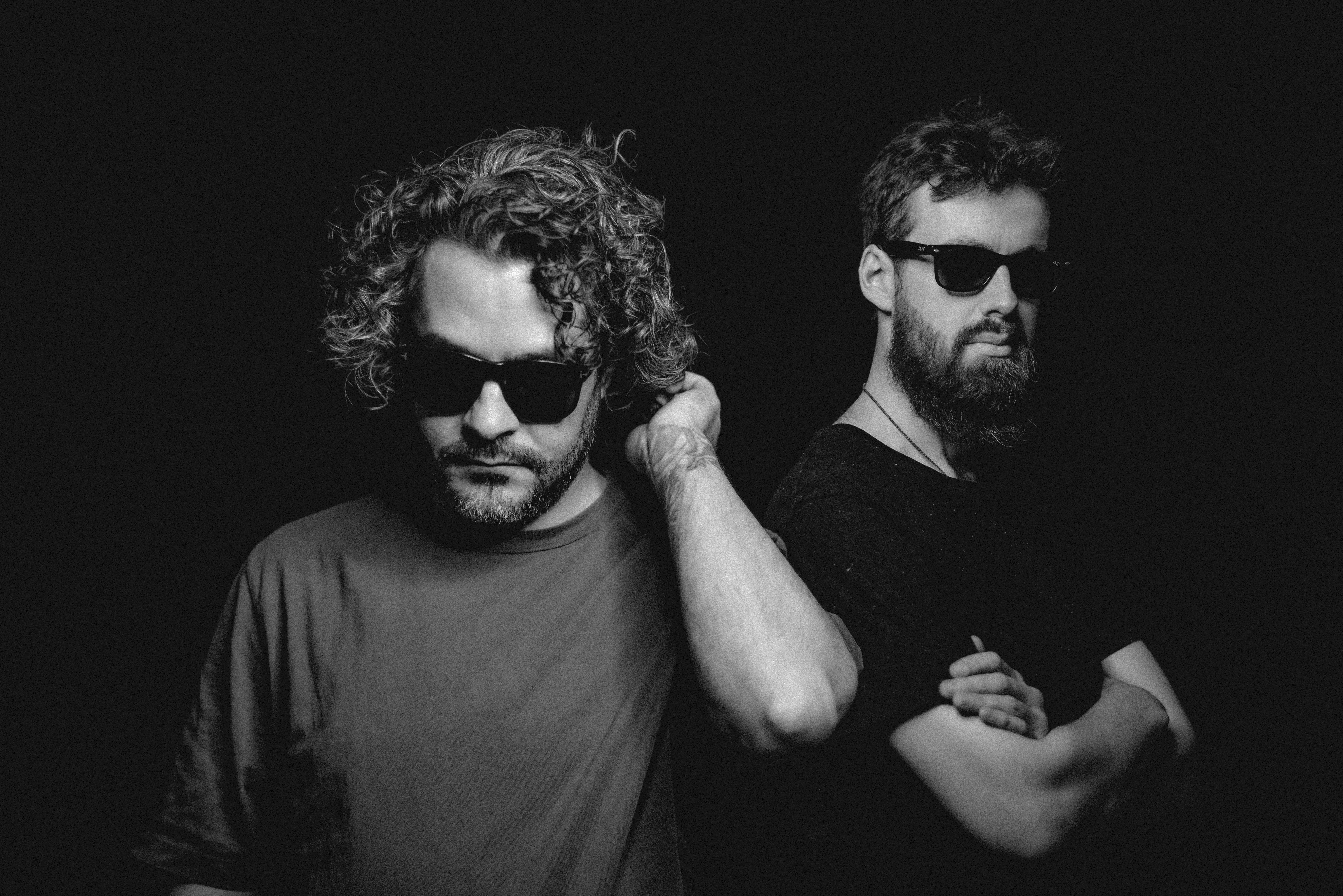
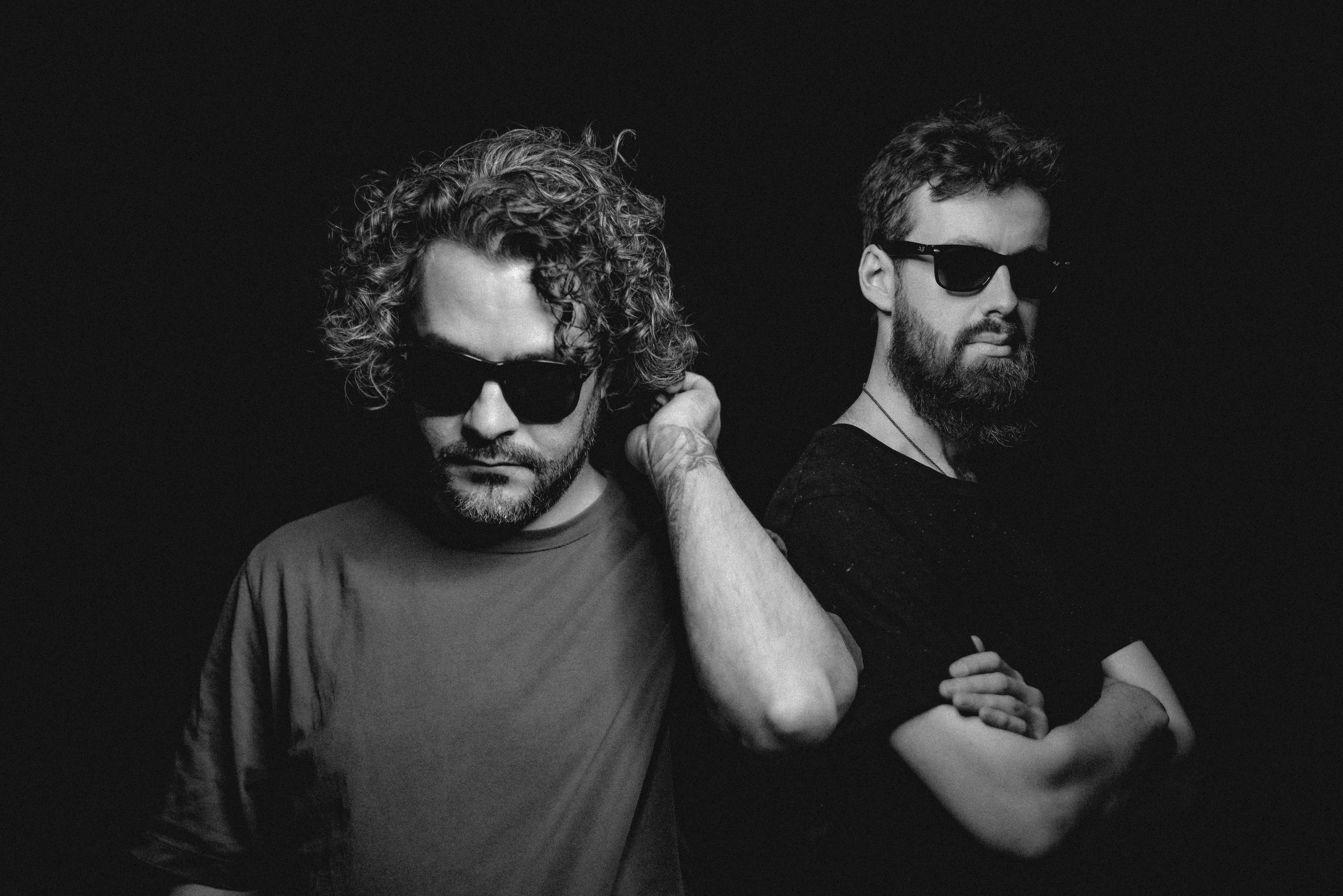
Esfand Interview Image by Saba Moghaddami
How would you describe your own relationship with your instrument, tools or equipment?
It's an absolute love-hate relationship. I cannot live without them, yet they sometimes make my life a living hell.
Where does the impulse to create something come from for you? What role do often-quoted sources of inspiration like dreams, other forms of art, personal relationships, politics etc play?
It's difficult to put into words. Music has always been the place that created the most questions in my heart and provided the most answers. It was my safe place, my haven.
When I realized I could create music of my own, I felt as free as a bird. I can't remember exactly when this realization occurred, but it has always stayed with me.
Are you acting out parts of your personality in your music which you couldn't or wouldn't in your daily life? If so, which are these? What, would you say, are the key ideas behind your approach to music?
I think I've been doing that only for the past 5-6 years. Before that, I was concerned with how I would be perceived by others, especially my family and countrymen.
But nowadays, I aim to express myself to the fullest, with no censorship.
If music is a language, what can we communicate with it? How do you deal with misunderstandings?
Misunderstandings are a part of life, and there's no way around them in music.
We perceive music based on our life experiences, how we've been treated, and how we treat others. Our shared moments of love, friendship, kisses, hugs, and all the steps in our lives determine how we perceive music and what we understand or convey through it.
Making music, in the beginning, is often playful and about discovery. How do you retain a sense of playfulness and how do you still draw surprises from tools, approaches and musical forms you may be very familiar with?
I'm not exaggerating when I say that every day brings surprises. I still enjoy every second of it. I don't need to do anything special—just open my DAW or have my instrument in hand and start creating.
It continues to amaze me how vast and uncharted the musical realm actually is.
Sound, song, and rhythm are all around us, from animal noises to the waves of the ocean. What, if any, are some of the most moving experiences you've had with these non-human-made sounds? In how far would you describe them as “musical”?
There are no concrete answers to any of these questions. I've had experiences where these sounds felt overwhelming and others where they were soothing, transporting me to a new dimension. It depends on many interacting factors.
The sounds themselves are just sounds; how we perceive and feel them can make one musical and the same one horrific. Generally speaking, I've rarely thought of these sounds as anything other than musical.
There seems to be an increasing trend to capture music in algorithms, and data. But already at the time of Plato, arithmetic, geometry, and music were considered closely connected. How do you see that connection yourself? What aspects of music do you feel can be captured through numbers, and which can not?
Whether we like it or not, the moment music becomes polyphonic, it enters the realm of numbers and geometry. And I find that incredibly beautiful.
Even within that realm, there are elements you can tweak and change, creating abnormal or strange sequences, geometries, or algorithms. Even those anomalies form sequences of their own.
Ultimately, it depends on what we want to convey in our music and what we wish to pass on to our listeners.
How does the way you make music reflect the way you live your life? Can we learn lessons about life by understanding music on a deeper level?
Making music as a creator and understanding music as a listener are two separate experiences. I would love to live my life the way I make my music, but I haven't yet seen that happening.
However, I love listening to music while doing anything; it makes life more tolerable and enjoyable.
We can surround us with sound every second of the day. The great pianist Glenn Gould even considered this the ultimate delight. How do you see that yourself and what importance does silence hold?
I have only experienced silence once in my life, and even then, it wasn't true silence. The silence was mostly in my head.
I was on top of a mountain, about 1800 meters up, with the wind in my ears, the sound of people chattering, and heavy breaths around me. I looked at the view beneath my feet and, for a few seconds, felt detached from everything. I've never experienced that again.
Normally, I play music from morning until dusk, except when I'm playing my instruments or making music on my laptop. I completely agree with Mr. Gould on this.
Do you feel as though writing or performing a piece of music is inherently different from something like making a great cup of coffee? What do you express through music that you couldn't or wouldn't in more 'mundane' tasks?
I don't think there has ever been or will be any other way to convey the deepest feelings to any living creature as effectively as music.
The abstract nature of music and how deeply it is intertwined with us makes it the best tool to express our deepest feelings, desires, and despairs.
If you could make a wish for the future – what are developments in music you would like to see and hear?
I wish for more events and festivals, especially in closed communities or among audiences and people under the pressure of censorship.