Published
Name: Fran Ri
Nationality: Chilean
Occupation: Vocalist, songwriter
Current release: Newen Afrobeat's Grietas, which features Fran Ri on vocals, is out via Lichens Family. She also has a new solo single "Llave," a collaboration with Masquemusica.
Recommendations: I'd like to take this opportunity to invite you to check out my solo work under the name Fran Ri on all digital platforms.
And of course, I also encourage you to explore the work and legacy of two great figures in poetry and music in Chile: Gabriela Mistral and Cecilia - La Incomparable.
If you enjoyed this Fran Ri interview and would like to know more about her music, visit her official website. She is also on Instagram, and Facebook.
For a deeper dive, read our Newen Afrobeat interview.
When I listen to music, I see shapes, objects and colours. What happens in your body when you're listening? Do you listen with your eyes open or closed?
In general, I involuntarily close my eyes to connect with more sensory experiences or those that require special attention.
In the case of hearing, I always achieve a better perception by eliminating the sense of sight.
Entering new worlds and escapism through music have always exerted a very strong pull on me. What do you think you are drawn to most when it comes to listening to and creating music?
I believe it's the connection to the emotional world.
Music has an immense power to transmute states, experiences, and moments, and it's the main reason why it's always present in my life. I need to listen to it and/or create it to navigate through my processes.
What were your very first steps in music like and how would you rate the gains made through experience?
My most infuential frst steps in music happened when I was 17. I was part of a jazz fusion band where I served as the vocalist for the project.
Although it didn't last long due to the ambitious nature of the project at an age when you undergo many changes, I believe it provided me with a signifcant foundation from which to experiment with my voice and begin exploring genres that resonate with me, such as neo-soul and afrobeat.
According to scientific studies, we make our deepest and most incisive musical experiences between the ages of 13-16. What did music mean to you at that age and what’s changed since then?
I believe that at that age, music was an important refuge for me to navigate through my pre-adolescent stage in a very traditional and achievement-oriented school where I didn't feel comfortable or valued.
Connecting with music allowed me to communicate better, even with my teachers, and in some way, it helped shape my personality. It was something I could identify with and build my identity around.
The difference between that period and now is that I am now fully dedicated to music and the performing arts, and I feel fortunate for that.
How would you describe your own relationship with your instrument, tools or equipment?
As of today, I believe I have a good relationship with my voice. It's an instrument I know well beyond the technical aspects. My way of protecting and working with it also involves expressing what's happening in circumstances where I'm experiencing more complex emotional states that tend to block that area, such as anger, frustration, or sadness.
On the other hand, I believe I'm at a stage where I understand how to protect it (temperature, rest, hydration, avoiding irritants), but without depriving myself of enjoying life's pleasures that are vital for happiness!
Where does the impulse to create something come from for you? What role do often-quoted sources of inspiration like dreams, other forms of art, personal relationships, politics etc play?
I believe it stems from a need to express, interpret, and share moving stories and events—both for myself, for others, and within various contexts.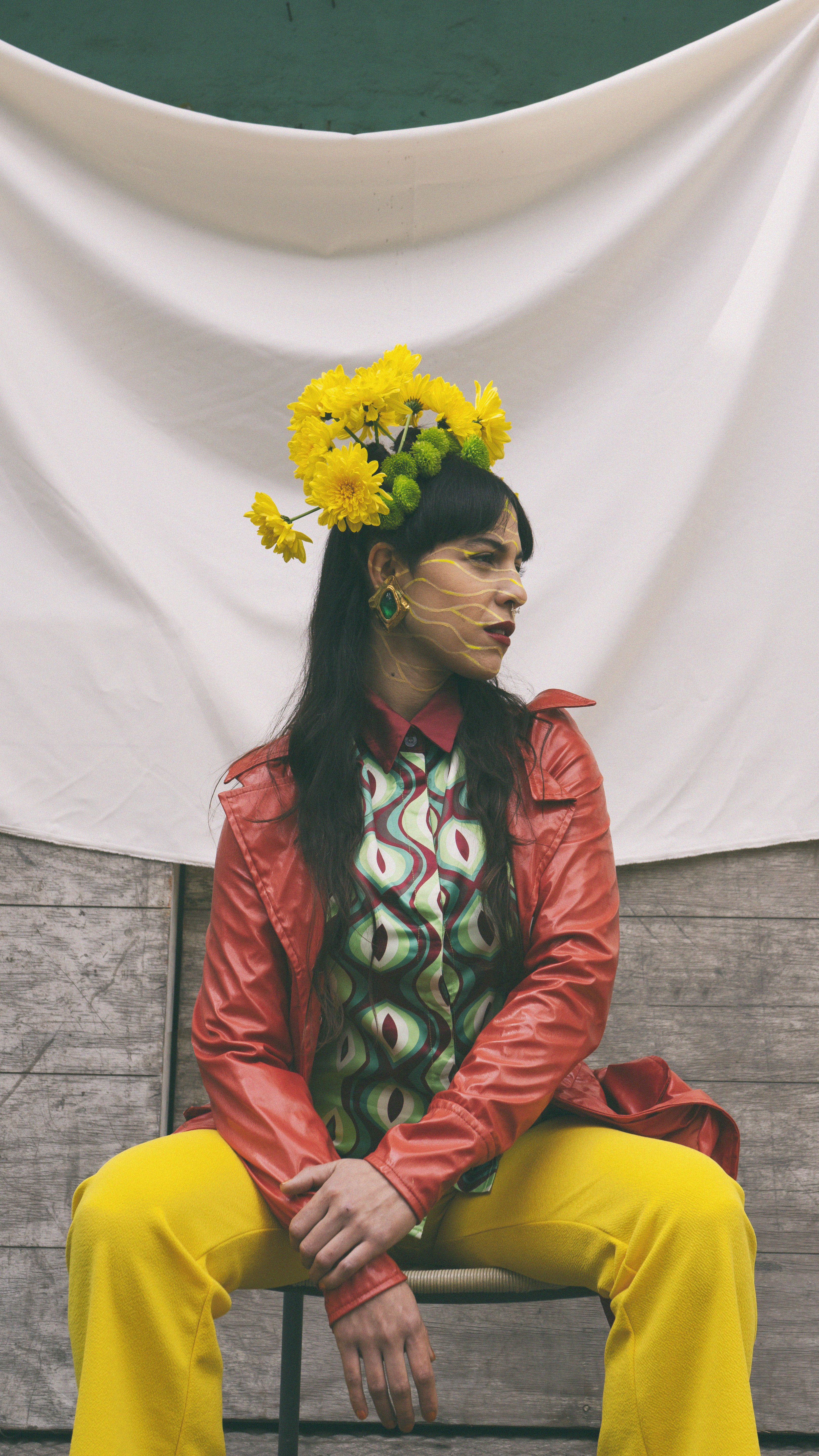
Fran Ri Interview Image by Maca Miño
Are you acting out parts of your personality in your music which you couldn't or wouldn't in your daily life? If so, which are these? What, would you say, are the key ideas behind your approach to music?
I always strive to engage in the experience of creation and stage work from a place of honesty and radical authenticity.
If music is a language, what can we communicate with it? How do you deal with misunderstandings?
Music, in itself, is a means of expression that can convey something words fail to articulate. It converses with more subtle realms ... and that, in itself, is amazing.
With music, we can amplify messages that need to be heard or symbolically translate states and moments that surely resonate with others going through similar situations.
Making music, in the beginning, is often playful and about discovery. How do you retain a sense of playfulness and how do you still draw surprises from tools, approaches and musical forms you may be very familiar with?
I believe that turning off the rationality button is crucial to maintaining a state of playful and creative flow.
It's important to let go of the fear of making mistakes, of imperfections, and allow your creativity to manifest through your subconscious, fully trusting in the support provided by your accumulated knowledge and acquired skills.
Listening to a diverse range of music can also feed your mind with references and contribute to expanding your musical and lyrical language. Scenic, audiovisual, and literary references undoubtedly play a role as well.
Sound, song, and rhythm are all around us, from animal noises to the waves of the ocean. What, if any, are some of the most moving experiences you've had with these non-human-made sounds? In how far would you describe them as “musical”?
I consider myself someone connected with musicality in everyday life. The rhythm of water dripping from the faucet, the dynamics and textures of the voice when it manifests itself in an atavistic, visceral manner, the sound of machinery, horns honking, the way people speak, the vast array of sounds that nature delivers ...
I don't recall a specific experience, but I could say that music is in everything and everywhere, even in silence.
There seems to be an increasing trend to capture music in algorithms, and data. But already at the time of Plato, arithmetic, geometry, and music were considered closely connected. How do you see that connection yourself? What aspects of music do you feel can be captured through numbers, and which can not?
Yes, the change that the music industry has undergone in the last decade has been dizzying. Suddenly, the rules of the game changed, and everything began to be measured in numbers, reach, and popularity, threatening the quality of your music, sensitivity, and originality.
I believe that every change brings with it opportunities and threats ... in this case, the opportunity given by connectivity and the ability to build an audience through a digital platform and social media is fantastic. But the major threat is that everything can be tainted by a great frivolity that may undermine the genuineness of making, creating, and sharing music.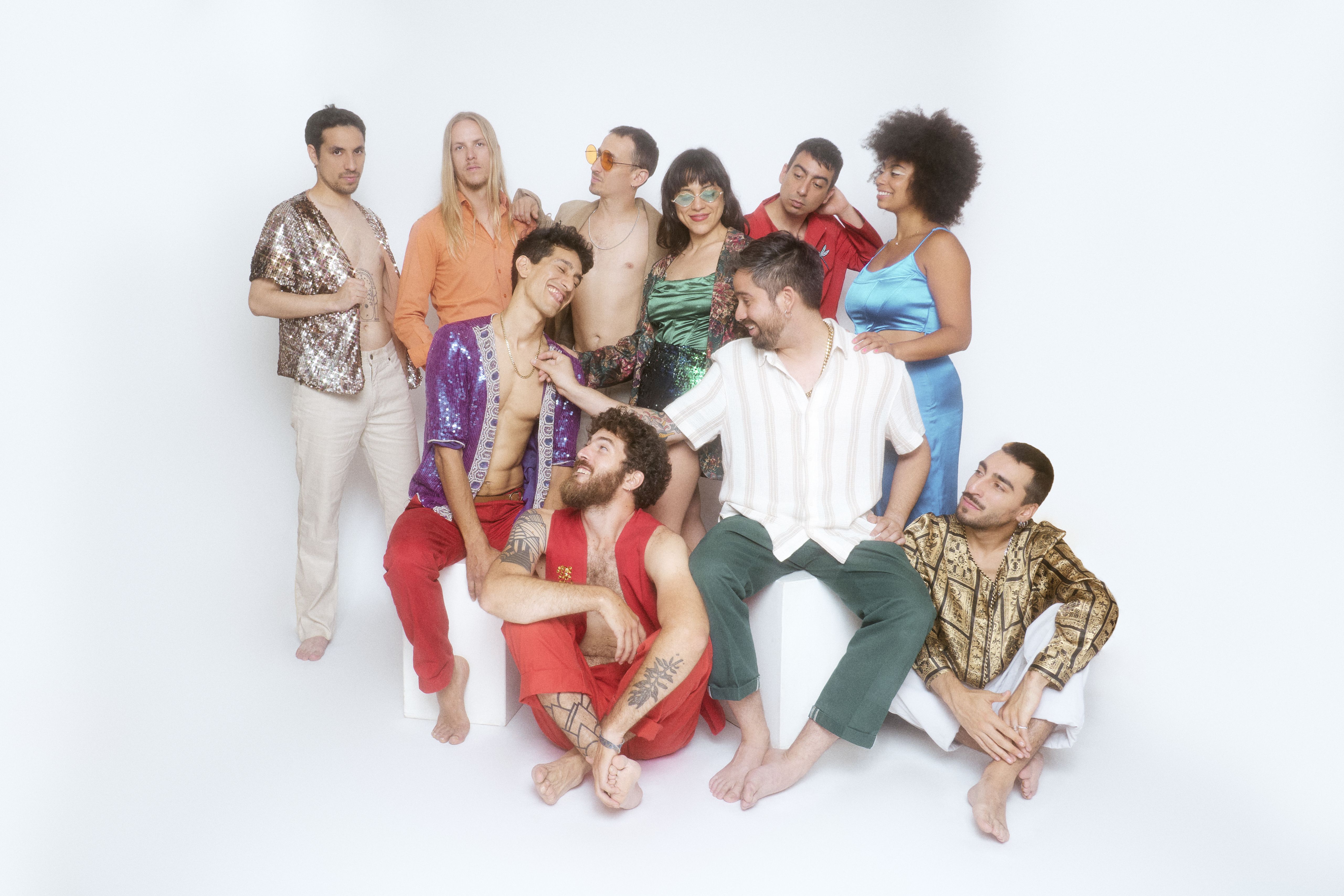
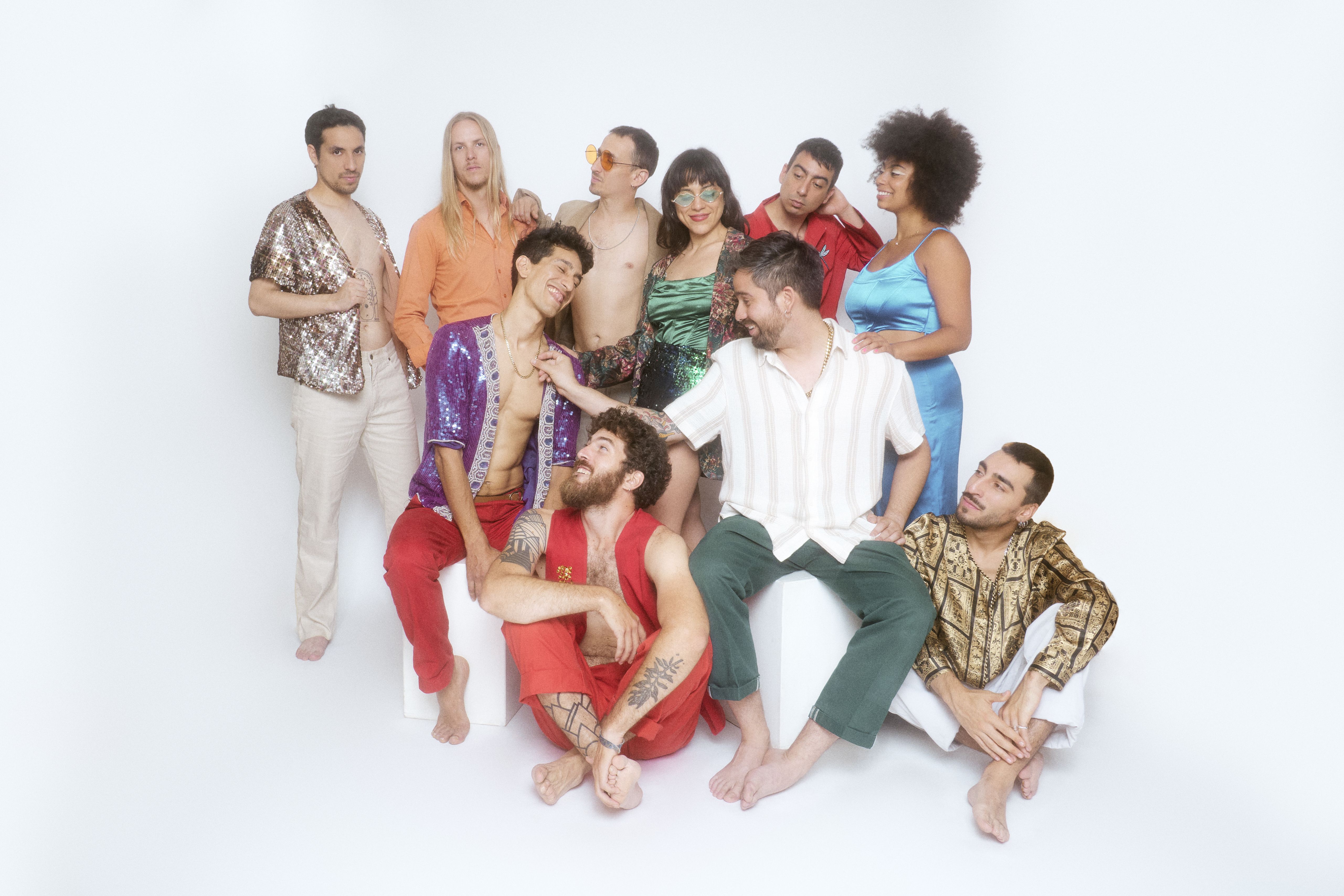
Newen Afrobeat Interview Image by Carlos Poblete Lara
How does the way you make music reflect the way you live your life? Can we learn lessons about life by understanding music on a deeper level?
Without a doubt, I believe that making music involves engaging in a process of connection with oneself, being in communication with your emotions, and your ideas, and expressing them in this language.
Becoming aware of the importance of this ultimately develops into a habit and ends up becoming a lifestyle :)
We can surround ourselves with sound every second of the day. The great pianist Glenn Gould even considered this the ultimate delight. How do you see that yourself and what importance does silence hold?
Indeed, we are surrounded by sounds, and I already consider myself fortunate to be able to listen and perceive them, allowing me to appreciate silence and enjoy it.
Sometimes, when I arrive home after a busy day filled with rehearsals and conversations, I find that I enjoy the silence twice as much. It brings me tranquility, allows my ears to rest, and helps me empty myself of the multitude of stimuli.
Do you feel as though writing or performing a piece of music is inherently different from something like making a great cup of coffee? What do you express through music that you couldn't or wouldn't in more 'mundane' tasks?
I relate this to the concept of quality brought into the domestic and everyday realm. When you make yourself a good cup of coffee or it's served to you, it's because there was a sharp selection and care among the quality of water, the type of roast, the bean, and the preparation.
The same applies to music ... you can perceive when it was recorded under good or poor standards, if the composer was truly connected to conveying something from a genuine place or aiming for immediate results.
In Chile, they say "do things with love".
If you could make a wish for the future – what are developments in music you would like to see and hear?
I would like the magic of live experiences and the sense of community in making music not to be lost.
Technology and AI become an interesting possibility, but they pose a danger of extinction for large bands like, for example, an Afrobeat band such as Newen.