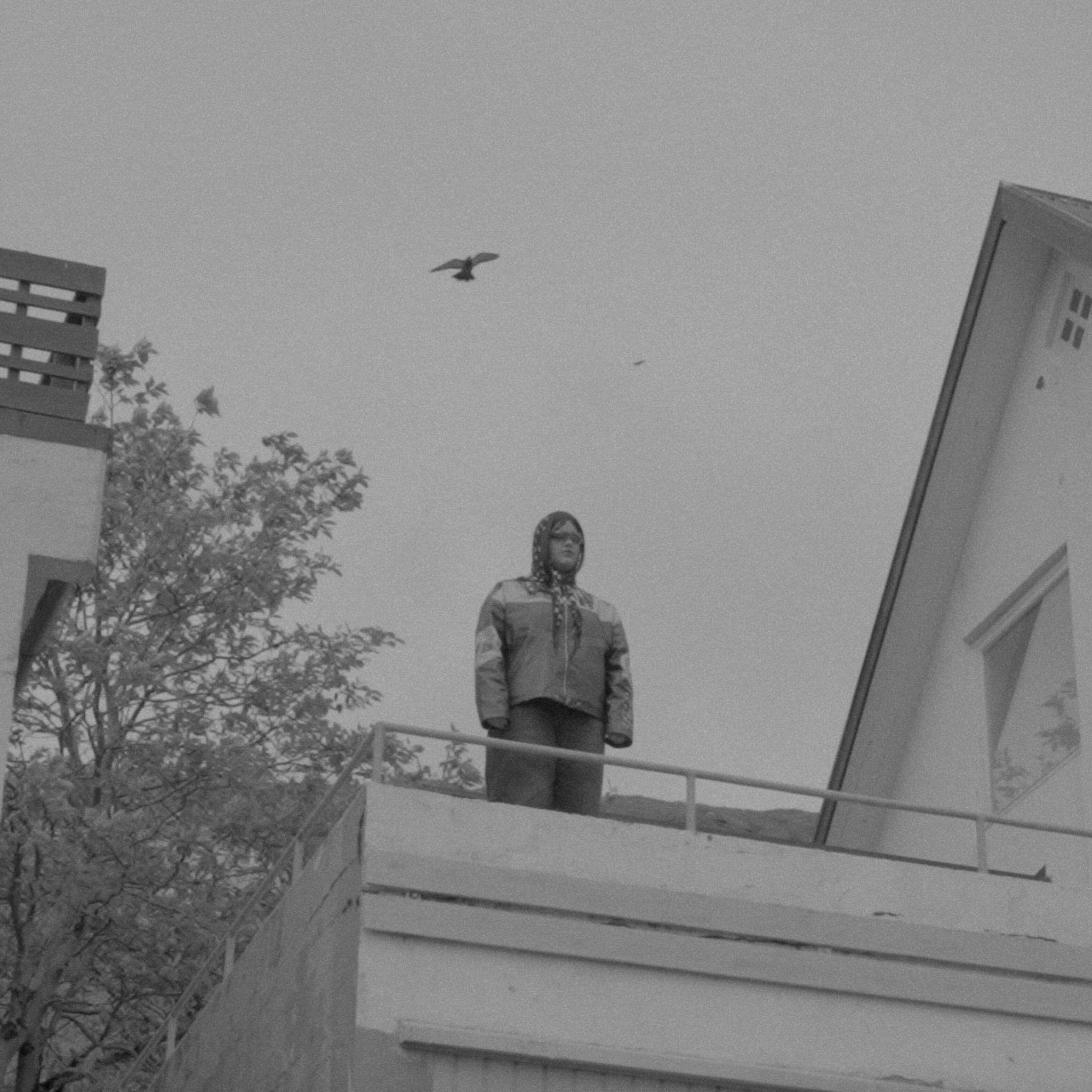
Published
Name: jazzygold
Nationality: Faroese
Occupation: Singer, songwriter
Current Release: jazzygold's it's been a while EP is out via TUTL.
Recommendations for the Faroes: There’s so much! So I’ll recommend two things, one in my hometown which is called Vestmanna and one in the capitol Tórshavn where I'm currently living.
In Vestmanna, I recommend visiting the Vestmanna Bird Cliffs. You take a boat out to these huge sea cliffs and you just feel alive and really small.One of my favorite food experiences in Tórshavn is a restaurant called ‘’Barbara’s Fishouse’’. 10/10, amazing wine and amazing Faroese fish and shellfish and it’s located just perfect.
Things I rarely get to talk about: I'm passionate about cooking! It’s another creative outlet for me—putting together flavors feels similar to crafting a song haha.
If you enjoyed this jazzygold interview and would like to stay up to date on her music, visit her official homepage. She is also on Instagram, bandcamp, tiktok, and Facebook.
When I listen to music, I see shapes, objects, and colors. What happens in your body when you’re listening? Do you listen with your eyes open or closed?
When I listen to music, it feels like a full-body experience. Certain sounds seem to ripple through me, creating sensations that shift between calm and electrifying energy.
I listen with my eyes both open and closed—it depends on the moment. When they’re closed, I can lose myself completely, but when they’re open, I feel more connected to the physical world around me.
If we forget about streaming numbers, target audiences, social media followers, and sales – why are you drawn to sound and music as a creator and listener?
Music allows me to process emotions I can’t always put into words. As a listener, it’s like stepping into someone else’s world. As a creator, it’s the most honest way I can express myself.
It’s the balance of giving and receiving—writing a song to let go of something inside me and knowing that someone else might hear it and feel less alone.
According to scientific studies, we make our deepest and most incisive musical experiences between the ages of 13–16. What did music mean to you at that age, and what’s changed since then?
At that age, music was my escape. It gave me a space to dream bigger than what I saw around me on the Faroe Islands.
Back then, it was about discovering who I was. Now, it’s about showing who I’ve become and helping others navigate their own journeys through my songs.
Tell me about one or two of your early pieces that you’re still proud of – and why you’re content with them.
It’s a song I haven’t released yet called ‘Sweet Beginnings.’ It was the first piece I wrote for this project, even before I knew jazzygold would become what it is today. That song helped me shape the universe I'm in now and gave me the confidence to trust myself as an artist.
For now, it’s something I'm keeping close, but hopefully, I’ll be ready to share it with the world someday.
What is your current studio or workspace like? What instruments, tools, equipment, and space do you need to make music?
It might sound a bit unusual, but for now, my workspace is in Stockholm, where I work with my producer. That studio has become a real safe space for me.
When I'm in the Faroe Islands, I have so much going on that it’s hard to find the mental space to create. I don’t truly relax until I leave the country—only then do I feel connected to myself and my creative side.
It’s not the most practical setup since it means I have to travel a lot, but it works for me!
From the earliest sketches to the finished piece, tell me about the creative process for your current release, please.
For my upcoming EP, it’s been a while, the process began when I finally decided to go to therapy. I had a lot to unpack, and after some tough and intense months, I went to Stockholm.
While I was there, I felt something truly special—like I knew exactly what was going to happen before it did. I realized I needed to tell these stories through my music, both to bring them to a close and to mark a new beginning.
Writing these songs and working on myself has been so freeing. When me and my producer work together, we always start by listening to songs that have been inspiring me lately. Then he dives into his sounds while I give my input, and eventually the lyrics and melodies start to flow—or sometimes they don’t, and that’s okay too, haha.
What role and importance do rituals have for you, both as an artist and a listener?
Rituals help me ground myself, both as an artist and as a listener.
As an artist, I rely on rituals to create the right atmosphere before diving into writing. It could be as simple as lighting candles or playing a song that inspires me—it’s about setting the mood and opening myself up to creativity. As a listener, rituals help me connect with music when I listen.
For example, I like taking long walks or listening at night when everything is quiet. It gives me the space to focus fully on the music and feel it in a more personal way.
Are you acting out parts of your personality in your music that you couldn’t or wouldn’t in daily life? If so, which are these?
Absolutely. In my music, I feel more bolder and more vulnerable than I often feel in my daily life.
It’s like I can channel the parts of me that are ‘’too raw’’ or ‘’too complex’’ to share otherwise.
Late producer SOPHIE said: “You have the possibility […] to generate any texture, and any sound. So why would any musician want to limit themselves?” What’s your take on that?
I completely agree. Music is a limitless space for creativity and self-expression. It’s the perfect medium to experiment, break boundaries, and explore new textures and sounds without holding back.
Why limit yourself when the possibilities are endless?
Do you feel that your music or your work as an artist needs to have a societal purpose or a responsibility to anyone but yourself?
I believe music carries an incredible power—it can connect people, heal wounds, and inspire change.
While I always write from a personal place, I feel a responsibility as an artist to create something meaningful for others. I hope my songs can offer a sense of understanding or comfort to those who listen, and that’s a responsibility I don’t take lightly
Music has influenced my decisions and views and literally changed my life. How has this been for you, and how do you think music makes its power felt?
I mean, music has completely shaped who I am. It’s given me purpose and has always been my way of processing emotions and expressing myself.
Even as a kid, before I understood what it meant to be an artist, the music playing around the house was my escape. It made me feel a lot—like it was moving something inside of me.
Its power is in how it makes us feel, whether through lyrics, melodies, or even the quiet moments in between.
I would love to know about the feedback you’ve received from listeners or critics – any misunderstandings or new insights?
One listener told me they felt my song “Ex-Friends” was about heartbreak in love, but it’s actually about friendship breakups. It was fascinating to see how they connected to it differently.
That’s the beauty of music—it becomes personal to whoever listens.
What are some of the most moving experiences you’ve had with non-human-made sounds?
The ocean has always moved me.
Growing up in the Faroe Islands, I’d hear the waves crashing, and it felt musical. Those sounds remind me of home and often inspire me.
We can surround ourselves with sound every second of the day. How do you see that, and what importance does silence hold?
Silence is just as important as sound. It gives space for thoughts and emotions to surface.
I love the idea of contrast—letting silence make the music feel even more alive.
Do you feel as though writing music is inherently different from something like making a great cup of coffee?
Yes, but there’s a similarity in creating something with intention.
Music, however, allows me to express emotions and connect with people on a deeper level—something I can’t achieve with mundane tasks.