Published
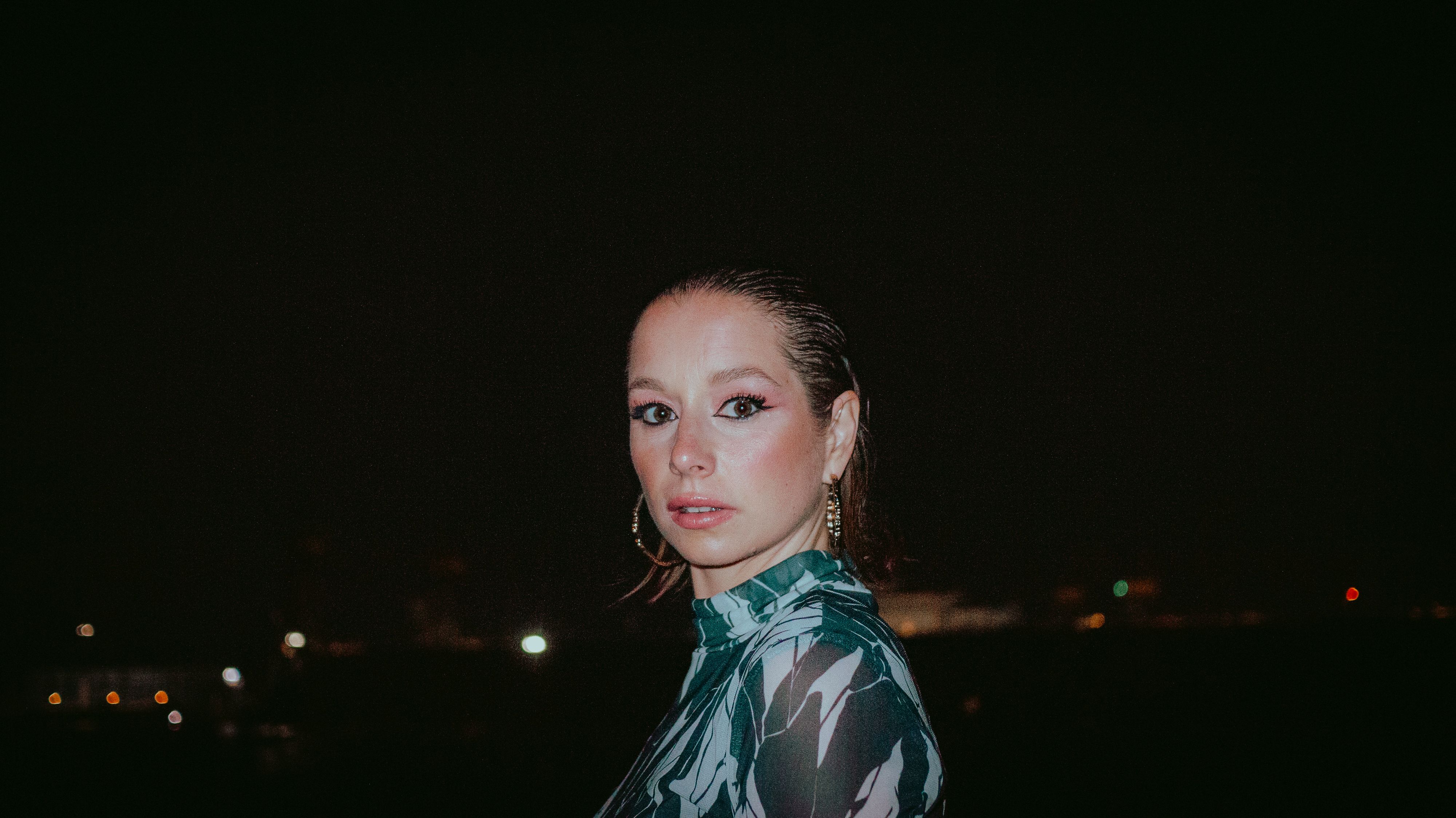
Name: Senta Delliponti
Nationality: German
Occupation: Singer, songwriter
Current release: Senta's ECHO EP is out via Sentahood.
If you enjoyed this Senta interview and would like to know more about her music and live dates, visit her official homepage. She is also on Instagram, and Facebook.
When I listen to music, I see shapes, objects and colours. What happens in your body when you're listening? Do you listen with your eyes open or closed?
Both. Sometimes I listen to Handpan music and then I close my eyes and I love this healing process in my body.
Also, I love to dance around the apartment with loud music on or singing along in the car.
Entering new worlds and escapism through music have always exerted a very strong pull on me. What do you think you are drawn to most when it comes to listening to and creating music?
I am fascinated by sound journeys. When I hear a song that surprises me and resonates with me.
What were your very first steps in music like and how would you rate the gains made through experience?
My first steps into the music world began at the age of 13 in a casting show. Trying out songs that I loved gave me a lot of space to get to know my voice and arrange new songs.
Then I wrote my first lyrics in my childhood room and set them to music with my mom on the piano. It was always very playful and along the way I lost a bit of my passion for it because in the music industry, industry often comes before music and that did something to me.
Today I am very close to myself and my voice again and I am grateful for this incredible experience that I have had since my childhood. But it is an ongoing process between the worlds of music and industry. I try to keep it balanced.
According to scientific studies, we make our deepest and most incisive musical experiences between the ages of 13-16. What did music mean to you at that age and what’s changed since then?
Simply immersing myself in music, allowing its rhythms to stir something deep within me. It has always been, and continues to be, an unparalleled channel for my emotions.
While in the past, I approached singing from a more performative angle, nowadays it's about embracing my own voice, adapting it to the moment—whether it's a hushed melody or a soaring crescendo—finding beauty in its nuances, and entrusting my emotions to its cadence.
How would you describe your own relationship with your instrument, tools or equipment?
Dearly and healing.
Where does the impulse to create something come from for you? What role do often-quoted sources of inspiration like dreams, other forms of art, personal relationships, politics etc play?
Personal relationships, to reflect on myself.
Whenever my mind is empty and I escape from everyday life, the best songs happen.
Are you acting out parts of your personality in your music which you couldn't or wouldn't in your daily life? If so, which are these? What, would you say, are the key ideas behind your approach to music?
To be less in my head and just let it flow, constantly checking in with myself and trusting my intuition.
Whenever a significant phase of life ends, that's when I have the most to say.
If music is a language, what can we communicate with it? How do you deal with misunderstandings?
Music touches without words, it delves deep, and heals in so many ways. I believe we should view and understand music more in this light.
It's a societal asset and, for me, so crucial that artists are better compensated and supported by policymakers.
Making music, in the beginning, is often playful and about discovery. How do you retain a sense of playfulness and how do you still draw surprises from tools, approaches and musical forms you may be very familiar with?
I often engage with new people through writing, or acquire a new instrument to learn. New equipment also aids in this process, and definitely being involved in various music projects across different genres.
Sound, song, and rhythm are all around us, from animal noises to the waves of the ocean. What, if any, are some of the most moving experiences you've had with these non-human-made sounds? In how far would you describe them as “musical”?
I try to listen to nature every day, and for me, it's spirituality and a wonderful source of inspiration and tranquility.
I interpret it as music because you can extract such amazing sounds from it and experiment with them in the studio, creating something unique. I really enjoy doing this.
How does the way you make music reflect the way you live your life? Can we learn lessons about life by understanding music on a deeper level?
Absolutely. For me, it's about telling personal stories and a process of dealing with themes that resonate with everyone. My lyrics are often encouraging.
On my new EP ECHO, I tried to give space to seemingly negative feelings and transform them into something positive, such as fear. What is my fear trying to tell me? What if I listen to it briefly and embrace it?
Making music to be supportive on others' journeys is very important to me.
Do you feel as though writing or performing a piece of music is inherently different from something like making a great cup of coffee? What do you express through music that you couldn't or wouldn't in more 'mundane' tasks?
The pure emotion, and sometimes it's melodies that say even more than words. That's what I find so wonderful about it.
If you could make a wish for the future – what are developments in music you would like to see and hear?
I would really like to see more diversity in music, which should also take place in the mainstream, so that everyone is exposed to it.
I wish for music to be listened to more consciously again, appreciated at all levels, and for there to be fewer 2.30-minute songs but rather sonic journeys that can also feature on popular playlists.