Published
Name: TC & The Groove Family
Members: Franz Von (vocals), Tim Cook (drums), Paolo Mazzoni (percussion), Beth O’Lenahan (bass), Mikey Scott (guitar), Nathan Sayers (guitar), Hannah-Mae Birtwell (tenor & baritone saxophone), Max Purcell-Burrows (trombone), Grifton Forbes-Amos (trumpet), Nicole Raymond (turntables & backing vocals)
Current release: TC & The Groove Family's new EP We Have Each Other is out via Bridge the Gap.
Recommendations: All Things Remembered: Goldie (Autobiography); Aman Iman - Tinariwen (Album)
If you enjoyed this TC & The Groove Family interview and would like to know more about the band and their music, visit them on Instagram, and Facebook.
When I listen to music, I see shapes, objects and colours. What happens in your body when you're listening? Do you listen with your eyes open or closed?
I often prefer to listen to music with my eyes closed, to fully immerse in the sonic landscape.
When I’m drumming with the groove family I’m often sweating a lot, so I sometimes need to shut my eyes for this purpose also!
Entering new worlds and escapism through music have always exerted a very strong pull on me. What do you think you are drawn to most when it comes to listening to and creating music?
When creating music, it is always my aim to translate my emotions authentically. In the groove family, we create music with a meaningful purpose with the hope to uplift and inspire people.
The emotions that arise in our music can range from joy to anger but the message has to be one of encouragement and uniting people together.
What were your very first steps in music like and how would you rate the gains made through experience?
My first steps in music involved listening to a range of styles from across the globe. My earliest years of my life were in Handsworth, Birmingham, which has a strong Afro-Caribbean and South Asian community, so I had the blessing of being surrounded by incredible music.
I would soak up the sounds around me whether that was the Dhol drumming year 6 assembly performance at primary school that shook the school hall walls, or being mesmerised by the Dub basslines coming from carnival Soundsystems in the park.
There was a lovely guy (also called Tim) who used to come to my family’s home and bring djembes to jam on, teaching me how to pick up rhythms and improvise. As I began to learn drum kit I was keen to translate the grooves that I have always loved into my own playing!
According to scientific studies, we make our deepest and most incisive musical experiences between the ages of 13-16. What did music mean to you at that age and what’s changed since then?
At age 13 to 16, I was an energetic teenager with a curiosity and love for bass heavy electronic music! I remember drumming along to a medley I created with a nice sixth former - Pendulum's "Blood Sugar" with a synth drone transition that led into Blur's "Song 2" - I performed at a school talent show. The crowd went wild and I won the competition!
This was a very formative experience and gave me a lot of confidence as a heavily dyspraxic 14 trying to find my voice in secondary school.
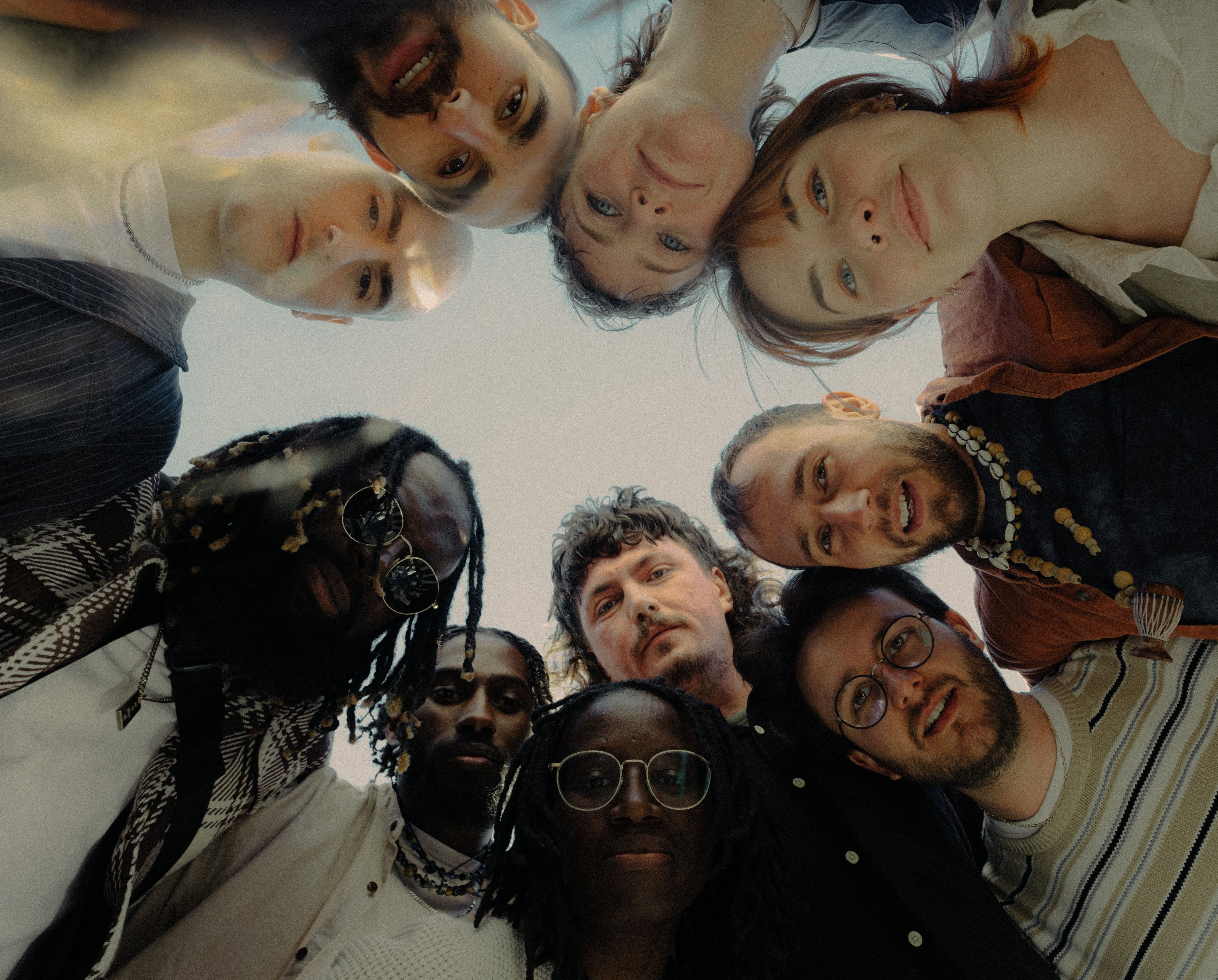
TC & The Groove Family Interview Image (c) the artists
How would you describe your own relationship with your instrument, tools or equipment?
My relationship with drums goes deep. I consider drumming to be a huge aspect of my self-identity and the act of playing the drums has had a transformative impact on my life.
I was diagnosed with developmental dyspraxia at a young age, thanks to my Mum’s speech and language therapy experience, so my motor coordination skills have always been a challenge for me. Being able to physically articulate the rhythms in my head took a while, but as I found my flow with drumming, other skills improved like group sports, cycling and even writing and reading!
I think when I realised I could coordinate each limb to respond and react independently when playing the drums, my confidence was immensely boosted!
I now do drum lessons, drum workshops and mentor at an SEN school where I’m able to give back a little of what I received from good music teachers and role models growing up.
Where does the impulse to create something come from for you? What role do often-quoted sources of inspiration like dreams, other forms of art, personal relationships, politics etc play?
I believe that music is the most powerful way to communicate emotions, and so the situations that we experience as individuals and within our global community play a massive role in the music we create!
As a ten-piece family of musicians, we all contribute ideas to the creative process. We represent our generation that strives for peace, justice and unity amongst all in our globe. In my opinion. and if I may speak on behalf of the band, the idea of ‘Nations’ is a complete illusion and we are all one global family!
Are you acting out parts of your personality in your music which you couldn't or wouldn't in your daily life? If so, which are these? What, would you say, are the key ideas behind your approach to music?
Yes, and no! So, I would say that the music we create and perform is authentic to who we are as people.
However, me personally as a drummer, I find performing unleashes an animalistic nature to me that I have to control and tame on a day to day basis.
Drumming is my chance to let all my anxieties and worries go and channel some of the rage about global injustices and personal mental health battles that can linger beneath the surface if you don’t talk about how your feeling and express yourself.
If music is a language, what can we communicate with it? How do you deal with misunderstandings?
Music is the universal language!
It can translate very strong feelings that we share as a family and we endeavour to play our part in promoting love, peace, justice, unity and freedom for all!
Making music, in the beginning, is often playful and about discovery. How do you retain a sense of playfulness and how do you still draw surprises from tools, approaches and musical forms you may be very familiar with?
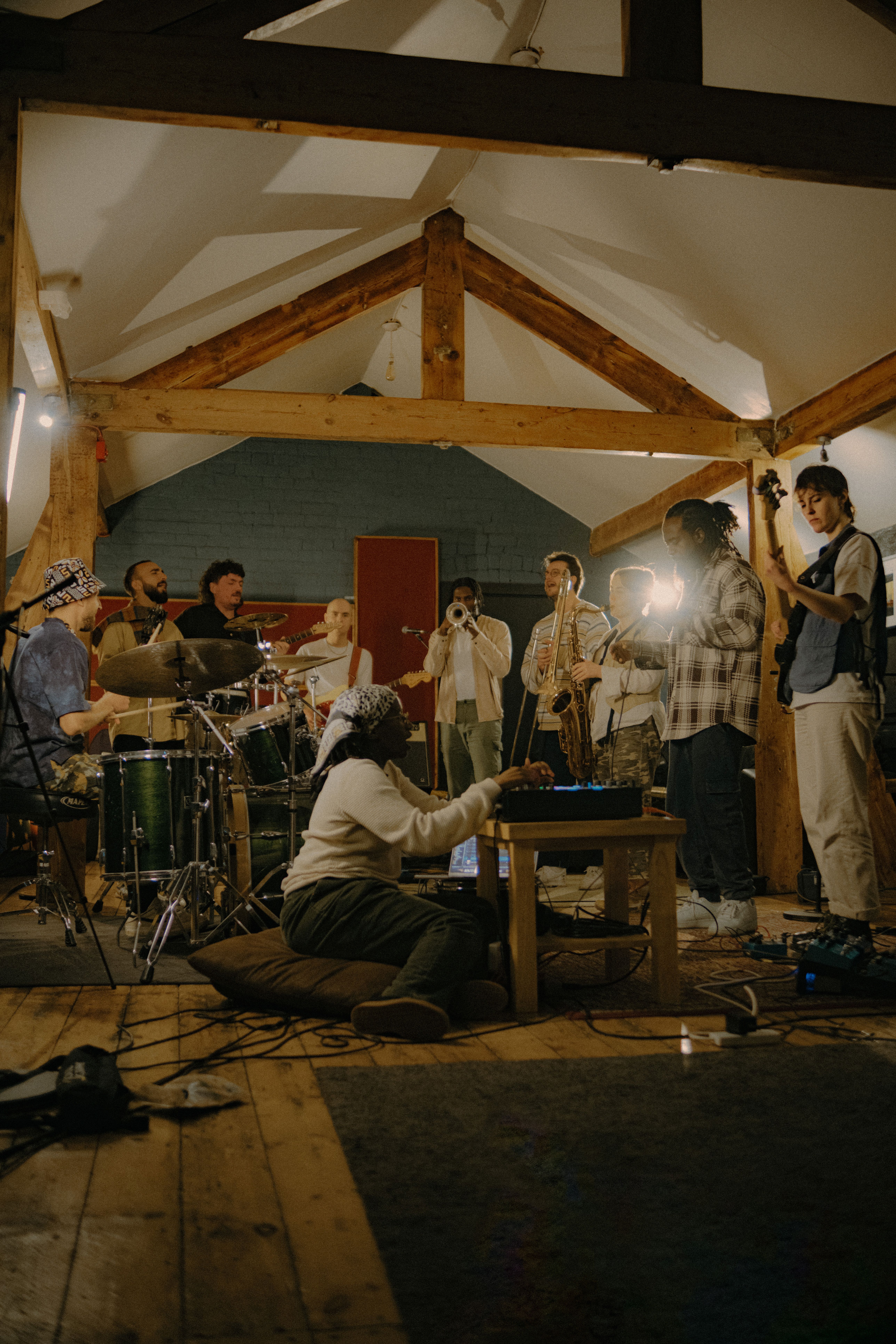
A lot of the songs and pieces of music that we create come from the fun interactions that we have as a group of close mates. Often one of us will bring an idea which we will go on to jam and improvise with before settling on it!
One of the best things about writing collaboratively with a group of 10 people is that the pool of influences is extremely broad. That means we’re constantly on our toes and introducing each other to sounds and music that we’ve not heard before. 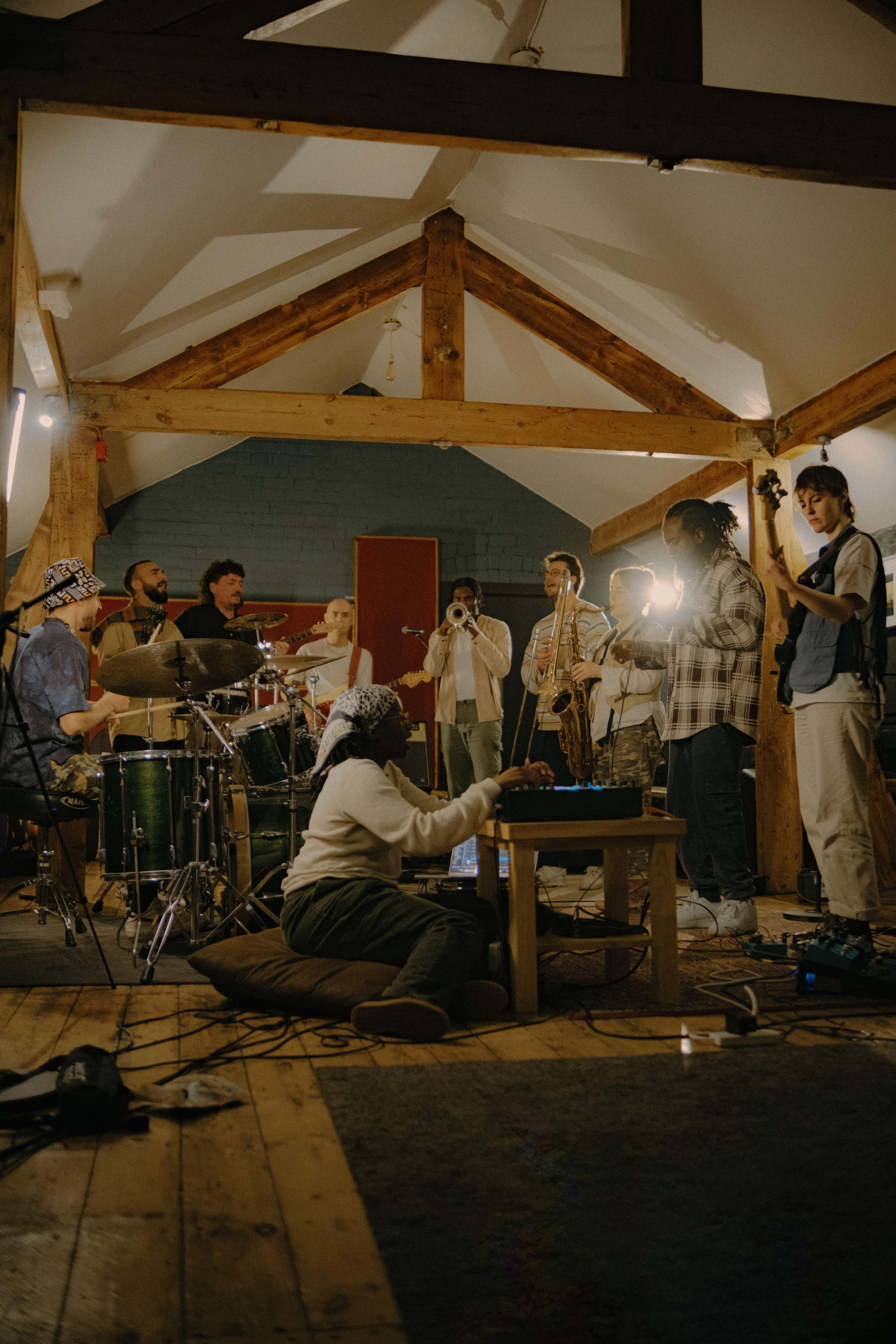
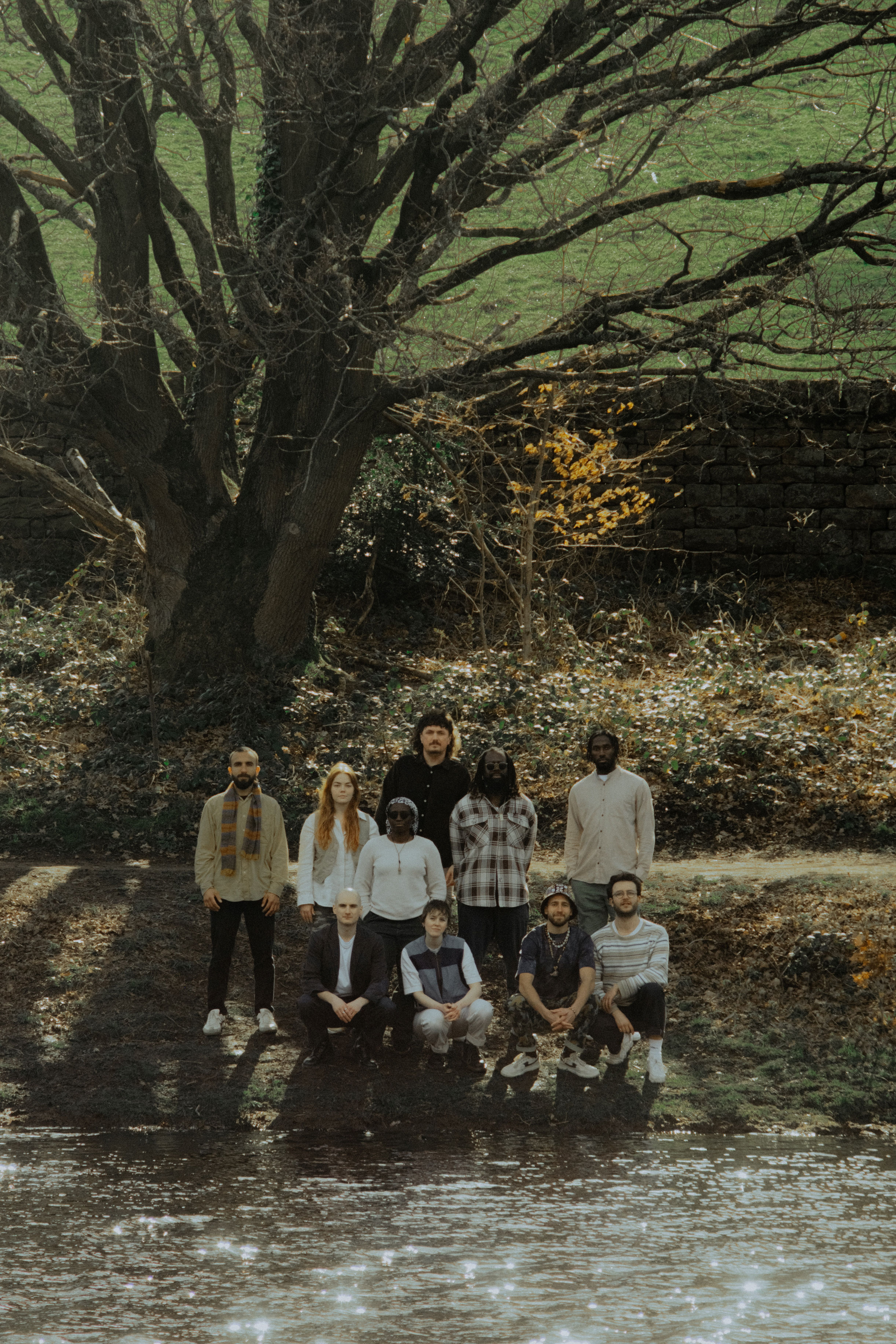
TC & The Groove Family Interview Image (c) the artists
Recently, we’ve also added some effects pedals into our horn section, which adds an extra level of communication during solos, as a member of the horn section controls the effects during the solo. Our bass player and guitar players are also constantly evolving their sounds and pushing boundaries with their instruments by experimenting with new pedals and effects.
Sound, song, and rhythm are all around us, from animal noises to the waves of the ocean. What, if any, are some of the most moving experiences you've had with these non-human-made sounds? In how far would you describe them as “musical”?
I am from a small town called Malvern with beautiful hills and outstanding nature.
For me, the sound of the birds out in the fresh air is so peaceful, calming and brings me to the present moment.
There seems to be an increasing trend to capture music in algorithms, and data. But already at the time of Plato, arithmetic, geometry, and music were considered closely connected. How do you see that connection yourself? What aspects of music do you feel can be captured through numbers, and which can not?
I think that numbers clearly play a part in music. However for me, I have never thought too logically whilst playing music. Rhythm, chords and melodies have a profound depth of feeling which, when communicated, can be indescribable.
Our percussionist Paolo is my favourite drummer, and he always explains the counting and time changes to me!
How does the way you make music reflect the way you live your life? Can we learn lessons about life by understanding music on a deeper level?
That is a beautiful question. Music definitely reflects life and is the soundtrack to life.
I would say that music teaches me to let go, be free and celebrate the people around me.
We can surround ourselves with sound every second of the day. The great pianist Glenn Gould even considered this the ultimate delight. How do you see that yourself and what importance does silence hold?
Silence is a deeply important aspect of music. It’s those pauses that really ignite the fire in the sounds and create perspective. I am learning that time in silence is important for rejuvenating energy sources.
Time in quietness - reading a meaningful book or meditating in the hills, prayer and allowing breathing space for conversations with loved ones who are with us spiritually is truly valuable, and allows space and rest for the mind and soul.
Do you feel as though writing or performing a piece of music is inherently different from something like making a great cup of coffee? What do you express through music that you couldn't or wouldn't in more 'mundane' tasks?
I think music and tasks like cooking have a lot of connections - both are full of expression, love and flavours.
If you could make a wish for the future – what are developments in music you would like to see and hear?
I am deeply proud to be a part of a deep historical cycle of musicians who are looking to promote peace, love and unity. I would love to see more equal opportunities across the musical industry.
I am very proud to be part of a musical family which has a mixture of gender and origins, and hope to see festival lineups and record labels that increasingly highlight diversity across the board.