Published
Name: Karate
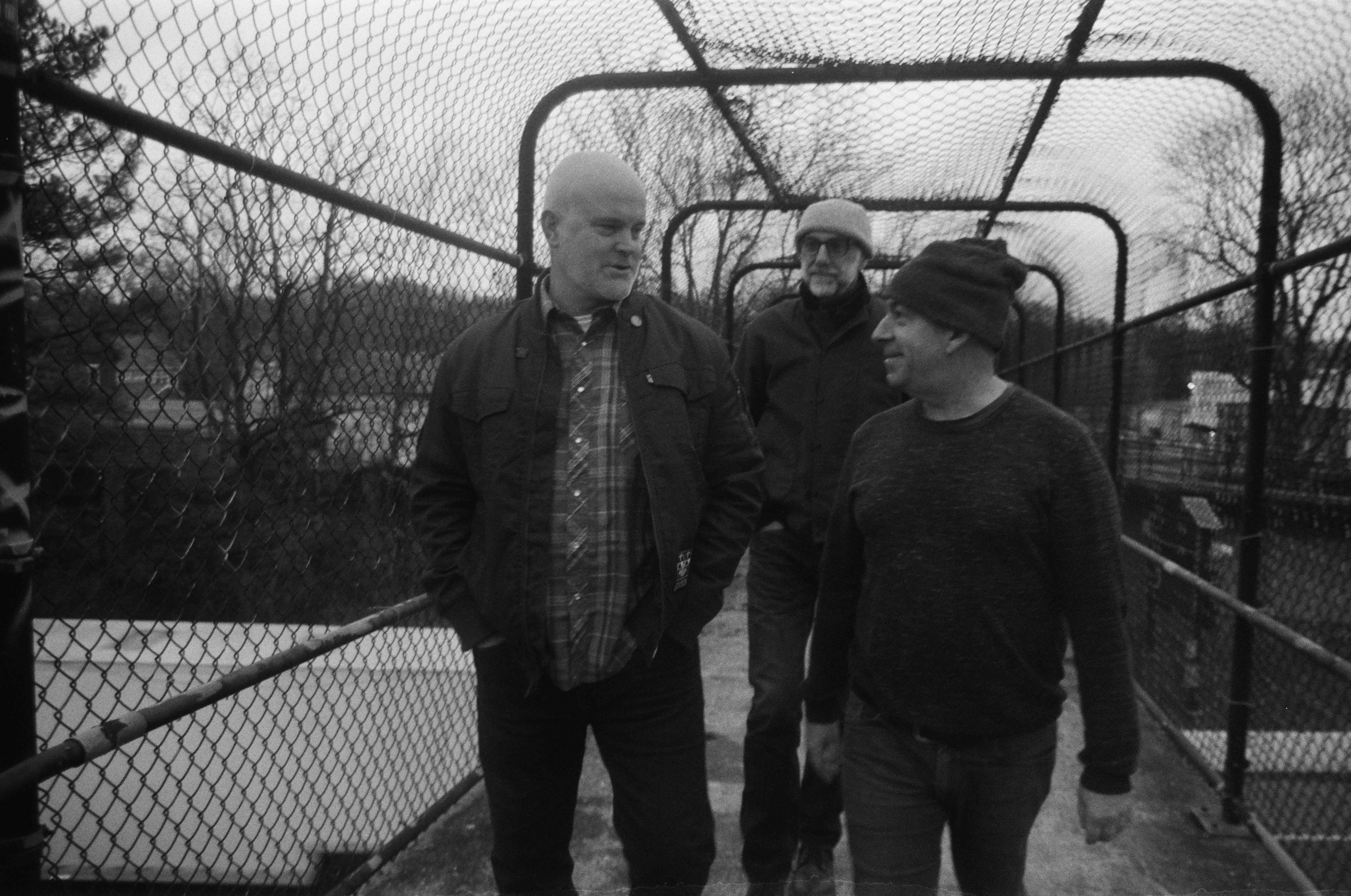
Members: Geoff Farina (guitar, vocals), Eamonn Vitt (bass), Gavin McCarthy (drums)
Interviewee: Gavin McCarthy
Nationality: American
Recent release: Karate's new album Make It Fit is out via Numero.
Pure Drum Recordings Recommendations: “Crisscrossing” by Pierre Favre and Fredy Studor comes to mind. Or any drum solo by Papa Jo Jones ...?
If you enjoyed this interview with Gavin McCarthy of Karate and would like to find out more about the band, visit them on Instagram, and Facebook.
What was your first drum set like and what are you using today? What, to you personally, are factors in terms of build and design that you appreciate in drums and percussion instruments?
My first drum set was a basic 5-piece Pearl drum-set purchased around 1988. Today I use more or less the same set up-4 or 5 piece standard drum kit. I’ve bought and sold many kits over the years, for a while focusing on vintage Ludwigs.
Today I play a ‘boutique’ kit called Maryland Drums. These are the best drums I’ve ever owned as they are really big sounding for their size (20, 12, 14, 8ply Maple). More importantly, they’re easy to tune and then stay in tune (unlike old Ludwig’s in my experience).
Generally these days I really need basic functionality: is the hardware simple and easy to manipulate? When something is tightened, does it stay tightened? Do the kick drum spurs keep the kick from sliding? Is the hi-hat stand simple and functional? Does the hi-hat clutch stay tight? Ergonomics and stability tend to be more of a focus these days than say, wood type or thickness of shells.
Of course, if the drum isn’t totally round and bearing edges are dull/warped, that presents tuning and sound problems
Late Rush-drummer Neil Peart said: “The equipment is not an influence. It doesn't affect the way I play. It's an expression of the way I play.” What's your take on that?
I think it means simply that his equipment is simply a tool he needs in order to do what he wants to do musically. The musical idea comes before the tools are selected.
I often enjoy playing a kit that’s set up totally different than my usual set-up. Putting the tools before the idea, so to speak. I find that different drums, different tonalities totally influence the way I play. It’s really inspiring for me as it feels like a brand new instrument that I can generate ideas that I wouldn’t necessarily on my usual set up.
I’ve occasionally set up a ‘Frankenstein’ kit in my basement-different size drums in odd places, random cymbals in weird locations … just to see how it feels. Usually it’s really inspiring. On occasion, I’m able to take these ideas back to my go-to toolbox.
Drumming is an integral part of many cultures, and traditions. Which of these do you draw from in your playing – and why?
I’ve briefly studied South Indian percussion, Latin hand percussion and some North African hand drumming, 70s Afrobeat …
I’m aware of when I’m blatantly trying to incorporate some of those ideas, but I may not be consciously aware of their influences on me more subtly. I studied these styles in order to add to my general knowledge, not to be able to play them ‘authentically’.
Recently, with the band Karate, I was pretty blatant in my attempt to play something inspired by Tony Allen of Fela Kuti’s band. I would hope that those familiar with him or that style would recognize the influence.
What were some of the main challenges in your development as a drummer / percussionist? Which practices, exercises, or experiences were most helpful in reaching your goals?
The single most important moments for me are moments when I move from unconscious incompetence to conscious incompetence—that is, a moment when you recognize your own ignorance, whereas previously, you were ignorant of your own ignorance.
This recognition allows me to then be able to focus on areas that need improvement because at least now I know what they are!
What do you think you're doing different than other drummers?
Not sure. Hard to answer that objectively and maybe a listener (not me) would have a better perspective on that … I don’t think I’m particularly unique.
How do you experience the concepts of "groove," "swing," and "rhythmic feel" in music?
I’m a lot better at hearing and critiquing ‘feel’ when I’m not actually playing, sadly. In the past I’ve had a tendency to play ‘on top of the beat’ a bit much, which in my opinion can detract from feel, make things feel tight or rushed. I’m better at recognizing this tendency now and can adjust better and ‘relax’ the beat a bit.
One of my favorite drum takes is on the song “Calvary Cross,” by Richard Thompson.
The part is simple, the tempo slow … but the feel is magical. Incredibly precise AND incredibly relaxed.
How do time signatures and tempo affect our perception of rhythm?
Perhaps time signatures and tempo are just play-things for the human brain’s love of patterns and its ability to perceive time.
Different drums have a distinct sound and drums and percussion are also timbral instruments. What drum sound are you aiming for and how are you making use of the timbral potentials and possibilities of your instruments?
I just generally want my drums to be resonant, ‘full bodied’. I want hear and sense air being pushed, particularly in lower registers.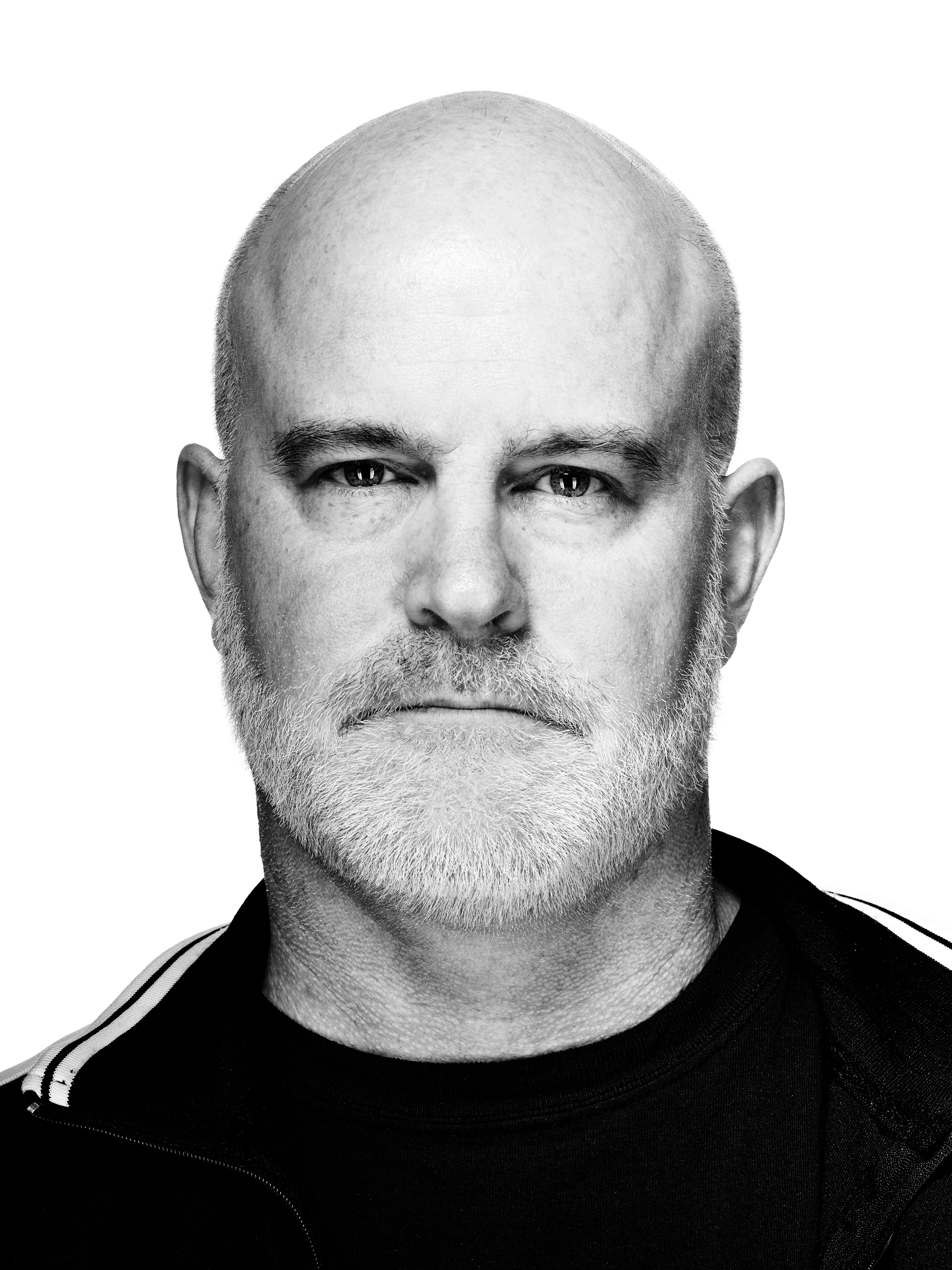
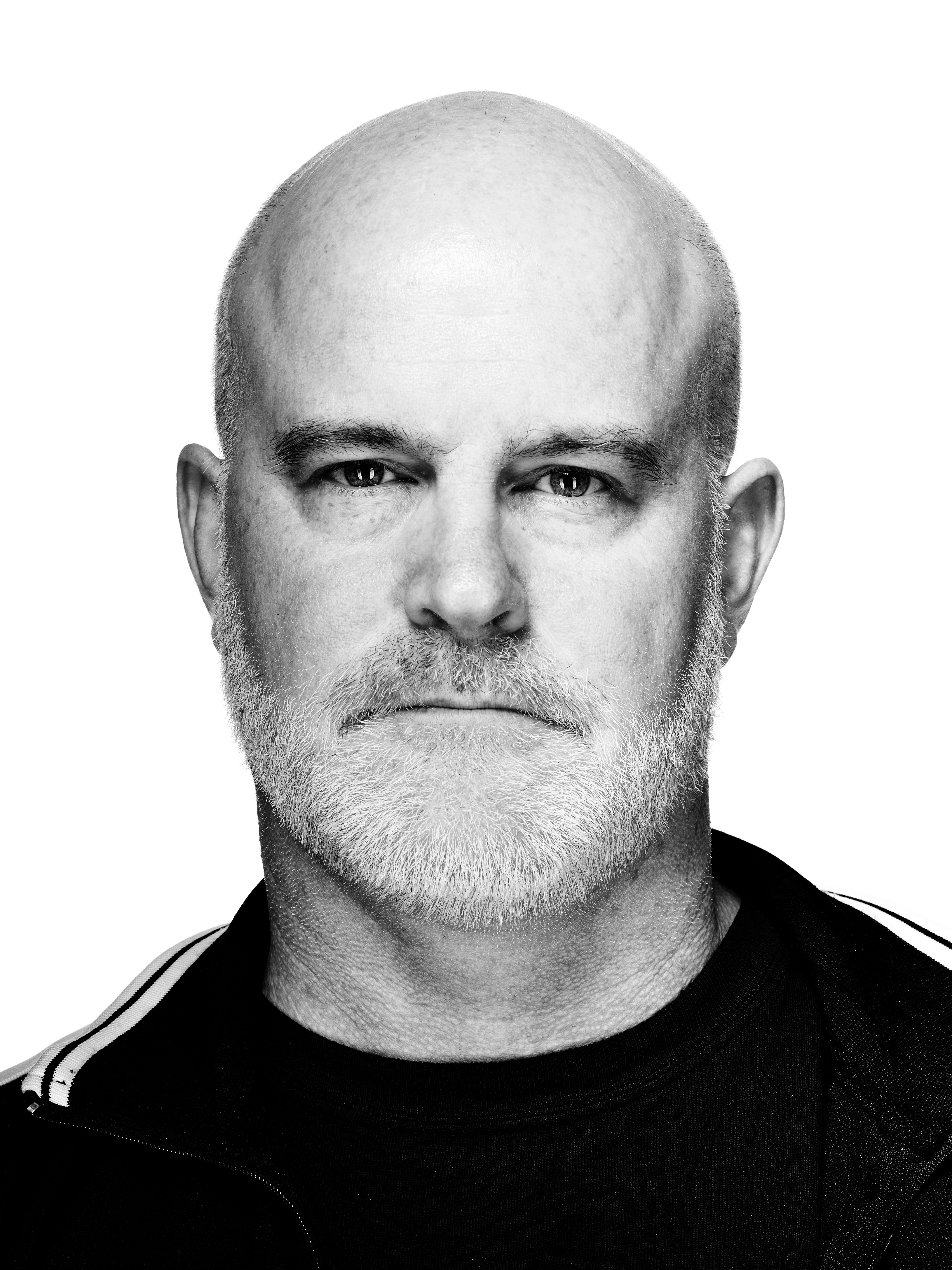
Gavin McCarthy of Karate Interview Image by Daniel Bergeron
In relation to drumming, Stewart Copeland said: “Listening is where the cool stuff comes from. And that listening thing, magically, turns all of your chops into gold.” What do you listen for?
I just assumed that musicians need to be avid listeners of wide variety of styles, sounds, genres etc.
I’ve tried to listen to as much as possible over the years to simply increase my musical vocabulary … As there’s more recorded music available to hear than any one person could hear in a lifetime … it becomes a lifetime pursuit … Not like you can run out of music to listen to. The pitfall would be the thought that you’ve ’heard it all’ … Keeping your ears open gets harder as you age, I fear …
But at the same time, we can hear familiar sounds in a new ways as our cognitional characteristics change with time.
Many recording engineers have remarked that the drums can be particularly hard to capture. What, from your perspective, makes drums sound great on record and in a live setting?
The drummer needs to take care and interest in how the drums sound when played. Acoustic environments, mic placement, recording tech … may be outside of the drummers control or purview.
So start with good sounding drums and hope the things the drummer doesn’t control (acoustics, mic placement, recording tech etc) work symbiotically.