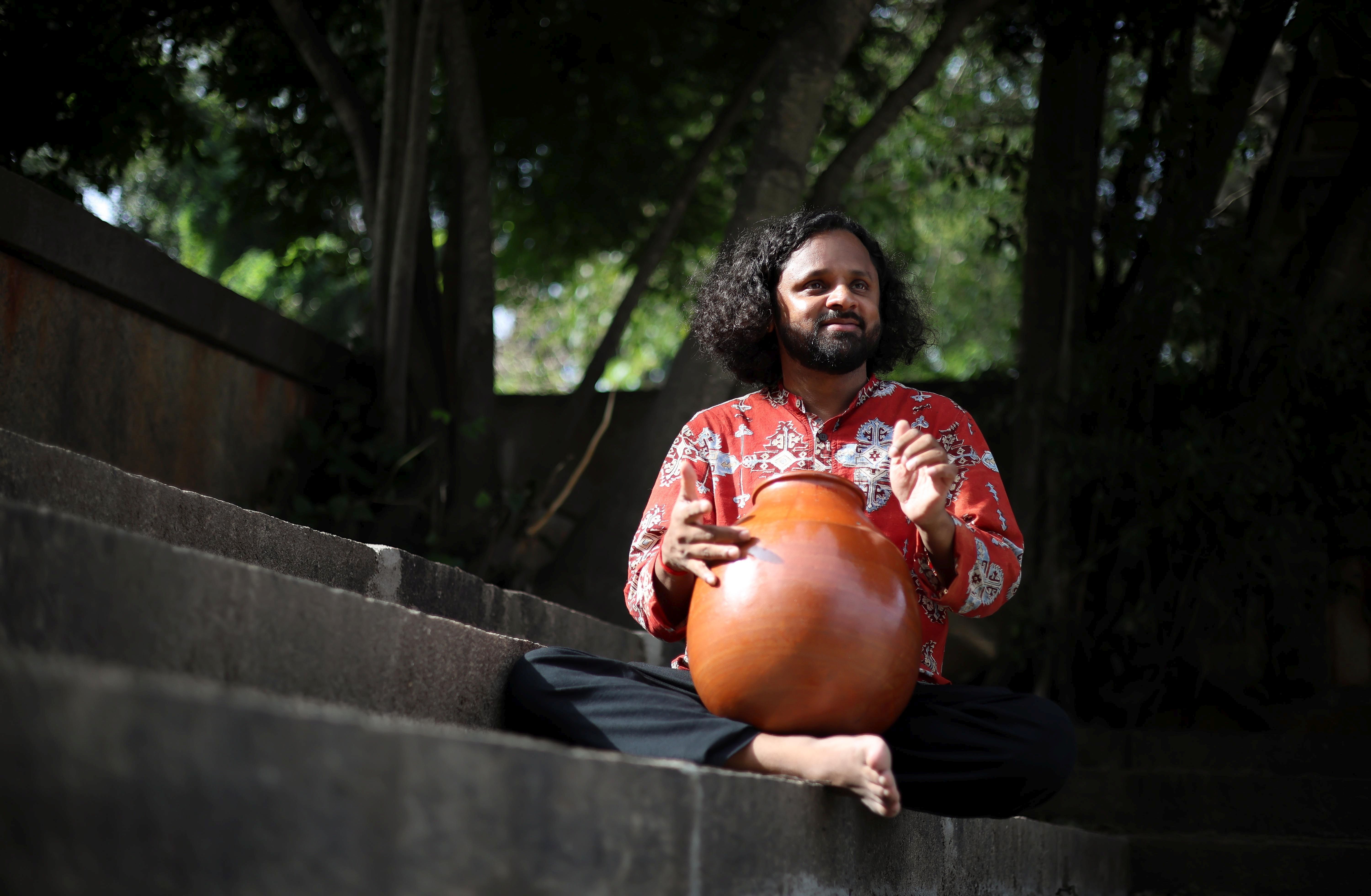
Published
Name: Giridhar Udupa
Nationality: Indian
Occupation: Composer, improviser, ghatam player
Current release: Giridhar Udupa's new album My Name is Giridhar Udupa is out via 7k!
Recommendations: Saagara: 3; Layatharanga: Anandam; L Shankar: Who’s to know
If you enjoyed this Giridhar Udupa interview and would like to know more about his music, visit his official homepage. He is also on Instagram, and Facebook.
For a deeper dive, read our feature on the Ghatam.
Do you think that some of your earliest musical experiences planted a seed for your interest in improvisation?
I’ve always been connected to music from the very beginning.
In fact, before I even started learning the alphabet, I was already reciting "Tha Dhi Thom Nam" — the first syllables from the Indian percussion instrument, Mridangam. I’m deeply grateful to my father and Guru, Vidwan Ullur Nagendra Udupa, for introducing me to this divine art form and guiding me through my first steps as a musician, especially in the realm of improvisation.
In Indian Classical music, just like in jazz, improvisation is at the heart of the tradition. From a very young age, I’ve been trained in this powerful aspect of music. I owe a lot to my Gurus and the legendary musicians who have inspired me and continue to guide me on this journey, helping me navigate the vast ocean of improvisation.
It’s been a humbling experience, and I’m grateful for every step along the way.
When did you first consciously start getting interested in musical improvisation? Which artists, teachers, albums or performances involving prominent use of improvisation captured your imagination in the beginning?
I gave my first performance when I was 9 years old, but even before that, during my early training with my father, I was already immersed in the art of improvisation at home.
In the beginning, it was my Maha Guru, the legendary Ghatam Maestro from the iconic Shakti band, Vikku Vinayakram, who truly inspired me, along with my Guru, Vidushi Sukanya Ramgopal.
During my early years, musicians like Vidwan Guru Karaikudui Mani, Vidwan G. Harishankar, and Trilok Gurtu also had a significant influence on me. They all became my mentors and guided me in the art of improvisation.
[Read our Trilok Gurtu interview]
This video shows me performing a Ghatam solo at the age of 10, during my first steps in improvisation. You can also spot my father playing the Mridangam (a double-headed drum from South India) at the 0:01 mark.
Derek Bailey defined improvising as the search for material which is endlessly transformable. What kind of materials have turned to be particularly transformable and stimulating for you?
Last year, in 2023, the legendary band Shakti celebrated 50 years, and they had a performance in India.
After their concert in Kolkata, I was privileged to meet the iconic guitarist John McLaughlin in the green room. He came straight from the stage and shared something with me that deeply resonated. He said, "You know, every concert we perform, we try to push ourselves. We get into a cave and try to look at what's on the other side … It's such a beautiful experience."
Hearing this from John McLaughlin, after so many years of performing, was incredibly inspiring. It reminded me that even after decades of playing, music still holds endless possibilities for exploration. It showed me that, just like in improvisation, we are always seeking something new, something beyond what we know, in every performance. It was a powerful reminder that music is a constant journey, and there's always more to discover.
This concept of continuous exploration and transformation is exactly what makes improvisation so stimulating for me, every performance is a chance to take what I know and push it further, searching for new material, new sounds, and new ways to communicate through music.
Do you feel as though there are at least elements of composition and improvisation which are entirely unique to each? Based on your own work or maybe performances or recordings by other artists, do you feel that there are results which could only have happened through one of them?
In music, composition and improvisation often go hand in hand. While composed music provides structure, improvisation brings in spontaneity and freedom. The magic happens when these two elements complement each other, allowing musicians to showcase their creativity within a defined framework.
At the moment, I am touring in Europe with my Saagara team, alongside three classical musicians from India and the incredible Polish clarinet and electronic musician Wacław Zimpel. Together, we are aiming for the perfect blend of composed music and improvisation.
[Read our Wacław Zimpel interview]
Playing in unison is always fun for me, and when everything falls into place, it’s exciting. At the same time, a musician's virtuosity and calibre shine through improvisation, and we truly feel that balance coming to life with my band, Saagara.
When you're improvising, does it actually feel like you're inventing something on the spot – or are you inventively re-arranging patterns from preparations, practise or previous performances? What balance is there between forgetting and remembering in your work?
When I’m improvising, it’s really a mix of both. On one hand, I bring in my past experiences, ideas I’ve practiced, and a few fixed concepts I’ve learned. But at the same time, there’s a lot of magic that happens on the spot, new energy comes into play every time, and it feels fresh and spontaneous.
I feel there are also many external factors that influence my performance. For example, the atmosphere of the concert hall, the sound system, and most importantly, the energy we get from the audience. I believe the audience's energy is one of the most important factors, as it adds so much to the improvisation, shaping the direction of the music in real time.
So, it’s a combination of everything, what we remember, what we forget, and what’s happening around us in the moment. :)
Are you acting out parts of your personality in your improvisations which you couldn't or wouldn't through other musical approaches? If so, which are these? What, would you say, are the key ideas behind your approach to improvisation?
One of the most beautiful things about being trained in Indian Classical music is that improvisation is at the heart of our entire music system. At times, we perform a 4 hour concert (without a break), and 90% of the music is improvised.
Coming from this background, I’ve developed a deep understanding of complex rhythms, which I believe is undoubtedly one of the most sophisticated rhythm structures in the world. This strong foundation makes it easier for me to improvise in other genres and collaborate with different musicians.
The adaptability I’ve gained through my training allows me to express different sides of my personality through improvisation, which is a key strength of Indian Classical music.
In terms of your personal expression and the experience of performance, how does playing solo compare to group improvisations?
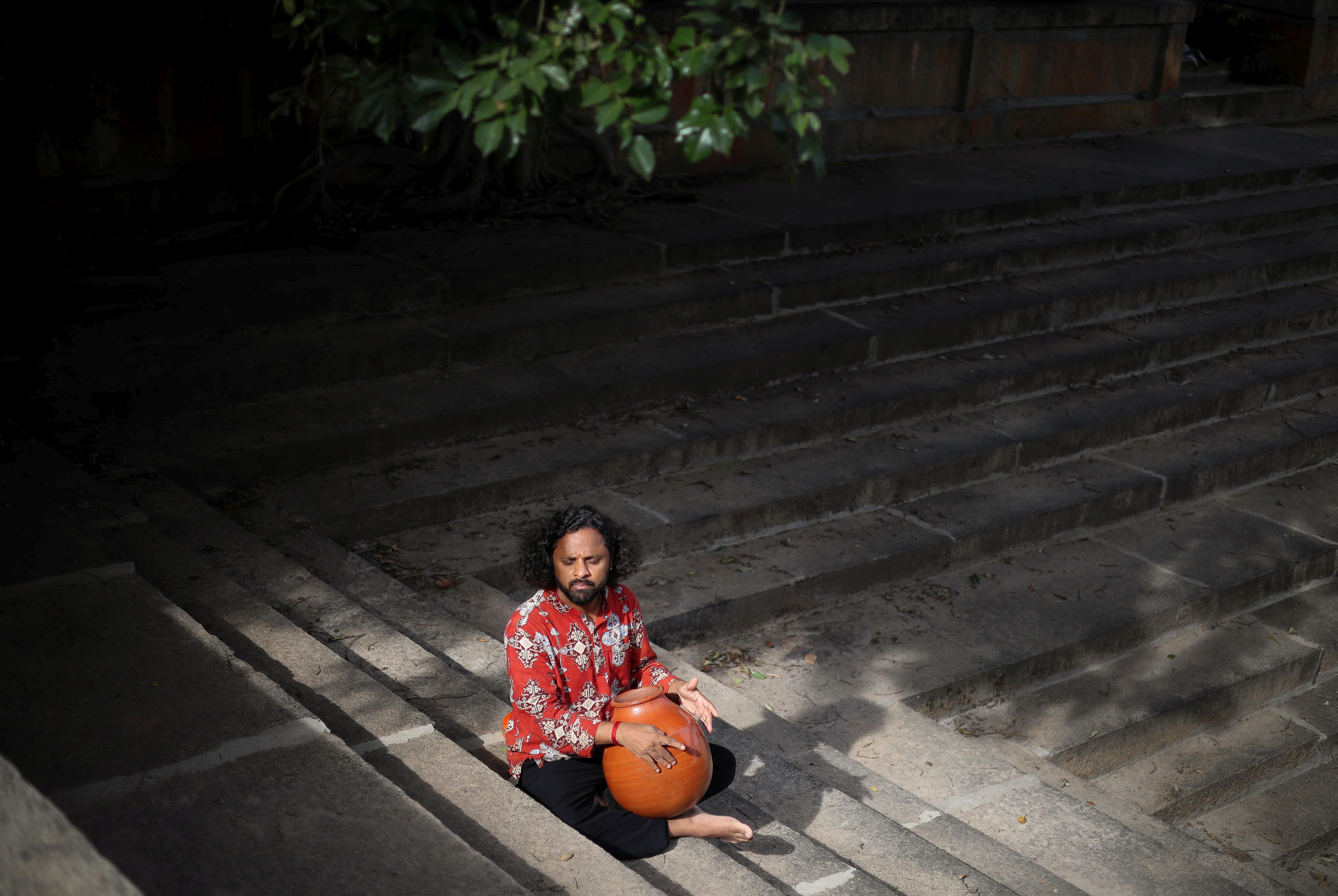
When I play solo, it's more personal and challenging. I’m fully in control of the music, and it’s just me expressing my own ideas and emotions. Many times, I feel it's more meditative during a solo performance, as I get deeply connected with the music. It requires a lot of focus and self-reliance.
In group improvisations, it becomes more about communication and connection with the other musicians. There's a sense of shared energy where we feed off each other’s ideas. It’s less about individual expression and more about creating something together, responding to each other in the moment.
Here's a solo from my live performance:
In your best improvisations, do you feel a strong sense of personal presence or do you (or your ego) “disappear”?
In my early days, a legendary musician once told me that having ego on stage was important because it helps bring out the best in you. This idea had a big impact on my playing for a while.
But over time, I realized it’s not really about ego. What matters more is the joy and energy we create in the moment. In my best improvisations, I feel like my ego fades away, and I’m just part of the music. It’s a deep sense of presence, but not about me as an individual.
It’s more like I’m being guided by the moment, the energy, and the connection with the other musicians. When that happens, I’m not focused on myself or showing off my skills, it’s all about letting the music flow and be what it’s meant to be.
For me, music is happiness. The more you share, the more it is. 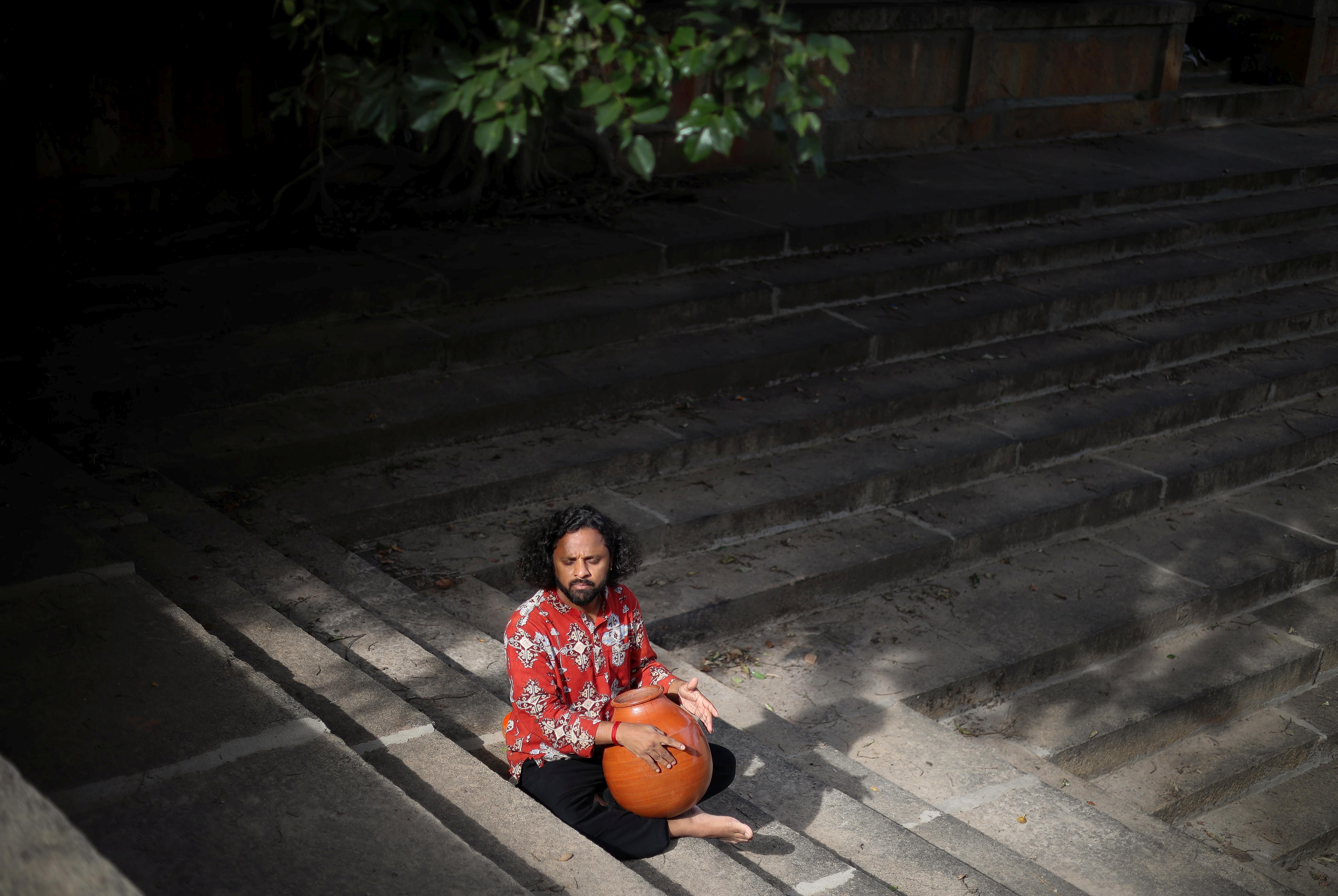
Giridhar Udupa Interview Image by Mithun Pai S
In a live situation, decisions between creatives often work without words. From your experience and current projects, what does this process feel like and how does it work?
Many times, I’ve found myself on stage with musicians I’ve never met before, and we just begin playing without any verbal communication. This kind of connection usually happens with musicians who are familiar with improvisation. I absolutely enjoy these moments, as they allow us to communicate in more subtle ways.
With musicians I’ve been performing with for a long time, we often communicate just through eye contact. We also use hand gestures to signal cues, guiding the flow of the music.
As an improvising musician, it's important to understand that communication doesn’t always need words, the music itself becomes the language.
Stewart Copeland said: “Listening is where the cool stuff comes from. And that listening thing, magically, turns all of your chops into gold.” What do you listen for?
I’ve been a huge fan of Stewart Copeland’s work since my college days, and it takes years of practice to really understand what he means!
When we perform, it’s easy to focus just on our own playing or sound levels, but it’s so much more impactful to listen to how the entire ensemble sounds together. Only then can we bring in dynamics that enhance the music as a whole.
For me, music is all about these dynamics, and we achieve that by truly listening to each other.
There can be surprising moments during improvisations – from one of the performers not playing a single note to another shaking up a quiet section with an outburst of noise. Have you been part of similar situations and how did they impact the performance from your point of view?
I absolutely love surprises on stage! They always bring fresh energy to the performance. Throughout my career, I have had many such moments. Sometimes, even if one of us makes a mistake, we just laugh it off and keep things light.
Since I play Indian Classical Music, where improvisation is central, these surprises are a big part of what we do. Often, a musician will play a complex rhythm on the spot, and I have to respond to it immediately. It’s challenging, but I really enjoy these moments, they keep the performance exciting and alive.
Here is a short rhythmic conversation with the Mridangam legend, Vidwan Umayalpuram K. Sivaraman sir, and everything is improvisation, with some complex rhythm structure.
I have always been fascinated by the many facets of improvisation but sometimes found it hard to follow them as a listener. Do you have some recommendations for “how to listen” in this regard?
Whether it’s improvisation or any kind of music, I don’t think listeners need to know the 'grammar' behind it. For me, what matters most is the energy and joy (Khushi) we create on stage, that’s what connects with the audience.
It’s a lot like going to a restaurant. You order a dish, enjoy it, and feel happy, without needing to ask the chef about each ingredient. Music and improvisation are the same way; it’s all about the experience and how it makes you feel.
Here's a short video of a completely improvised performance happening on the spot with Maestro Triok Gurtu and Drums Sivamani. Watching this, I believe people will definitely connect with the spirit and joy of the music.
In a way, improvisations remind us of the transitory nature of life. When an improvisation ends, is it really gone, just like a cup of coffee? Or does it live on in some form?
Absolutely, I believe every improvisation lives on with its own energy. It’s like a connection that forms with the audience, leaving a unique memory each time we perform.
From my perspective, even though the moment passes, it stays with me at least until the next concert! Then, when we play again, we bring a fresh energy to create something new.