Published
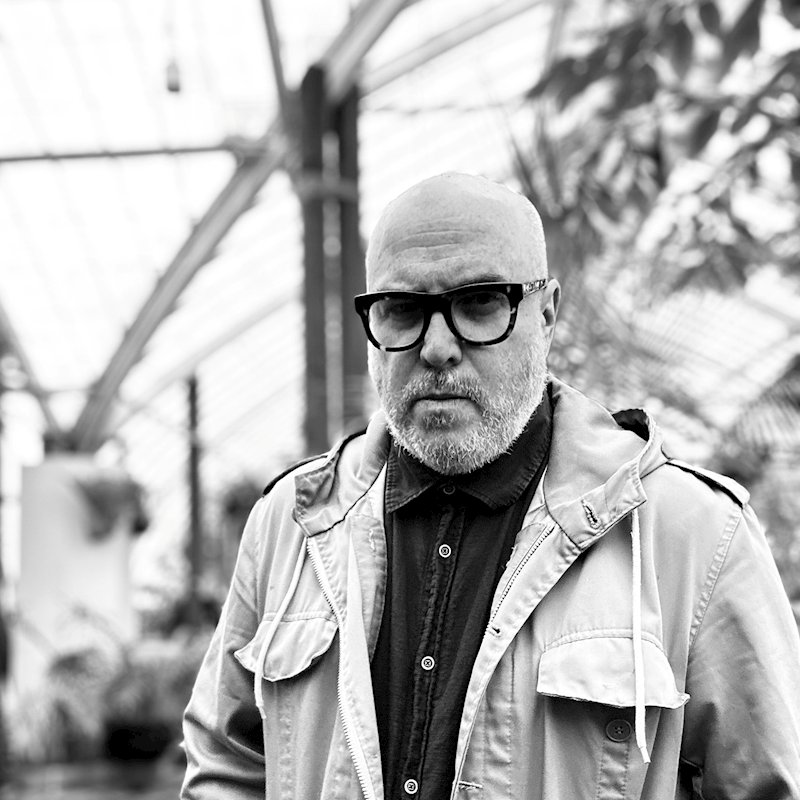
Name: Glenn Donaldson
Nationality: American
Occupation: Singer, songwriter, multi-instrumentalist
Current release: The Reds, Pinks and Purples' new album Acknowledge Kindness is out via Fire.
Recommendations for San Francisco, USA: Land’s End, a park site at the mouth of the San Francisco Bay. I have a song dedicated to it called “Summer at Land’s End.”
If you enjoyed this Glenn Donaldson interview and would like to know more about his music and upcoming live dates, visit him on Bluesky. The Reds, Pinks and Purples are also on bandcamp.
When was the first time you noticed you were drawn to darker themes and moods in music, literature or the movies?
As kids, we tell each other urban myths and ghost stories.
There’s always a dilapidated “haunted house” in your neighborhood. I spent my childhood going on adventures in my home town, climbing into abandoned houses, getting chased by dogs and bullies.
I wrote the song “Houses” about those empty spaces that are haunted by someone’s memory at least.
“Darkness” is, of course, not strictly speaking a term related to sound. What constitutes darkness to you, especially in instrumental terms?
It’s probably something about minor chords and vampire vocals, like the singer is in despair and trapped in a stone tower.
I am from Orange County, California, and there was a minor key sound, and lyrics about death in a lot of the hardcore that was coming out, “Richard Hung Himself” or “Code Blue” for instance.
I was hearing pretty dark stuff around me starting at age 10 or so.
How would you describe the physical sensation and possible attraction of being exposed to darkness in music?
The first Christian Death LP with the dead cat looms large in my mind. The guitarist on that record, Rikk Agnew, was punk royalty from my hometown of Fullerton.
I feel like hearing the Birthday Party’s Junkyard really messed with my head. The feeling was intoxicating, nauseating, and totally fascinating.
Does your interest in darker musical themes extend into extra-musical fields such as fashion, or politics?
One of the first shows I saw was X with Jane’s Addiction opening. I will never be as cool as John Doe, but that band’s heyday is peak fashion.
I feel like dark music and fashion is just the good aesthetic life. Politics is far darker.
Who/what are currently artists, labels or even genres which draw you in because of their darker approaches, aesthetics and sound(s)?
The Cure’s last record, was an absolute masterpiece. There’s nothing darker than getting old and watching all your loved ones die. That’s what that recorded was about.
I keep up with Justin Broderick’s various projects. The recent Godflesh and Jesu stuff is so beautiful.
But of newer artists, there’s a dark metal band from San Francisco called Nite I enjoy.
I have had a hard time explaining that listening to death metal calms me down. When you're performing a piece with a darker energy, does it tend to fill you with the same energy or feeling – or are there “paradoxical” effects?
I have the same experience, I like to fall asleep listening to old hardcore. It’s comfort-listening for me.
Black Flag's Damaged is a nap time record for me.
Tell me, if applicable, about the concrete lyrical themes that you felt drawn to for Acknowledge Kindness.
People have pointed out “Emo Band”. It’s probably one of the few songs with a concrete “story” to it.
It’s generally about trying to stay inspired in life, but it’s also about punk and emo bands reuniting and trying to recapture a feeling. I meant it as a tribute.
When it comes to exploring darker themes, what's your approach to writing lyrics? What makes lyrics good in this regard?
I am naturally a bit depressive and anxious, so it’s really not hard to write lyrics.
Sometimes I feel like I have gone too dark, and I twist a few lines to let some light in, or maybe I take it even darker and things get absurd.
A song like “Build Love”, the chorus is a bit of an uplift at the end of a dark record. “You can build love into your life."
Tell me about the creative process for Acknowledge Kindness, please.
Long walks, smoking weed, reading poetry, looking at flowers in the park, listening to the Gun Club and American Music Club on my headphones.
For your most recent release, how did you realise your goals in terms of the production, including effects for your current release?
I took 8 months to make this one, and I am fine with it, but I am never satisfied. I feel like I can always improve.
I do a lot of layering to get the Reds, Pinks & Purples sound. I add things that don’t stand out in the mix but blend in a pleasing way.
Like on “Houses”, for rhythm guitar there is a nylon string, two electrics, and my friend Steven R Smith plays baritone guitar, but it all melts together.
Exploring darker themes in the music often goes hand in hand with the accompanying artwork. Tell me a bit about this relating to your new release.
All my covers are photos of my neighborhood, this one is a watery reflection.
I was probably referencing Vaughan Oliver with that series of pictures.
I would love to know a little about the feedback you've received from listeners or critics about what they thought some of your darker songs are about or the impact it had on them – have there been “misunderstandings” or did you perhaps even gain new “insights?”
I have had a lot of feedback over the years from people finding some comfort listening to my music. I deal with rejection, grief, suicide, in the words, so the music was built for that in a way.
I see my songs misquoted a lot, so maybe they are just getting the feeling in my singing.
Sharing music on stage can change the way it is experienced, both for musicians the listeners. Can you talk about this a bit, especially in the light of darker themes?
That part has been hard. Being on tour is exhausting, and your emotional shields are down. Trying to convey heavy themes becomes difficult.
I want the performances to be authentic but reliving moments of pain every night for a couple weeks is rough.
I have a song called “Life in the Void”, where the lyric is “looked a mess but you were worse inside.” That line felt authentic every night on tour!
Throughout the history of art, there have been artists who did not want to exorcise their demons, afraid they might lose their creative spark. What's your take on that?
Good question.
If I am being honest, if I was more happy and satisfied with other parts of my life, I would never have written songs at all.
But some people are just wired for darkness, I don’t blame myself, totally.