Published
Name: The Greeting Committee
Nationality: American
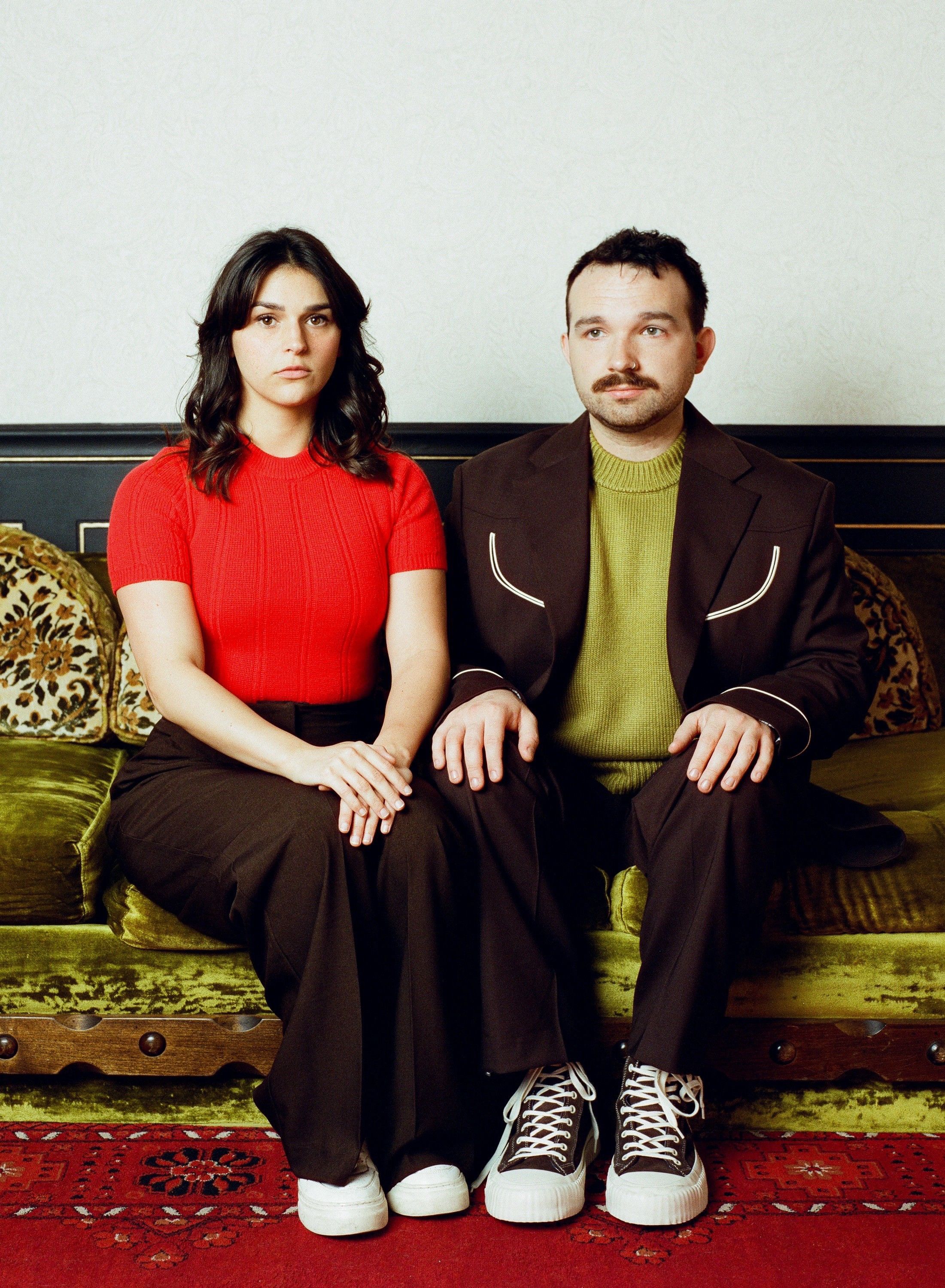
Members: Addie Sartino, Noah Spencer, Pierce Turcotte
Interviewee: Pierce Turcotte
Current release: The Greeting Committee's Everyone’s Gone and I Know I’m The Cause is out now.
Recommendations: One movie I really liked that came out last year was The Iron Claw. Not a lot of movies make me cry but that one got to me in the best way.
A song I’ll recommend is “Merry Christmas Mr. Lawrence” by Ryuichi Sakamoto. It’s a beautiful song from a movie by the same name. I’ve taken a lot of interest in Sakamoto’s work over the course of his life and this song is a great starting place.
If you enjoyed this The Greeting Committee interview and would like to know more, visit their official homepage. The band are also on Instagram, and Facebook.
Where does the impulse to create something come from for you? What role do often-quoted sources of inspiration like dreams, other forms of art, personal relationships, politics etc play in creating your art?
I think the impulse to write comes from the same place as wanting to play with Legos when I was growing up. There’s an aspect to writing that is like putting together a puzzle that is both challenging and exciting for me. One of the first jobs I wanted to be as a kid was an architect, and I think my drive to write music comes from that same side of my brain.
Things like movies and books are great places to start and often are helpful references for what I’m trying to create. When I was writing for our album Dandelion, I felt really inspired by the emotions I felt from watching movies.
For our new record, Everyone’s Gone and I Know I’m The Cause, I wasn’t as inspired to long form pieces of art and was drawn more towards interesting pop music.
No matter if I’m inspired or not, I find it good practice to live as much life as possible because that’s the best way to start creating interesting art. Inspiration can be fleeting so having as many tools and places of inspiration definitely makes writing easier.
For you to get started, do there need to be concrete ideas – or what some have called a 'visualisation' of the finished work? What does the balance between planning and chance look like for you?
The way we write, there’s little planning in the beginning stages. A lot of the time it’s throwing every idea at the wall to see what sticks. Over time, things will start coming together and when it does, the vision becomes a lot more clear.
We definitely have certain intentions when writing for a record, whether it’s leaning more into guitar or synths or something else entirely. But the music usually helps dictate the rest of the art.
Is there a preparation phase for your process? Do you require your tools to be laid out in a particular way, for example, do you need to do 'research' or create 'early versions'?
I’m always demoing ideas year-round so I guess you could call that research! I think getting through some of the duds helps me more clearly see what is interesting to me at that time by experimenting with new things.
Addie and I talk a lot about things we want to try so it feels like we’re constantly preparing even if we’re not working towards something in that exact moment.
Our songs all go through different versions between the demo and finished version, so I try not to be precious so songs can grow and expand as much as they need to be.
Do you have certain rituals to get you into the right mindset for creating? What role do certain foods or stimulants like coffee, lighting, scents, exercise or reading poetry play?
If I’m going into a studio outside of my own or meeting someone new to write with, I like feeling as comfortable and prepared as I can which usually means getting a coffee beforehand and showing up early with some sort of idea in my head, even if it’s just a vibe. Generally, feeling good and having open communication with Addie or whoever else is in the room is helpful for me to be in the right mindset.
If I’m just working at my home studio by myself, I’m way less ritualistic but I’ll light a candle or two and make sure the room is clean.
What do you start with? And, to quote a question by the great Bruce Duffie: When you come up with a musical idea, have you created the idea or have you discovered the idea?
Ooo I like the word “discovered.” I don’t think most people write to create anything particularly innovative, but rather to create something that feels the most representative of who they are.
For us, every song starts differently. Sometimes it's a strong melody played over acoustic guitar or I will play around with some sound design before I really find a melody or chords I like. Sometimes Addie will come in with some guitar and lyrics and I’ll find a way to interpret that.
No matter what, I have all the building blocks at my disposal, I just have to figure out how to put them together.
When do the lyrics enter the picture? Where do they come from? Do lyrics need to grow together with the music or can they emerge from a place of their own?
Addie tends to be inspired by sounds and textures, but once she finds the melody, we will work the production to fit around that.
However, Addie is constantly collecting ideas in her notes or voice memo apps, so by the time she’s looking for words to connect her melodies to, she’s got a well to pull from.
Often, while writing, new ideas and alternative roads will open themselves up, pulling and pushing the creator in a different direction. Does this happen to you, too, and how do you deal with it? What do you do with these ideas?
Oh, many times. For instance, our new song “Tell Me I’m Wrong” went through multiple intro ideas until we figured what sound right to us. That was a song I had started early on but took us a while to finish. Sometimes you have to put a song on a shelf and find some new tools before you can finish it.
My vision for a song can only go so far, so bringing in another person or two can be helpful in discovering these alternative roads much faster than I could on my own.
There are many descriptions of the creative state. How would you describe it for you personally? Is there an element of spirituality to what you do?
I actually don’t feel very spiritual which, especially as a musician and artist, kind of gives me a bit of imposter syndrome.
So much of it is building and putting pieces together in my brain. While putting together a demo, I’ll record as many melodies or sounds that I can think of. Once I’ve done that, I’ll spend time organizing it until there’s a semblance of structure and I’m comfortable enough to share with Addie. Together we will cut what we don’t need.
It sort of feels like I have a lot of buckets of paint that I’m trying to throw at a really big wall that will eventually be cropped at the best places.
When you're in the studio to record a piece, how important is the actual performance and the moment of performing the song still in an age where so much can be “done and fixed in post?“
Most of what ends up on the songs these days are sounds we had recorded during the demo phase that really didn’t need to be re-recorded. Were they the cleanest, most precise takes? Of course not, but those first takes, when no one is around to comment on the performance, can have some of the most character. Whether the performance is “good” or not, we’ll usually just keep it in.
For example, some of the guitars we recorded on “Little Bit More,” are far from perfect but they capture the essence of the song. Getting things right the first time definitely saves some headaches down the road.
Once a piece is finished, how important is it for you to let it lie and evaluate it later on? How much improvement and refinement do you personally allow until you're satisfied with a piece? What does this process look like in practice?
Every song can be different. As long as the song has all the sections written out and the general production is there, I don’t need to worry about anything else until we get into a proper studio to track drums or vocals.
Sometimes getting those sections written, whether it’s a second verse or bridge, can take a while and can involve coming back and refining many times and taking weeks until it feels right. The production on “Where’d All My Friends Go?” was mostly just the guitar chords for a while. Once I figured out the synth sounds, the song finally started to take shape.
It’s important to take off those minute steps early on so we aren’t rushing at the last second. Our songs change at every step in the process, but before we send it to a mixer, I want it to sound as much as I had envisioned it as I can control. It’s then the mixers job to amplify that vision.
Even recording a solo song is usually a collaborative process. Tell me about the importance of trust between the participants, personal relationships between musicians and engineers and the freedom to perform and try things – rather than gear, technique or “chops” - for creating a great song.
Having people in our circle that we trust is important because everyone has strength and pulling from those strengths helps the recording process go smoothly. I’m usually never worried about the gear or technique that a particular engineer or musician has, but rather how they utilize the things they do have.
Don’t get me wrong, we work with very talented people and people who have very nice studios, but being comfortable with those people can be really encouraging to the recording process.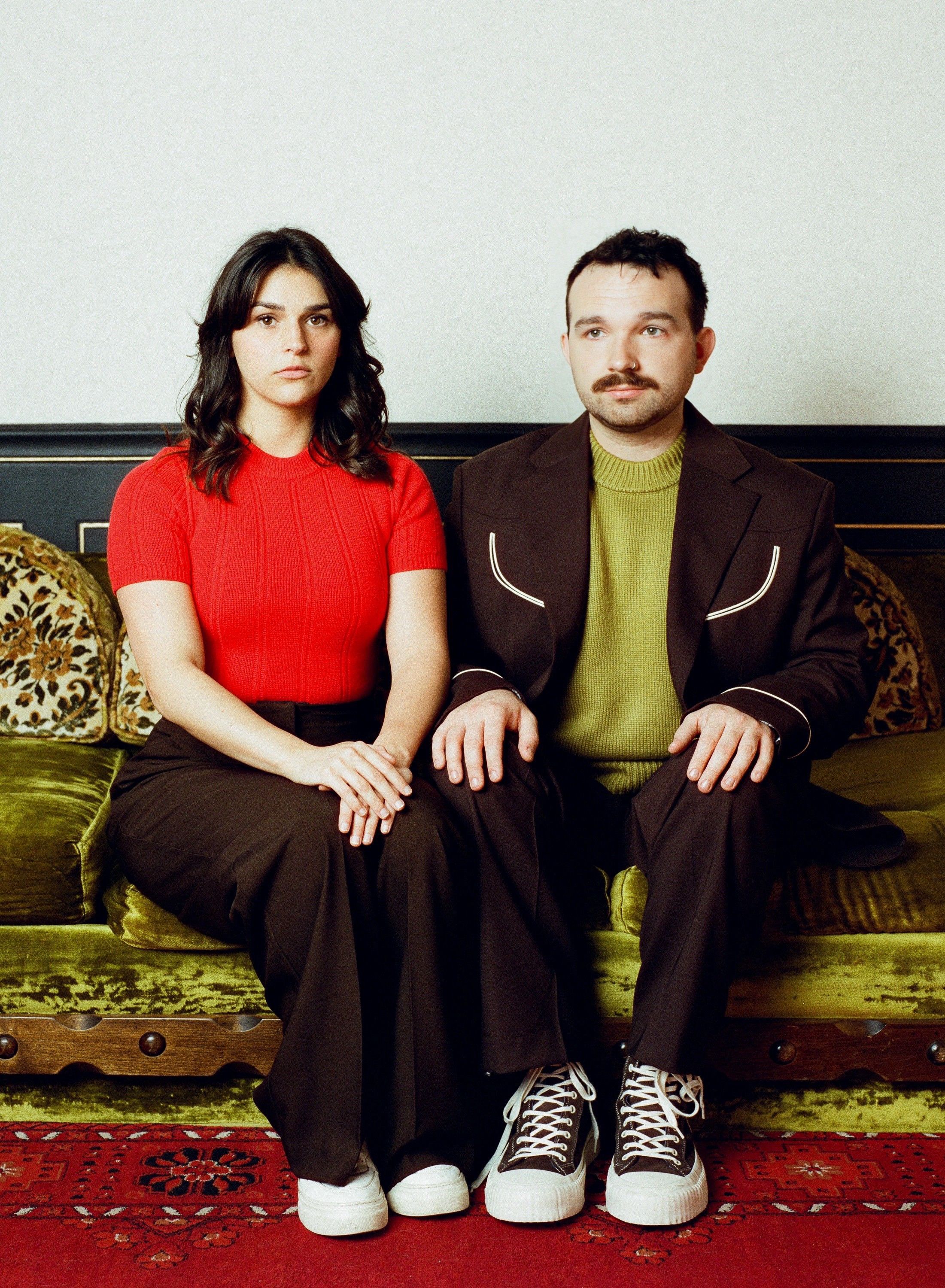
The Greeting Committee Interview Image (c) the artists
What's your take on the role and importance of production, including mixing and mastering for you personally? In terms of what they contribute to a song, what is the balance between the composition and the arrangement (performance)?
We’ve always been hands on with production from the start of a song. Maybe I think about it more than other songwriters but it’s one of my favorite parts of the process. We also typically work with mixers who put their own flavor into the song which can be jarring at first, but I love hearing other people's perspectives on our music.
Production is like the filter that goes over the music that sets the tone. While our album This Is It, has arguably less production, the production still sets a tone that to me feels way different than the subsequent album Dandelion which I think is pretty defined by the production.
It’s easy to believe that production is used to hide bad songwriting or try to make a song feel more “pop”. But to me it's all about what interests me or what best compliments a song.
After finishing a piece or album and releasing something into the world, there can be a sense of emptiness. Can you relate to this – and how do you return to the state of creativity after experiencing it?
Oh my gosh, definitely. I feel like I put a lot of myself into this new album and it took a lot out of me. When we are working on an album, it feels like my sole job for 8 solid months and when I’m done I just have to wait and see how people respond to it because I can even begin really thinking about what I want to do next.
Even now, I still feel like an empty well and I need time to refill before. I have lots of tools to pull from to write music but I try to live as much life as I can while I refill my well of creativity.
Creativity can reach many different corners of our lives. Do you personally feel as though writing a piece of music is inherently different from something like making a great cup of coffee? What do you express through music that you couldn't or wouldn't in more 'mundane' tasks?
In some ways I don’t think it’s that much different. I worked in coffee for many years so I can specifically relate to that. Even when I make coffee at home for myself or other people, I have pride in my knowledge and abilities. I feel the same pride when I write or perform a song for other people.
Of course, I’m typically more creative when I make art versus coffee, but even certain mundane tasks probably require their own version of creativity. Music allows me to express a version of myself I couldn’t otherwise.
The power of music is that the stories it tells can take on a life bigger than itself.