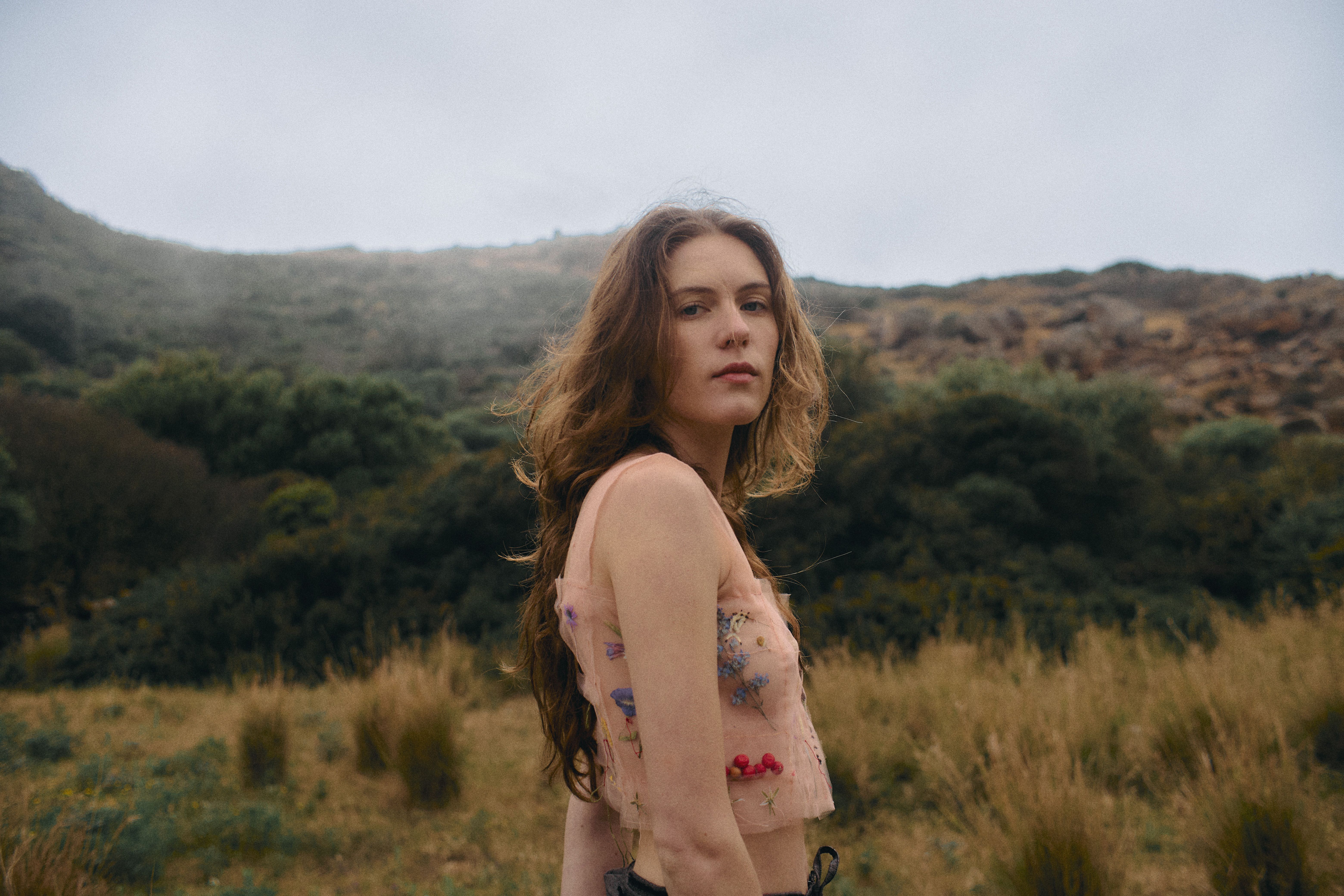
Published
Name: Ginevra Battaglia aka Guinevere
Nationality: Italian
Occupation: Singer, songwriter
Current release: Guinevere's debut full-length album To All The Lost Souls is out via La Tempesta.
Recommendations: Just Kids - a book by Patti Smith; “La Danse” – a painting by Henri Matisse; “The Righteous Wrath Of An Honorable Man” – a piece of music by Colin Stetson.
If you enjoyed this Guinevere interview and would like to know more about her music, visit her on Instagram.
Do you think that some of your earliest musical experiences planted a seed for your interest in writing lyrics or poetry? How and when did you start writing?
I’ve been writing songs for as long as I can remember. Recently, I watched videos of myself as a child, and I caught myself smiling at the 4-year-old version of me—singing and making up melodies with the only three or four words I knew.
My dad definitely planted that seed in me. He would spend hours playing with me while teaching me about rhythm. I remember car rides where he’d play The Beatles and say, "Listen to this—can you feel how important the electric bass is here?"
His love for music helped me develop my own passion for it, and it made my path clear from the very beginning.
Entering new worlds and escapism through music and literature have always exerted a very strong pull on me. What do you think you are drawn to most when it comes to writing?
I think writing music and poetry is my way of saying things out loud that I wouldn’t be able to express otherwise.
It’s also a huge channel through which I free myself from heavy emotions. When I write, I feel like I’m in an infinite white space where I can be whoever I want to be. I can create whatever I want, however I want it. I can paint it the color I choose, shape it the way I feel.
In that space, I try to be as honest as possible, using the opportunity to create as a chance to express what resides within me. When I listen to other people’s music or read their poetry, I step into their world. I see their shapes and colors, and I let myself flow through it. It’s so fascinating!
What were some of the artists and albums which inspired you early on purely on the strength of their lyrics? What moves you in the lyrics of other artists?
It's hard to say, because it's difficult for me to separate lyrics from the song itself or the performance! I’m often drawn to and moved by lyrics I can connect with—not necessarily because of the topics or contexts, but because of how they’re written, the accessibility of them.
I can’t be moved by lyrics that are too sibylline or cryptic. I like songs that feel like poems (my own songs often come from poems, too!), but only if those poems are adapted to music in a way that feels natural. I want to hear something honest, deep, and relatable—something I can understand and empathize with.
For example, “The Art Teacher” by Rufus Wainwright may not have the most beautiful lyrics you'll ever hear, but I find so much depth and honesty in it that it moves me.
Thom Yorke’s lyrics strangle my heart every time I hear one of his songs. Joni Mitchell’s “All I Want” and “Both Sides Now” are gifts to humankind.
On the other side of the spectrum, I think Billie Eilish’s lyrics are well written too.
I love the sophisticated way she plays with rhymes and how she’s able to write about tough subjects, yet still speak directly to an entire generation without being superficial.
Have there been song lyrics which actually made you change (aspects of) your life? If so, what do you think, leant them that power?
Joni Mitchell’s “All I Want” made me feel so understood at a specific moment in my life. It was the moment I started allowing myself to embrace the freedom of just being me.
I was in Australia, travelling north in my van, in tears, having just gotten out of a toxic relationship. I was so ready to feel free.
Those lyrics made me realize that I wasn’t just travelling for the sake of it—I was there for a reason. That reason was to discover more about myself and to free myself from all the beliefs people or society had attached to me.
It is sometimes said that “music begins where words end.” What do you make of that?
It does! Music doesn’t come from rationality; it doesn’t come from our heads or our ability to analyze things. It comes from the heart. As cheesy as it may sound, it truly does.
It’s when we stop trying to find answers and stay in the question that we really gain access to creation.
I have always considered many forms of music to be a form of poetry as well. Where do you personally see similarities? What can music express which may be out of reach for poetry?
I think both music and poetry exist in a continuous flow, where one influences the other and vice versa. Music is poetry when it’s written consciously, with love, truth, and intention. And poetry is music, because words are sounds that carry colors, shapes, and images.
Maybe music allows the listener to envision broader landscapes, as it’s often more open to interpretation than a poem with specific words. But then again, it depends on the poem and the music.
I really have a hard time drawing a clear line between where one ends and the other begins.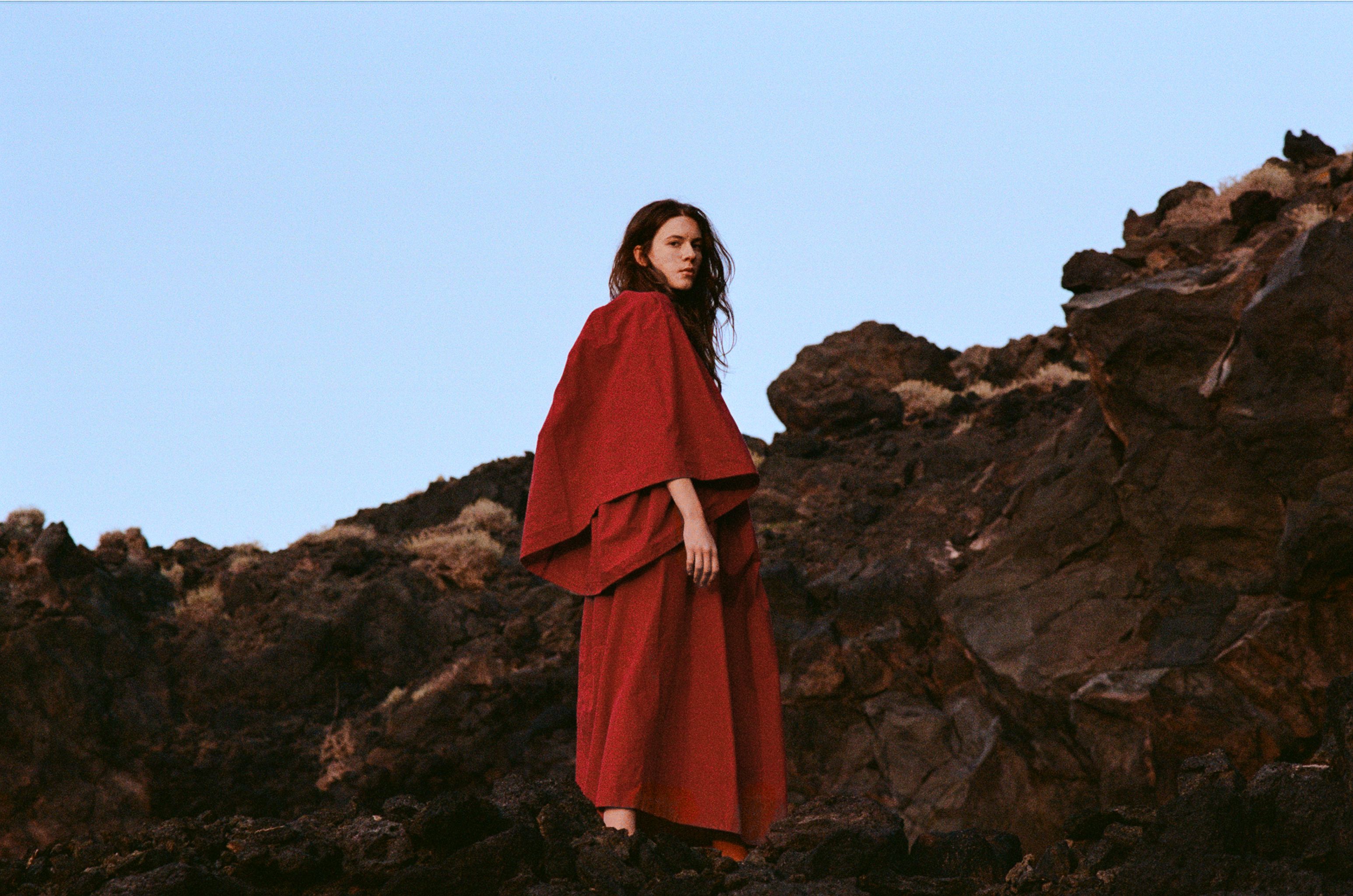
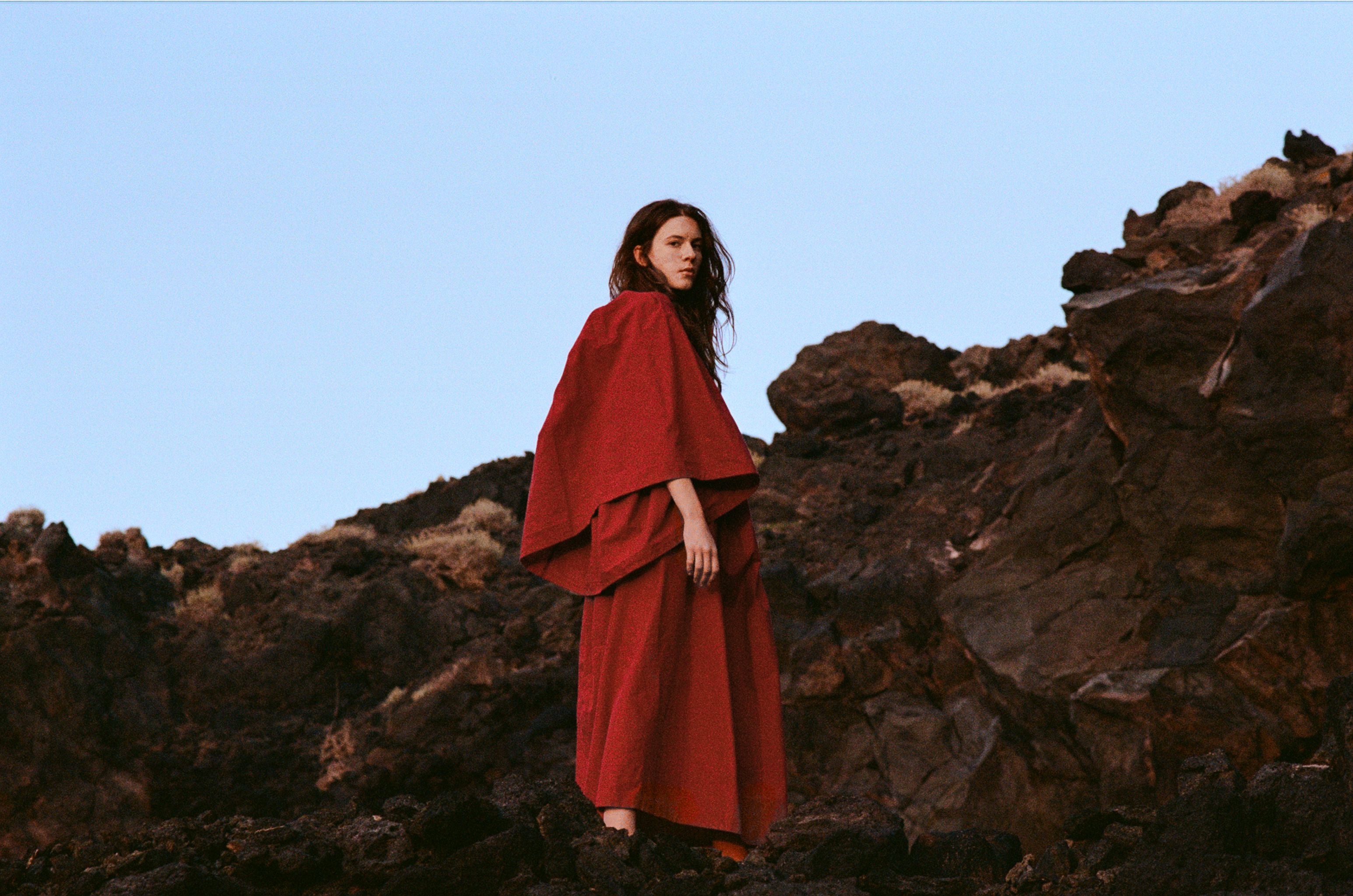
Guinevere Interview Image by Stefano D'Angelo
The relationship between words and music has always intrigued me. How do you see it? In how far can music take you to places with your writing you would possibly not have visited without it?
Music can take you as far as you let it.
I see it as the practice of a Zen master—finding the balance between being centered and solid, while also being incredibly fluid and open to change. If you’re conscious and in touch with your gut feeling, yet also open to infinite possibilities, music will take you exactly where you need to go. It might sound like new-age spiritual talk, but it really is like this!
When I write my songs, for example, I never know what they will become. I know what I like and what I’d like them to become, of course, but that doesn’t always happen.
Songs are like kids: you give birth to them, but they develop their own personality, and there’s nothing you can do about it except love them for who they are and listen to their needs.
What are areas/themes/topics that you keep returning to in your lyrics?
No matter how hard I try to come up with stories or metaphors, I always end up returning to my personal experiences and feelings in my lyrics.
It’s my way of processing what happens around me and within me, and I hope to express something relatable to anyone who needs to hear my songs.
On the basis of a piece of your most recent release, tell me about how the lyrics grew into their final form and what points of consideration were.
My latest single, “Generational Fear,” was born out of a moment of deep sorrow nearly five years ago.
At the time, I couldn’t get out of bed, and my parents were really worried about me. I remember screaming at them to leave me alone, telling them there was nothing they could do about the pain I was feeling. After they left, I started writing down that pain, and it turned into the first part of the song. But I couldn’t finish it, so I moved on to other songs for a while. Four years later, I opened my diary again and finished writing it.
The outcome of “Generational Fear”’s lyrics was unexpected: I realized that while the song started from my own pain, it had the potential to speak to the pain and wounds of an entire generation. At the time, I was feeling a lot of anger about where the world was headed—I still am—and I found the perfect time, space, and song to express it.
I'd love to know how you think the meaning or effect of an individual song is enhanced, clarified or possibly contradicted by the EPs, or albums it is part of. Does the song, for example, need to be consistent with the larger whole?
No, I don’t think it does. When creating an EP or an album, you obviously need to know or feel why these songs belong together—whether there’s a "red thread" that connects them. But I wouldn’t be afraid to include a song that has a different meaning or is uniquely different from the others.
One of the songs on my album, “The Equilibrist,” has its own personality and meaning, which is the opposite of most of the songs on the album. But that doesn’t mean it shouldn’t be part of it.
If you think about it, as humans, we’re made up of different organs, each with its own function. But all of them need to be where they are because they’re part of a whole, interconnected system.
When you're writing song lyrics, do you sense or see a connection between your voice and the text? Does it need to feel and sound “good” or “right” to sing certain words? What's your perspective in this regard of singing someone else's songs versus your own?
It always felt a little strange to sing someone else’s song. I do it often, and I have fun with it, but I’ve never seriously considered recording a cover. It would feel like wearing someone else’s shoes, if that makes sense.
As for my own songwriting, the lyrics definitely need to feel and sound right. That’s where the more mathematical side of my creativity comes in. Rhymes have to be spot on, the lyrics need to flow smoothly, and the words I choose must be sophisticated and precise. It’s like shaping a clay sculpture.
Refining lyrics and making sure they sound perfect is like soaking the sponge and gently caressing the sculpture to smooth out the edges and remove any roughness.
I would love to know a little about the feedback you've received from listeners or critics about what they thought some of your songs are about – have there been “misunderstandings” or did you perhaps even gain new “insights?”
Most of the time, people understand the meaning of my songs, but sometimes I get new insights myself.
I actually love the fact that as soon as I release a new song, it’s no longer just mine. It can become someone else’s love song, or an anchor for them to process their own traumas. What matters most to me is the feeling. As long as my songs reach the listener or critic on an emotional level, I’m happy.
As for the meaning, I let them redefine it freely.
How do you see the relationship between harmony, rhythm and melody? Do you feel that honing your sense of rhythm and groove has an effect on your lyrics-writing skills?
Absolutely! Everything in music is interconnected—harmony, rhythm, and melody are deeply intertwined and constantly influence each other. I believe music is both spiritual and mathematical.
Writing lyrics is very impulsive for me at the start of the process. Whether they come from a poem I’ve written or from a feeling I’m dealing with, they flow out like a river. But then, I have to shape and refine them, making sure they fit into the rhythm, harmony, and melody I’ve chosen.
It feels like trying to fit an object with a specific shape into its perfect box—and finding that perfect box is a journey!
What is the value of song lyrics or hip hop bars outside of the music?
I think music has immense power and value. From a sociological perspective, it’s a form of communication—a powerful tool through which we can spread messages or feel empowered and understood.
When I was a teenager, I used to hang out with a lot of rappers (I know, surprising, right?). It was amazing to see how their freestyle battles were not only a way to showcase skill, but also a major social event. It brought people together, giving them a chance to challenge themselves, connect with something new, and meet others.
Music is powerful, and it’s made up of words—words that are powerful, too!
Creativity can reach many different corners of our lives. Do you feel as though writing song lyrics or poetry is inherently different from something like making a great cup of coffee? What do you express through music that you couldn't or wouldn't in more 'mundane' tasks?
I believe that art and creativity reside in everything done with intention and care. Whether it’s a cup of coffee, a song, or the way a letter is written, it’s not about what it is, but how it’s done.
Of course, the process of making a song is inherently different from making a cup of coffee (it takes more time, and a lot more money!), so they are definitely different things. But as far as creativity goes, one isn’t better or more valuable than the other.