Published
Name: The Halo Trees
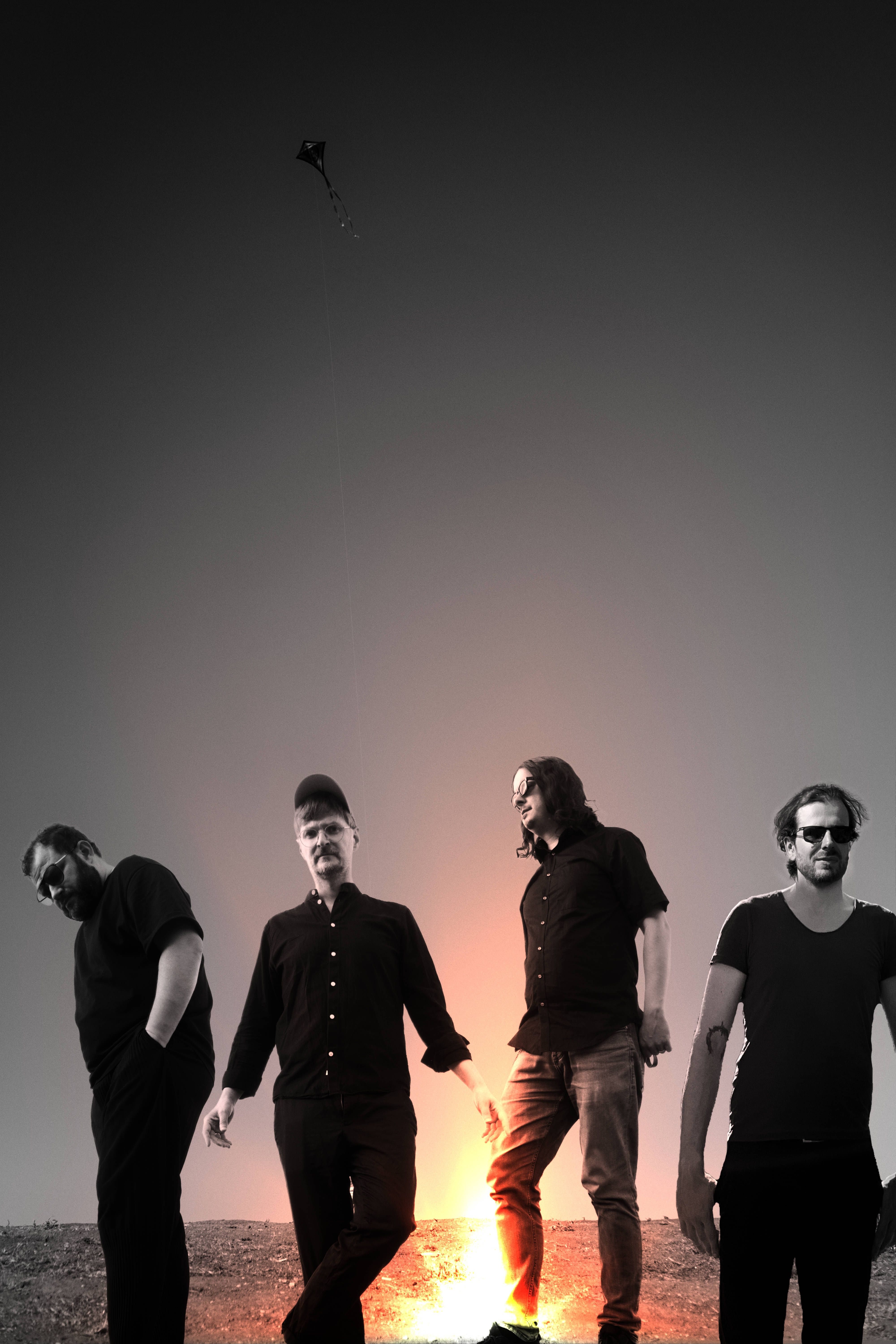
Members: Sascha Blach (vocals, guitar, synth), Stefan Helwig (drums), Georges-Emmanuel Schneider (violin), Gabriel Wohlfahrt (bass)
Interviewee: Sascha Blach
Nationality: German
Current release: The Halo Trees's new album Electric Mirror, a carefully curated collection of electronic reimaginings of select songs from their oeuvre, is out via COP International.
If you enjoyed this Halo Trees interview and would like to know more about the band and their music, visit their official homepage. They are also on Instagram, and Facebook.
For a deeper dive, check out our earlier conversation with Sascha in our Mansions In The Sea interview.
The concept of your latest album Electric Mirror reminded me of the time when Depeche Mode briefly went from their synth pop roots to being a rock band. Back then, switching camps like that was a big thing. Do you perhaps remember that moment and how it felt for you back then?
I guess I'm too young to have experienced that phase directly. I didn't become aware of Depeche Mode until Ultra.
I have to admit, even though I like the band, I find it hard to understand why some people idolize them so much. I hope I haven’t lost most of your readers already with the first answer (laughs).
Electric Mirror, of course, takes the opposite direction from Depeche Mode. Where did the idea for this project come from?
Well, at least it has nothing to do with Depeche Mode (laughs).
Seriously. I've made electronic music every now and then over the years, whether with Transit Poetry, Lighthouse In Darkness or in the field of production music. To enhance the "Happy Man" and "Stray(nger)" singles for the last album, I made electronic remakes of these songs. And that somehow hooked me and I wanted more.
I tried out more songs from The Halo Trees and was amazed at how good they sounded. Then the chance came to go on tour with Front Line Assembly and it was clear that we had to take this opportunity and bring this version of The Halo Trees also to the stage.
Electric Mirror is a really interesting fusion between remix album, compilation, and a new work in its own right. What was the selection process like and what did you learn about which songs lend themselves well to the reinvention process and which don't?
It's important for me to stress that these aren't just remixes, we did everything anew from scratch. That means arrangements, instrument and vocal recordings and of course the whole mixing and mastering process. So it felt like a new album with well-known songs.
I proceeded by deleting everything from the original sessions except the vocals and a few MIDI tracks and then rebuilding everything and re-recording all the vocal tracks at the end.
There were no songs that didn't work. I think I had a pretty good sense of what works and as long as you don't limit yourself stylistically, you can basically arrange any song in a different way.
I have always felt as though there are differences between acoustic music, amplified-acoustic music and electr(on)ic music. Especially after this project, how do you see it yourself?
Our advantage is that we are so unknown that it doesn't matter to most people whether we make an electronic or a rock album (laughs). We have a big amount of freedom.
I think every genre has its own rules, but somehow we always like to break them. It feels like we never really conform to the conventions, subconsciously. Neither our rock albums nor our electronic album are really traditional or typical for a genre, I think. I also find it exciting to combine elements from different worlds and could imagine doing more of that in the future.
On Electric Mirror the violin plays a key role - even if it is often put through so many effects that it is hardly recognizable. And of course this isn't a typical electro element. We just do what we feel like doing.
What were considerations for you in terms of the arrangements?
I think I have a good feeling for music. This intuition is what guides me through a production. I don't analyse other music and think about how other acts arrange their electronic songs or what sounds are currently popular. I did what felt right to me.
I don't try to emulate other bands either. Accordingly, it is difficult for me to say which bands could be compared to Electric Mirror.
But I can say this much: with The Halo Trees, arrangements always have to be designed in such a way that they radiate a certain warmth and melancholy and leave plenty of space for the voice. This is independent of the instruments.
To me, it felt like some of these songs actually felt more natural in their new, electronic outfit.
Yes, I have that feeling too. I don't think any version is worse than the original. Even though I'm certainly biased myself (laughs).
I also think the production is our best so far and I will try very hard to transfer this standard to our next albums. But it's also easier to mix (mostly) electronic music than music with a real drum set and acoustic instruments with a stronger life of their own. Electronic sounds sound a bit more "perfect" straight out of the plugin or synth.
What did you learn about yourself as a songwriter and producer in the process?
I definitely feel like I've learned a lot - but more on an intuitive level, because I couldn't list exactly what those things are. But that's the case with every album.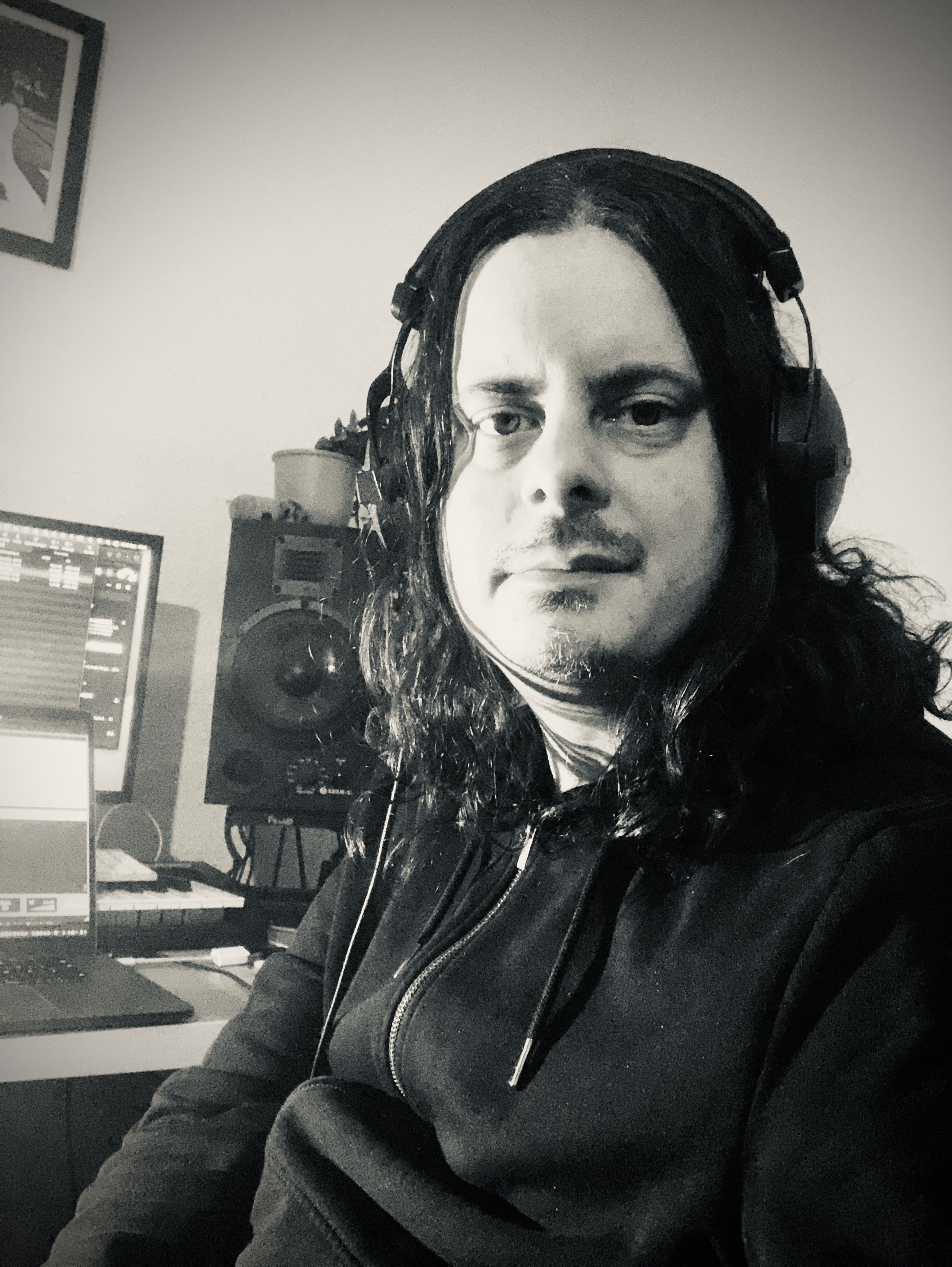
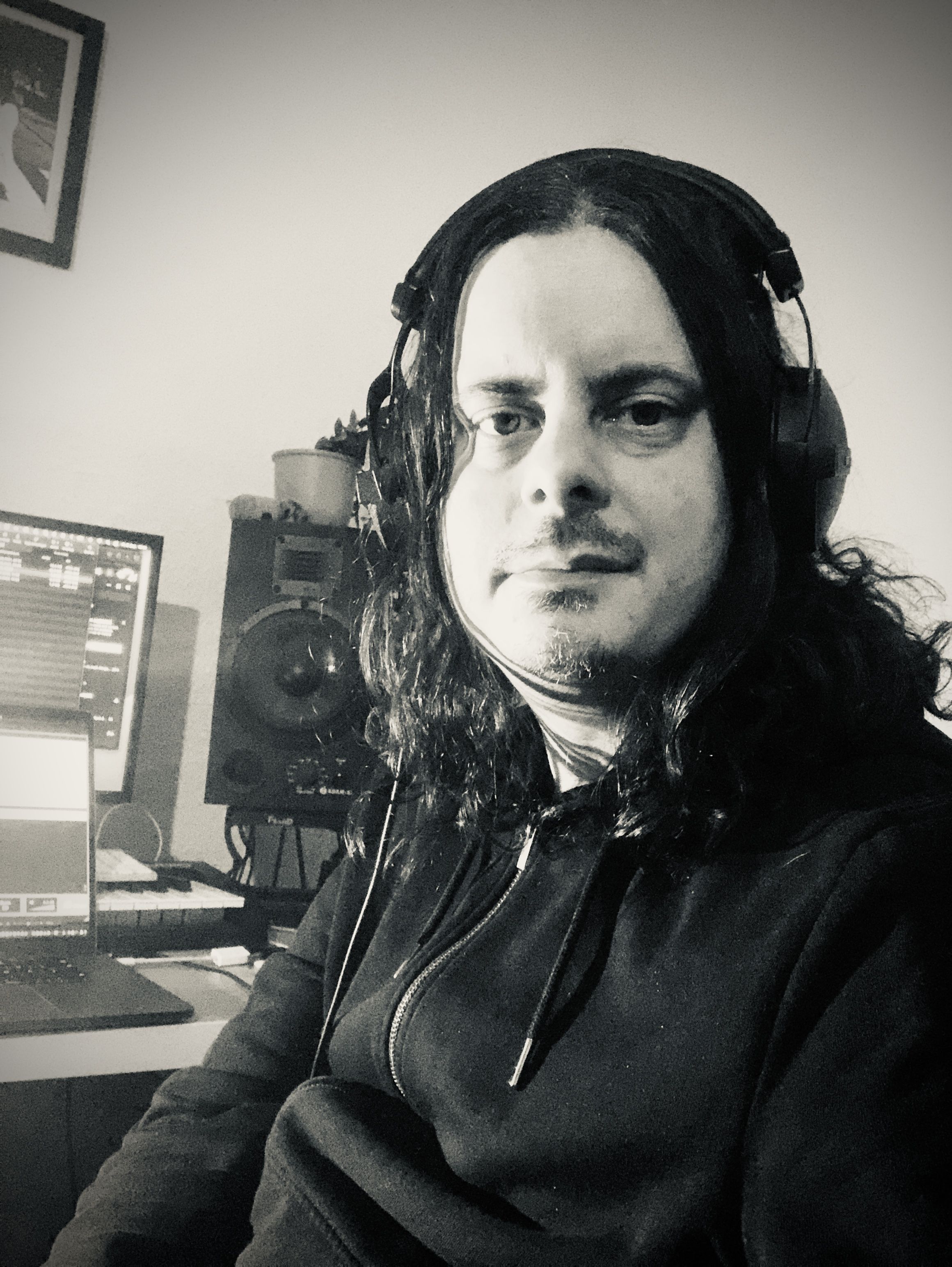
Sascha Blach Interview Photo (c) the artist
For you personally, where does composition end and production start (or vice versa)?
There is no clear distinction, because I inevitably start producing from the very first bars.
But you could say that the first step I take is to produce a demo. This demo contains a rough outline of the song, but it already contains all the important elements such as drums, bass, keys, guitars and vocals. This usually goes relatively quickly. I work on a song for around 3-4 hours until the first demo is ready.
After that, what I would call production begins - and that often takes many months. This production process begins with me opening the DAW sessions again at some point and making initial improvements, and then gradually instruments such as drums and bass are properly recorded, and at the end, some of the guitars and vocals. Synth parts, on the other hand, often remain as they are in the demos.
This is followed by a mixing process that often takes months, where I continually improve all the songs of an album and there can sometimes be up to 15-20 mix versions, because with a little distance I always notice something that can be improved or a new tool that needs to be tried out.
I hope that I can shorten this process in the future, because it is definitely too time-consuming for a band that doesn't pay my rent (laughs).
Is technology something that you would like to have disappear behind your music – or is it a musical element that you want to bring to the fore and play with?
I don't know. In the end, don't you always use technology to make your own music as good as possible? Yes, we have a flood of effects on Electric Mirror and there are many details to discover such as automations, panning that moves through the room, vocal effects, distorted sounds, etc.
So, yes, I like using technology, but I always have the feeling that it is not an end in itself, but that it makes listening to the music more interesting. After all, I want people to be able to listen to our music multiple times on headphones and keep discovering new things. Like cinema for the ears.
Could you describe how your relationship with your studio/set-up feels like - is it an extension of your self/body, a partner and companion, a creative catalyst, a challenge to be overcome, something else entirely?
I would call it a tool to express my creativity. Like a painter needs paint and a craftsman needs a hammer. But unlike a hammer, it's a reciprocal effect, because new musical tools can encourage creativity. For example, an interesting sound that inspires me to write a song. But the term partner sounds nice too (laughs).
Basically, I’m happy that I live in such an exciting time, technically speaking, where there are so many possibilities, and I love exploring and discovering that. But of course, the many possibilities can also get in your way, for example the millions of possible sounds. So I like to decide quickly and only question these decisions in exceptional cases, because otherwise you can quickly lose yourself in your own perfectionism and then everything takes even longer.
I guess it’s like it is in daily life. You just have to take a path at a crossroads. And then it is as it is and you make the best of it instead of forever pondering what could have happened if you had taken a different path.
How and for what reasons has your music set-up evolved over the years and what are currently some of the most important pieces of gear and software for you?
Well, it gets more and more stuff and I find it difficult to give things away again (laughs).
I like things to be uncomplicated and quick and I prefer working in the box, where I can save everything and create my own presets for everything. I constantly find myself buying new plugins - preferably at sales (laughs). Some become favorite tools, but I quickly forget many and then later wonder that I even have them (laughs).
But my hardware park is also constantly growing, so mainly guitars, basses and effects pedals. Favorite companions for many albums are my Kemper Profiling Amp, my Radiohead signature guitar, my Adam speakers, my Mac and Logic. 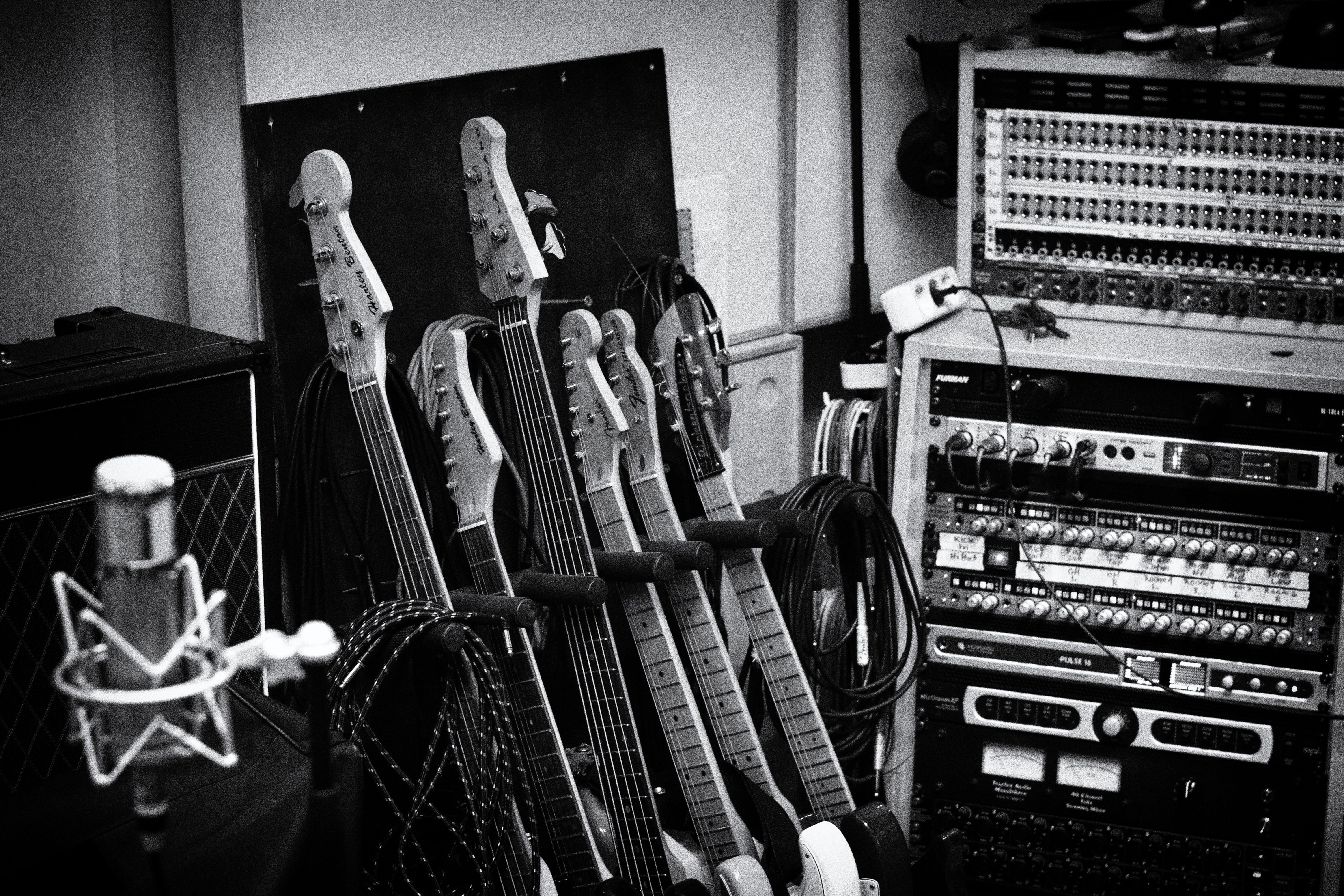
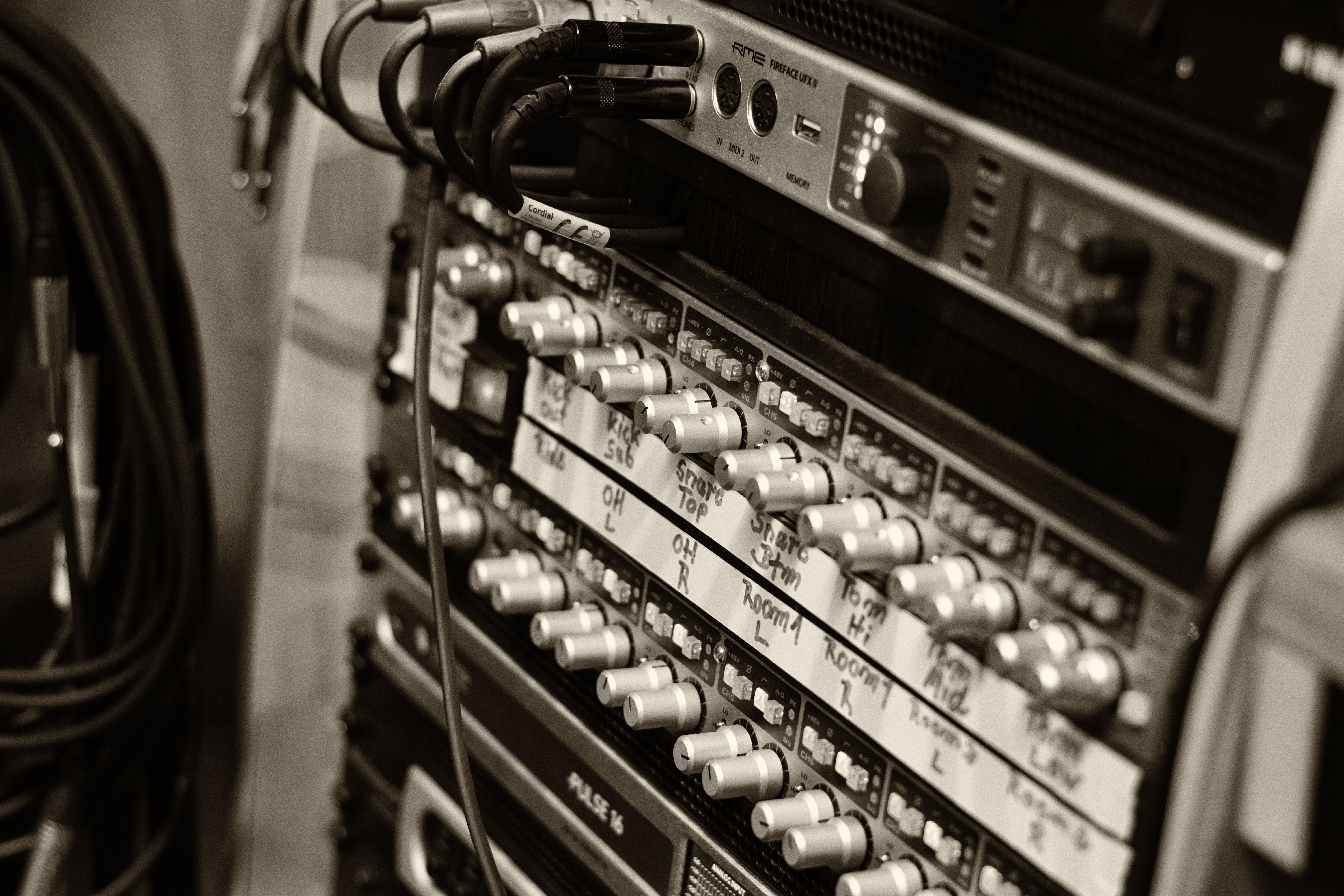
The Halo Trees Studio Photo (c) Sascha Blach
But plugins like Diva, Omnisphere or various things from Native Instruments Komplete are also regularly used in all productions. The True Iron plugin from Kazrog has served me well for sound refinement this time. A real gem.
Tell me about the space of your current studio/workplace and how you've set it up to further your creativity?
Since I travel a lot and live in several places, I have created up my setup in a way that I can easily take my Mac and my audio interface with me wherever I go. However, my main workstation with good microphones and high-quality monitoring for mixing is in my apartment in Berlin. We have also upgraded our rehearsal room so that it is easy to record loud instruments such as drums.
All of our albums have been created on the go as it were, as I often take my work with me. In general, I try to do as much in the box as possible so as not to be too dependent on hardware in a specific place.
Late producer SOPHIE said: “You have the possibility with electronic music to generate any texture, and any sound. So why would any musician want to limit themselves?” What's your take on that?
I agree. The possibilities of electronic music are now so great that you are not limited to electronic-sounding music. With the exception of electric guitars - I have not heard any convincing emulations of these yet - you can actually simulate all acoustic instruments electronically quite well, which gives you endless possibilities.
I like this field of experimentation, especially as I am one of those people who is not interested in how something was created, but only in how it sounds in the end. So I am not afraid to use all the possibilities that modern technology offers.
But of course it is important to me that the result sounds unique, human, emotional and not generic.
There are seemingly infinite parameters to change, influence and shape the sonic results. From your experience, what actually makes a piece better and what sets a “finished” version apart from one destined to linger in the archives?
Yes, as I said, I try to make spontaneous sound decisions and then live with them. Otherwise, you get lost in the endless possibilities of parameters. The overall impression of a song is more important to me than every little detail.
So, while I have a certain perfectionism when it comes to the overall sound in the mixing process, I try to allow for imperfections in the details. If you edit the instruments too much, the life in the music gets lost.
The archive keeps those songs that I don't think are good enough to be released, and all the old mix versions. So quite a lot. But it’s good, there’s enough garbage out there already (laughs).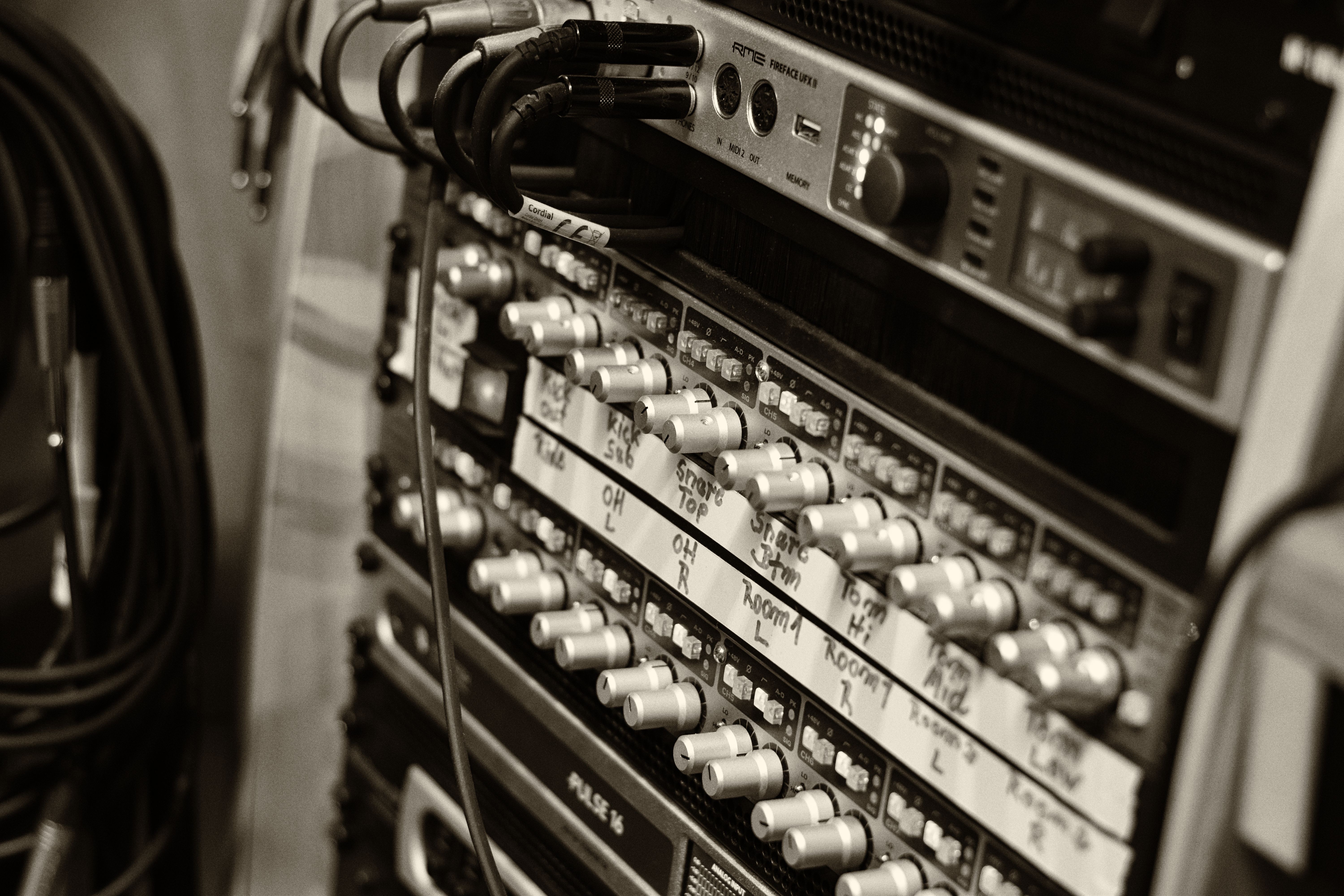
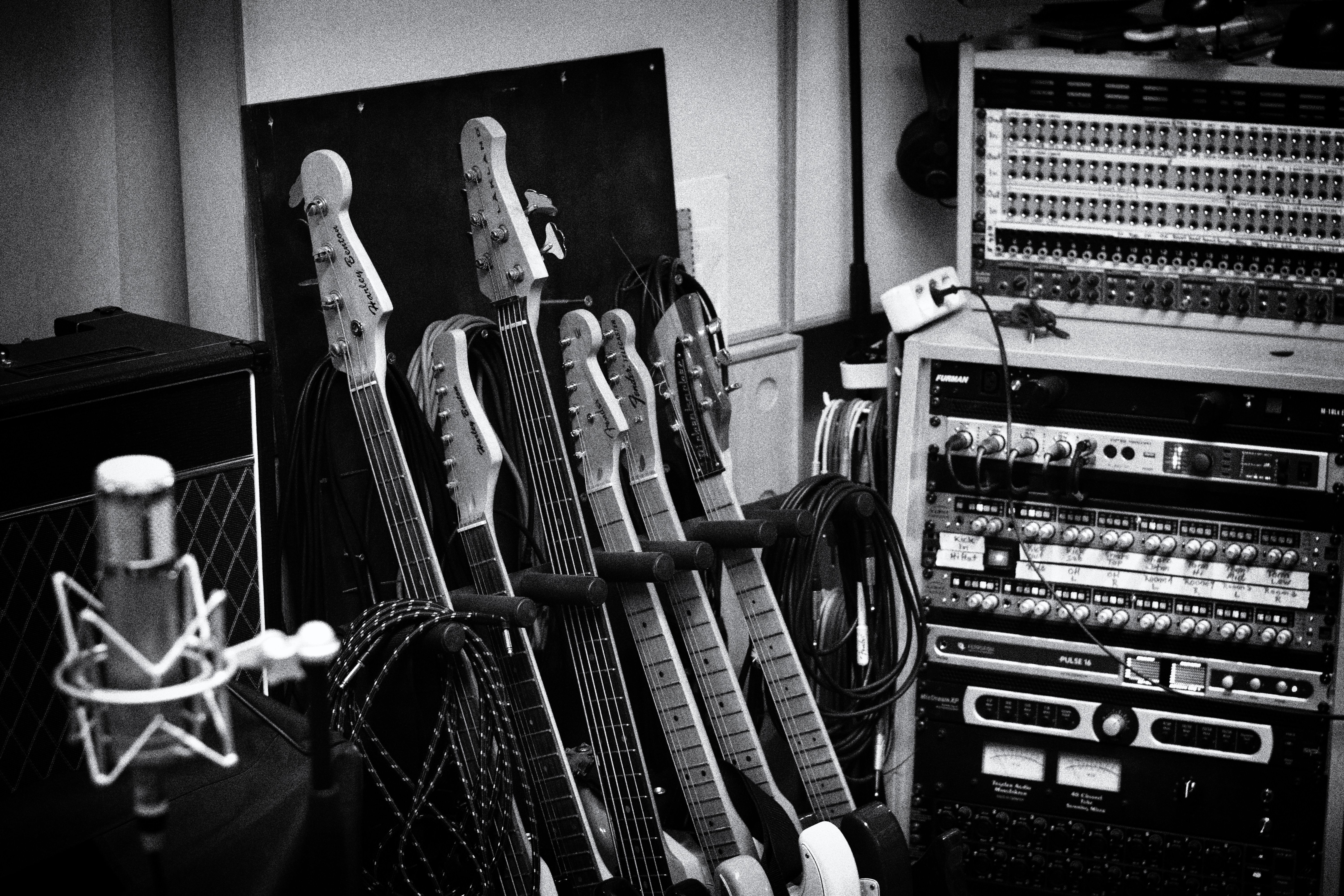
The Halo Trees Studio Photo (c) Sascha Blach
After finishing Electric Mirror, how do you see the relative importance of arrangement versus sound design versus composition (including, potentially, lyrics)?
It's difficult for me to answer that because I don't clearly distinguish between these aspects. It's more like everything is an overall process. I open a session and then tinker with sounds, arrangement details, composition and mix settings until I feel like the song has gotten a little better.
But it was exciting to see the different directions you can take a composition with new arrangements.
You were recently on tour with the legendary Front Line Assembly. Tell me a bit about what the live part of your life as an artists means to you compared to the studio part, please.
We loved it. Nevertheless, I still see studio work as my priority. If I were given the choice of a life as a live musician or pure studio projects, I would clearly choose the latter. Being creative is the most important part.
But it was still a great experience to bring the music to the stage and play in front of a large audience on several days in a row. We haven't played live that much with The Halo Trees in the past and we definitely want to change that in the future. We now have flexible options with the small electronic setup (two people) and the rock line-up (four people) and I hope that we can find our way with both variants.
In any case, I think that Electric Mirror has blown the genre doors open a bit and made a lot of experiments possible for the future. I'm excited myself what will come.