Published
Names: Helen Anahita Wilson, Merlyn Driver
Occupation: Composer, sound artist, pianist, transdisciplinary researcher (Helen Anahita Wilson), singer-songwriter, cultural producer, writer, Making Tracks director (Merlyn Driver)
Current event: Helen Anahita Wilson is among the artists picked for Making Tracks 2025, a project inviting eight musicians from around the world for a two week residency at Cove Park, Scotland, "to create groundbreaking music that transcends cultural and even species boundaries." After writing the music, the participants then went on a tour to present and play the material live.
If you enjoyed this interview with Helen Anahita Wilson and Merlyn Driver and would like to know more about their music and work, visit their respective homepages: Helen Anahita Wilson; Merlyn Driver
Tell me about your participation in Making Tracks, please. What were your considerations going in?
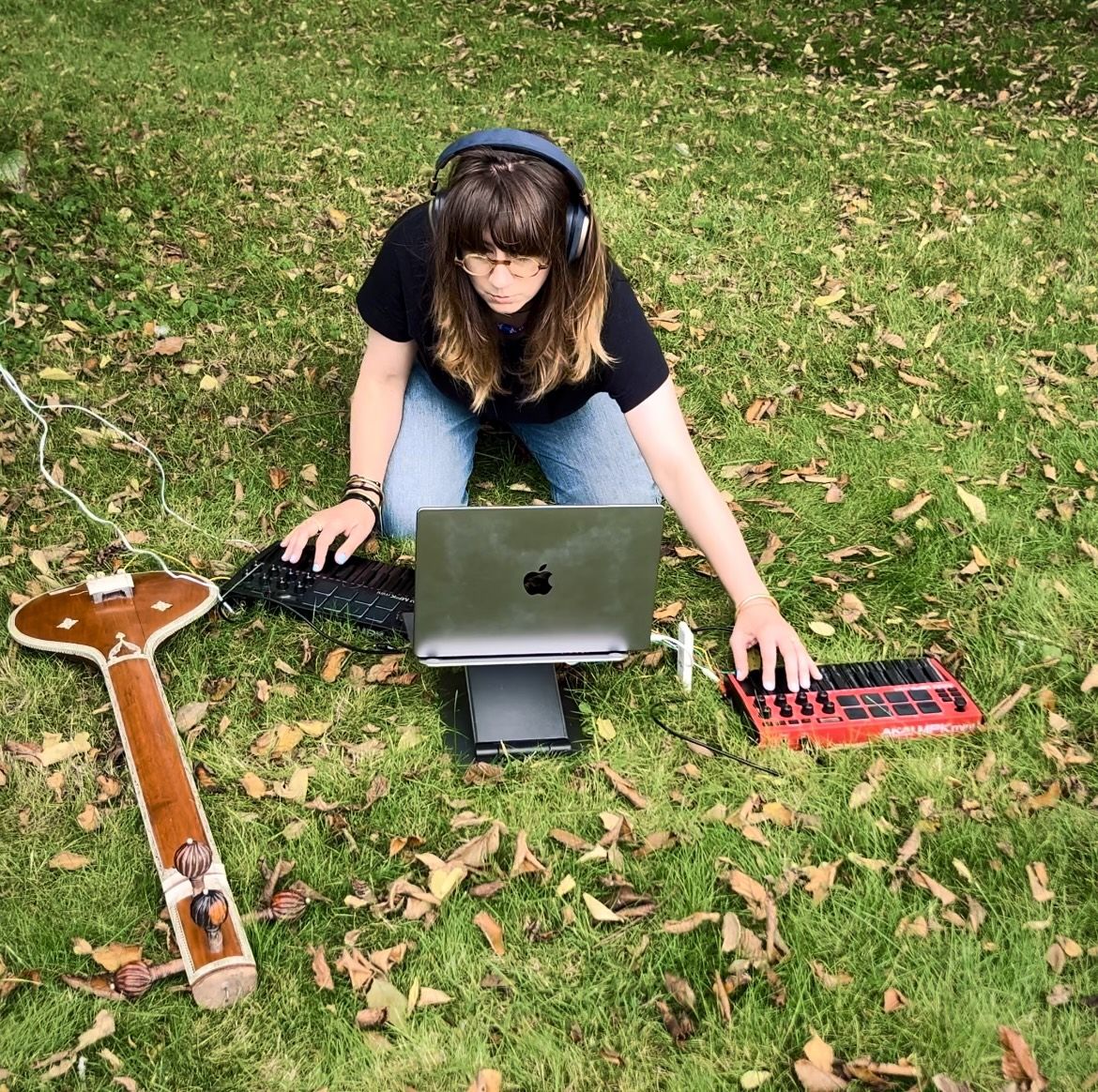
HAW: Making Tracks was a great opportunity to collaborate with brilliant musicians and experiment with transcribing plant biodata-derived music for acoustic performance.
Most of my plant-related work to date has been in the form of commissioned solo electronics works and I’m now increasingly interested in scoring new plant-derived works for live performance and developing improvising collaborations based on plant-derived ideas.
Tell me about the music you made through these collaborations, please.
HAW: I worked mostly with bassist Nina Harries and singer-songwriter Anna McLuckie during the Making Tracks programme.
[Read our Anna McLuckie interview]
Nina and I created a semi-improvised work called FIN which incorporated musical material derived from rock samphire and our performances were live responses to a brilliant interspecies piece, commissioned by Making Tracks, by composer and recordist Juliana Day.
Anna and I developed a song using biodata from a sea kale (the physiological activity of which I recorded on a beach in Brighton) - it was a very conversational work for clarsach, vocals, and processed biodata.
Nina, Anna, and I also performed a trio work incorporating water sounds from Loch Long in Scotland (the beautiful location of our residency) with bass, clash, vocals, and a field recording of the wind passing through Anna’s clarsach strings down by the loch.
Now you’ve been on the road with the project, what were some of your favourite moments?
HAW: Having trained in both Western and South Asian classical musics, intercultural musical experiences are a regular part of work; I love working in collaborations that forge new musical, transdisciplinary forms from mutual foundations of respect and understanding.
Innovation is the absolute most important facet of my work and, sometimes, intercultural music can provide really rich opportunities to create something totally new - not just playing different musics/styles at the same time but genuinely creating innovative music that draws from essential aspects of contrasting musics and combines them to create imaginative and worthwhile new music.
I’m always aiming for 1 + 1 = 3 with these intercultural collaborative experiences.
What sparked your interest in interspecies communication? Are there any memories or experiences with animal, plant, or nature sounds that you can share?
MD: I have always been a nature enthusiast, above all else. When I was in my early twenties I got my hands on a handheld recorder (it was a Roland R09HR), and a pair of decent headphones.
For my first recording - which is still on my website - I sat down among a reedbed on the Fife coastal path, hypnotised by my ‘new ears’ and new ways of listening. A whitethroat landed nearby and sung a repetitive little phrase, and - because I was actively listening, not just passively hearing - I heard it as music. When you really listen, you realise that we are not the only musical species.
That experience had a very long-lasting impact on me, fuelled my love of nature and sparked a long journey that I feel is still only just beginning.
What makes sounds from other species interesting, inspiring, or just plain beautiful to you? Is there anything that continues to impress you about them?
MD: Just as some species can hear frequencies of sound that we cannot, many can reach musical corners that are either beyond us, or which we have not yet explored. That’s very interesting to me as a musician!
HAW: I describe my work as ‘biophilic’ rather than interspecies.
I create music and soundworks from various plant biodata and botanical information - I then select interesting patterns from the data and apply experimental composition techniques from Western and South Asian classical musics. My work also draws on the principles of biophilic design in architecture and it’s very important to me that my work moves far beyond just sonification.
I don’t often use actual recorded sounds from other species and, if I do, I generally musically transduct them in some way. For example, if I make contact mic recordings of a redwood tree, say, then I will transcribe the rhythms from that recording and then work creatively/compositionally with those rhythms.
Occasionally though, I will include a beautiful recording of another species. In April 2025, the second album from Plant Vox (the world’s first adaptogenic music project - for which I’m the sole composer) will be released with Platoon and features a gorgeous nightingale song.
Did or do you do any research on sounds from other species? If so, what were some interesting findings?
MD: During the creation of my multi-artist curlew-inspired album, Simmerdim (2022), I took a close look at curlew vocalisations and their ‘technology of enchantment’; the mechanisms and techniques like vocal slides, vibrato, harmonics, pitch variations and more that make their calls so evocative and moving for humans.
HAW: My work involving plant biodata stems from my PhD research in Music/Sound and Health Humanities. My doctoral research explored the possibilities of sharing stories and information about the experience of cancer treatment through non-lexical sound and music.
As a side project, I started working with botanist Dr Sandy Knapp and experimenting with sound and music derived from plants used in chemotherapy drugs and other anti-cancer treatments. This work eventually distilled into one single, longform piece called ‘linea naturalis’, which was released in partnership with Maggie’s Cancer Centres and has been specifically designed to be listened to while people are receiving chemotherapy in hospitals and clinics.
It was through this initial plant-based work that I became the first ever composer-in-residence at the Chelsea Physic Garden in London, the second oldest Botanic Garden in the UK.
As listeners, we receive “signals” from the world around us. Undeniably, there are many “musical” moments in them, but how do you feel about using the term “music” for them? What sets “signals” apart from “music”?
MD: This is a question that I feel can be answered in many different ways! Firstly, it depends obviously on your definition of music - and there are many.
I think of music as sound that is organised with various aesthetic and structural elements. There are many different ways that we and some other species organise sound. Repetition is one of the most important of them. Something like a dog’s barking isn’t music, but birdsong and whale song that has clear aesthetic and structural features such as repetition, pitch, and vibrato absolutely can be - to my ears at least!
I also have a theory that the evolution of human music goes back to sex (even if it has come to serve many different functions), which wouldn’t only explain a lot (from Beatlemania to K-pop and other types of fandoms), but also bring the music of other species - most of which is connected to sex and courtship - further inside our radius of understanding.
That said, the difference is sometimes perhaps just a matter of listening - even if human music is more laden with imagination and multi-layered meaning.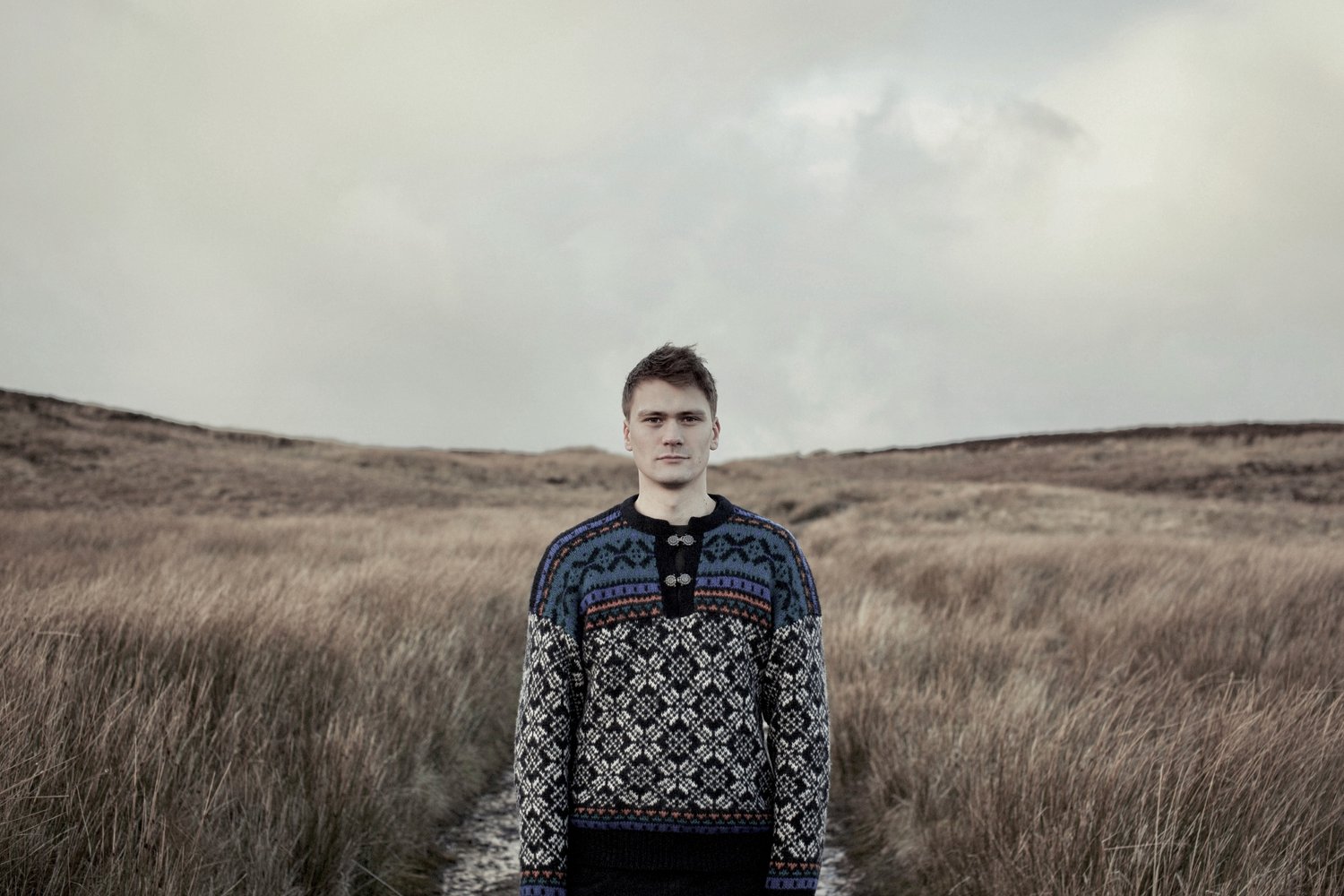
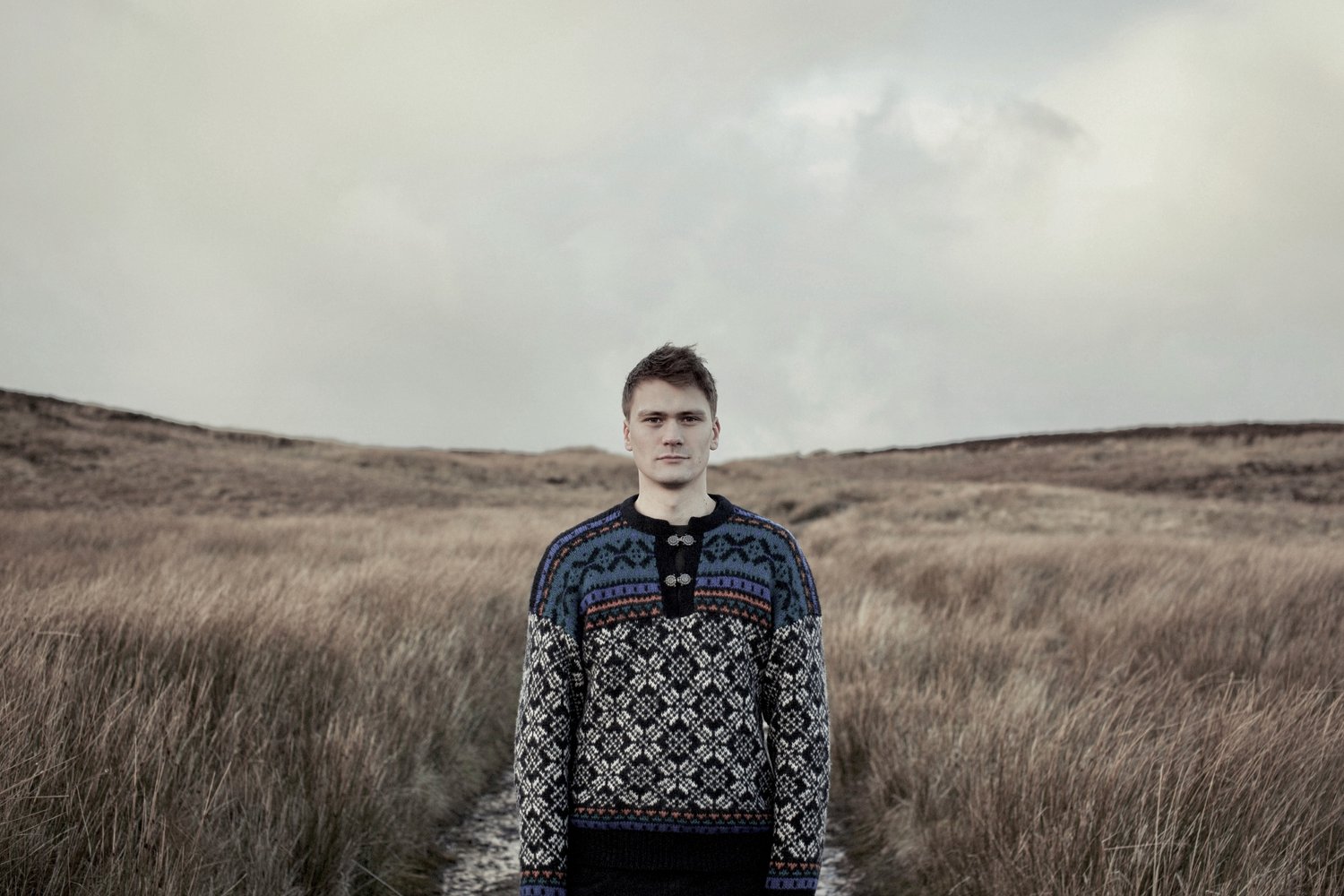
Merlyn Driver Interview Image by Louise Bichan
HAW: In musicology, the phrase ‘humanly-organised sound’ is often used to define music. This feels rather too simplistic to me but, nonetheless, it’s kind of a handy definition.
I’m very reluctant to assign the term ‘music’ to sounds made by other species and I can be rather skeptical of those who impose their conceptions of music onto the vocalisations of other species.
Tell me a bit about your first recordings or performances involving these sounds, please.
MD: I’ve long been inspired by the sounds of the natural world, but in the past few years I’ve been developing a specific ‘interspecies’ approach, and have tried to share this with others in Making Tracks.
Some of the songs on my upcoming debut album, for example, grew out of the sounds of other species or soundscapes from a particular location. In one case I recorded the sounds of greenshank (wading birds) at a Finnish nature reserve, and then slowly built up the song around those sounds.
So for this type of composition, non-human sounds provide the starting point and the initial parameters. It forces you into interesting places, which I enjoy.
Do you think that true creative collaboration between animals and humans, as has been attempted for example by artists like David Rothenberg, is possible? Are there any such collaborations you’ve engaged in or would like to try.
MD: That depends on how you define “true creative collaboration”!
But no, I don’t believe that I can collaborate with a horse or even a bird in the same way that I can collaborate with a human. I don’t think that is the point for me.
Interspecies communication is increasingly extended to plants as well. What are your thoughts on this?
MD: I think we need to be a bit careful, in various ways, with the word “communication” here! Transferring plant biodata into music is an interesting field, but whether it is ‘communication’ depends on your definition.
I also get a bit annoyed when composers are either lazy in failing to communicate that the plants themselves aren’t actually making music, or deliberately mislead because it’s helpful to them. Helen who took part in Making Tracks 2024, is especially good at communicating how her music comes about. I find her approach, which often aims not only to convert biodata into sound but also to create music that reflects the attributes of the plants, really refreshing.
Based on your thoughts, experiences, examples, or intuitions, do you think it is possible that examining animal signals will at some point lead to understanding and, eventually, communication?
HAW: Undoubtedly.
MD: For me interspecies music-making is about listening, not about having a two-way conversation. Some might think of the resulting music as a form of communication, but I don’t - not really. It might be music that could not have been made by one species alone, but that doesn’t mean that it constitutes ‘communication’ in the true sense.
What I believe is that interspecies approaches centred on listening can lead to improved understanding of other species - and that this can support appreciation and protection. It’s also a lot of fun, especially if you’re a nature lover!