Published
Part 1
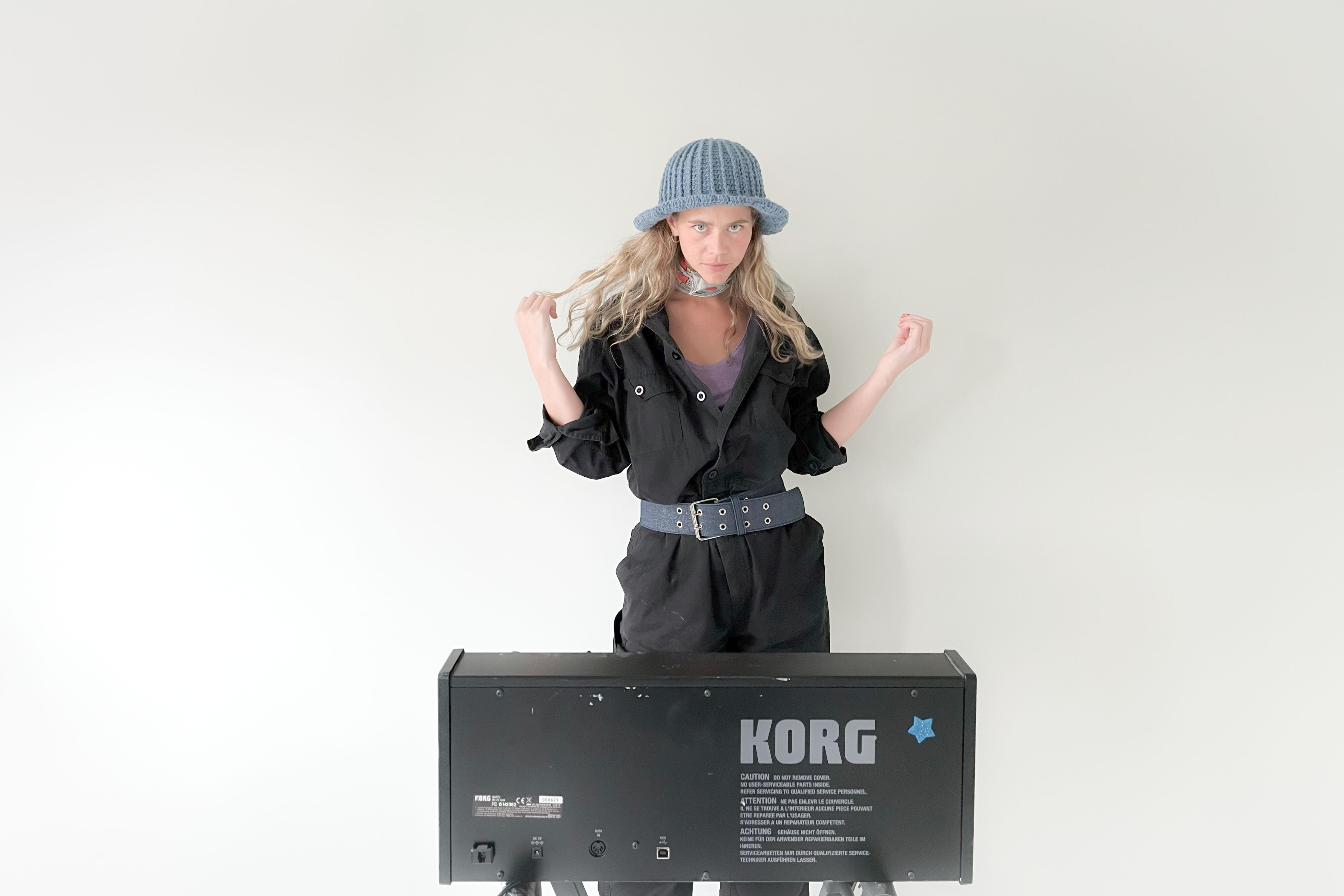
Name: Ida Stein
Nationality: Norwegian
Occupation: Singer, songwriter, producer
Current Release: Ida Stein's debut album Bring it On is out via Silver Shapes.
Recommendations for Sandefjord, Norway: In my hometown, I would recommend getting fish from the local fish shop «Brødrene Berggren» and sit at the harbour or at one of the beautiful beaches. When I have guests from Germany, they always go there. The fishing boat is standing right next to it, since I live in a little town with a fjord. I don’t do it enough myself, but it’s a go-to when you’re a visitor. Also, my hometown has an amazing old building that used to be a Kurbad, in the middle of the city, that is now a culture arena, Kurbadhagen, where I’m also booking concerts. It’s really beautiful there and a lot of amazing bands play - especially a big highlight if you’re a visitor in the summer.
I also want to add the local, old and amazing brewery, Grans Bryggeri. I actually shot parts of my coming music video there, and the building is amazing - very inspiring. So visitors also definitely have to try the local Grans beer.
If you enjoyed this Ida Stein interview and would like to know more about her music, visit her on Instagram, Facebook, and Soundcloud.
Where does the impulse to create something come from for you? What role do often-quoted sources of inspiration like dreams, other forms of art, personal relationships, politics etc play?
The impulse to create can come from various things.
Often strong feelings around something give me the urge to express myself - whether that’d be through singing, writing or producing. Already as a child I used singing for hours and hours everyday as my room for expression. Looking back I think I was also finding myself and my inner voice through that. Giving a lot of space for emotions and reflections. So it’s been a part of me through my whole life.
When it comes to making a song, it can definitely be a political motivation sometimes, but the final push in the studio is often connected to something personal in some way. And often those things go hand in hand for sure.
I can also get very inspired by reading, or hearing someone talk about their lives.
This album is shaped by chaos, vulnerability, struggle, and the question of whose voices are heard, but also by hope, and the strength to stand tall through the storm.
For you to get started, do there need to be concrete ideas – or what some have called a 'visualisation' of the finished work? What does the balance between planning and chance look like for you?
The process is very hands on for me most of the time.
It often starts with making a beat, either by myself or in collaboration with my boyfriend or someone else, and then I quite fast start singing and making lyrics in parallel. The production ideas can sometimes come super fast, and sometimes a song develops over years.
I definitely focus on song ideas that I feel, rather than sketches I hear can have a certain style or result in the end. I’ve tried that a few times, and it just doesn’t work. First and foremost you need to feel what you’re making. At least that’s how it is for me.
Is there a preparation phase for your process? Do you require your tools to be laid out in a particular way, for example, do you need to do 'research' or create 'early versions'?
If I want to make a song and make sure I stay in the zone, it’s important for me that I have everything I need. All cables, a notebook to write in, my coffee (of course) etc. If something’s missing during the session, it’s so easy to snap out of it, and it feels like you lose the idea sometimes. That’s really annoying, so better try to avoid that …
The best ideas often come intuitively, so for me I’ve realized that those sessions where I have all I need from starting the idea, not going in and out of the vibe, is where I capture the most magic recordings. Often in the very early stages of making the song even.
Sometimes ideas are also captured recording the first idea on the phone whilst walking somewhere, or half sleeping in bed.
Do you have certain rituals to get you into the right mindset for creating? What role do certain foods or stimulants like coffee, lighting, scents, exercise or reading poetry play?
Coffee is the most essential to me in my studio. Especially for the technical work, choosing takes, tweaking, mixing, etc.
But when I have vocal sessions - days where I know that I will try to record the final vocal takes for examply - I need to change that into tea, unfortunately. Other wise my vocal chords get too dry, and we don’t want that ;-)
For your single “It Doesn’t Matter,” what did you start with? If there were conceptual considerations, what were they?
I’m not quite sure how this one started to be honest. I do remember I felt quite vulnerable making the lyrics though. Felt like I was singing it to a friend, or to a younger version of myself. I collaborated with my boyfriend on this one, so he started on the synths, and we quite quickly had the rest coming together.
I had it lying in my projects folder for a long time. Then I had added some recordings from playing it live on stage in Norway, so the band I played with in this period are a part of the sound. I wanted to have some more organic elements in the mix, so I was really lucky to have some nice recordings from that concert. I finally finished the production and mix last winter.
For the album, the full concept became complete when the songs where chosen along the way. I’ve written many songs (for the next album) that just didn’t fit on this one.
Tell me a bit about the way the new material developed and gradually took its final form, please.
Bring It On is my debut album. I released several songs and a few EPs over the years in different collaborations, but I’ve had this strong feeling that I needed to be a bit more “ready” before doing my debut album. Whatever that means.
I lived in Germany for a while, whilst the musicians I played with at the time lived in Norway. Then, when I moved back to Norway, I needed some time to build my sound, and trust my own journey somehow. I slowed down a bit, and didn’t release music as fast as before.
I started writing down a lot of ideas, gathering demos and learning new things such as DJing and producing club music in a side project, and also booking and hosting a lot of concerts and club nights. It was almost as if I needed to go through all those different experiences as part of my creative path before I could make this album. I had a clear vision that I wanted to produce and mix it myself.
The songs gradually came together over several years. I tested some of them live at different venues and festivals, and kept reshaping and refining them. After a long period of making different versions, testing, trying, playing in different setups and doing a lot of recordings - and maaany mixes, whilst I was really just “learning by doing” - I finally felt ready to send it away to mastering last winter.
That was a surreal and emotional moment. A milestone for me.
What makes lyrics good in your opinion? What are your own ambitions and challenges in this regard?
For me lyrics are good if they hit me and make me feel something – whether they are poetic and open to interpretation, or brutally direct.
In my own songs, I’m drawn to imagery that is both personal and universal, because they can reflect inner states as well as collective experiences. Sometimes a song I’ve written takes on new meanings over time.
It can mirror different moments in my life, even if it was born from a very specific feeling or experience.
I love that fluidity, how lyrics actually can keep evolving, just like we do.
What are areas/themes/topics that you keep returning to in your lyrics?
I often find myself returning to themes around mental health, growth, inner struggles, fears, strength and hope. I’m drawn to the contrasts — the tension between darkness and light, vulnerability and strength. I also reflect a lot on questions about power structures and which voices are being heard, or silenced.
These things seem to find their way into the songs I write, amongst other themes.