Published
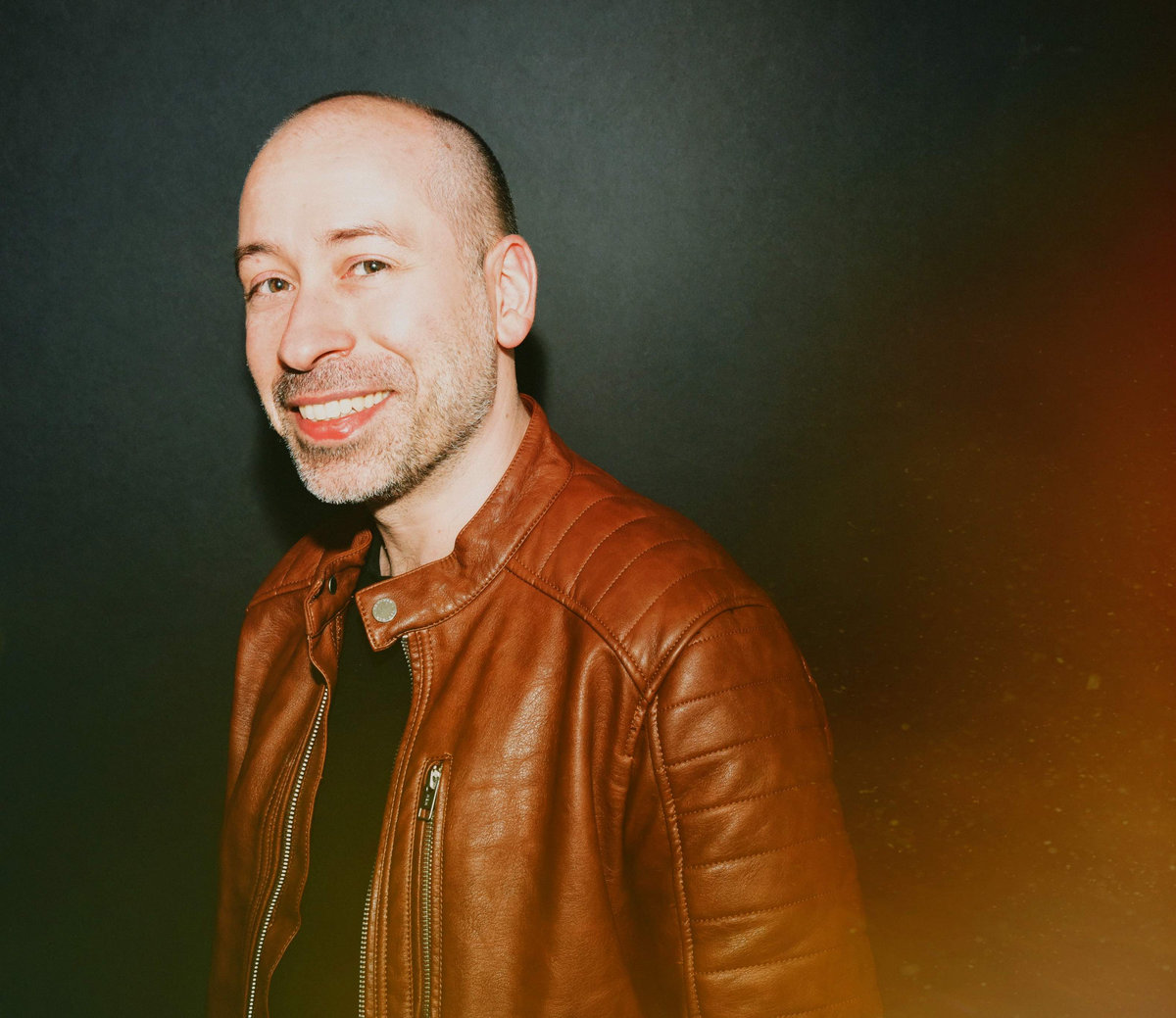
Name: Jerome Sabbagh
Nationality: French, NYC-based
Occupation: Saxophonist, composer, band leader, label founder at analog tone factory
Current release: Jerome Sabbagh's Heart, featuring Joe Martin on bass and Al Foster on drums, is out now on analog tone factory.
If you enjoyed this Jerome Sabbagh interview and would like to know more about his music, upcoming releases and live dates, visit his official homepage. He is also on Instagram, and Facebook.
For a deeper dive, read our earlier Jerome Sabbagh interview.
Can you tell me about the set-up to your new, upcoming album Heart, from microphones to the recording equipment?
We recorded all in a room at Power Station in New York, live to two track tape, in studio C, which is a great sounding room. James Farber did the live mix, and he’s amazing. We recorded to a custom tube Ampex 351 tape recorder and used 1/2 inch tape at 30 ips. It’s a very special machine that took two years and a lot of work to get right. We’re lucky to have it.
The saxophone microphone is a vintage Telefunken 251, which might be the best sounding microphone I’ve ever played into. We used a real EMT plate reverb. There was an AKG C24 on the bass (we only used half of that, as it’s a stereo microphone) and also an RCA 77, James blended the two. James used many microphones on the drums, and he really is a master at capturing the sound of the instrument with that many microphones, that’s not an easy thing to do. The main microphones for drums were Schoeps overheads. All the preamps are Neve 1073 clones.
There was also a stereo ribbon mic, an AEA R88, but we didn’t use that much of it. We set up in the room the way you hear the record.
I'd be curious to hear if you feel as though this project would have ended up differently had it not been approached with an “analogue philosophy.”
I could have recorded Heart exactly the same way to ProTools, and in fact, I did, as a safety, at 96/24. It’s exactly the same record, the same mix, it just doesn’t sound nearly as good to me.
As far as having an “analogue philosophy”, I would never record a jazz album with musicians in different booths, and do a bunch of edits. I’ve participated in records like that and I find that much harder. Why make it so hard to play music? If the musicians need to be in booths and do a bunch of edits in the computer to make it work, that just means the band isn’t ready to record this material, and probably shouldn’t.
Also, all this over-editing, like taking a line and moving it a tiny bit earlier or later … not only is it ethically questionable to me in the context of collectively improvised, interactive music. But it also sucks all the life out of the music. It’s like airbrushing people on the cover of magazines. It’s not real, and it sets a bad example.
A lot of the records we love, made by our heroes in this music, have some little imperfections. They are not any less amazing for it. In fact, they are in general much better records across the board than the records we make now.
The second release on atf was Vintage. The press release says: "Most musicians try to compose and record things that will stand the test of time. With Vintage, Jerome Sabbagh set out to [...] capture a fleeting, beautiful moment, forever." I was intrigued by that statement – what are the differences between these two positions?
When you set out to be very specific about recording certain material a certain way, it’s easy to lose spontaneity and to get stiff. If you allow the moment to happen, and keep an open mind, as opposed to trying to get to a certain thing no matter what, then the music has a better space in which it can happen. It might turn out different than expected, but it can be better.
On Vintage, my favorite songs are the duets with Kenny Barron.
I hadn’t even planned on recording them, it was drummer’s Johnathan Blake’s suggestion right at the session. On the contrary, I had written music specifically for that session, and some of it didn’t make it on the record. I didn’t think it all clicked as I wanted it too. But fortunately, other things did, so I went with that!
It’s like talking with someone: you can have a great conversation about anything, you don’t need to stick to one topic, and, in fact, it might work out to be more interesting if you don’t!