Published
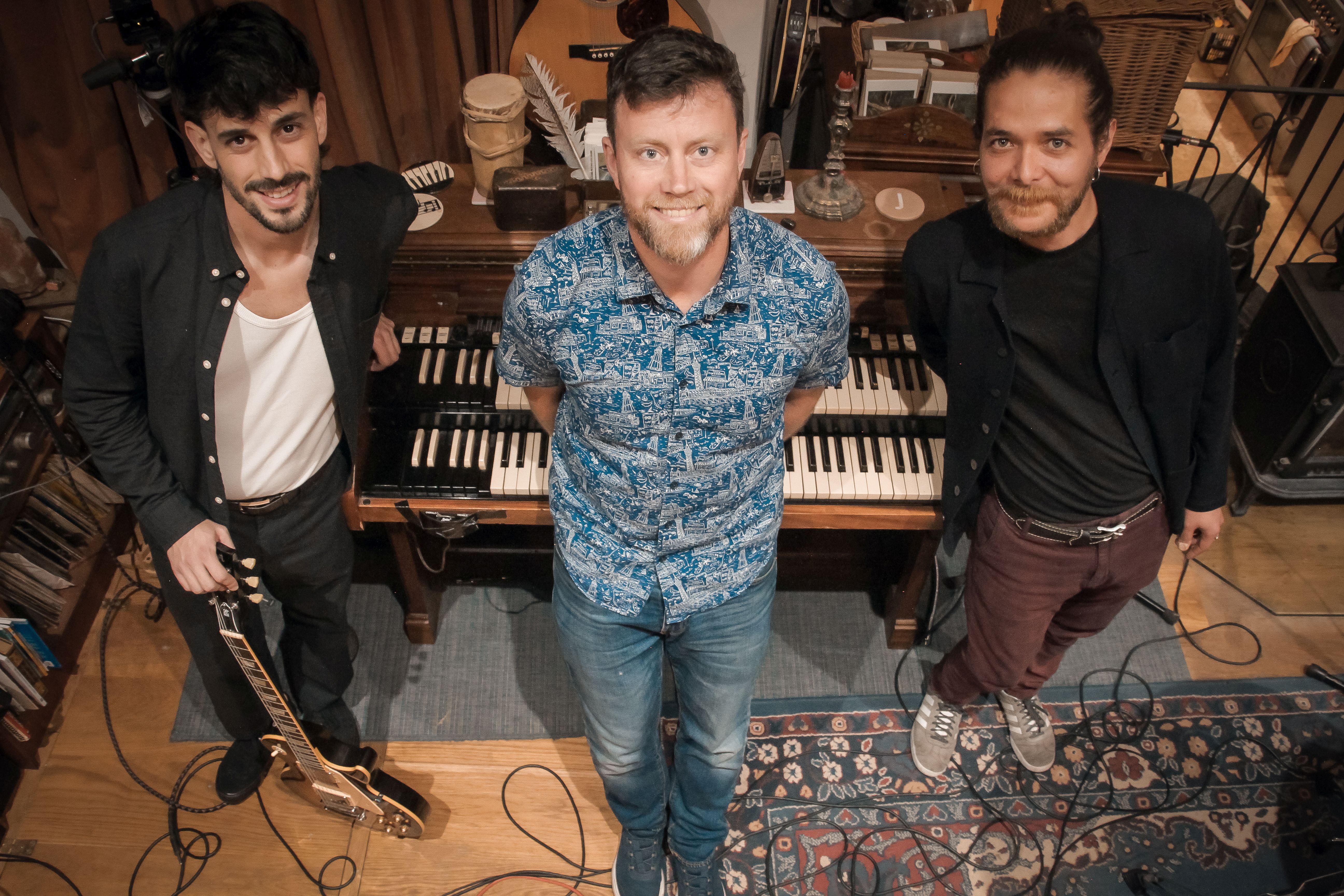
Name: Joe Tatton
Nationality: British
Occupation: Keyboard player, composer, improviser, producer
Current Release: Joe Tatton's Galáctico is out via Rodina.
Recommendations: The Art of Travel -Alain De Botton - A book on Philosophy for travellers! - found this amazing while on tour!
Mose Allison - "Hello There Universe" - my favourite singer piano player and quite a philosophical and witty song to go with the book!
If you enjoyed this Joe Tatton interview and would like to know more about his music, visit him on Instagram, and Facebook.
Do you think that some of your earliest musical experiences planted a seed for your interest in improvisation?
Yes I believe so.
Whether it's the very formative years (as a toddler strumming the strings of a guitar stood up in the house) or about 10 years later playing in my first band with friends at school and that feeling of spontaneously creating something - both were a seed for the instant gratification of making new sounds!
Tell me about your instrument and/or tools, please. What made you seek it out, what makes it “your” instrument, and what are some of the most important aspects of playing it?
Piano / organ - I love being able to tweak some harmony / create your own musical bedding. I started learning on cornet and trumpet but quickly realised I could write (or create harmony for improvisation) more easily on a keyboard instrument.
The Hammond Organ is great for creating some tension with the screaming sustained notes.
[Read our feature on the Hammond Organ]
How would you describe your own relationship with your instrument – is it an extension of your self/body, a partner and companion, a creative catalyst, a challenge to be overcome, something else entirely?
I would say out of all these things it is a creative catalyst for me.
I am often playing different instruments / rigs / sounds so it varies on what tones you may produce - hammond organ, old upright, rhodes, synth, new grand piano etc.
Derek Bailey defined improvising as the search for material which is endlessly transformable. What kind of materials have turned to be particularly transformable and stimulating for you?
A robust starting point for me - good chord sequence or a catchy hook will work in any form or style.
There's a test that we to see if this new song works as just a vocal line: listen to it as just a piano part from another room.
When you're improvising, does it actually feel like you're inventing something on the spot – or are you inventively re-arranging patterns from preparations, practise or previous performances? What balance is there between forgetting and remembering in your work?
I personally feel like re-arranging parts and patterns in response to either what other people are playing or what I’m planning in my head (could be inventing but usually is drawn from somewhere in memory).
Forgetting is important as I think that’s where new ideas are born when you can’t regurgitate the old stuff!
In terms of your personal expression and the experience of performance, how does playing solo compare to group improvisations?
I find playing solo more challenging and consider it on the spot composition and I personally find the process easier and more enjoyable bouncing off one another.
In your best improvisations, do you feel a strong sense of personal presence or do you (or your ego) “disappear”?
The latter - I always think you are lost when it is most enjoyed by you or your audience.
In a live situation, decisions between creatives often work without words. From your experience and current projects, what does this process feel like and how does it work?
I do not know how it works but it is a wonderful feeling: like being a passenger or even another member of the audience.
I think it is more likely to happen between performers who really know each other's playing very well - although not exclusively (in my experience anyway).
I have always been fascinated by the many facets of improvisation but sometimes found it hard to follow them as a listener. Do you have some recommendations for “how to listen” in this regard?
I, too, find it difficult sometimes. Although I’m getting better at it.
I think accepting that I dont have to understand everything and let it wash over you means it will be much easier to enjoy!
In a way, improvisations remind us of the transitory nature of life. When an improvisation ends, is it really gone, just like a cup of coffee? Or does it live on in some form?
I think it’s like a good conversation or a good joke - you’ll remember bits of it which you will replay in your mind or try and retell later.
So in that way it lives on.