Published
Name: Jonathan Moritz
Nationality: American
Occupation: Saxophonist, composer, improviser, educator, curator
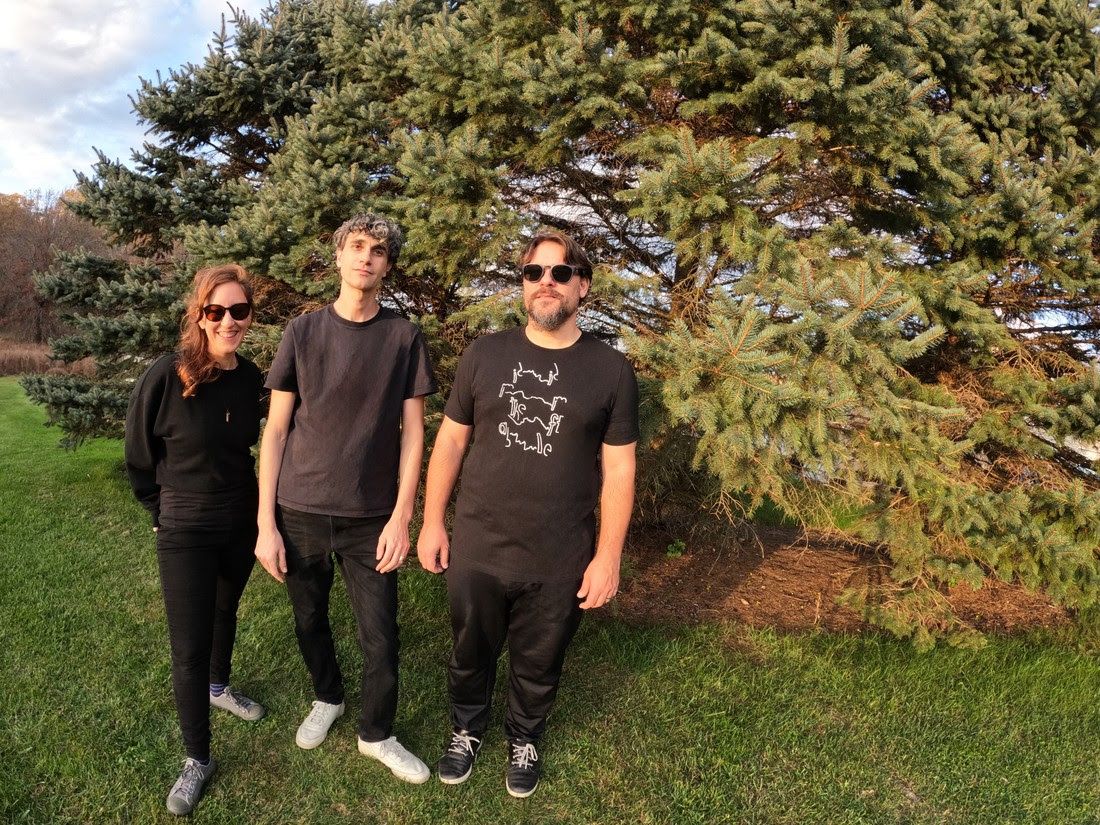
Current Release: Jonathan Moritz trio Secret Tempo, featuring Shayna Dulberger on double bass and Mike Pride on drums returns with their new album Love you to Death, out via Infrequent Seams.
Things I am passionate about but rarely get to talk about: Surfing. I can’t overstate how much it means to me. East Coast waves are fickle, but when I do get out there, even in the freezing New York winter, it resets me.
Surfing and music are incredibly similar. Both are meditative, both require presence, learning, and technique. Both push me, calm me, and help me stay in the moment.
If you enjoyed this Jonathan Moritz interview and would like to know more about his music, visit him on Instagram, and bandcamp.
What were some of the musical experiences that planted a seed for your interest in jazz?
In high school, I used to busk with friends on the streets of my hometown, Laguna Beach, and play house parties. They were all serious young musicians, way ahead of me, so I learned just trying to keep up. It was my first real experience playing jazz, leading a small combo, and learning by doing.
Another formative moment came during a three-month trip to visit my paternal family in Europe, which turned into a three-year immersion in jazz performance at the Brussels Conservatory.
The education there was intense, with high expectations and tough juries, but it got me to dive deep into the jazz tradition. I also discovered a strong, supportive, and close-knit jazz community.
Where do most of your inspirations to create come from—internal impulses or external ones?
Even though I’m deeply frustrated by the sociopolitical state of things, my musical drive comes from within. That said, I’m also inspired by long-term musical collaborations. I believe growth happens through sustained relationships with the people you love to play with.
Secret Tempo is a 20-year-old project and reflects my ongoing research into composition that balances structure and openness, tradition and exploration. We operate democratically, often letting compositions unravel into improvisation, focusing on the tension between form and freedom.
Outside of human connection, nature is a huge inspiration. Slow down a bird call by 200 percent, and you might hear one of the deepest melodies imaginable. The natural world teaches me new phrasing, textures, and forms—things far more inventive than anything I could write.
What kinds of materials, ideas, and technologies are particularly stimulating for you?
As an improviser, I’m deeply committed to acoustic sound and fascinated by how the conical bore of the saxophone allows for an incredibly wide palette of tones beyond traditional notes. What excites me is how to use the saxophone in unexpected ways.
The study of the early jazz era, through working on my sound, improvising, and learning the history, has also been all-consuming. Sidney Bechet’s emotional sound in the first notes of "Summertime" ...
... Hawk’s harmony in his unprepared solo on "Body and Soul," ...
... the vibrato of Benny Carter, and the virtuosity of Jimmy Dorsey all greatly inspire me.
What are the key ideas behind your approach to improvisation?
My main goal is to mix traditional playing with using the instrument in an unconventional way: multiphonics, percussive pops, flutter tonguing, sine wave–like high notes, or the bubbling sound that happens when I tilt the horn to trap spit in the mouthpiece.
I use one preparation: a flat suction sink stopper, or sometimes my calf, to seal the bell. Once closed, a whole new range of sounds opens up. Pressure can make keys flutter and release bursts of air, creating surprising sonic effects.
Tell me a bit about the sounds and creative directions, artists and communities, as well as the colleagues and creative hotspots of your current hometown.
I live in Brooklyn and for the past 20 years have hosted a monthly house concert series at my place, called The Prospect Series.
It features mostly experimental and improvised sets across a wide range of styles. It’s my way of contributing to the scene and staying connected beyond my usual musical circles. You can check out the series on Instagram, too many great musicians to name just one or two.
There are also many other great concert series around town, like Big Bar, which hosts a summer garden series in the city co-curated by Mike Pride and Stefan Rak, or Sam Weinberg’s ongoing residency at Sisters in Brooklyn.
What have been some of the most fruitful collaborations for you recently, and what approaches currently work best?
Some of my most meaningful recent collaborations include my duos with longtime friends Chris Welcome and Mike Pride, my collective trio with Carlo Costa and Sean Ali, and my early jazz work with Chris, Shayna Dulberger, and Mike Noordzy.
The process for the duo album with Chris was totally new for me. We recorded 20-minute solo sets separately, without hearing each other’s parts beforehand, and then layered them on top of each other. The results are unreal, it sounds like we’re playing live together.
With Mike, the best things happen informally. In our duo By the Stream, for example, includes the sounds of our kids playing in the background.
My trio with Sean and Carlo is a very different process. It has pushed me out of my comfort zone, sometimes only playing a few notes to contribute to a drone. The music emerges from agreed-upon constraints and rules.
Playing with the High Standards Trio, an early jazz group focused on the music of the 1920s, every week for four years has been deeply meaningful. The regularity of the gig and the period-specific repertoire push me to go deep, doing research, discovering new musicians, and finding obscure songs to learn.
Staying in that state of discovery and eagerness, and sharing it with the other two musicians adds a lot of joy to my week.
Jazz has always had an interesting relationship between honoring its roots and exploring the unknown. What does the balance between these two poles look like in your music?
My music lives in the tension between respecting tradition and pushing boundaries. I try to weave the swinging, structured feel of early jazz and standards into a wider world filled with dense textures, nature-inspired sounds, and microtonal explorations.
While my band might be labeled jazz, I like to let different musical vocabularies coexist, creating a space where tradition and innovation push against each other in creative tension.