Published
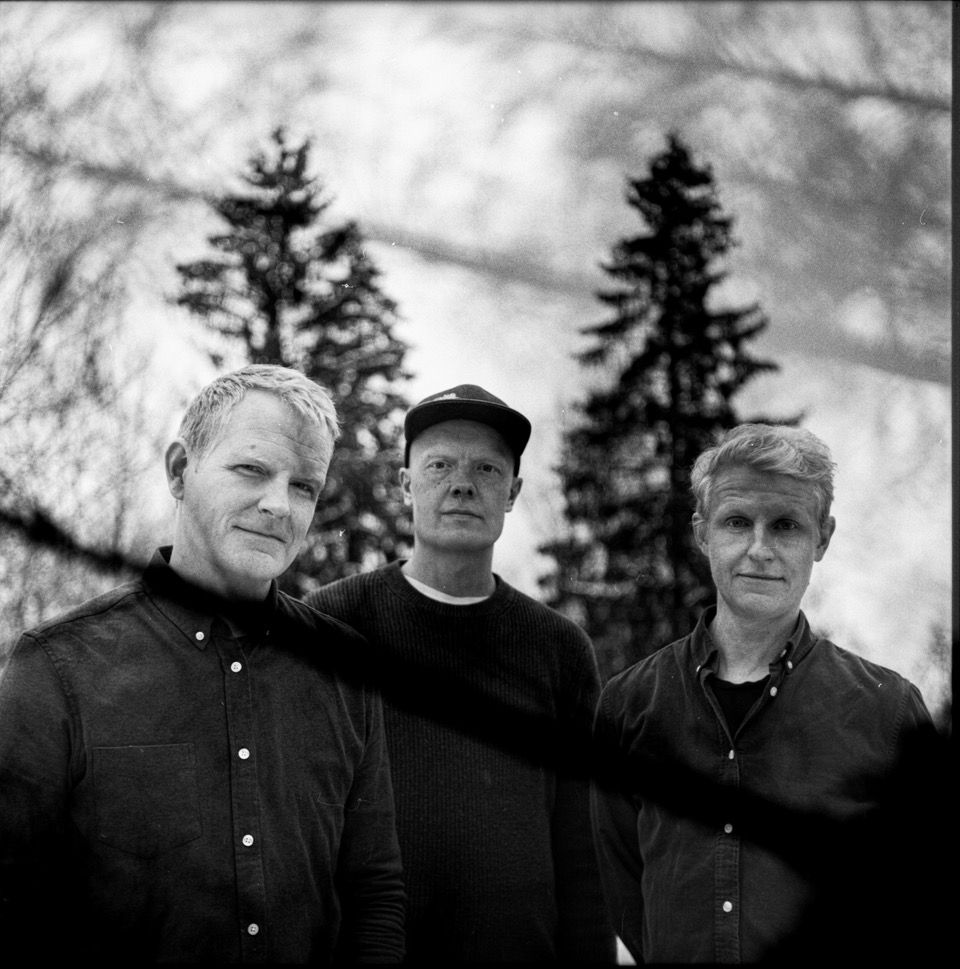
Name: Joona Toivanen
Nationality: Finnish, lives in Sweden
Occupation: Composer, pianist, improviser, educator
Recent release: The Joona Toivanen Trio's new album Gravity is out via We Jazz.
Topic I am passionate about but rarely get to talk about: If I connect something from our long-term work with the trio to a more recent passion, it would be sourdough bread. Like many others, I started experimenting with it during the pandemic, slowly learning how to bake a decent loaf. In fact, I even brought some sourdough starter to a studio session once, and we baked bread together.
In a way, the Joona Toivanen Trio is a bit like sourdough—we can rest for long periods, but as soon as we "feed" the band with rehearsals and performances, it comes back to life, bubbling with energy again.
If you enjoyed this interview with Joona Toivanen and would like to stay up to date with his music, visit his official website. He is also on Instagram, bandcamp, and Facebook.
For a deeper dive, read our earlier Joona Toivanen interview.
When did you first consciously start getting interested in musical improvisation? What was your first improvisation on stage or in the studio, and what was the experience like?
I became interested in improvisation at an early age. My piano teacher introduced me to some boogie-woogie and blues patterns, and I loved jamming on a C blues scale. I must have been around nine or ten at the time.
I played a variety of piano music—classical, pop, jazz, and blues—but it was jazz and improvisation that really captivated me. Later, in my teens, I studied at a local music academy in Jyväskylä, Finland, under Matti Laukkanen, who has taught many renowned Finnish jazz pianists.
With the trio, we started writing our own tunes quite early on. One of our first compositions, ”Numurkah,” came about when Olavi Louhivuori (our drummer) and I were jamming during a high school break—Olavi on double bass and me on piano. He came up with a bass riff, and I improvised a simple melody over it.
The tune stayed in our live repertoire for years and had a very open structure, making it great for free improvisation and reinterpretation.
Tell me about your instrument and/or tools, please. What made you seek it out, what makes it “your” instrument, and what are some of the most important aspects of playing it?
I’ve played piano since I was seven. I think what drew me to it was its orchestral nature—the ability to create harmony, melody, and rhythm simultaneously. I’ve always been interested in composition, and the piano is an incredible tool for that.
I suppose I’m someone who balances between structure (theory, form) and freedom (improvisation, spontaneity), and the piano allows me to explore both worlds seamlessly.
How would you describe your own relationship with your instrument? Is it an extension of yourself, a companion, a creative catalyst, a challenge to be overcome, or something else entirely?
My relationship with the piano is deeply tied to sound and feel. It fascinates me how, despite all the mechanical parts between the fingers and the strings, there can still be such an immediate connection to sound.
It’s also amazing how different pianists can sound so distinct on the same instrument, even though they never physically touch the parts that produce the sound. This mystery has always intrigued me, and I’m constantly working to expand my sonic palette. I’ve also explored prepared piano techniques to find sounds that resonate with me musically.
More recently, I’ve started sampling my own piano sounds and incorporating samplers and effects into my playing, which has added a new dimension to my approach.
Derek Bailey defined improvising as the search for material that is endlessly transformable. What kind of materials have turned out to be particularly transformable and stimulating for you?
I find that simple yet strong motifs or rhythmic ideas tend to be the most flexible. Something as basic as a small melodic fragment, a specific interval, or even a rhythmic pattern can take on countless variations.
I also enjoy working within certain self-imposed limitations—restricting my playing to a specific register, a particular type of articulation, or a set of pitches.
These constraints often lead to unexpected discoveries and transformations.
Do you feel as though composition and improvisation have unique qualities that set them apart? Are there results that could only happen through one and not the other?
The recording process for our Gravity album speaks to this idea. We didn’t enter the studio with a concrete plan—most of what we recorded were free improvisations, though often within certain frameworks.
For some tracks, we imposed specific rules: Tapani could only play harmonics with the bow ("Zero Gravity"), Joona could only play one note at a time with intervals larger than a fifth "(Maybe in the Future"), Olavi was limited to low toms, bells, and glockenspiel ("In the Past"), and so on.
We also kept our takes short—just a couple of minutes—creating an illusion of composition, even though the pieces were never rehearsed. Some tracks, such as “Rotating Dust,” were entirely improvised without guidelines ...
... while others were composed and arranged in the studio (“Gravity”).
When you're improvising, does it feel like you’re inventing something on the spot, or are you creatively re-arranging patterns from preparation and past experience? What balance is there between forgetting and remembering in your work?
"Inventing" is a strong word—I think true invention is rare in music. More often, it's about creatively reworking existing ideas. The more tools you have at your disposal and the better you know how to use them, the freer you become in expressing yourself.
Pushing yourself to the edges of your comfort zone—or even beyond it—helps develop the ability to improvise in a wide range of situations. The best moments often come when you stop thinking about technique and just respond instinctively to the music.
Artists from all corners of the musical spectrum emphasize the importance of freedom in creativity. What defines freedom in your improvisations?
I often find that having some limitations actually makes me feel freer. A defined framework—whether it's a musical direction, a tonality, or a specific feeling—can help focus my creativity.
When improvising within a "free jazz" concept, I sometimes create my own restrictions, such as limiting myself to a certain register, set of pitches, sounds, rhythms, or intervals. I find this approach often leads to deeper exploration than simply having infinite options. As Igor Stravinsky put it in Poetics of Music:
"My freedom will be so much the greater and more meaningful the more narrowly I limit my field of action and the more I surround myself with obstacles. Whatever diminishes constraint diminishes strength. The more constraints one imposes, the more one frees oneself of the chains that shackle the spirit."
Taking your recent projects, releases, and performances as examples, what, would you say, are the key ideas behind your approach to improvisation?
The recent live concerts with Joona Toivanen Trio are very much based on improvisation. Or free improvisation, you could probably say. Although we do agree on some structures and forms. We usually decide how to start and end a set, and we have sounds, patterns, and common ideas that we can throw in.
And a huge amount of old tunes that can be referred to, but nowadays we approach them a lot freer than we used to. Maybe that’s because we don’t remember how to really play them anymore!
In your best improvisations, do you feel a strong sense of personal presence or do you (or your ego) “disappear”?
When playing freer concerts, I often have a watch to keep an eye on.
Say, we’re supposed to play a set of 60-70 minutes at a festival. On a good night, I might look at the watch and notice we’re already 50 minutes in the concert, although we’re still playing one single flow of music without interrupting. On the other hand, a gig with a different focus, we might run through 6-7 ideas in a shorter time, and the improvisations are more scattered.
I’m not saying one or the other is necessarily better music, but the sensation on the bandstand is different when you lose track of time, and the ideas just carry themselves.
In a live situation, decisions between musicians often happen without words. How does this process feel, and how does it work in your projects?
When playing with a band that performs regularly, there’s a lot of communication outside of the gigs—discussions about past performances, what worked, what could be improved, and the direction we want to take.
During a concert, though, it's about entering a shared creative zone. With my trio, we sometimes play entire shows without even looking at each other—just listening and reacting.
When that level of connection is there, the music can take on a life of its own.
Stewart Copeland said: “Listening is where the cool stuff comes from. And that listening thing, magically, turns all of your chops into gold.” What do you listen for?
I try to listen beyond just my own playing—I focus on the entire soundscape. It’s like hovering above the music, observing what it needs. Does it call for silence? Should I blend in? Should I introduce contrast?
I also love when sounds merge in unexpected ways—when it’s hard to tell who’s playing what. That kind of interwoven texture is something I strive for.
In a way, we improvise all the time. In which way is your creative work feeding back and possibly supporting other areas of your life?
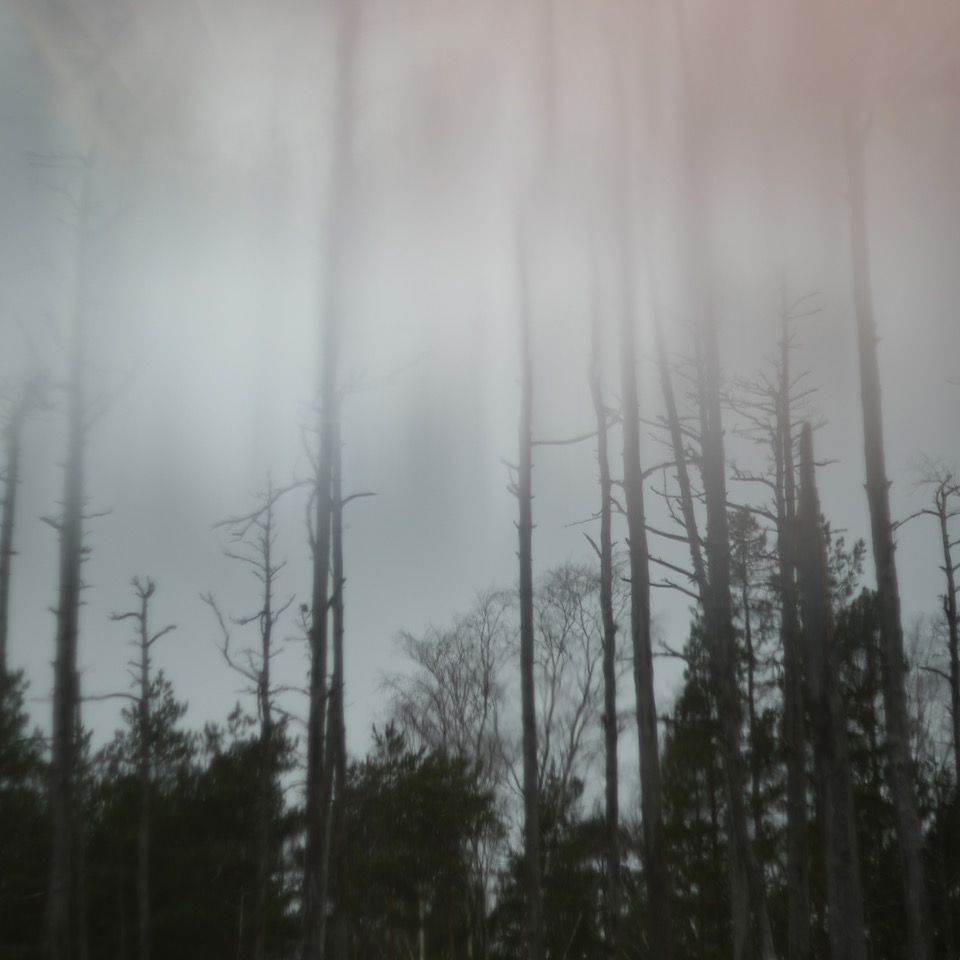
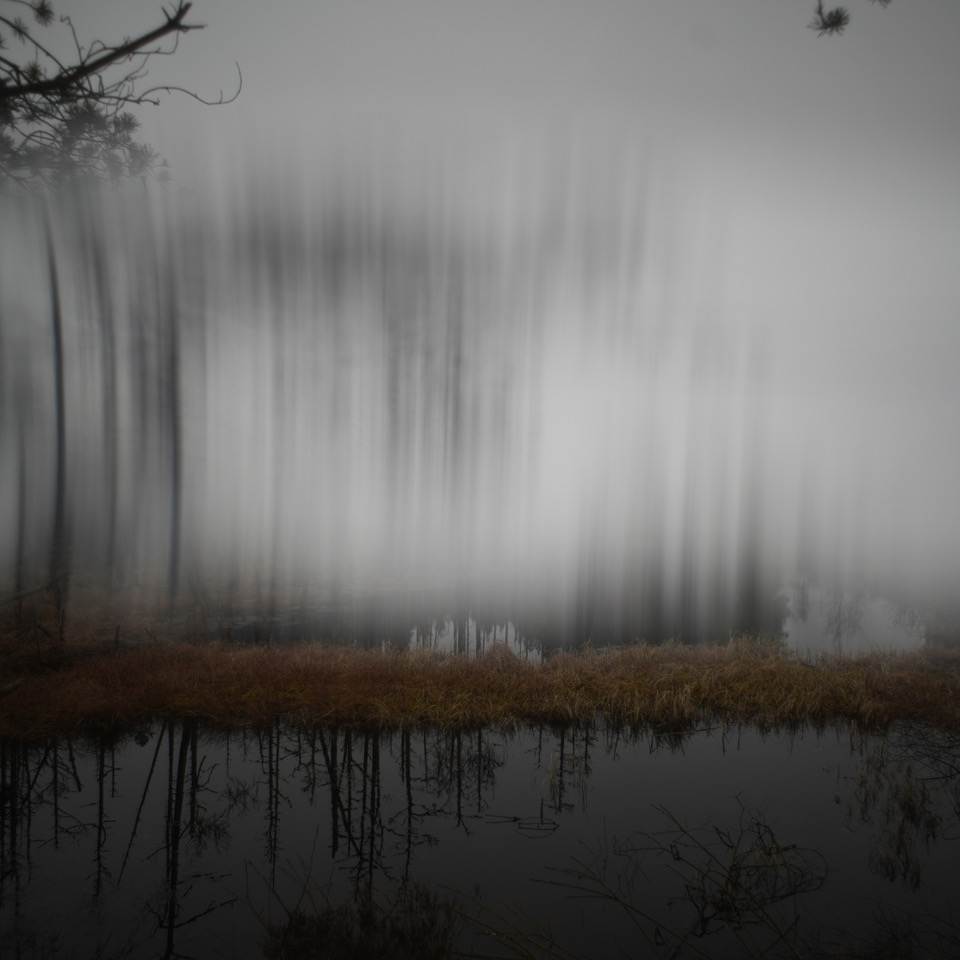
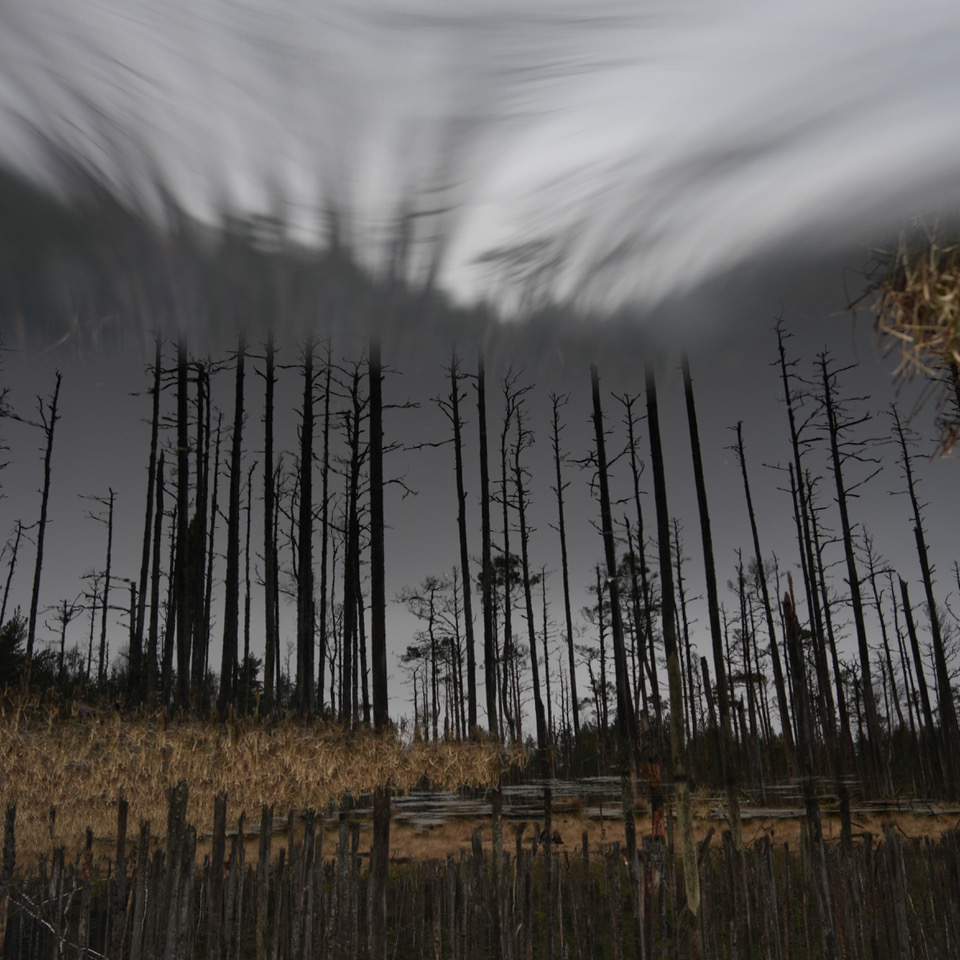
I do a lot of photography, and I see a lot of similarities with that and improvised music. As with acoustic music that can be mangled with extended techniques (prepared piano, etc.), also light can be bent with objects, different lenses, and mirrors.
I did a photoshoot for the Gravity cover and wanted to try something new. I got some glass sticks, cardboard mirrors, magnifying glasses, etc., that I held in front of the camera lens. The location is a small pond/marsh quite close to where I live. A trail running track passes the spot, and I’ve many times thought of taking photos there.
[For examples of this session, see the sidebar at the top of this interview]
The Gravity cover was a great opportunity to spend a few hours with the camera and other gear to improvise with.