

Name: Jules Ahoi
Nationality: German
Occupation: Singer, songwriter
Current Release: Jules Ahoi's MAGNOLIA (The Bauhaus Tapes) is out now.
Recommendations: Check out Achim Freyer and Albert Oehlen at Berlin Art Week. And if you ever feel lost in how to cope with the world, read Rosa Luxemburg’s Letters from Prison – a wonderful, though tragic, but still hopeful book.
If you enjoyed this Jules Ahoi interview and would like to know more about his music, current live dates and upcoming releases, visit his official homepage. He is also on Instagram, Facebook, and tiktok.
Where does the impulse to create something come from for you? What role do often-quoted sources of inspiration like dreams, other forms of art, personal relationships, politics etc play?
I know people who claim to have dreamed entire books or albums – unfortunately, that’s not the case for me.
But what often happens is that I wake up with a faint echo of a melody in my head. When I grab my guitar and play until I can capture it, it usually leads to great results, and many of my songs have come about that way.
I don’t have a specific trigger for writing songs – I’ve always done it for as long as I can remember. It’s a way for me to express myself, especially on topics where I might otherwise struggle to find the right words. It feels completely natural to me.
For you to get started, do there need to be concrete ideas – or what some have called a 'visualisation' of the finished work? What does the balance between planning and chance look like for you?
I find the question really interesting because, in fact, I’ve always had a clear idea of how an album should sound, how an image or a print should look, or what a text should express. The vision is key to the outcome.
And not just in art – I believe you also need a certain vision for your life and how it could unfold. I often think of it like the work of a sculptor: they don’t just grab a block of stone and start chiseling away until a human figure appears. It has to be planned; you need to know the material, your skills, and allow yourself the space to grow with your work and even to fail.
Because the object, the statue, the core message, the image – it’s already there; you just have to bring it out of the material. And while that might sound simple, it’s the hardest thing in the world to live up to your own vision.”
Is there a preparation phase for your process? Do you require your tools to be laid out in a particular way, for example, do you need to do 'research' or create 'early versions'?
It really depends on the song (in this specific case). A song like ‘Icarus’ takes me weeks, because first I need to fully immerse myself in the mythology to make the story my own.
I have to dig out the thoughts and feelings that I’ve locked away somewhere, and I know it’s going to hurt to write about my father’s death. I have to put myself in the role of a father in the future to give my son something to hold on to—that’s not something you just write down quickly.
It’s a process. A process that’s part of healing!
Do you have certain rituals to get you into the right mindset for creating? What role do certain foods or stimulants like coffee, lighting, scents, exercise or reading poetry play?
I get up every morning at 6 a.m. (often earlier), make myself a coffee, and sit down at my desk to write, draw, or make music. I love it when the world outside is still quiet and the people around me are asleep—I’m definitely a morning person.
I also believe that discipline is one of the most important components of being an artist. You can’t do it without discipline. You can learn anything, especially developing an artistic perspective on the world, but it takes a lot of time and a strong will to work on yourself.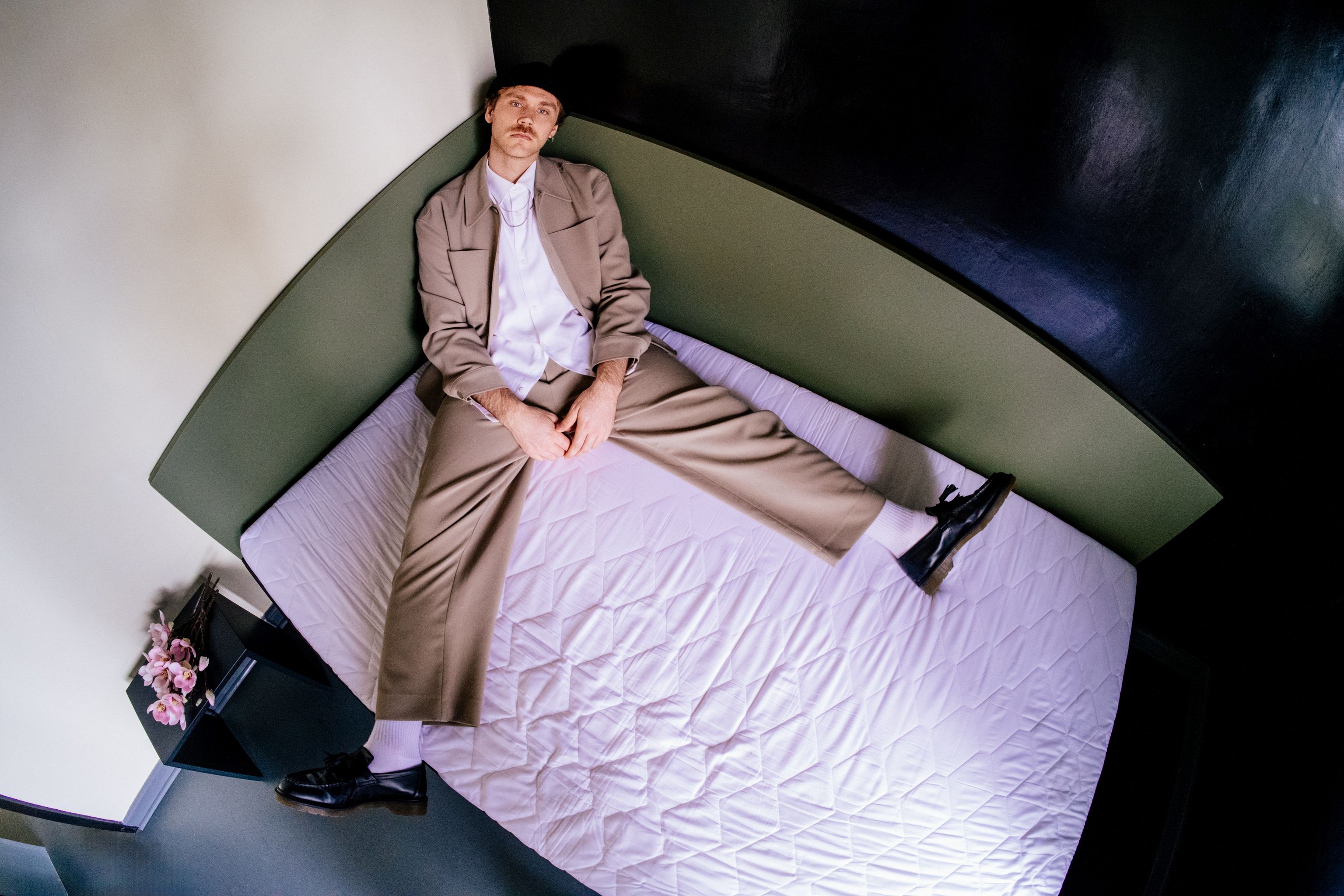
Jules Ahoi Interview Image by Frederike Wetzels
Your environment is, of course, crucial for this as well. I once wrote my entire album Echoes in my old VW van while traveling through France and Spain.
Later, when we went to the studio to record the album, I just couldn’t get into the right mood. My vocals sounded completely off and sterile. So, we parked the van in front of the studio window, ran the microphone cables through the window, and I recorded all the vocals sitting in my van. It worked.
What do you start with? And, to quote a question by the great Bruce Duffie: When you come up with a musical idea, have you created the idea or have you discovered the idea?
Always with the text. For that reason, I wouldn’t necessarily call myself a musician—I’m a writer.
What makes lyrics good in your opinion? What are your own ambitions and challenges in this regard?
I try to appeal to the innermost feelings of the listener with my lyrics. Sometimes I receive messages from people telling me that my music has helped them through tough times – that’s the greatest compliment anyone can give me because it means they can connect with the content.
When a connection forms between me and complete strangers, isn’t that the most magical thing there is?
Many writers have claimed that as soon as they enter the process, certain aspects of the narrative are out of their hands. Do you like to keep strict control or is there a sense of following things where they lead you?
As I mentioned earlier, I believe you need a certain vision to create art. But at the same time, you shouldn’t approach it too rigidly, because I think the greatest magic happens when you manage to just ‘let it flow.’
It’s almost like a ‘flow’ state. When that kicks in, you know you’re on the right path. Sometimes it feels like you wake up and the work is done – it’s like a rush, at its best.
When you're in the studio to record a piece, how important is the actual performance and the moment of performing the song still in an age where so much can be “done and fixed in post?“
I love it when songs sound ‘unfinished.’ I often leave artifacts like background noise, sirens, cars passing by the window, string buzzing, finger sounds, chair creaks, and so on, right there on the track and try not to fix too much.
For me, it’s always about creating atmosphere, and I feel that these small, maybe subconsciously perceived sounds create spaces where you can feel comfortable.
Once a piece is finished, how important is it for you to let it lie and evaluate it later? How much improvement and refinement do you personally allow until you're satisfied with a piece? What does this process look like in practice?
Nothing is ever really finished, and it’s almost never the case that I’m satisfied with a piece. It’s always a process, a showcase, a snapshot of a certain state of mind … but never a finished product.
What's your take on the role and importance of production, including mixing and mastering for you personally? In terms of what they contribute to a song, what is the balance between the composition and the arrangement (performance)?
While working on my new album MAGNOLIA (The Bauhaus Tapes), which I produced myself, I had to learn a lot about these things. I believe that composition and arrangement need to be considered equally; one should not overshadow the other.
At the same time, I find it disappointing when songs sound overproduced and lose the rough edges that give the ear something to hold onto. They just slip away. I try to preserve the song’s originality during production and allow the composition space to unfold. Sometimes it works better, sometimes less so.
I think there are many aspects of the new album that a professional producer would handle differently, but this is how I did it.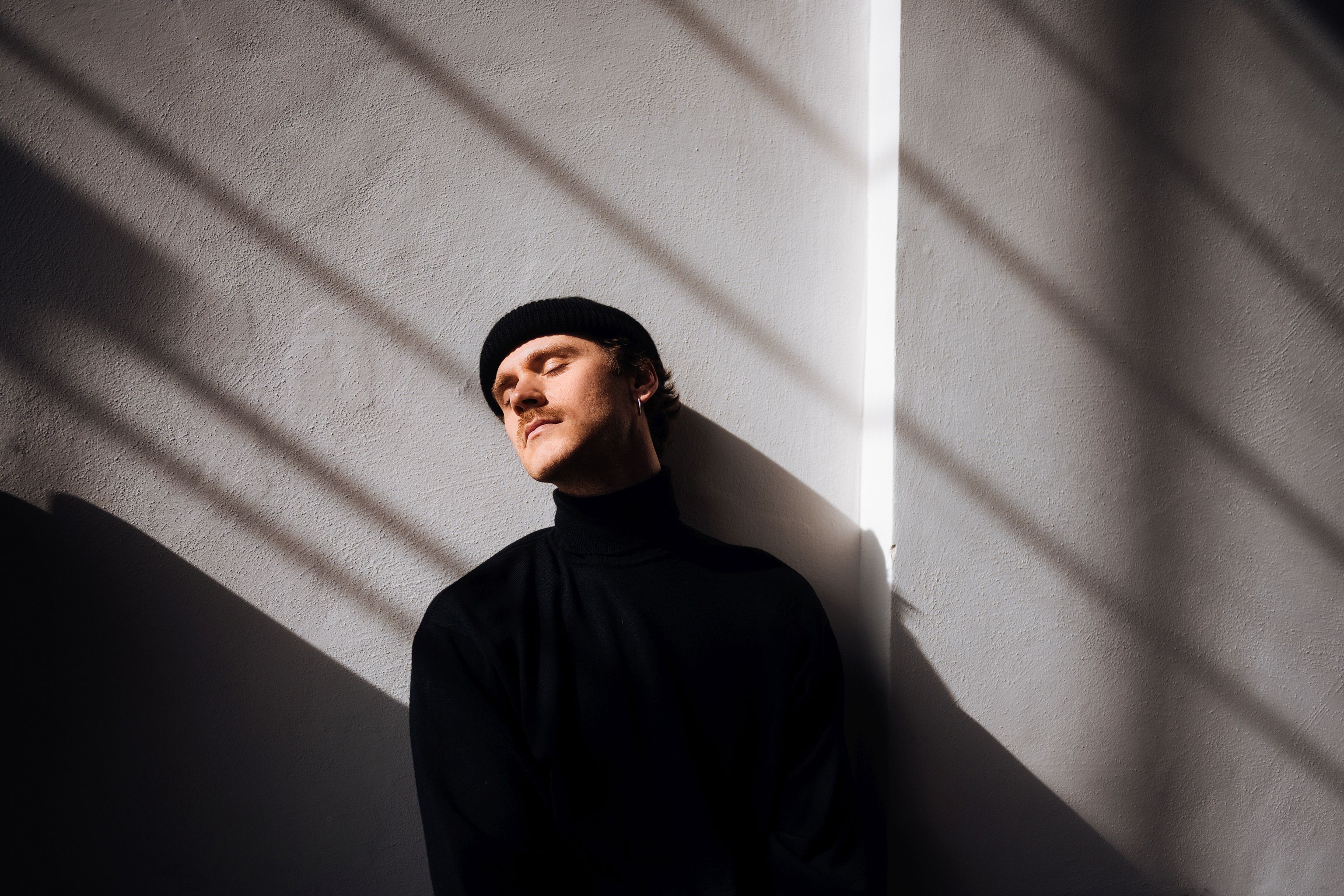
Jules Ahoi Interview Image by Frederike Wetzels
After finishing a piece or album and releasing something into the world, there can be a sense of emptiness. Can you relate to this – and how do you return to the state of creativity after experiencing it?
Honestly, no, because I just keep going. I have so many stories and images in my head that I feel if I didn’t let them out, I’d be more likely to burst than fall into a void.
Often, even while producing an album, I’ve already scribbled so many ideas, notes, or completed songs that theoretically, I could jump straight into the next record.
Music is a language, but like any language, it can lead to misunderstandings. In which way has your own work – or perhaps the work of artists you like or admire - been misunderstood? How do you deal with this?
When you release an album, it’s out in the world. What people do with it is up to them.
That’s how it is with art. I believe that once you start explaining your work to people, you might as well stop.
Creativity can reach many different corners of our lives. Do you personally feel as though writing a piece of music is inherently different from something like making a great cup of coffee? What do you express through music that you couldn't or wouldn't in more 'mundane' tasks?
Music helps me deal with things for which I lack words in everyday life.
I’m not someone who talks much or lives out my life on social media. Music is my plug in the bathtub.

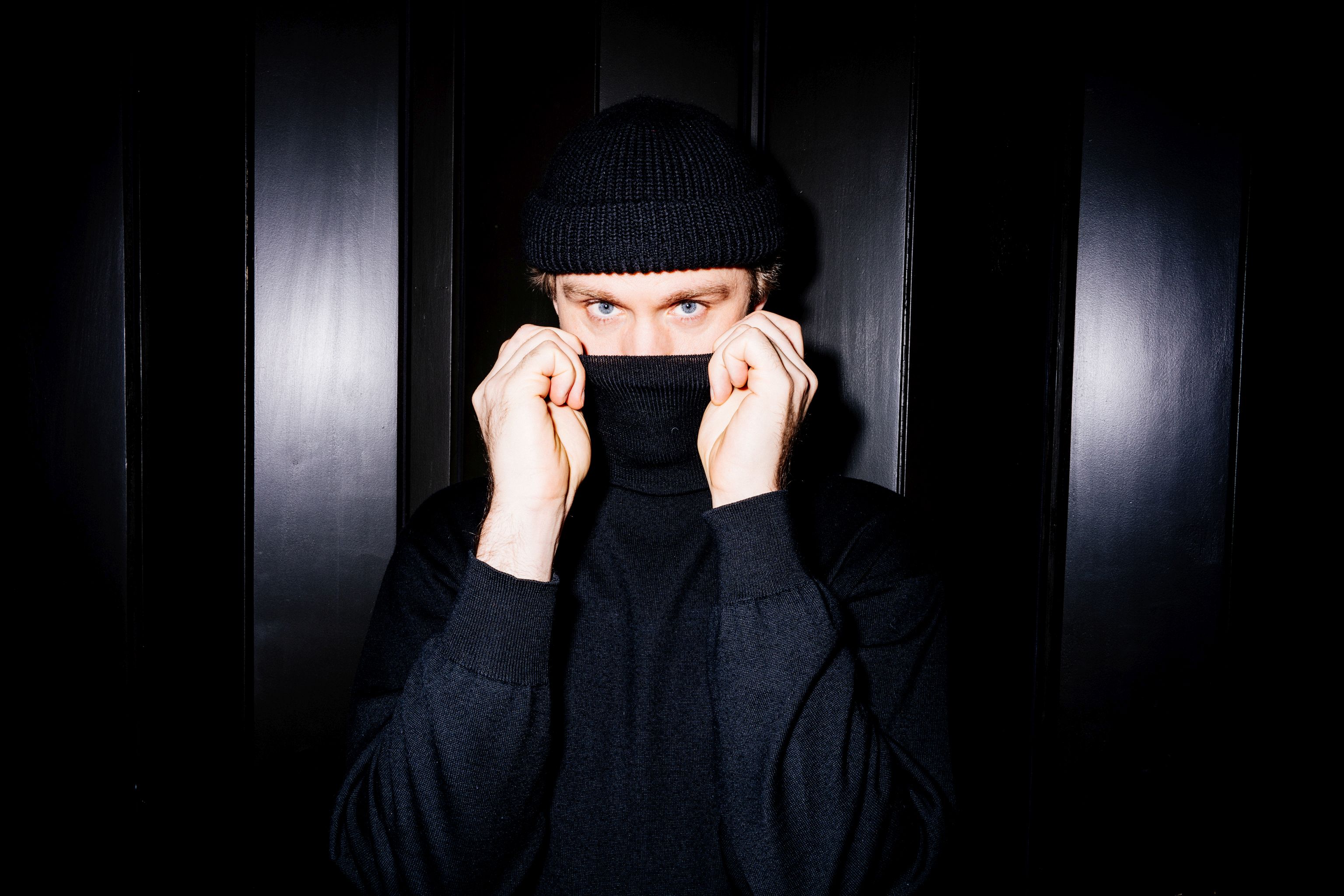 Jules Ahoi Interview Image by Frederike Wetzels
"Discipline is one of the most important components of being an artist."
Video
