Published
Name: Julius Gawlik
Occupation: Composer, saxophonist, improviser
Nationality: German
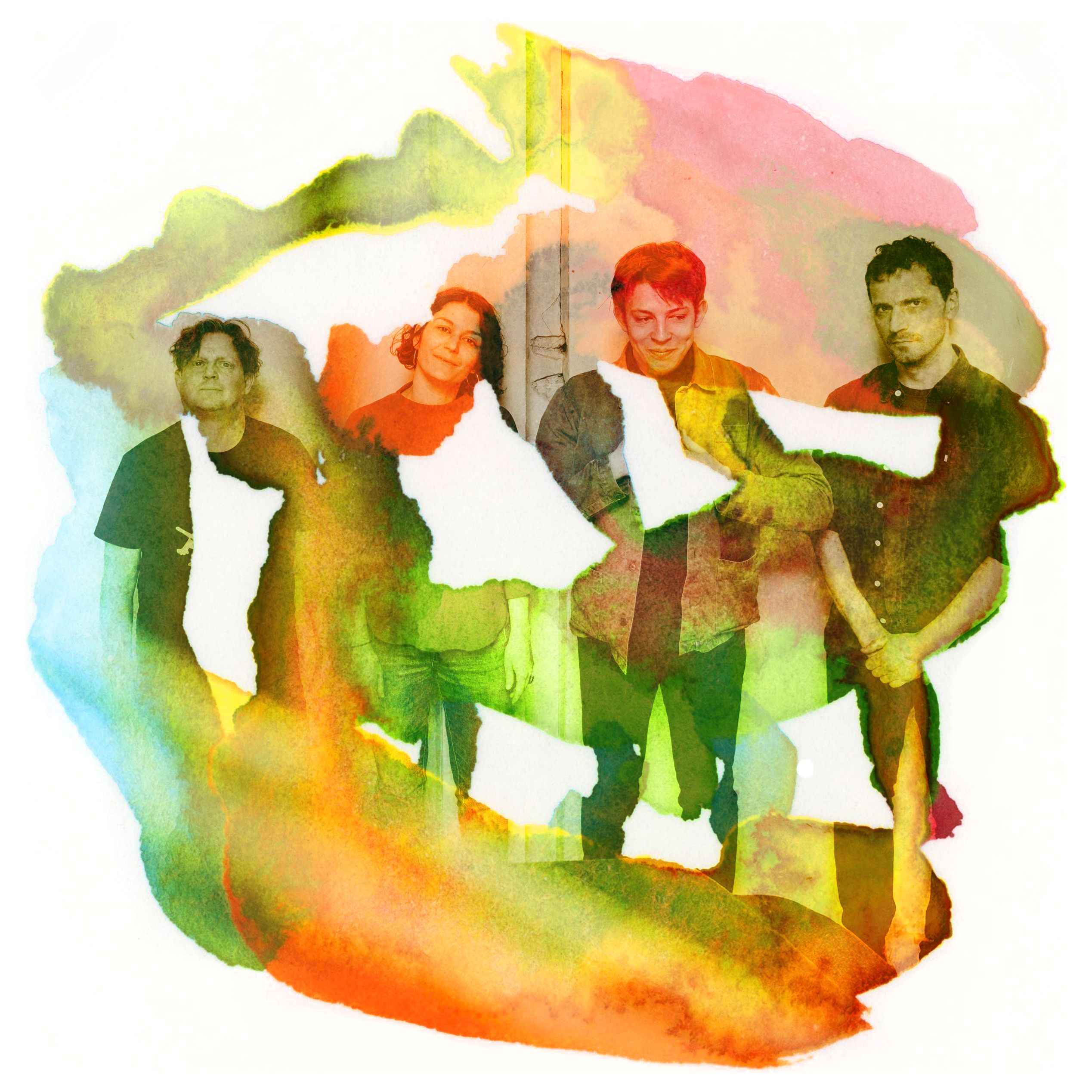
Current release: Julius Gawlik's new album It's All in Your Head is out via unit. Alongside Julius on saxophone and clarinet, it also features Evi Filippou on vibes and percussion, Phil Donkin (double bass) and Jim Black (drums).
Recommendations for Berlin, Germany: While I just moved to New York I would like to use this chance to endorse my absolute favorite place for Lebanese food in Berlin, Beirut Express in Moabit!
Topic I am passionate about but rarely get to talk about: Cooking and bikepacking!
[Read our Evi Filippou interview]
If you enjoyed this Julius Gawlik interview and would like to stay up to date with his music, visit his official homepage. He is also on Instagram, and bandcamp.
When did you first consciously start getting interested in musical improvisation? What was your first improvisation on stage or in the studio and what was the experience like?
My interest in improvisation originally stems from having access to my father's record collection and exposing myself to jazz and improvised music from my teenage years on.
We also played a lot together and I remember the sense of freedom and exploration I felt starting to improvise on certain tunes, as opposed to the classical clarinet training I had gone trough from an earlier age on.
Tell me about your instrument and/or tools, please. What made you seek it out, what makes it “your” instrument, and what are some of the most important aspects of playing it?
My instruments are the tenor saxophone and the clarinet.
The unique quality of the tenor I value the most is its ability to sound completely different in its various registers. It fascinates me how it can have the woody and dark qualities of, let’s say, a bassoon in the lower register and the airy and warm, singing sound of a flute in its highest parts. As opposed to trying to have a uniform sound across the horn I try to be able to access all these varieties and inflections of sound when I play.
The clarinet is somewhat of an extension of these registers.
How would you describe your own relationship with your instrument – is it an extension of your self/body, a partner and companion, a creative catalyst, a challenge to be overcome, something else entirely?
Playing my instruments is probably the most genuine and fulfilling means of emotional expression I have.
The relationship with the instrument, however, can be challenging, sometimes frustrating and is always changing. It feels like a dialogue- one that sometimes can take over and be all to present in a context where the music- not the instrument- should be the guiding force.
Derek Bailey defined improvising as the search for material which is endlessly transformable. What kind of materials have turned to be particularly transformable and stimulating for you?
In my practice and research, I try to find material - be it a certain sound, an extended technique or a melodic cell - that I can break down into small enough bits to make them applicable in a broad variety of contexts, without being linked to a certain musical environment.
I do not want to ever sound static or boxed in, and breaking musical material down into it’s “molecules“ so to speak eventually might give me the possibilities to - in my improvisations - create music free of stigma and cliche.
Do you feel as though there are at least elements of composition and improvisation which are entirely unique to each? Based on your own work or maybe performances or recordings by other artists, do you feel that there are results which could only have happened through one of them?
The inventive potential of a great (collective) improvisation can be endless and ever-evolving.
But let's face it - we compose to make cool stuff happen that otherwise probably wouldn’t have happened.
When you're improvising, does it actually feel like you're inventing something on the spot – or are you inventively re-arranging patterns from preparations, practise or previous performances? What balance is there between forgetting and remembering in your work?
I think that I am pretty good- maybe too good! - at disregarding what I have been practicing in an improvised context …
Artists from all corner of the musical spectrum, not just “free jazz” have emphasised the importance of freedom in their creativity. What defines freedom for your improvisations?
In a real musical situation, to me, it means being personally comfortable and emotionally connected with my fellow musicians and on good terms with my instrument.
Taking your recent projects, releases, and performances as examples, what, would you say, are the key ideas behind your approach to improvisation?
FLOW
In your best improvisations, do you feel a strong sense of personal presence or do you (or your ego) “disappear”?
In an ideal world I would just keep my ego out of it and surrender myself and my musical choices fully to what the moment offers.
What are some of your favourite collaborators and how do they enrich your improvisations?
Evi Filippou, Jim Black, Percy Pursglove, Thorbjørn Stefansson, Marius Wankel, Felix Henkelhausen, Asger Nissen, Phil Donkin, Caleb Wheeler Curtis to name a few of the people I played the most with in recent years …
All of these people have given me so much by sharing their approach to improvisation, their creativity, their experience and their friendship.
In a live situation, decisions between creatives often work without words. From your experience and current projects, what does this process feel like and how does it work?
A shared understanding of each other's musicianship, abilities and preferences is key to meaningful, spontaneous communication and interplay on the bandstand. Not necessary to comfort each other, but to take risks, challenge each other and to push the music further!
While non-verbal communication is a beautiful part of being an improviser, I find that in practical application it is very important to also be able to express ones ideas and musical visions with words!
Stewart Copeland said: “Listening is where the cool stuff comes from. And that listening thing, magically, turns all of your chops into gold.” What do you listen for?
I usually find myself listening for large picture stuff: the development of a piece, the shifts in dynamic, intensity and sound and the emotional power within.
All the nerdy saxophone- stuff that I concern myself with in the practice room doesn’t really have too much meaning when I listen to music that really inspires me.
There can be surprising moments during improvisations – from one of the performers not playing a single note to another shaking up a quiet section with an outburst of noise. Can you tell me about such situations from your own performances and how they impacted the performance?
These moments have incredible power to built or push the music forward if genuine, but also to disrupt and destroy if they stem from insecurity or a disconnect with the vibe on stage.
As a listener, do you also have a preference for improvised music? If so, what is it about this music that you appreciate as part of the audience?
I especially appreciate the fact that the suspense, the collective commitment to creative invention, the excitement of taking risks together- is always shared with the audience!
I love going out to see improvisers perform. At its core, it is such a honest and deeply human way of connecting and expressing oneself.
In a way, we improvise all the time. In which way is your creative work feeding back and possibly supporting other areas of your life?
I think in many ways being a good improviser also means being a good human.
Immersing myself in music continues to teach me to be considerate, to stay open-minded, daring and curious, and most importantly, to listen!