Published
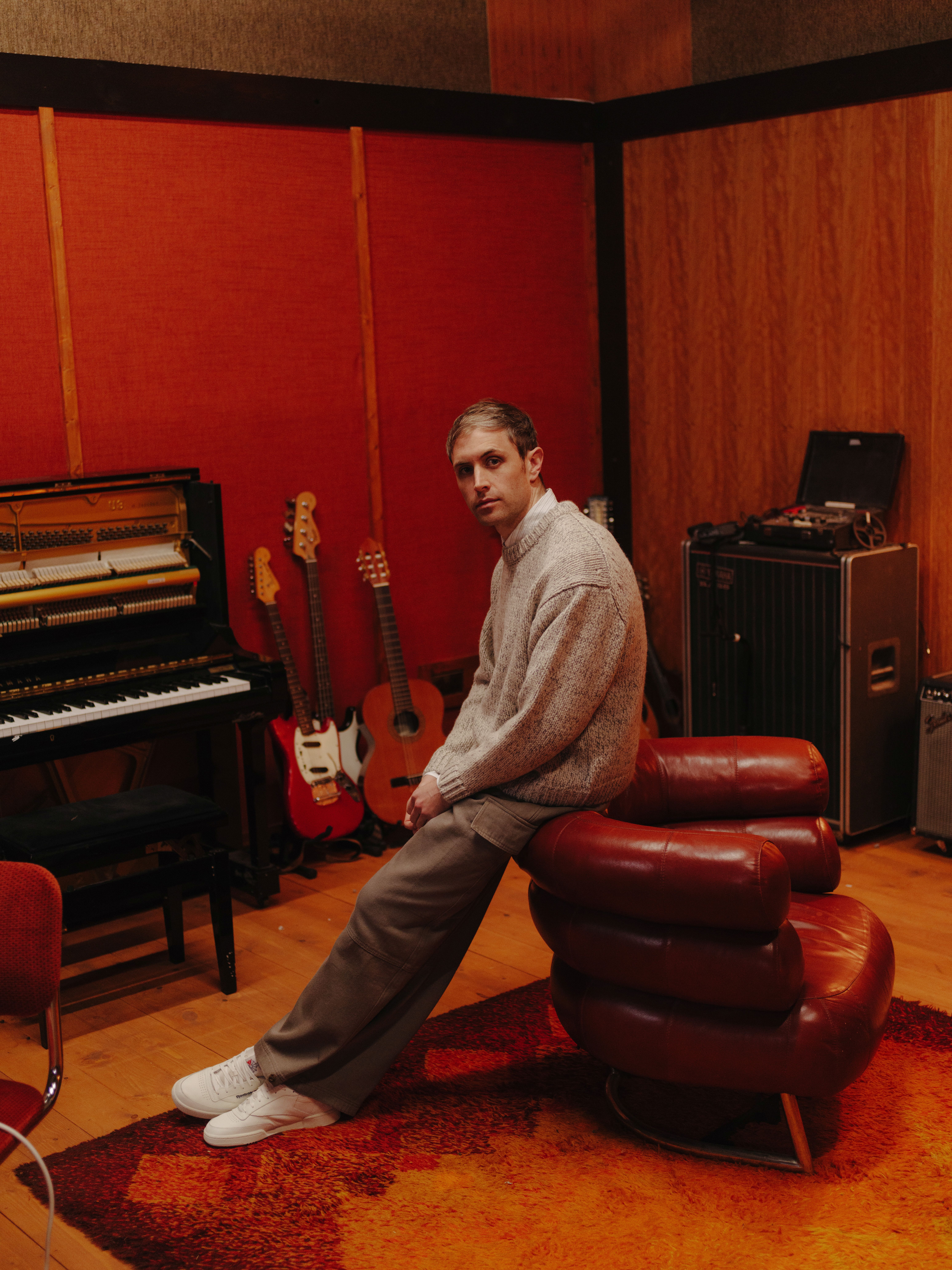
Name: Matthew 'Matt' Rupert Lancaster Relton aka Kidnap
Nationality: British
Occupation: Producer, DJ
Current Release: Kidnap's new album Something Lost, Something Gained is out now via [PIAS] Electronique. He’ll play his debut live show at Corsica Studios on 12th November 2024 (sold out). Join the waitlist for tickets here. Get tickets for his second live show at Village Underground on Saturday 1st March 2025 here.
Recommendations: Steal Like An Artist by Austin Kleon is a great book that makes a case that all art is derivative and there’s very few original ideas in the world. Reading it helped me move past worrying about originality and become comfortable with the process on inspiration.
Lark Ascending by Ralph Vaughn Williams is in my opinion the most beautiful song in the world.
If you enjoyed this Kidnap interview and would like to know more about his work and music, visit him on Instagram, Facebook, twitter, and Soundcloud.
Do you think that some of your earliest musical experiences planted a seed for your interest in production and technology?
It’s hard to say. I spent years playing drums and bass guitar before I ever considered or even knew about production and the technological side of music.
I do tend to find the music production attracts a particular type of detail oriented person, so perhaps it is a character trait that I had from birth.
What were your very first active steps with music technology and how would you rate the gains made through experience?
My journey began when a friend gave me a copy of ‘Reason’ on CD when aged fourteen. I installed it on my computer and began exploring.
I was completely clueless and as this was in the days before Youtube tutorials or production forums, pretty much all of my gains had to be made through trial and error. It was a painstaking process and it took many years before I made anything that sounded vaguely decent.
Making music, in the beginning, is often playful and about discovery. How do you retain a sense of playfulness and how do you still draw surprises from tools, approaches, and musical forms you may be very familiar with?
I find this to be a constant challenge. To overcome it, I try to retain the mindset of a student. I will spend some time each week at the piano studying music written by others to work out what they are doing harmonically. I find this helps keep a fresh flow of information coming into my process.
For example I wrote one of my latest singles, “Overgrown,” featuring Leo Stannard, after dissecting a song by Radiohead.
I also find it’s good to work with some tools that you don’t fully understand. To achieve this I am constantly on the look-out for random new pieces of software and FX that I can throw into the process.
Have there been technologies which have profoundly influenced, changed or questioned the way you make music?
I think the most impactful piece of technology of music development has been the sampler. From the very start, being able to find a random sound, pitch it and play it on a piano roll has hugely impacted my sound.
I like to build instruments out of my own voice so that the music feels personal to me, even if no-one else can hear it. I still use the same inbuilt one I’ve been using for the last fifteen years in Reason.
The vocal chops used in the final track of my new album, ‘Vision of a Floating World’ contain a lot of rhythmic vocal samples that I created by chucking a recording of my own voice into the Reason sampler.
Late producer SOPHIE said: “You have the possibility with electronic music to generate any texture, and any sound. So why would any musician want to limit themselves?” What's your take on that and the relevance of limitations in your set-up and process?
I respect SOPHIE immensely as a producer but I find I have a different approach. Rather than focus on pushing boundaries with sonics, I’ve always been drawn to making music that sounds ordinary on the surface but has the magic hidden within it.
Looking back at my catalogue, I find when I’ve relied too much on novel sound design, it is often because I’ve been compensating for substandard writing. Creating moving music with ‘ordinary’ sounding instruments mean your musical ideas have to be great. Just my perspective of course.
From the earliest sketches to the finished piece, what does your current production workflow/process look like?
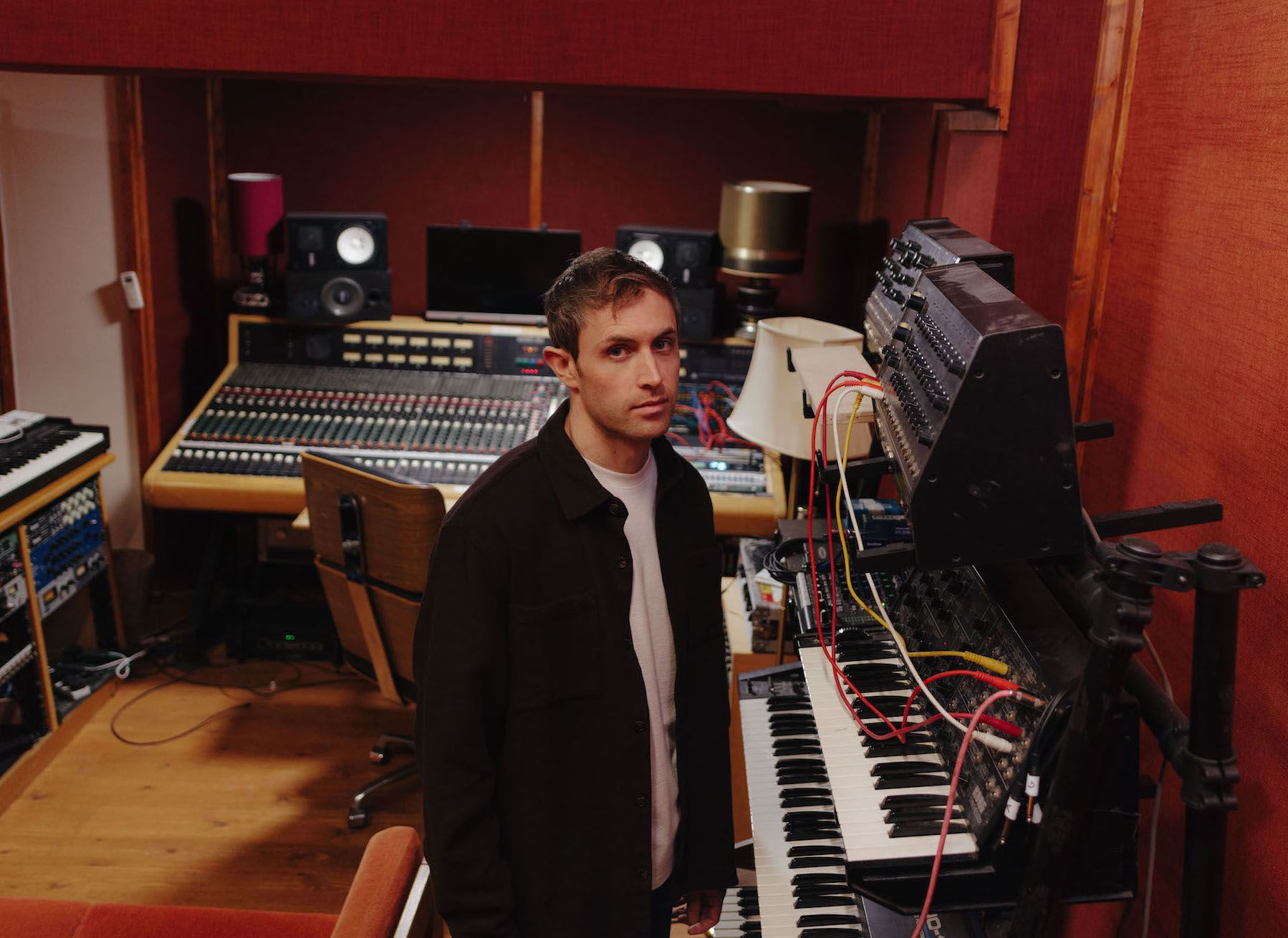
I start most ideas at the piano and flesh out the rough harmony and melody ideas, then start transposing parts across different synths and samplers to see what sounds interesting.
I like to have most of the musical elements recorded before I think about percussion. This helps me ensure that the musical elements have enough energy by themselves, which can then be elevated by percussion, rather than relying on it to bring a sense of movement.
Rhythm, sound design, melody/harmony, something else – when do the different elements of a piece come into play for you?
Typically for me it is harmony first, melody second, sound design third, rhythm/percussion fourth and vocals last.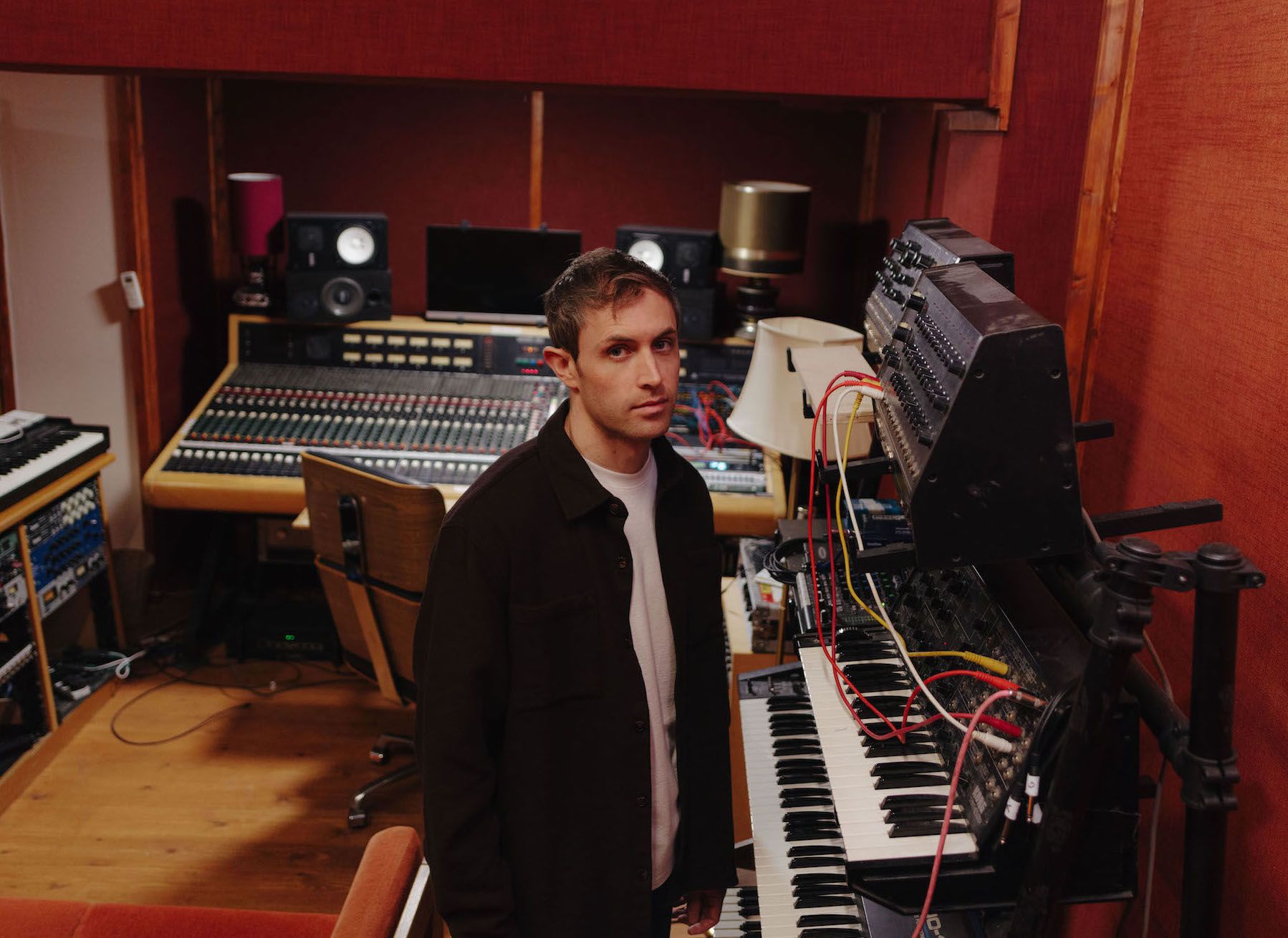
Kidnap Interview Image by Dan Wilton
In relation to sound, one often reads words like “material”, “sculpting”, and “design”. How does your own way of working with sound look like? Do you find using presets lazy?
It often feels like an archeological process to me, as though I’m digging around in the mud for the corner of an idea that already exists, rather than creating something new.
Once I have my hands on the corner of idea, the challenge is to gently uncover it in one piece. This is a process of listening receptively to what’s already there and trying to understand what it wants to be.
I personally love presets! I see it as a form of collaboration with a sound designer you’ve never met.
What, to you, are the respective benefits of solo work and collaborations and do you often feel lonely in the studio? Can machines act as collaborators to you?
I’m sure the grass is always greener, but as a solo artist I am often envious of bands that write music together. Having spent a lot of my music career writing alone I intend to work more frequently with collaborators in future.
Solo work has allowed me to develop a particular sound and feeling but has also hindered my creative and technological progression. I find that working with others and watching their process is the best way to keep learning.
I worked with a producer and friend called Joseph Ashworth on a few of the tracks I released recently (for example “Feels Like Home”) and I’ve found since that I am emulating some the techniques I watched him use since.
To some, the advent of AI and 'intelligent' composing tools offers potential for machines to contribute to the creative process. What are your hopes, fears, expectations and possible concrete plans in this regard?
I feel uninterested and indifferent about the advent of AI composition. All art to me is about the recording of human experience and the exchange that takes place between the creator and the receiver.
So even if a piece of AI could make a technically brilliant piece of music, I would find it unexciting as there is no human experience at the centre of it.
If you could make a wish for the future directly to a product developer at a Hard- or Software company – what are developments in tools/instruments you would like to see and hear?
I would love to have a piece of software that enabled me to manipulate an individual melody line inside an audio recording containing harmony.
It seems like one of the last pieces of audio manipulation that hasn’t been cracked yet.