Published
Name: Kids Return
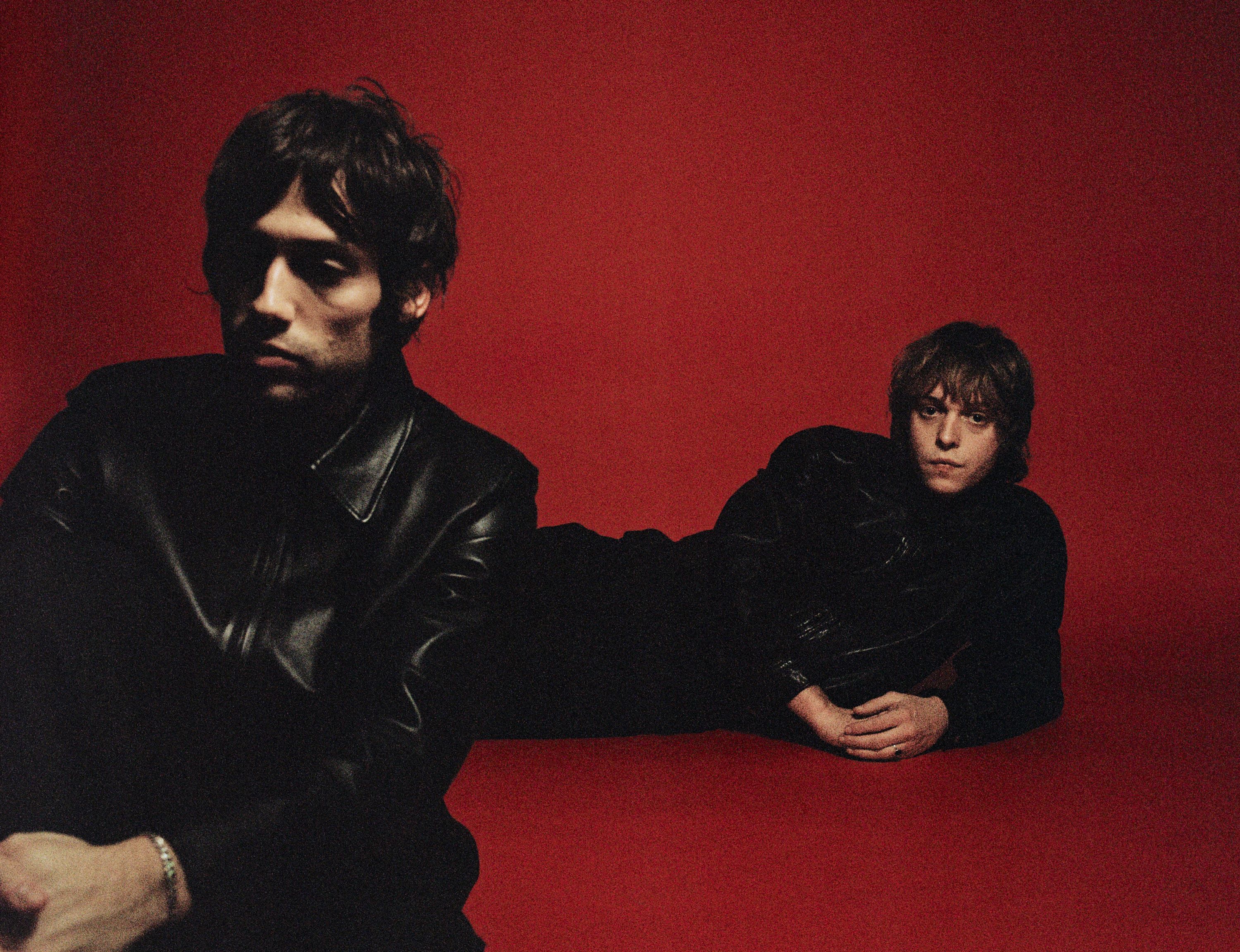
Members: Adrien Rozé, Clément Savoye
Nationality: French
Occupation: Songwriters, vocalists, producers
Current release: Kids Return's sophomore album 1997 is out via Ekleroshock.
Global Recommendation: We both live in Paris! If you're into art books and vintage posters, you should definitely check out Librairie Louis Rozen in the 5th arrondissement.
If you enjoyed these thoughts by Kids Return, visit them on Instagram, Facebook, and tiktok.
A while back, the band already answered a very similar version of this questionnaire. Head back to our earlier Kids Return interview to compare their views.
Where does the impulse to create something come from for you? What role do often-quoted sources of inspiration like dreams, other forms of art, personal relationships, politics etc play?
Inspiration comes from many sources, often in ways we don’t consciously realize.
When we compose in the Pyrenees, nature plays a significant role in the creative process. Surrounded by mountains, birds, horses, and vast open spaces, the music naturally takes on a unique form. The inspiration also stems from our personal experiences.
Our album reflects the times we’re living in. It speaks to our tendency to chase time constantly, as in “Time to Time.”
It also touches on the need to sometimes find ourselves, as in “So Good Alone,” and to understand one another.
At the same time, it expresses a desire to escape, as captured in “The Seattle Boat.”
For you to get started, do there need to be concrete ideas – or what some have called a 'visualisation' of the finished work? What does the balance between planning and chance look like for you?
At the beginning, we knew only that we wanted the album to be more rock-oriented than the first one—rougher, perhaps a bit more insolent.
We didn’t have a specific blueprint. The album's name, for example, came to us halfway through the creative process, as did the concept for the cover.
Is there a preparation phase for your process? Do you require your tools to be laid out in a particular way, for example, do you need to do 'research' or create 'early versions'?
We started by making demos, then went into the studio to record them onto tape with musicians.
For many tracks, we then deconstructed the recordings, running them through an MPC, adding drum machines, and experimenting with other elements. It was a very free and creative process.
Do you have certain rituals to get you into the right mindset for creating? What role do certain foods or stimulants like coffee, lighting, scents, exercise or reading poetry play?
We don’t have a specific ritual, but one thing is for sure: we need windows. That’s why, in the Pyrenees, the room where we compose is surrounded by windows.
In Paris, our small studio isn’t in the basement, and the Saint Germain studio where we recorded on tape is upstairs! Natural light is crucial for us, or soft, warm lighting—never neon!
Food also plays an important role; we enjoy cooking.
What makes lyrics good in your opinion? What are your own ambitions and challenges in this regard?
Sincere, well-delivered lyrics are key.
It’s not just about the words themselves, but how they resonate with the music, the melody, and how they’re articulated—the emphasis on certain words, and how everything comes together.
What are areas/themes/topics that you keep returning to in your lyrics?
The passing of time, the specific sensations we experienced as children. The bonds of love and friendship, and how they evolve over the years.
Many writers have claimed that as soon as they enter into the process, certain aspects of the narrative are out of their hands. Do you like to keep strict control or is there a sense of following things where they lead you?
There’s a lot of unconsciousness in writing, with meanings that unfold over time. Some songs can be interpreted in many different ways, depending on one’s sensitivity.
Sometimes, it’s the melody that naturally shapes the lyrics, even if they don’t have a precise meaning—what matters is the emotion they evoke, which can be complex and multi-layered.
For this album, we wrote the lyrics with two of our friends, Pablo Cotten and Alexis Pariat. Often, the song titles or hooks were already in place, written directly to the music, so the lyrics were already intertwined with the melody.
Once a piece is finished, how important is it for you to let it lie and evaluate it later on? How much improvement and refinement do you personally allow until you're satisfied with a piece?
It really depends on the track. Sometimes it takes us a year to finish a song, setting it aside and coming back to it with a fresh approach.
Other times, like with “My Hero,” we know right away that we’ve got something we like. It’s done on impulse, and that’s just as valuable.
In terms of what they contribute to a song, what is the balance between the composition and the arrangement (including production, mixing and mastering)?
It really depends on the song; there’s no set rule. In general, we start by composing guitar and vocals or piano and vocals. If we like it and feel something, we begin working on the song's structure, then create the demo.
From the demo stage, we focus on the arrangements, which are crucial for us, as they truly shape the song’s vibe.
After finishing a piece or album and releasing something into the world, there can be a sense of emptiness. Can you relate to this – and how do you return to the state of creativity after experiencing it?
It’s a great time to think about how to perform live! It’s also a perfect opportunity to learn how to re-interpret your songs, giving them even more life. Then, you start composing new things without knowing exactly where they’ll go—but that’s okay!
Strangely enough, after finishing an album, there’s this sense of emptiness, yet also a feeling of renewed inspiration.
I would love to know a little about the feedback you've received from listeners or critics about what they thought some of your songs are about or the impact it had on them – have there been “misunderstandings” or did you perhaps even gain new “insights?”
With the new album, we feel like we're reaching a new audience.
Sometimes, I'll run into someone I’ve known for a while at a party, and they’ll tell me, "Time to Time" is my favorite song, and I listen to it over and over again. It’s funny because before that, they’d never mentioned Kids Return, even though we’ve known each other for years! Haha.