Published
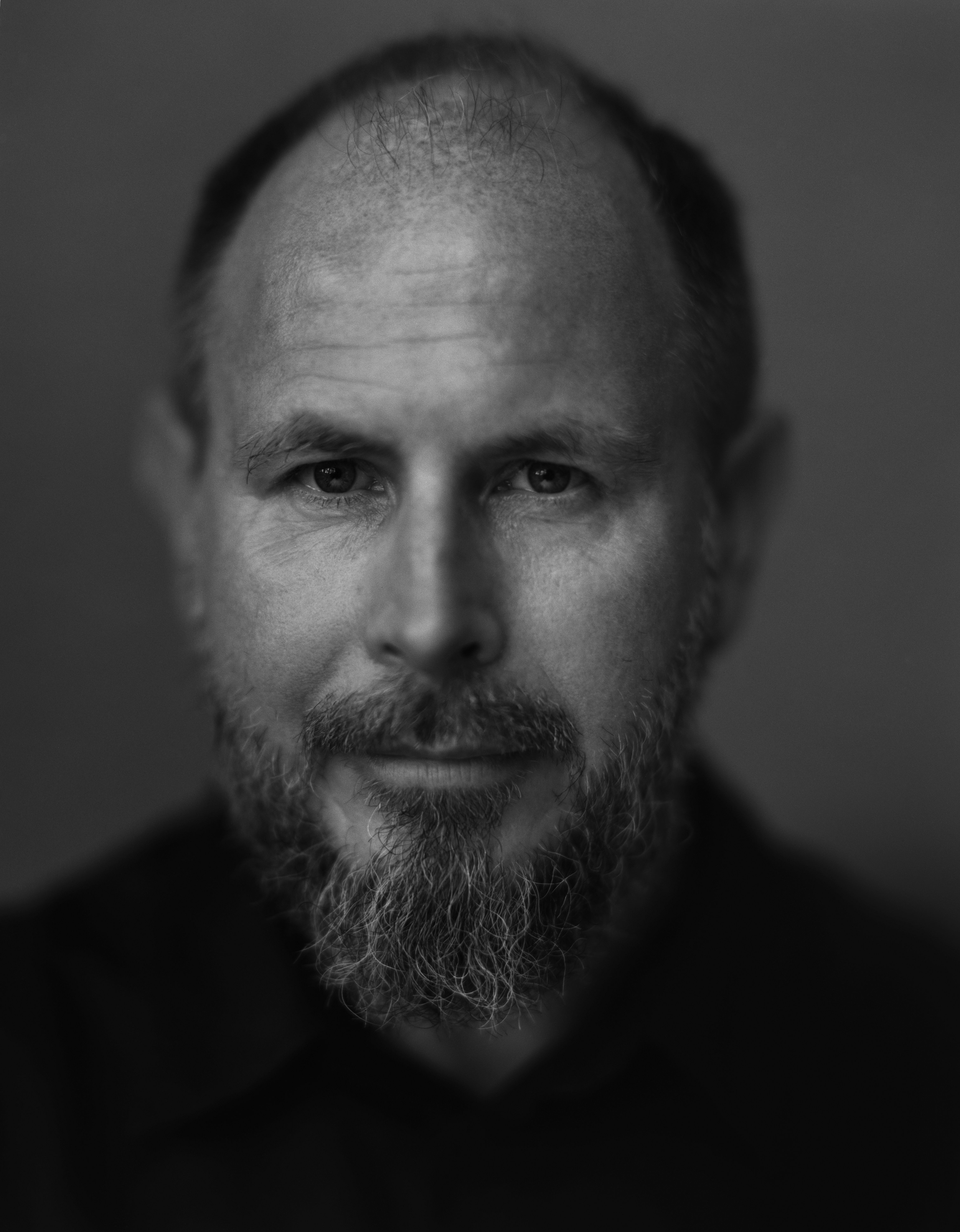
Name: Kjetil Husebø
Nationality: Norwegian
Occupation: Composer, producer, pianist, improviser
Current release: Kjetil Husebø's new double album Piano Transformed – Interspace is out now via Optical Substance. Order it directly from his bandcamp store.
If you enjoyed these thoughts by Kjetil Husebø and would like to stay up to date with his work, visit his official website. He is also on Instagram, Facebook, and bandcamp.
For a deeper dive, read our earlier Kjetil Husebø interview about his creative process and our conversation with him about production, technology, and creativity.
When did you first consciously start getting interested in musical improvisation? What was your first improvisation on stage or in the studio and what was the experience like?
I've been engaged in improvisation for as long as I've been making music, dating back to elementary school in the late '80s. I was always more drawn to improvising than to playing notated music. My first improvisational experience on stage likely happened during that time, though I don’t recall the exact circumstances.
Before I focused on acoustic piano, I experimented with synthesizers and sampling—and still do. However, when I seriously started playing the piano around 1990 (15 years old), I became more consciously aware of improvisation as a practice—playing completely freely with flow and creating stories in the moment.
The experience was liberating—there was something deeply fascinating about creating music in the moment, without predetermined structures or limitations
Tell me about your instrument and/or tools, please. What made you seek it out, what makes it “your” instrument, and what are some of the most important aspects of playing it?
I primarily play the piano, along with synthesizers, samplers, and electronics. My journey began with synthesizers in elementary school, but around 1990, my interest in the piano deepened.
The piano is “my” instrument because of its versatility. It serves both as an acoustic sound source and as a trigger for electronic elements. It’s an incredibly multifaceted instrument—you can play the keys, manipulate the strings, prepare it, or use its wooden resonance for percussive effects.
Live sampling (software and hardware) allows me to extend these sounds into new sonic dimensions. By processing the acoustic piano in real-time, I can transform its timbre and character, creating a dialogue between the organic and the electronic.
This approach opens up endless possibilities for exploration, making the instrument feel limitless.
How would you describe your own relationship with your instrument – is it an extension of your self/body, a partner and companion, a creative catalyst, a challenge to be overcome, something else entirely?
This may sound unexpected, but for a time, I felt somewhat disconnected from the acoustic piano. Or at least a little bored. However, working on my Piano Transformed project reignited my interest in the instrument.
In this project, I explore the intersection of acoustic piano and electronics, using live sampling to reshape its sound in real time. The instrument becomes both a partner and a creative catalyst—it challenges me while also serving as a foundation for experimentation.
Improvisation is key in this process, allowing me to navigate the balance between structure and spontaneity.
Derek Bailey defined improvising as the search for material which is endlessly transformable. What kind of materials have turned to be particularly transformable and stimulating for you?
Many of my compositions originate from improvisation, which naturally makes the material adaptable. Each time a piece is performed, it takes on a slightly different form.
The flexibility of the acoustic piano, especially when combined with electronics and live sampling, makes it an ideal medium for continuous transformation.
Do you feel as though there are at least elements of composition and improvisation which are entirely unique to each? Based on your own work or maybe performances or recordings by other artists, do you feel that there are results which could only have happened through one of them?
Improvising and composing are closely linked. Playing on stage and recording in the studio require different mindsets.
In the studio, there’s always the option to redo a take. I don’t typically enter the studio with a fixed plan; instead, I use keywords as guiding concepts—sometimes related to mood, tempo, or specific sound palettes.
For instance, the title track from Piano Transformed (2017) was a single-take, fully improvised piece recorded in the studio without prior preparation. The energy and immersion of that moment couldn’t have been replicated through composition alone.
Listening to this piece today might almost sound like a planned composition, but it wasn't. Just one take.
Similarly, in a live setting, I might use a guiding concept/title for example “German romanticism” (which influenced track 2 on the album Live at Nasjonal Jazzscene), but the result is always unique to the performance.
When you're improvising, does it actually feel like you're inventing something on the spot – or are you inventively re-arranging patterns from preparations, practise or previous performances? What balance is there between forgetting and remembering in your work?
Sometimes, I feel like I’m creating something entirely new—something I could never have written down. Other times, improvisation draws from accumulated experience, reconfiguring known patterns in new ways. Every day is different, both in the studio and on stage.
Factors like energy, focus, inspiration, and life circumstances all influence the process. When things flow, decisions emerge naturally. Sometimes, you find gold; sometimes, just ordinary stones. Improvisation is a risk, but that’s what makes it exciting and rewarding.
Artists from all corner of the musical spectrum, not just “free jazz” have emphasised the importance of freedom in their creativity. What defines freedom for your improvisations?
Freedom requires a framework—either to move within or to break away from. Sometimes, it means working within an open-ended concept, like a particular mood. Other times, it’s about delivering something more structured.
Ultimately, it’s about going with the flow.
Taking your recent projects, releases, and performances as examples, what, would you say, are the key ideas behind your approach to improvisation?
In Piano Transformed, exploration is crucial. I focus on deepening my understanding of my musical language and tools.
My sonic palette is diverse, and improvisation allows me to navigate its possibilities in new and unexpected ways.
In your best improvisations, do you feel a strong sense of personal presence or do you (or your ego) “disappear”?
During my best improvisations, I experience a state where my ego dissolves, and the music seems to create itself. It’s a flow state—fully present, yet detached from conscious control.
Unfortunately, this doesn’t happen every time, but on a good day, it’s exactly what occurs.
What are some of your favourite collaborators and how do they enrich your improvisations?
Arve Henriksen is a fantastic collaborator. He has an incredible ability to respond and surprise, challenging me in ways that are both constructive and inspiring.
In a live situation, decisions between creatives often work without words. From your experience and current projects, what does this process feel like and how does it work?
It’s all about flow, inspiration, and being in the moment.
Communication happens through listening and instinct rather than verbal direction.
Stewart Copeland said: “Listening is where the cool stuff comes from. And that listening thing, magically, turns all of your chops into gold.” What do you listen for?
In Piano Transformed, listening and playing are equally important.
I sample and transform the piano in real time, then play alongside those transformed sounds. This constant interplay between original and altered sound is at the heart of my process.
(By the way, the liner notes written by Tore Stavlund for the new album Piano Transformed - Interspace are all about listening.)
As a listener, do you also have a preference for improvised music? If so, what is it about this music that you appreciate as part of the audience?
I have listened to a lot of different improvised music over the years.
I’ve listened extensively to Keith Jarrett’s solo concerts. Many of his albums are exceptional and have been a major source of inspiration.
In a way, we improvise all the time. In which way is your creative work feeding back and possibly supporting other areas of your life?
“Improvisation teaches us that mistakes aren’t failures—they’re opportunities to create something new.” (unknown).
“Do not fear mistakes. There are none” (Miles Davis).